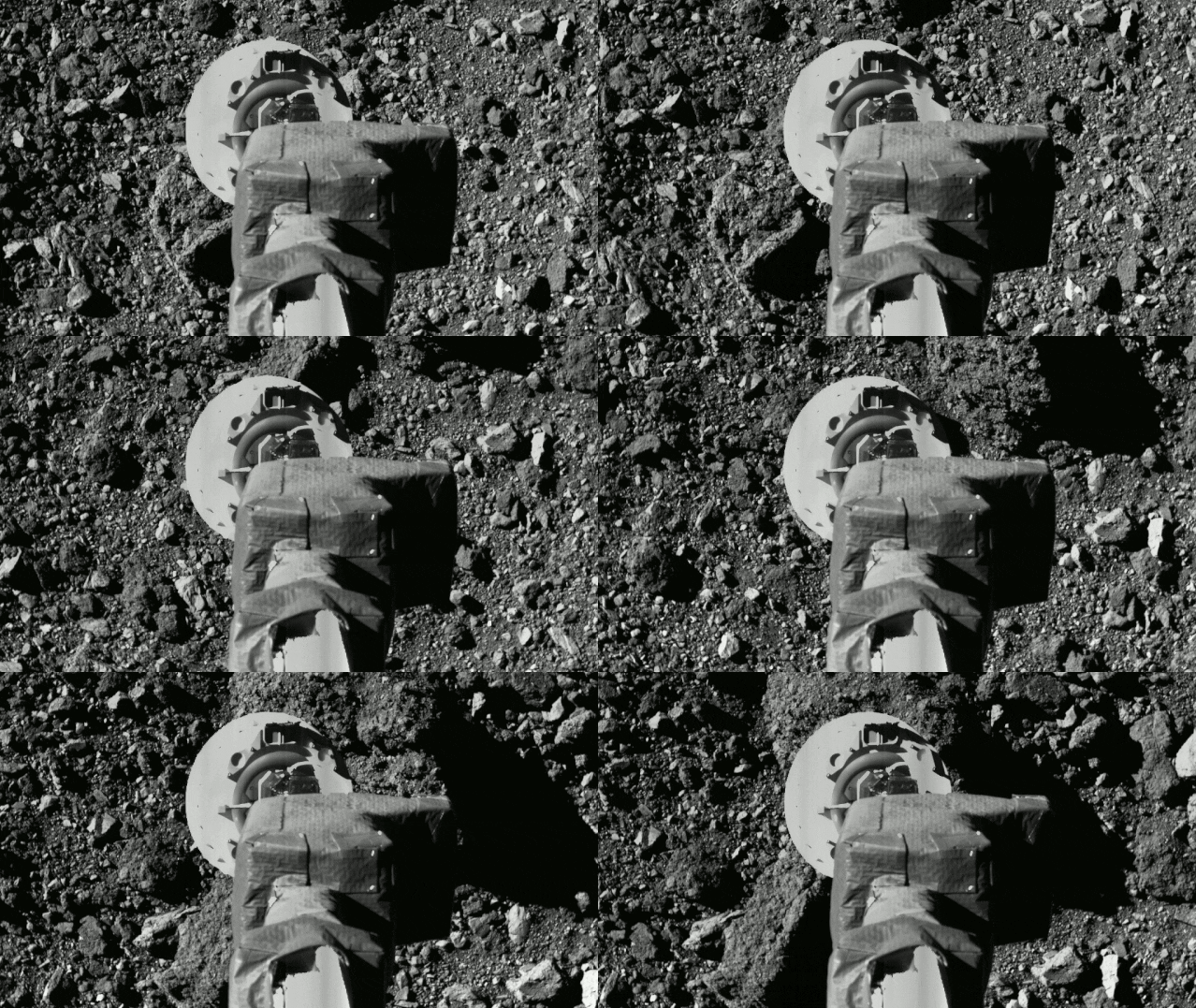
NASA’s OSIRIS-REx asteroid-sampling mission formally ended on Sept. 30, 2026, though scientists will continue to study the pieces of space rock it returned for decades.
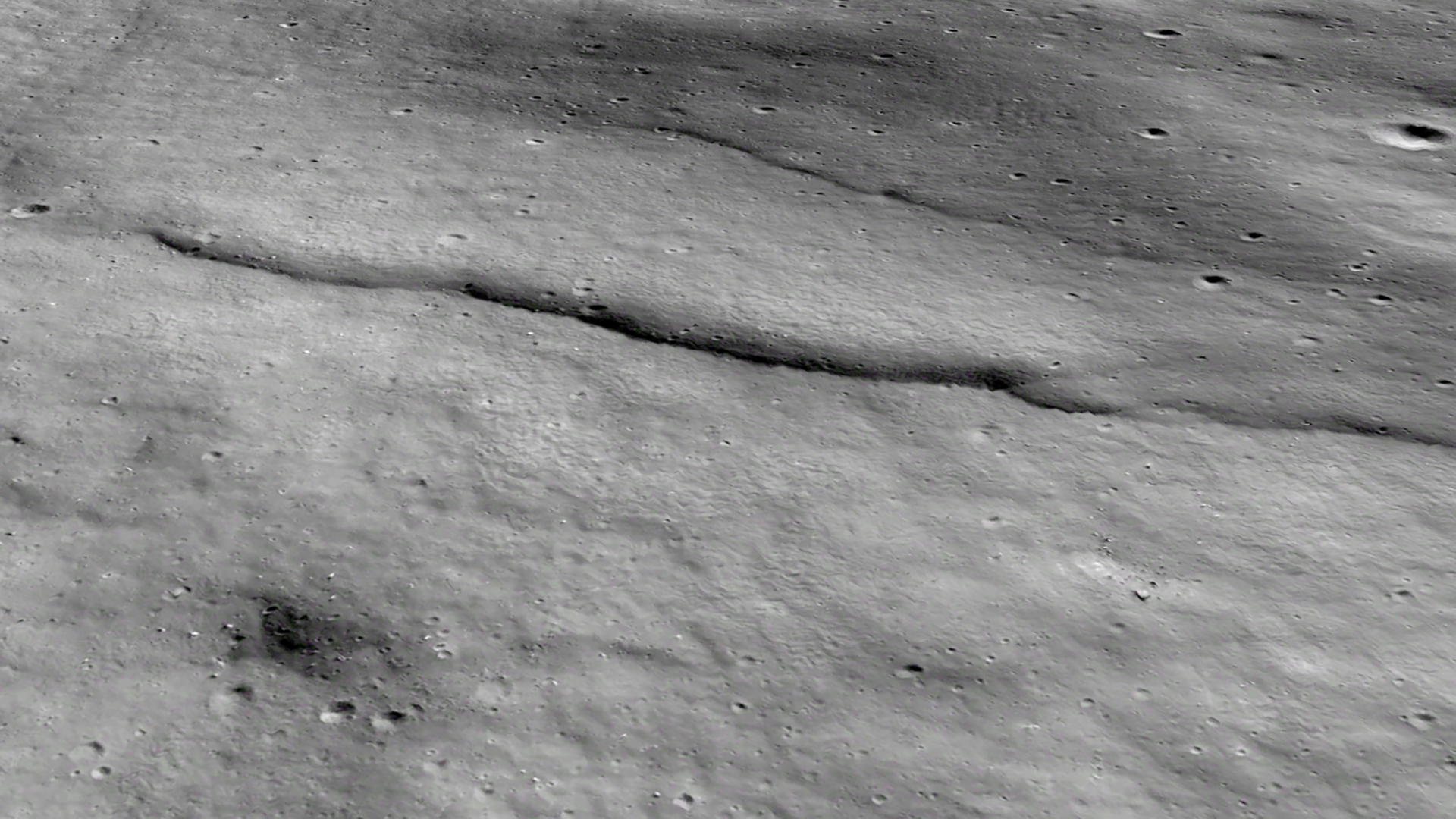
One new study shows how much the moon has diminished over time.
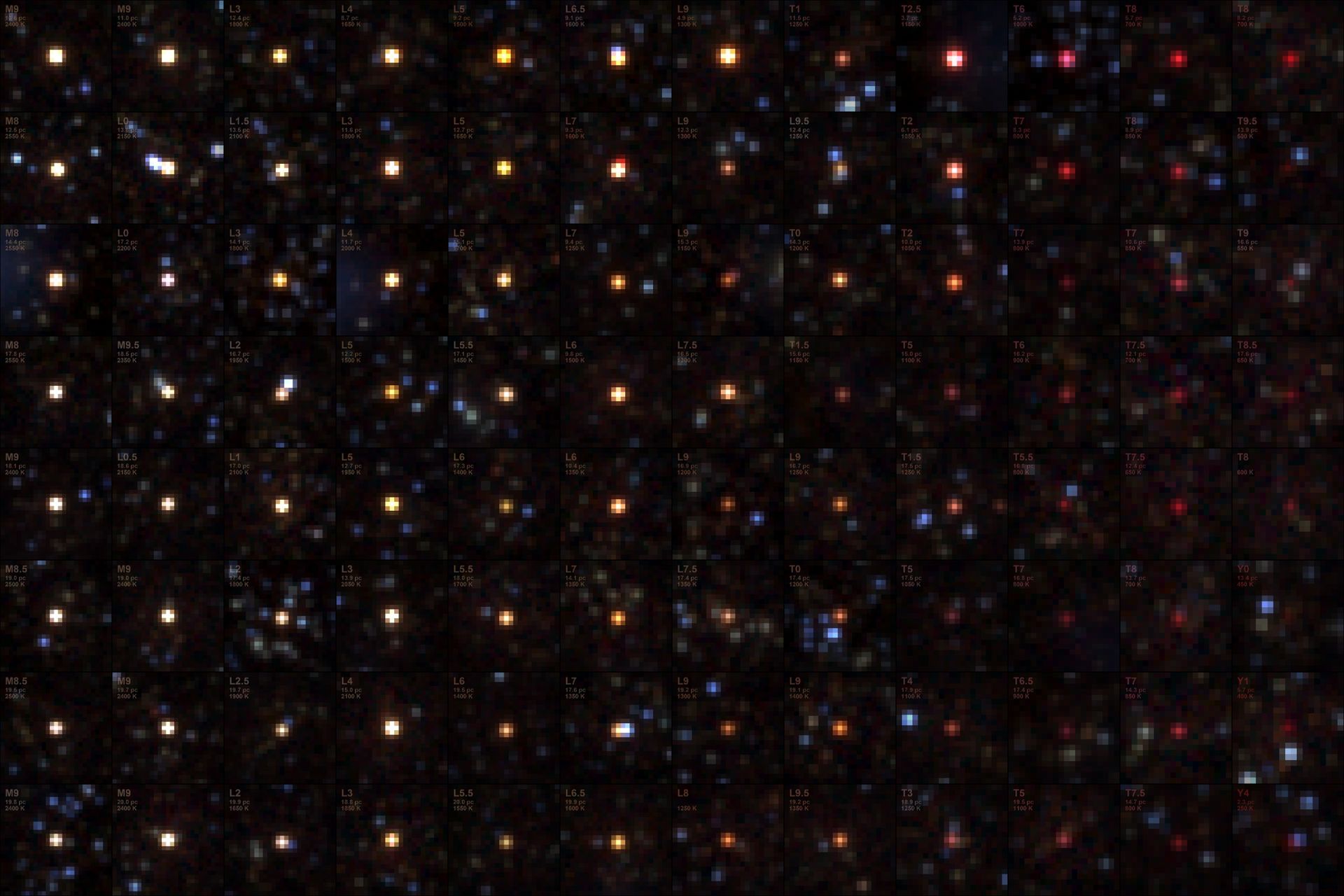
Using NASA’s SPHEREx spacecraft, astronomers have studied a horde of mysterious “failed stars,” or brown dwarfs, not-so-stellar loners that wander the darkness of space alone.

The European Space Agency’s Copernicus Sentinel-3 satellite mission captured a close-up of West Antarctica from its perch high above Earth.
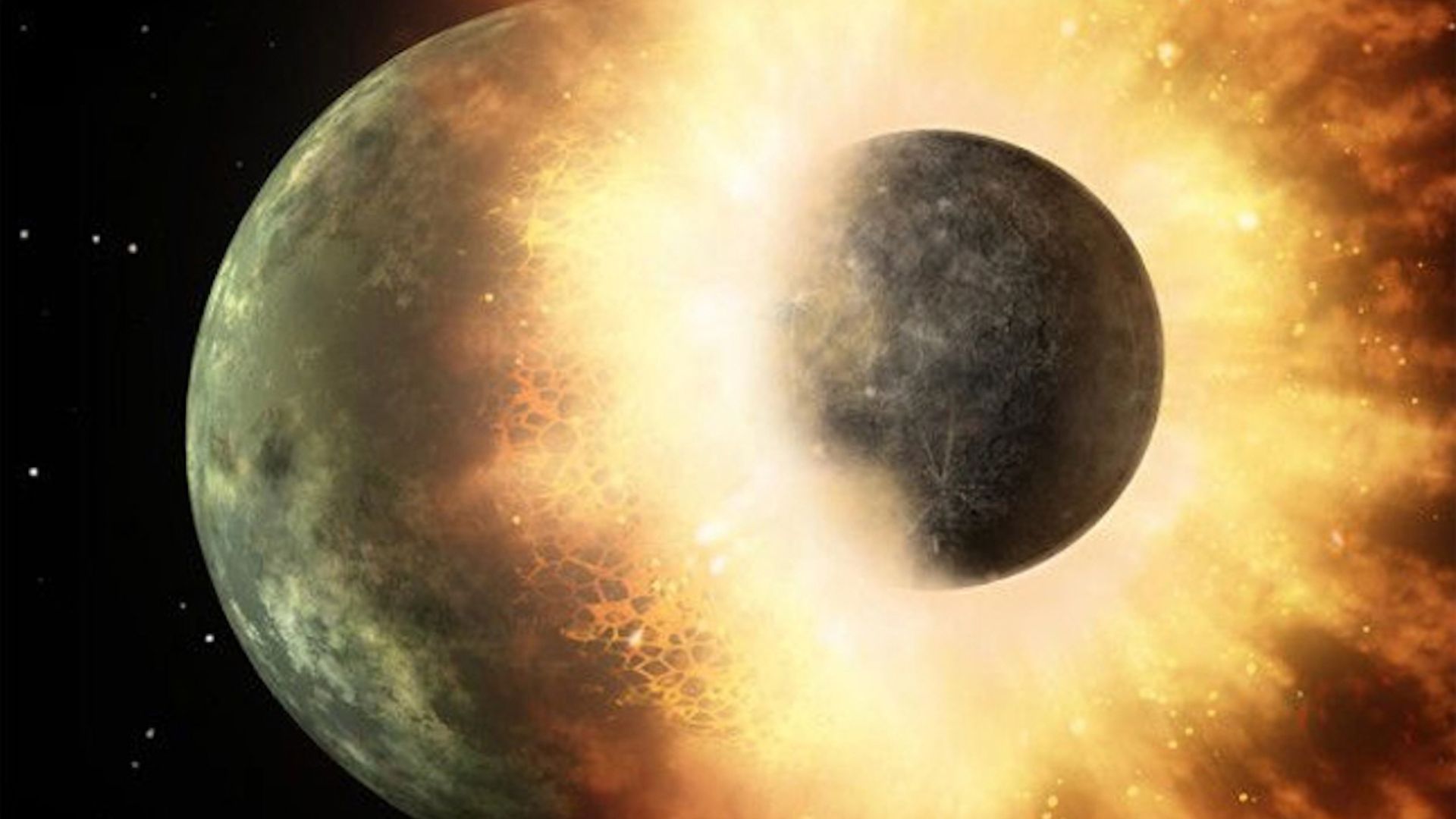
Known as the giant-impact hypothesis, this proposed event involves a collision between Earth and a hypothetical Mars-sized protoplanet astronomers call Theia.
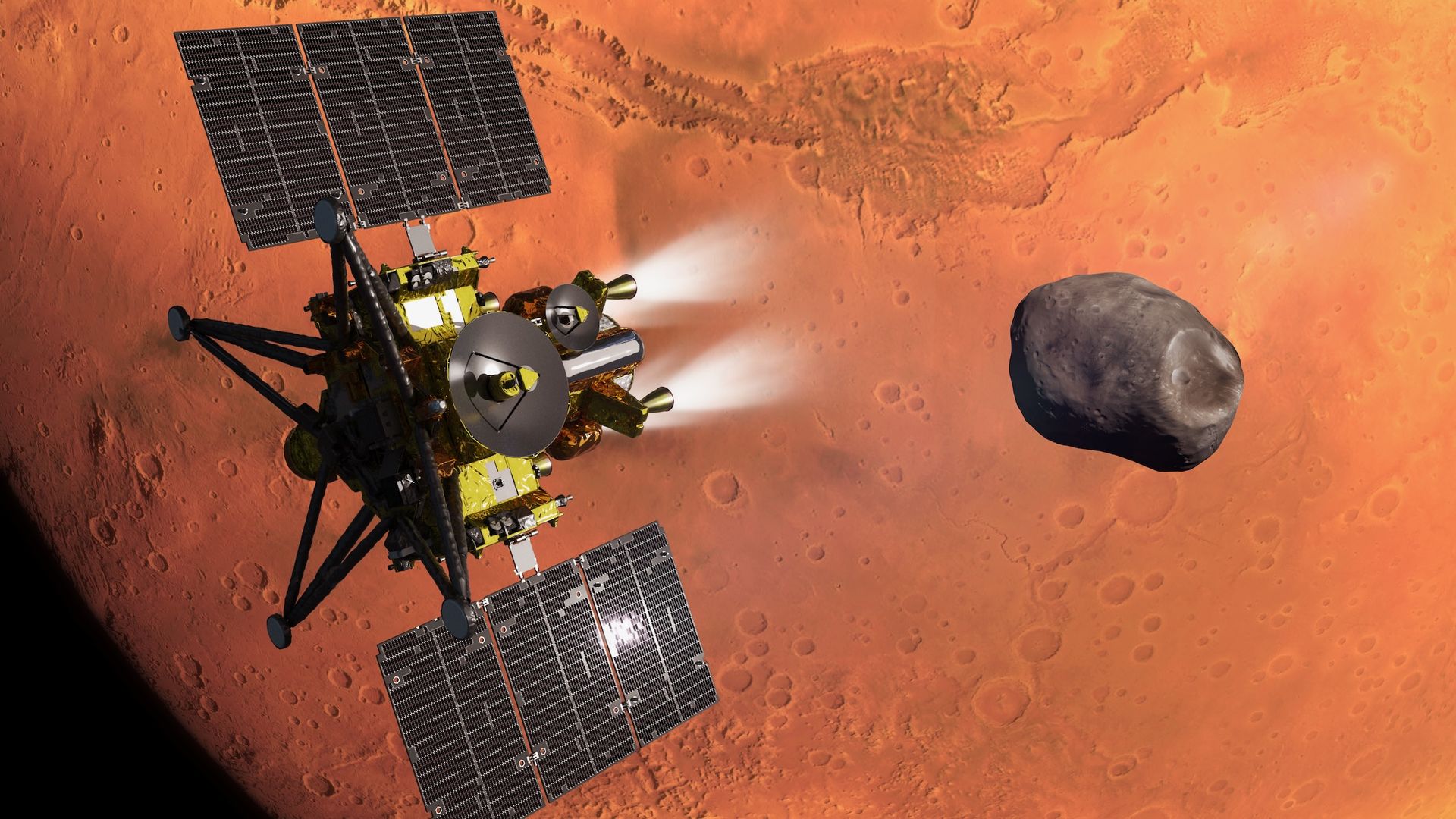
Japan will launch its audacious MMX sample-return mission to Mars today (Oct. 19), and you can watch the historic action live.
A citizen science project is seeking volunteers to comb through NASA telescope data for telltale signs of the galaxy’s hidden black holes.
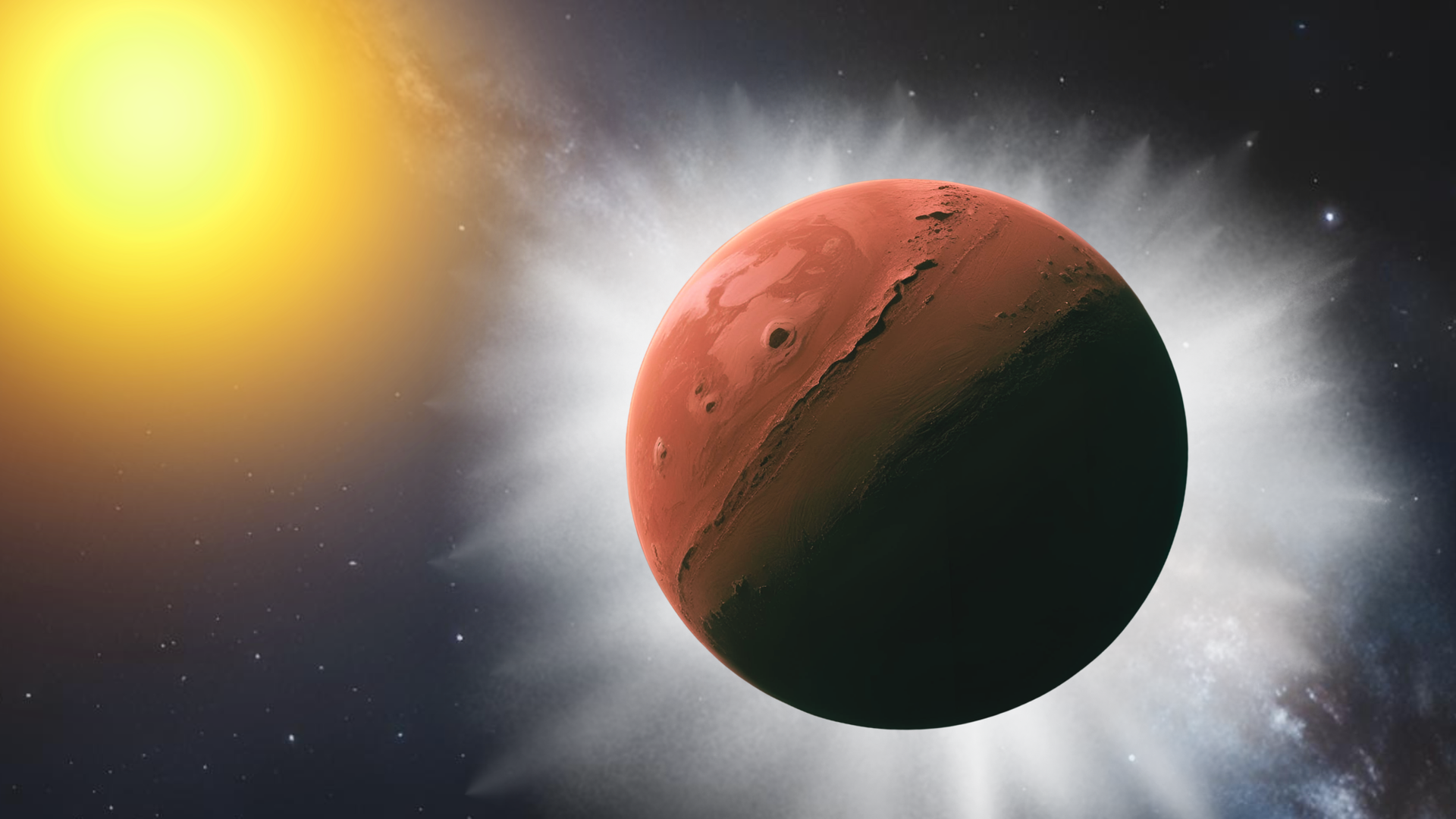
Using data from the James Webb Space Telescope, astronomers have unravelled some of the secrets of a bizarre, blisteringly hot exoplanet that has the consistency of marshmallow.
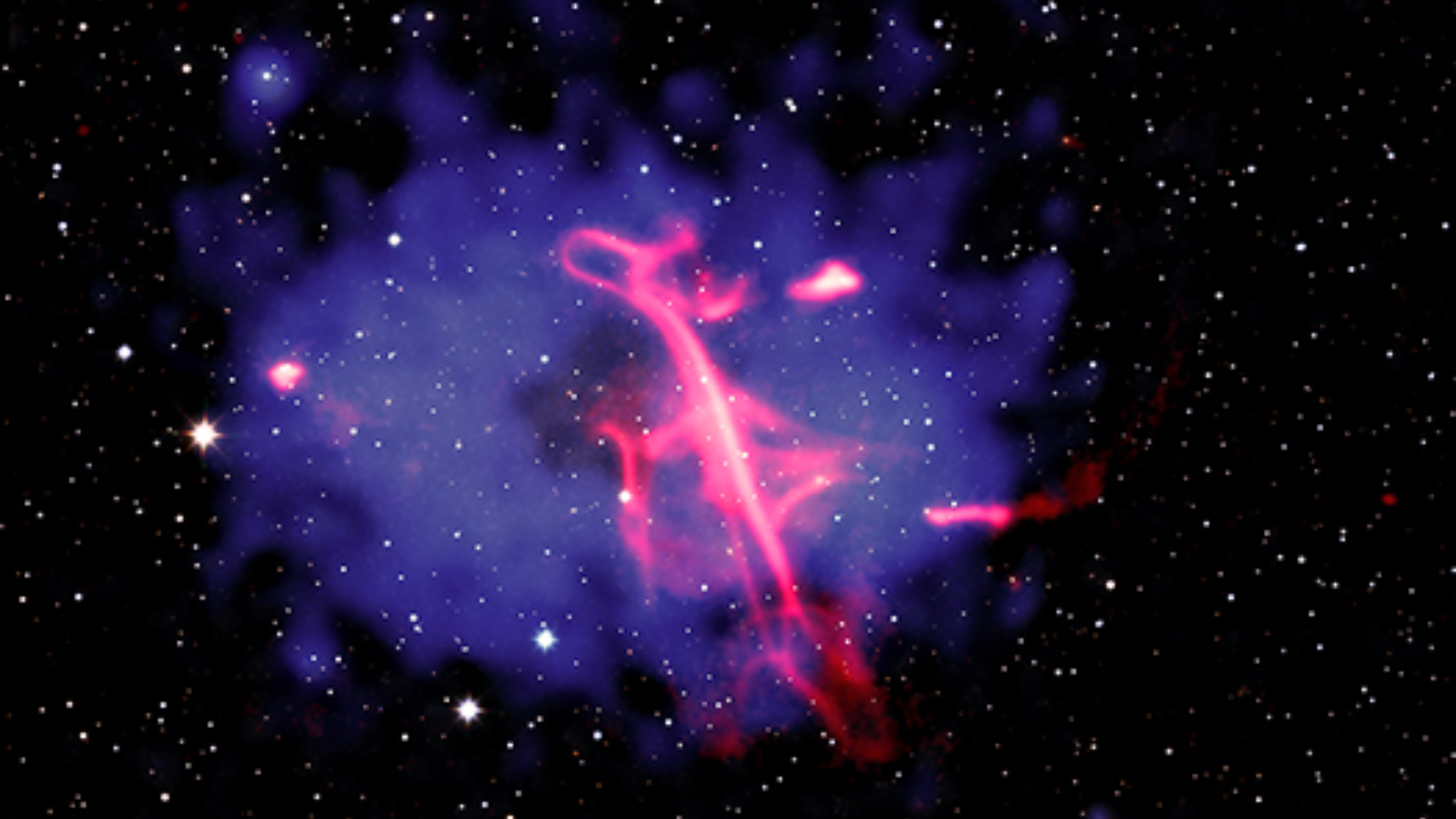
What looks like a neon pink treble clef floating out in space is actually a bizarre source of radio waves spotted deep in the cosmos.
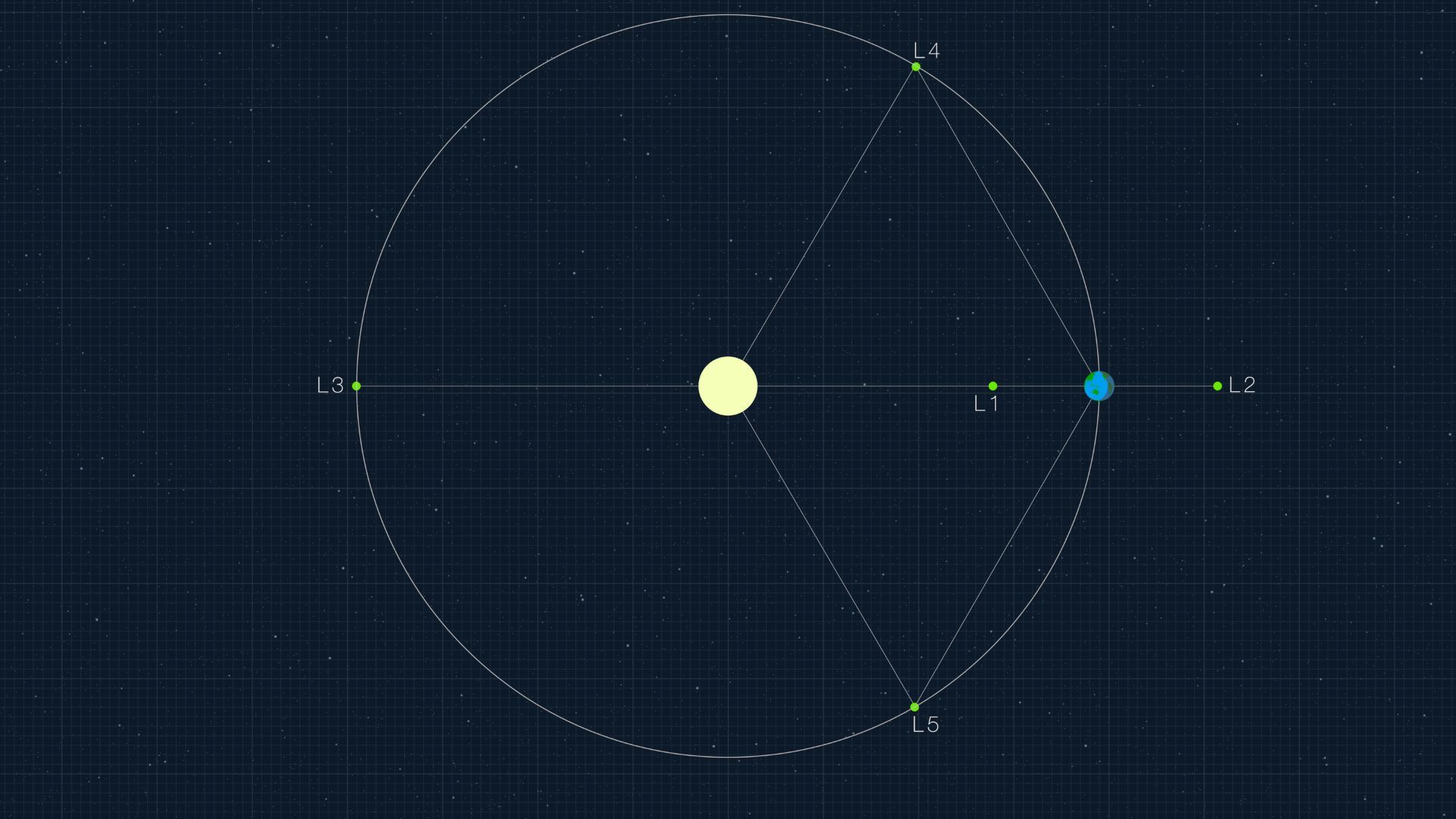
Two leading space scientists say there is a need to redefine the edge of the solar system based on the Milky Way’s gravity, including its dark matter.