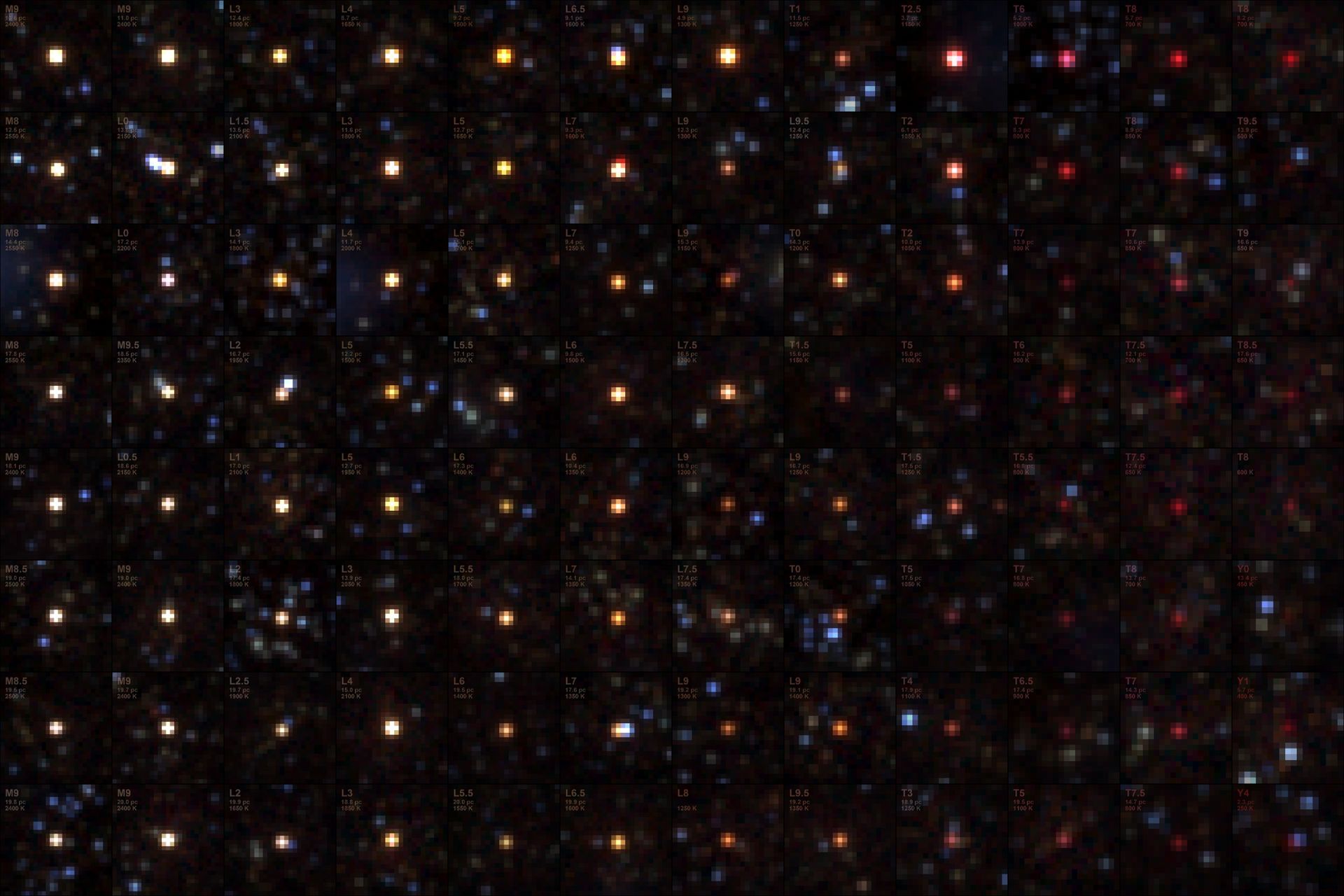
Using NASA’s SPHEREx spacecraft, astronomers have studied a horde of mysterious “failed stars,” or brown dwarfs, not-so-stellar loners that wander the darkness of space alone.
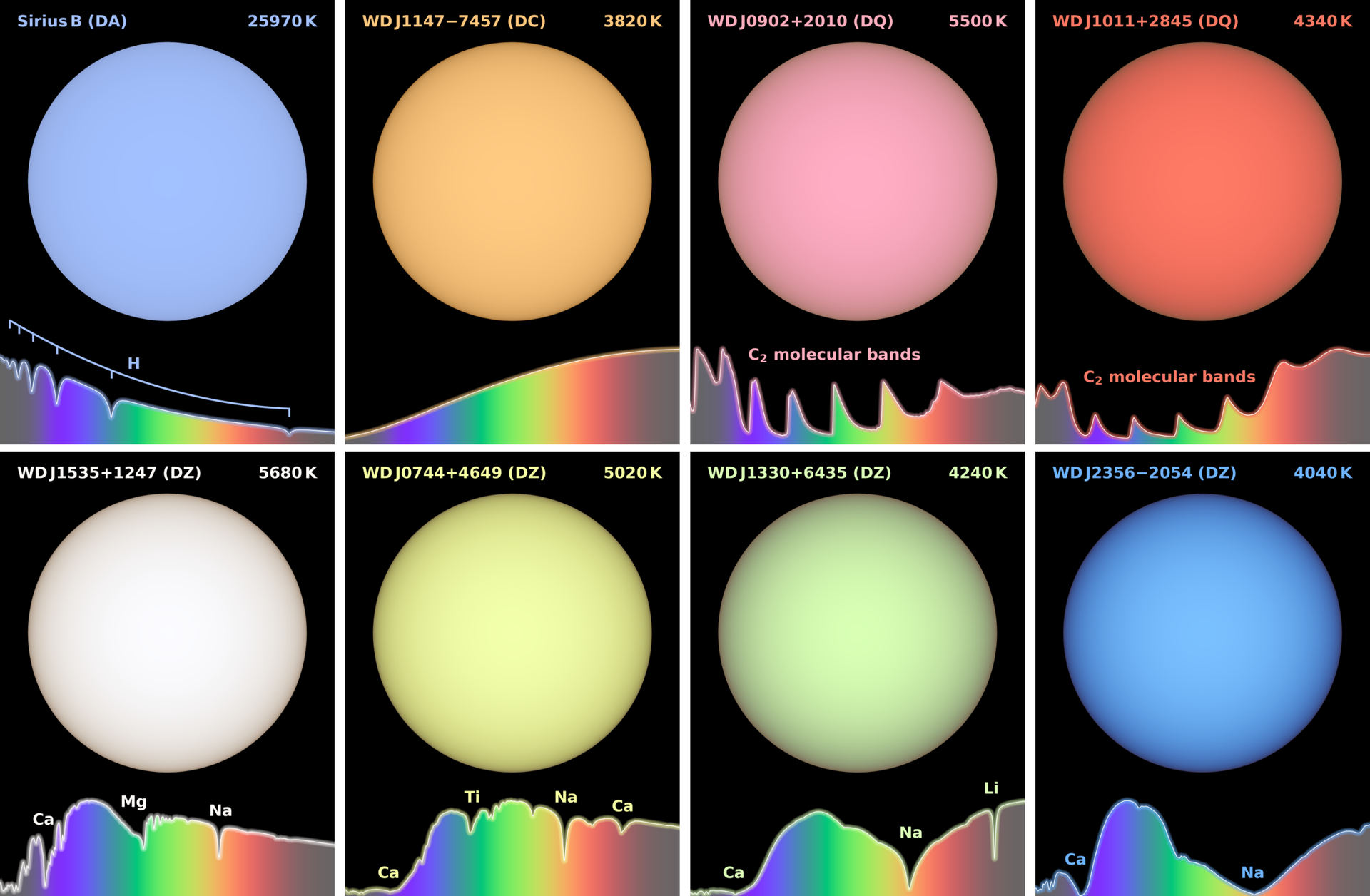
Imagine if the sun could take on a spooky green glow for Halloween. Scientists have discovered that our star may go green if it turns into a cosmic zombie after its death in billions of years.

Martian sands blown by strong winds left rippled ridges on the surface of the Red Planet, as seen in this new image from the Mars Express spacecraft.
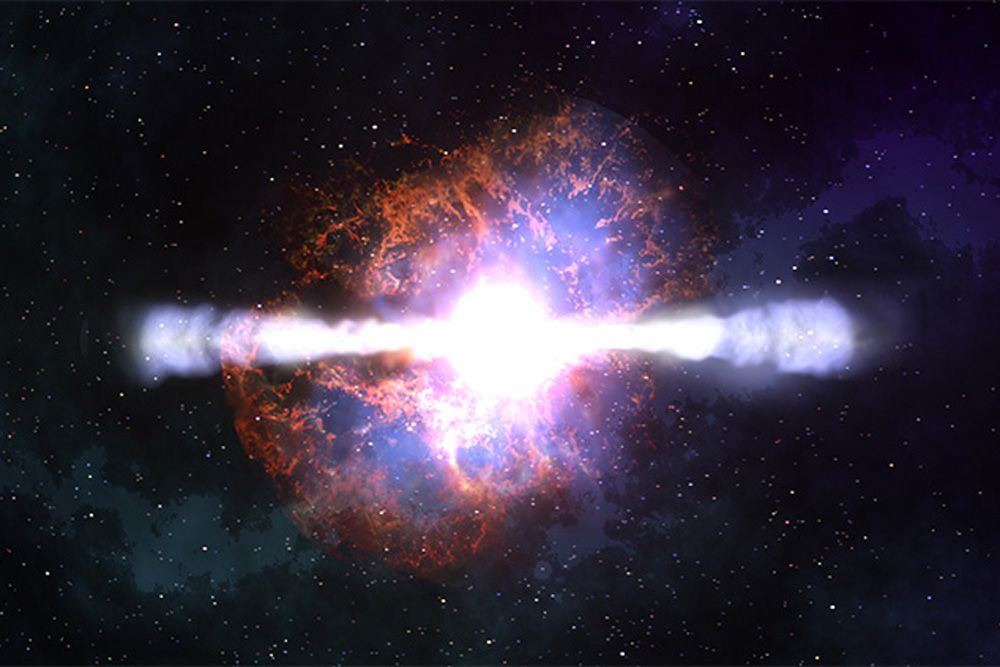
Scientists have discovered that some of the universe’s most powerful explosions, hypernovas, may not happen at all.
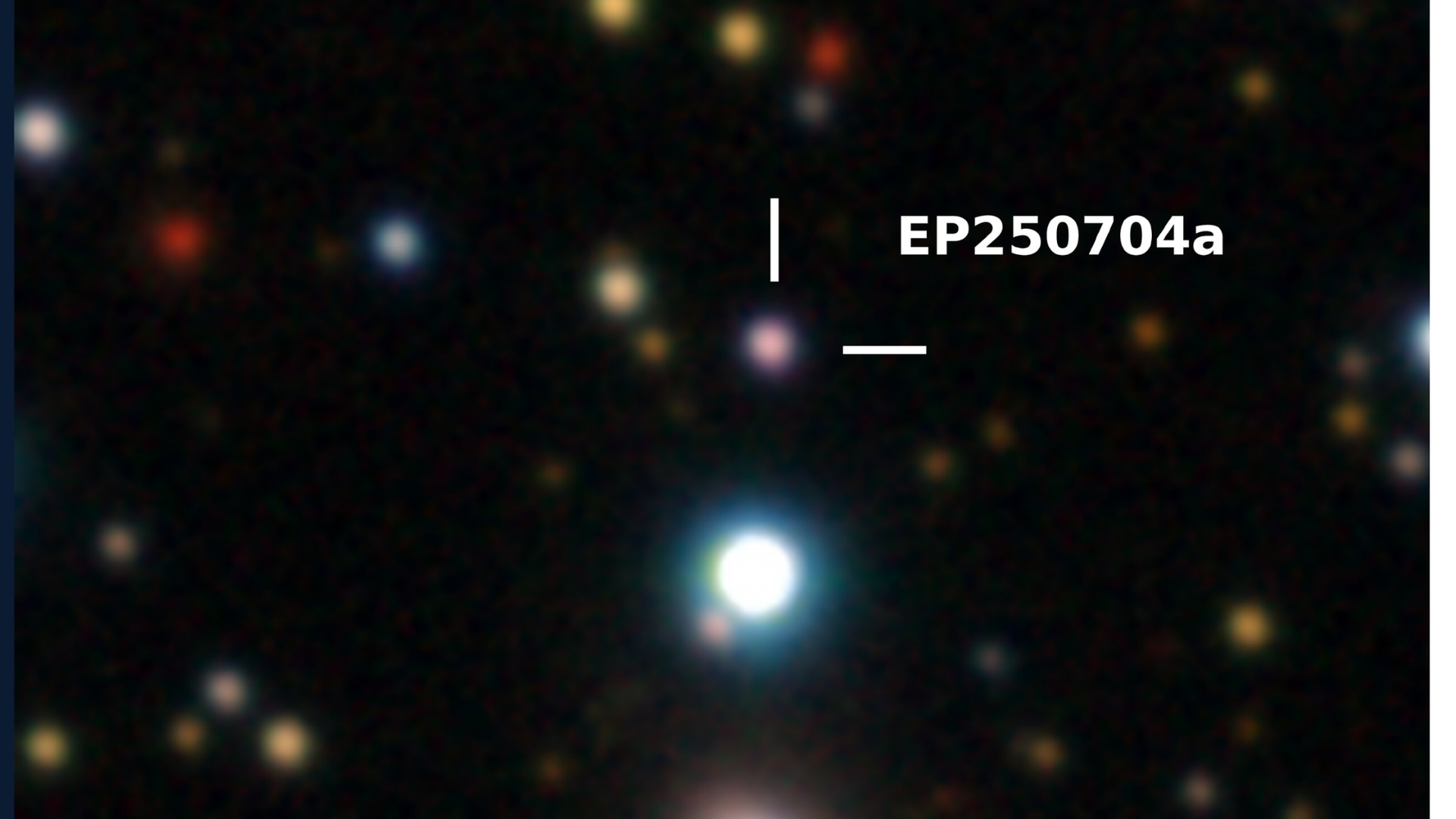
Astronomers investigating mysterious flashes of X-rays believe that these blasts could hide collisions between neutron stars, the events that forge elements like gold, silver, and platinum.

First discovered in 2007, fast radio bursts are enigmatic, millisecond-long flashes of radio emission from the distant universe. Their origin remains uncertain, particularly since most are seen once and never again. Astronomers using NASA’s James Webb Space Telescope have pinpointed the host galaxy of the most distant fast radio burst (FRB) seen to date. Their […]
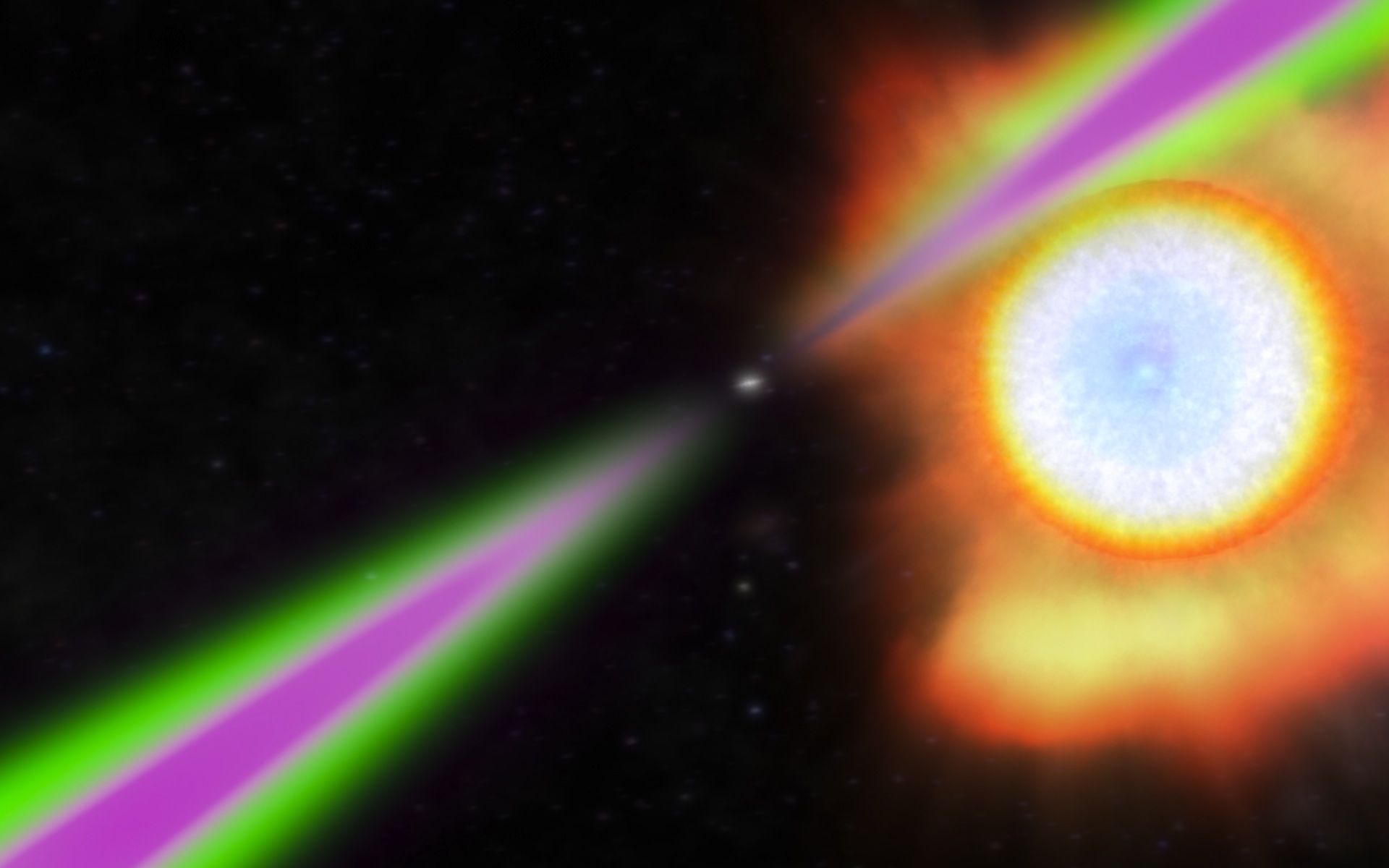
Astronomers have observed a stellar vampire feeding on a ‘failed star’ brown dwarf companion for the first time, and this will be a slow and gruesome death.

Using data from the Japan-led XRISM (X-ray Imaging and Spectroscopy Mission) observatory, astronomers have directly observed a giant star’s outflow, called a stellar wind, being captured by its compact companion and providing the power source for strong X-ray flares. The research is part of NASA’s exploration of the extreme universe to better understand how the […]
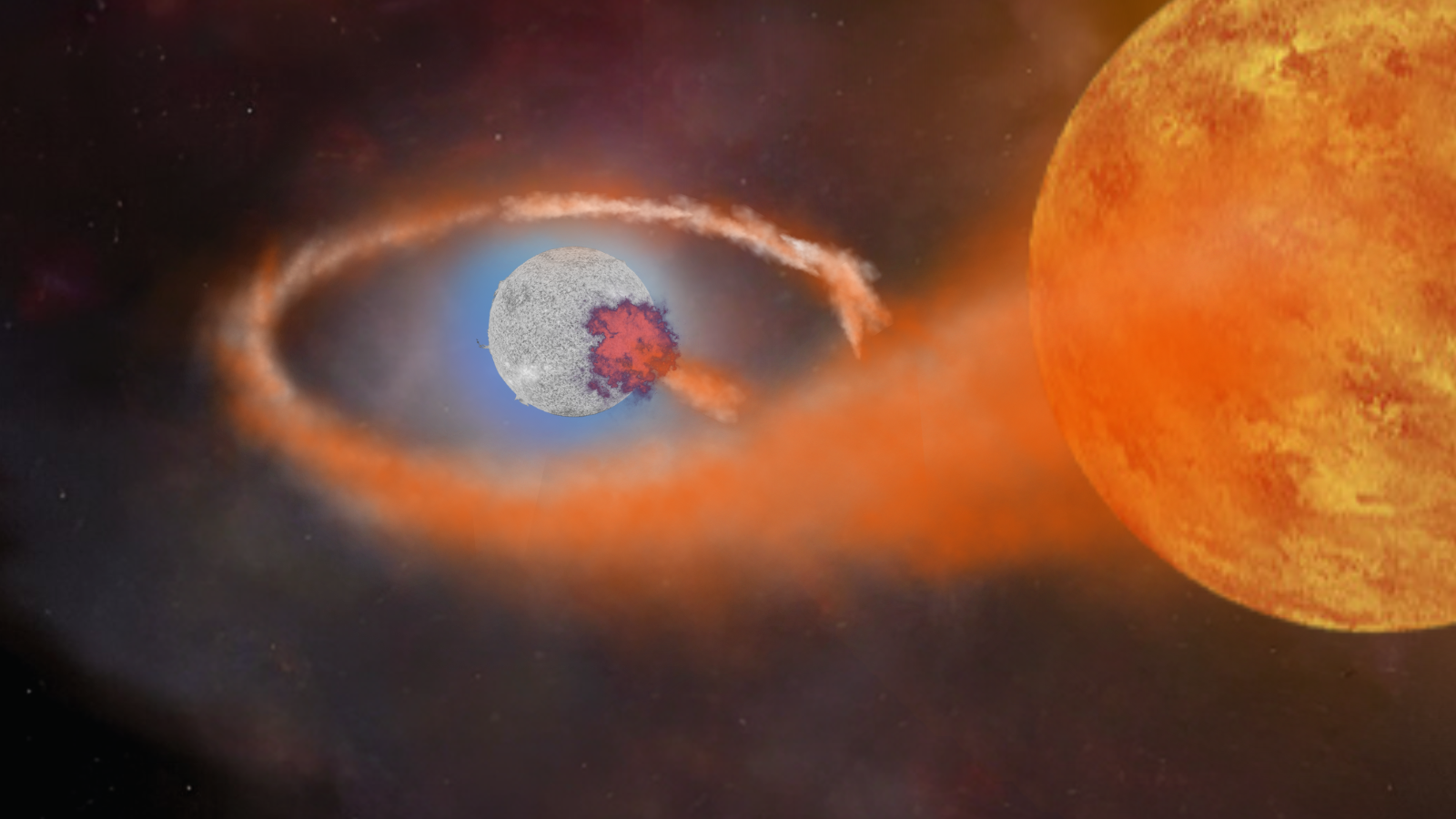
Some vampire white dwarfs that feed on companion stars can transform into neutron stars, but like a cosmic Goldilocks, conditions must be “just right” for this extreme makeover.

This starry view of the nearby star-forming region IC 348 is one of the largest images released to date from NASA’s James Webb Space Telescope. Using Webb, astronomers searched IC 348 for brown dwarfs, which are less massive than the smallest stars. The researchers discovered brown dwarfs just twice the mass of Jupiter, bringing the […]