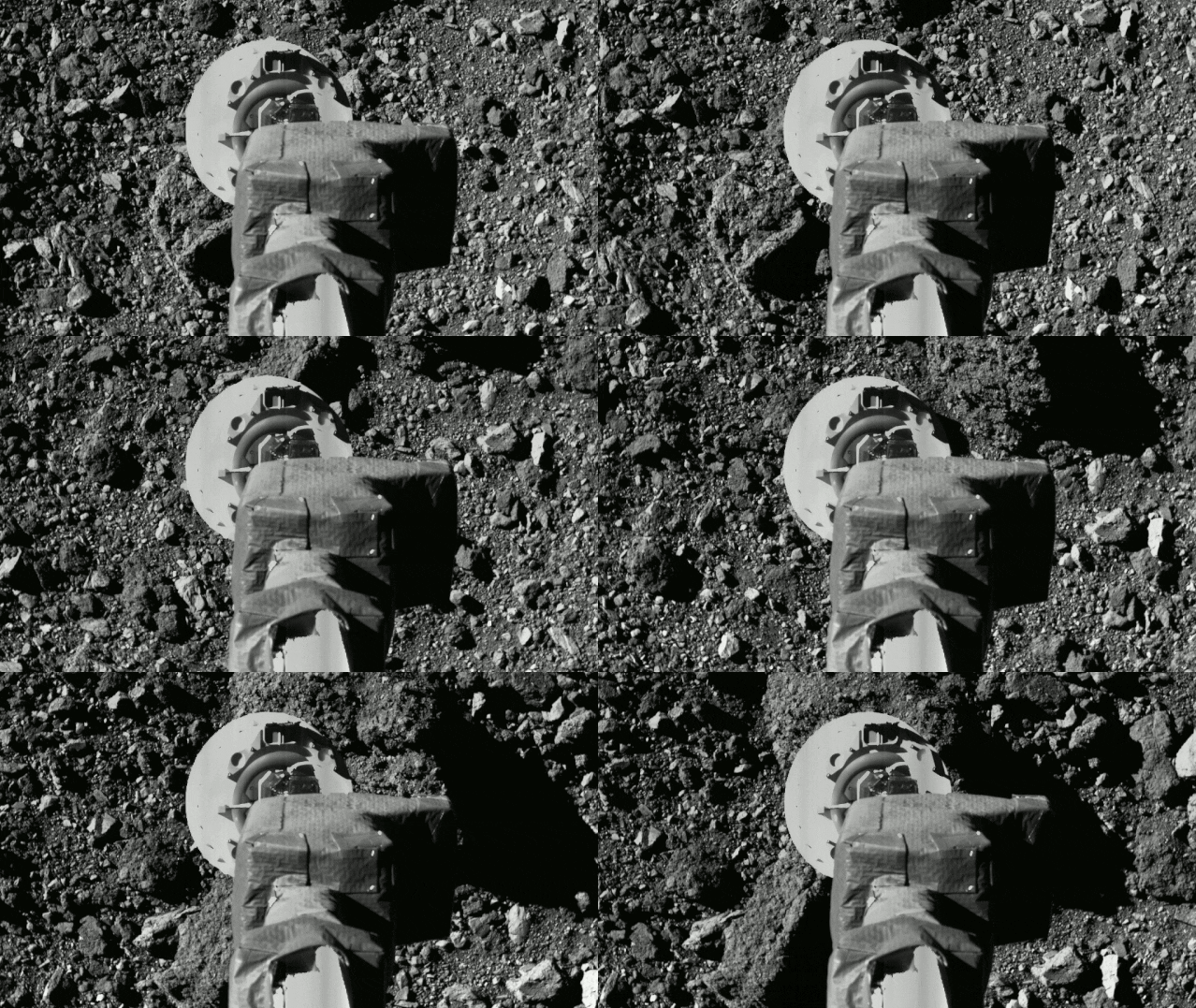
NASA’s OSIRIS-REx asteroid-sampling mission formally ended on Sept. 30, 2026, though scientists will continue to study the pieces of space rock it returned for decades.

In March 2028, the UAE is set to launch an ambitious mission to the asteroid belt between Mars and Jupiter that will culminate with a landing attempt on a mysteriously reddish space rock.

I’ve seen two total solar eclipses and have been duly impressed by what happens as the moon casts its shadow on Earth. But recently I’ve become even more intrigued by a similar phenomenon that doesn’t involve the sun or the moon—something called an as…

It started as a routine data-quality check. But as Robert Wagner, a scientist with NASA’s Lunar Reconnaissance Orbiter (LRO), scanned a giant Moon map on his computer screen, an unusually large bright spot circled by a dark halo caught his eye, as it implied that surface material in that area had been shaken up. “I […]
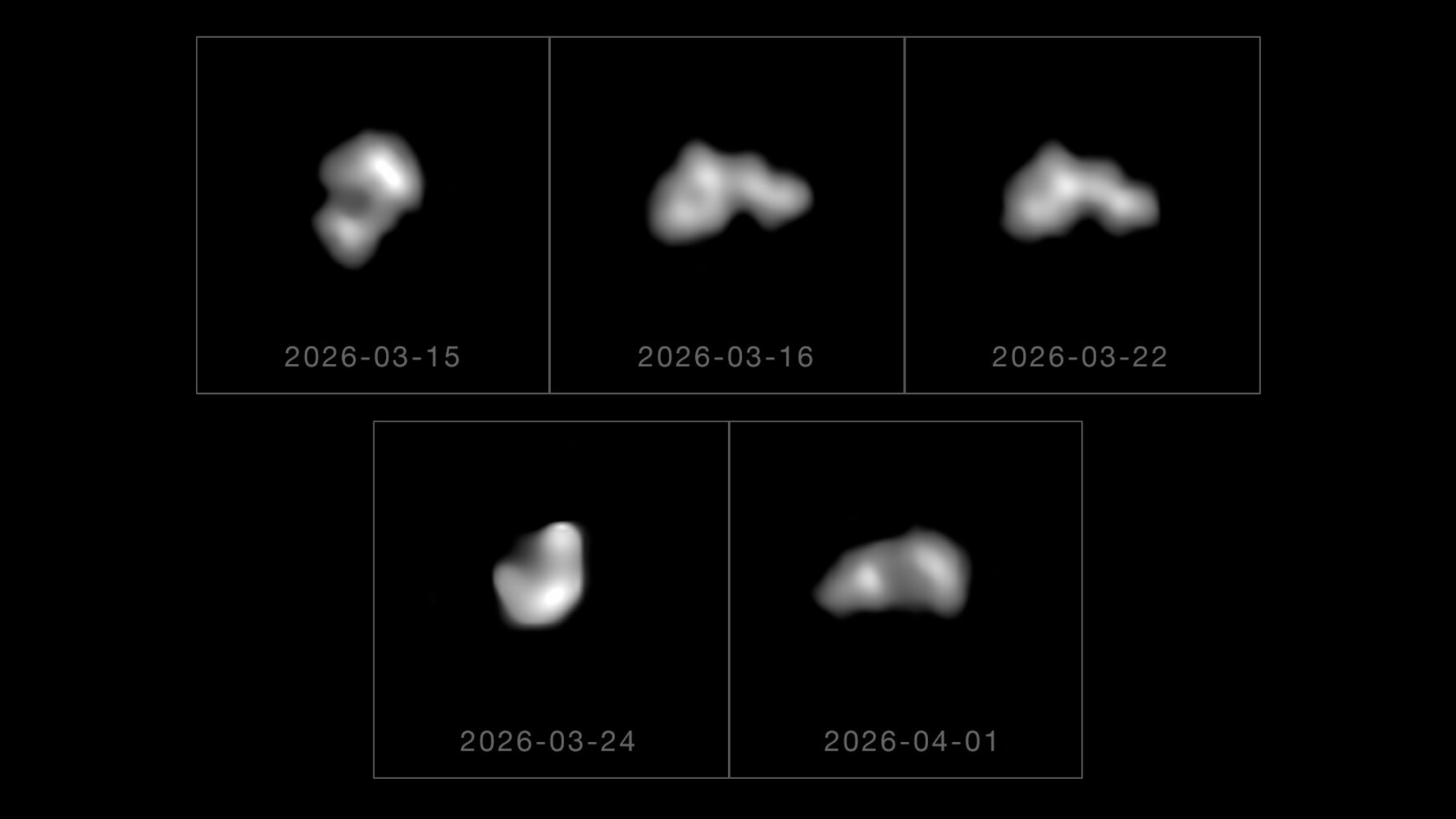
New images reveal what astronomers believe is the first-known “trilobate” or three-headed asteroid in our solar system.
The dinosaurs may not have starved through a years-long winter. New evidence suggests a blanket of ultrafine impact dust set the planet on fire within hours.
Sophisticated high-contrast imaging has revealed asteroid 44 Nysa to have three lobes and a small moon.
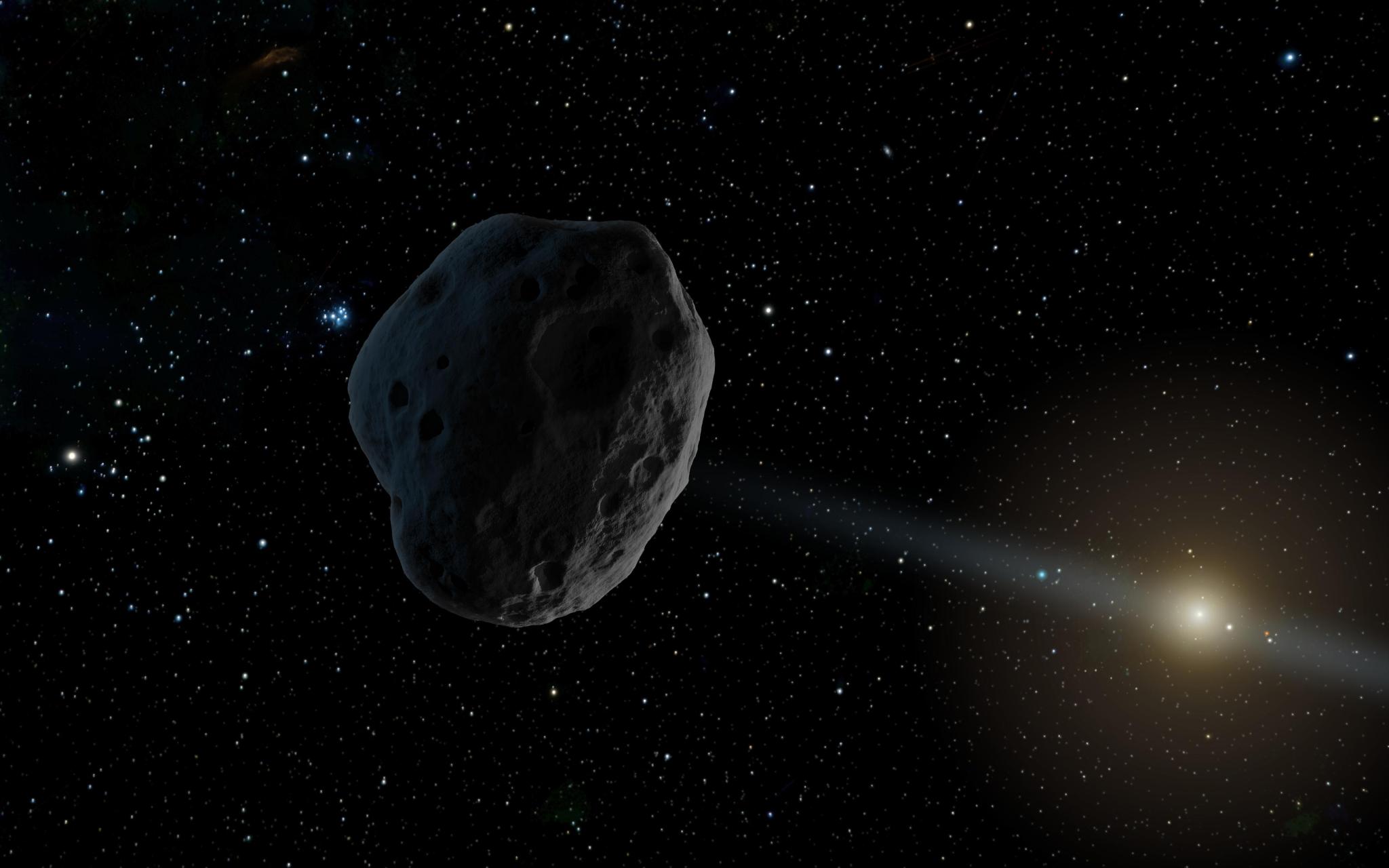
New research led by scientists at NASA’s Jet Propulsion Laboratory in Southern California has revealed the identity of a puzzling near-Earth object by precisely tracking its motion through space and using powerful observatories that image faint celestial objects. This object has a dual personality: Past images hadn’t revealed obvious cometlike activity, suggesting it might be […]
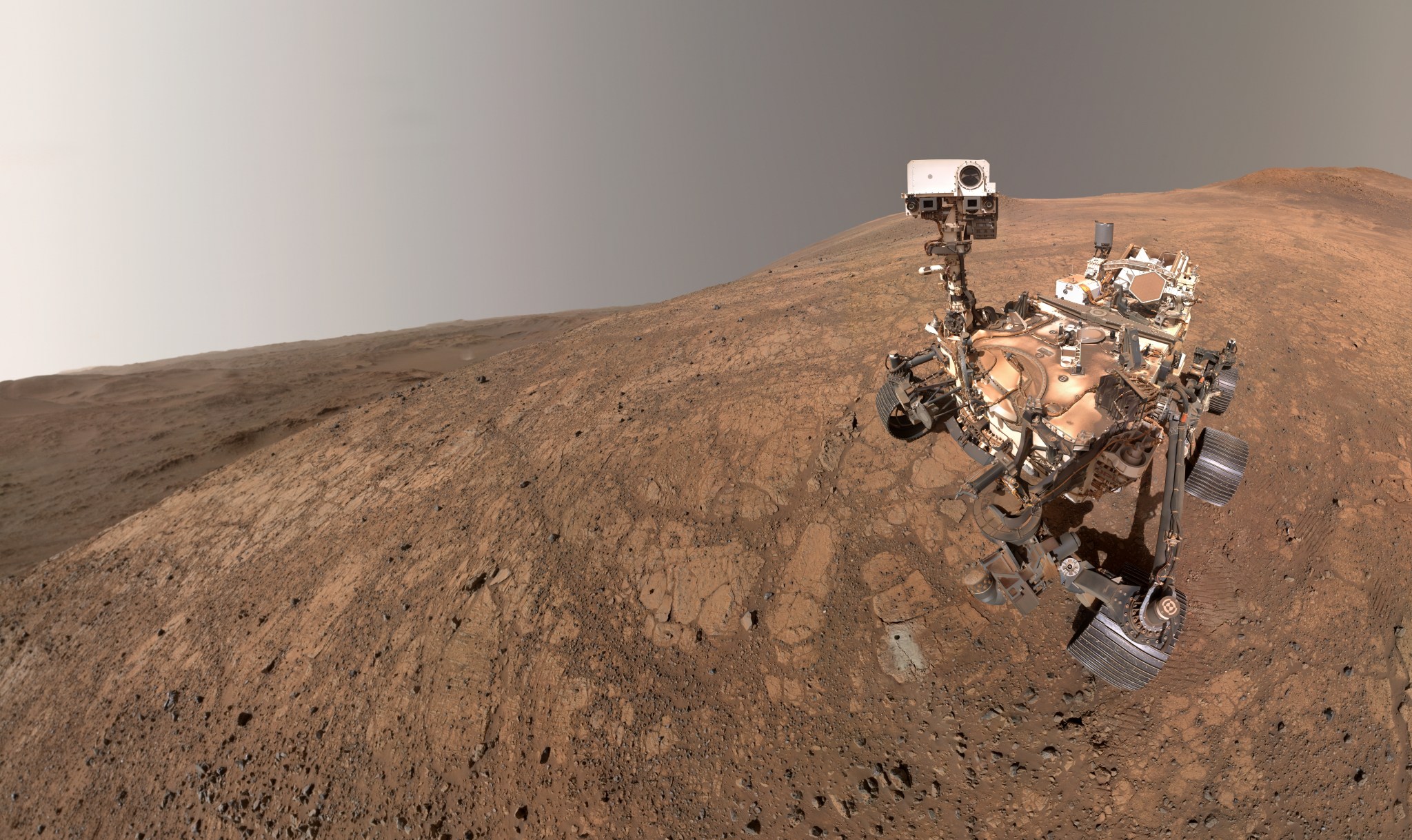
NASA’s Perseverance Mars rover has uncovered evidence that a 245-foot-thick (75-meter-thick) stack of ancient rock on the rim of Jezero Crater was built by repeated asteroid impacts. Referred to as the “Broom Point member” by the rover’s science team, this sequence of layered bedrock is likely more than 3.9 billion years old, making it among […]
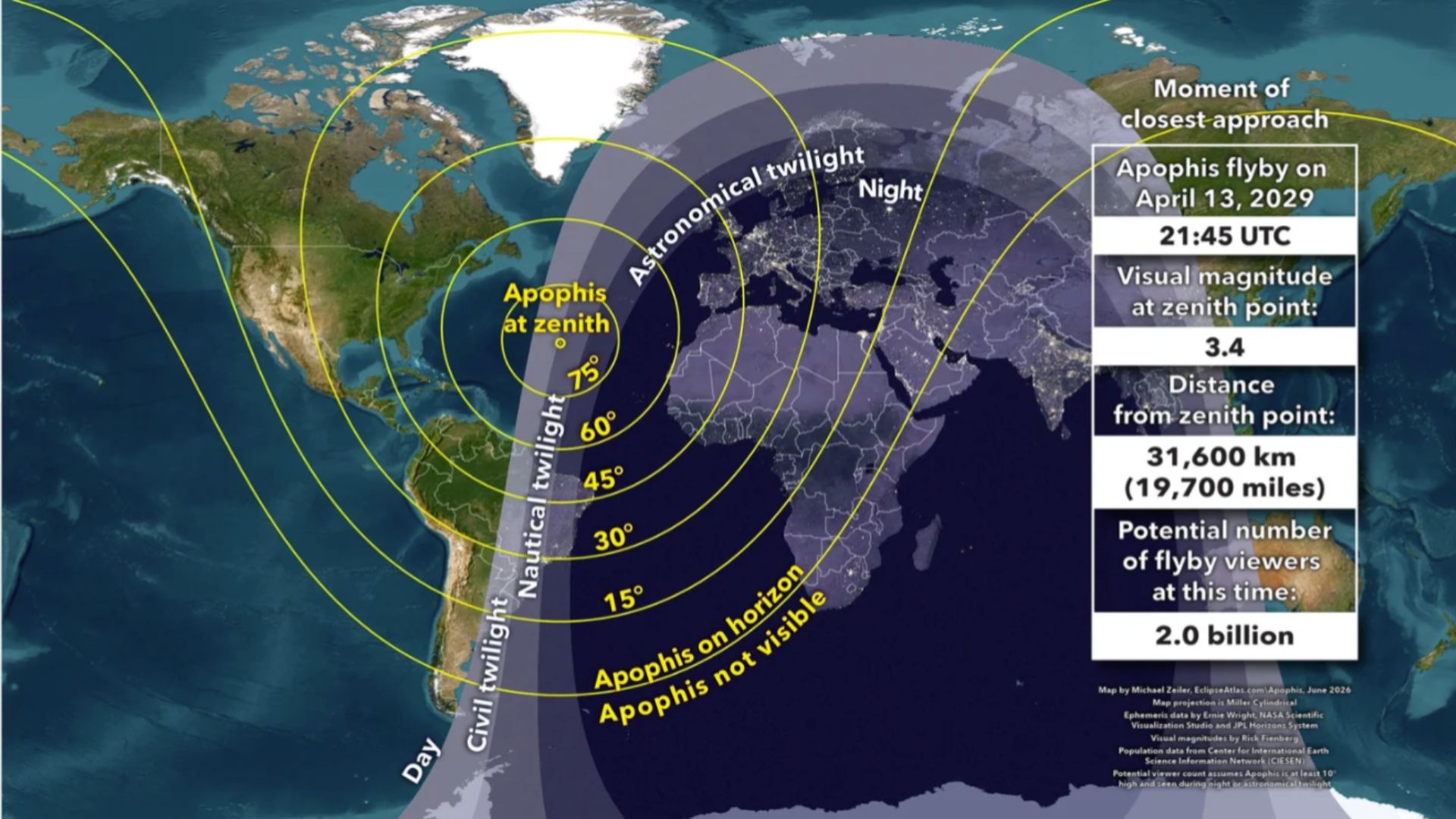
Ninety percent of the world’s population could glimpse asteroid Apophis during its once-in-a-millennium close approach to Earth in 2029.