A citizen science project is seeking volunteers to comb through NASA telescope data for telltale signs of the galaxy’s hidden black holes.
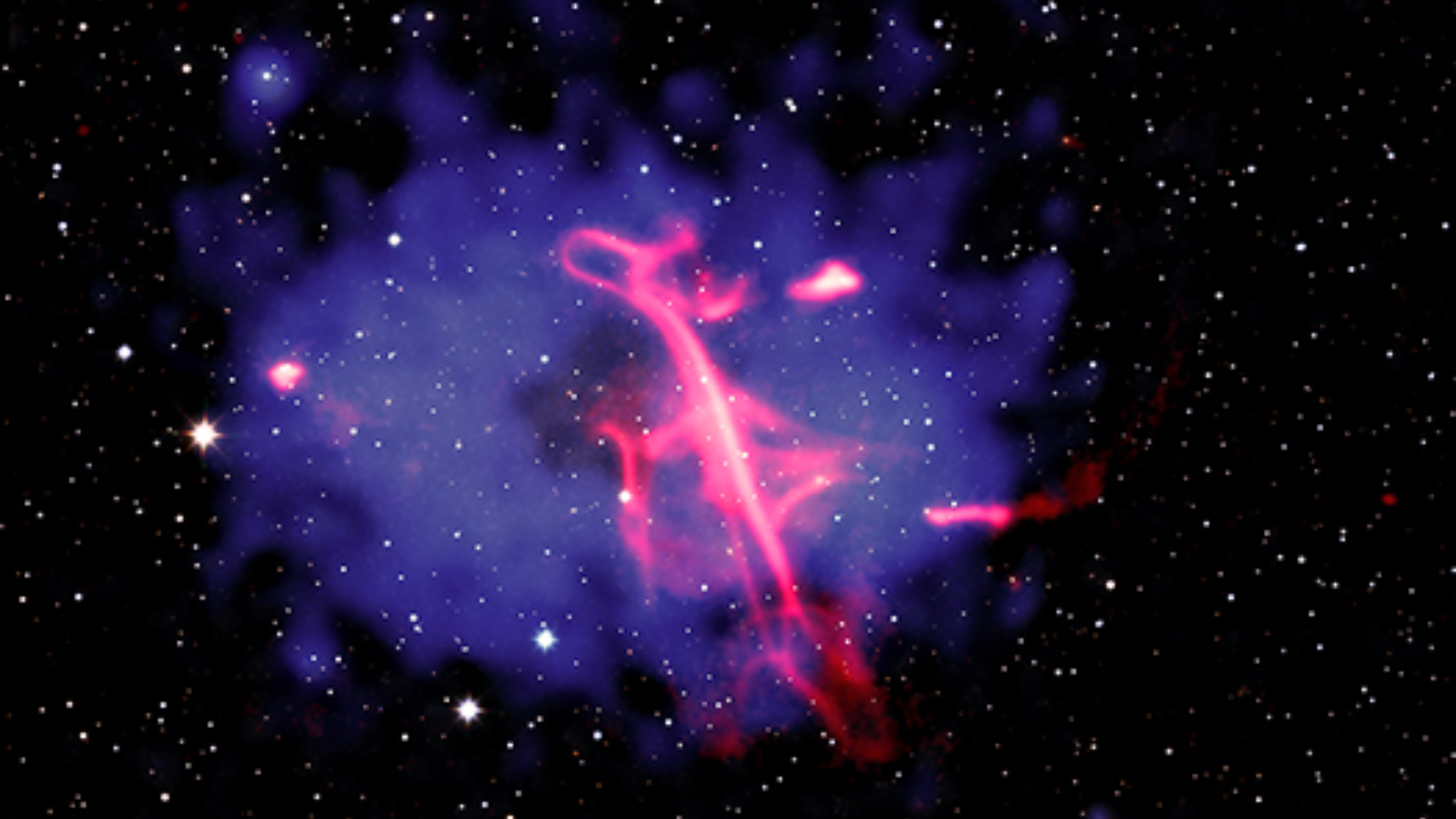
What looks like a neon pink treble clef floating out in space is actually a bizarre source of radio waves spotted deep in the cosmos.

Astronomers have used NASA’s Chandra X-ray Observatory to break down the cause of a remarkable formation of radio waves they have nicknamed the “Treble Clef” because its distinct shape strongly resembles the musical symbol. The researchers discovered the Treble Clef is likely caused by an outburst from a supermassive black hole, followed by a collision […]
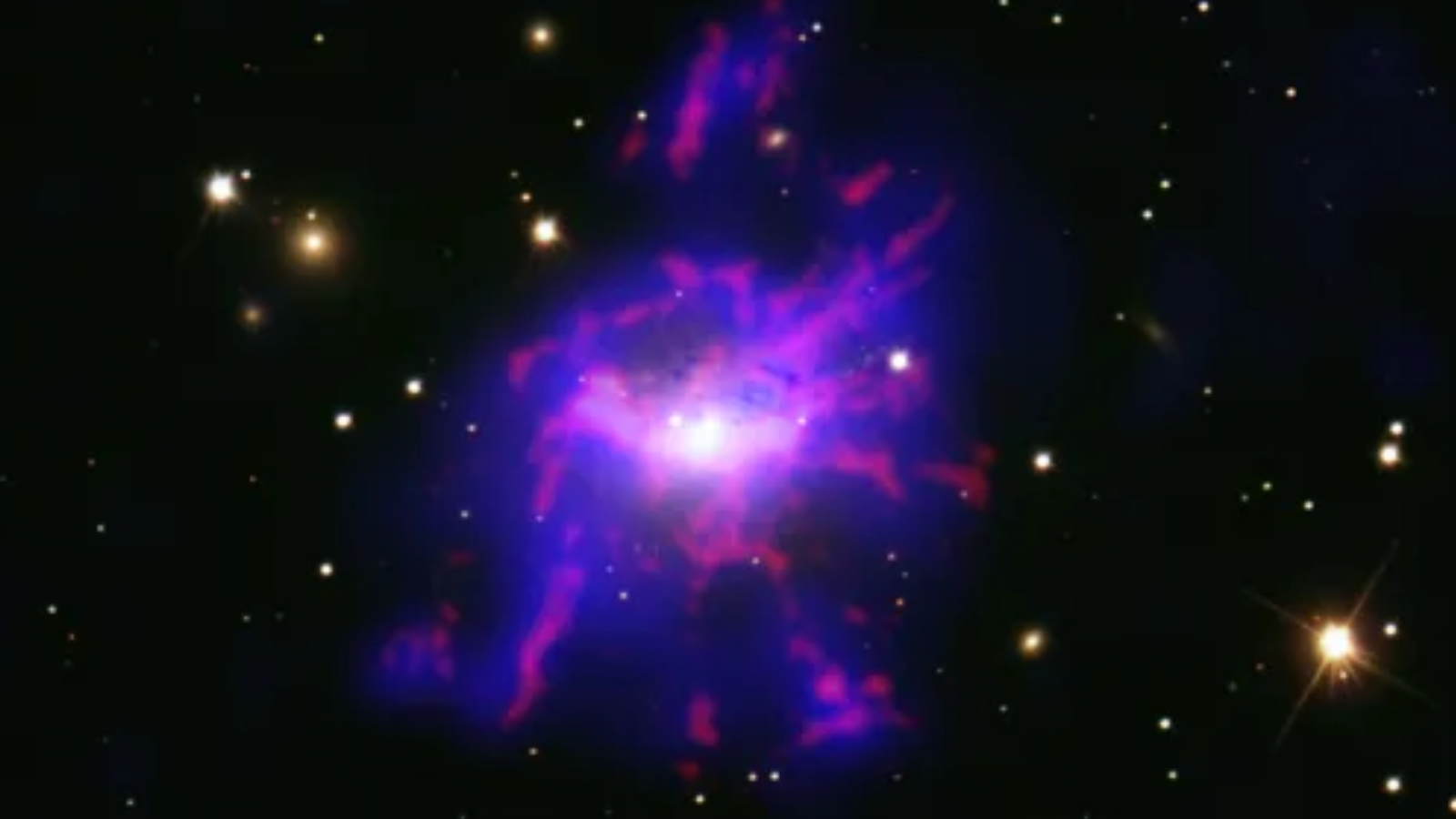
Using the NASA spacecraft Swift, astronomers observed a supermassive black hole burping radio jets 300 days after a heavy cosmic meal.
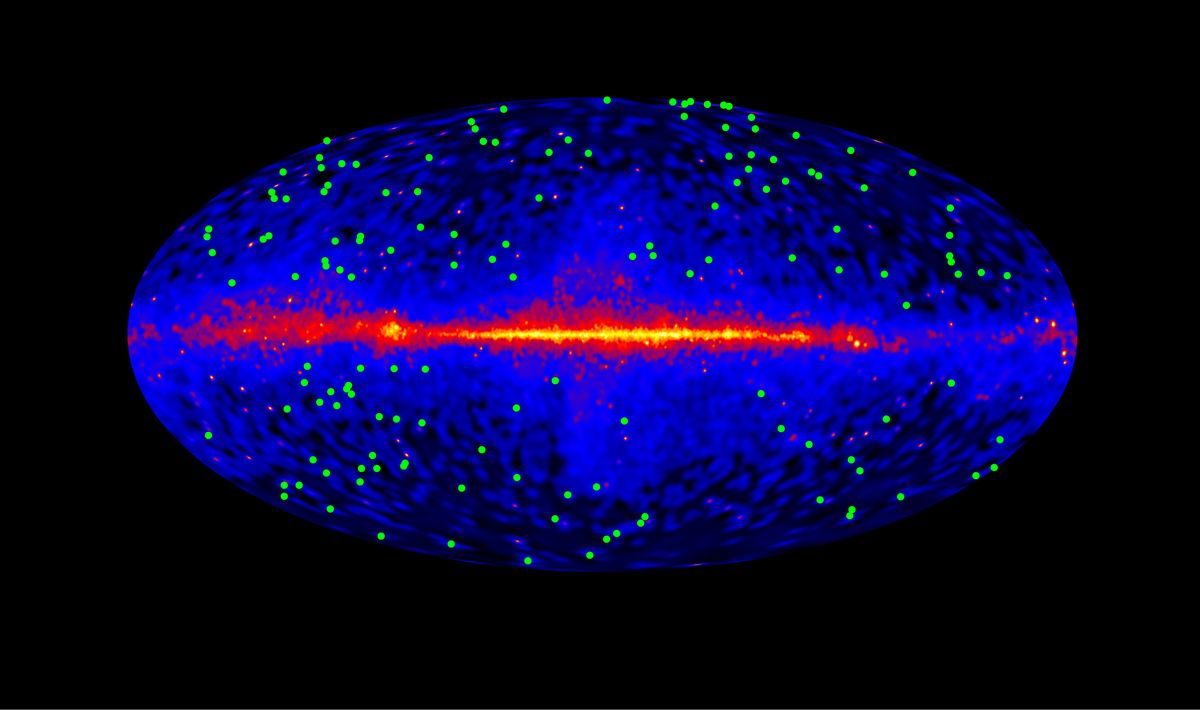
Astronomers have discovered the most distant and earliest blazar, an erupting supermassive black hole aiming its plasma jets directly at Earth.

A commercial mission to boost NASA’s Swift observatory concluded without raising the spacecraft’s orbit, but the agency and industry vendor gained valuable experience that will benefit future in-space servicing programs.
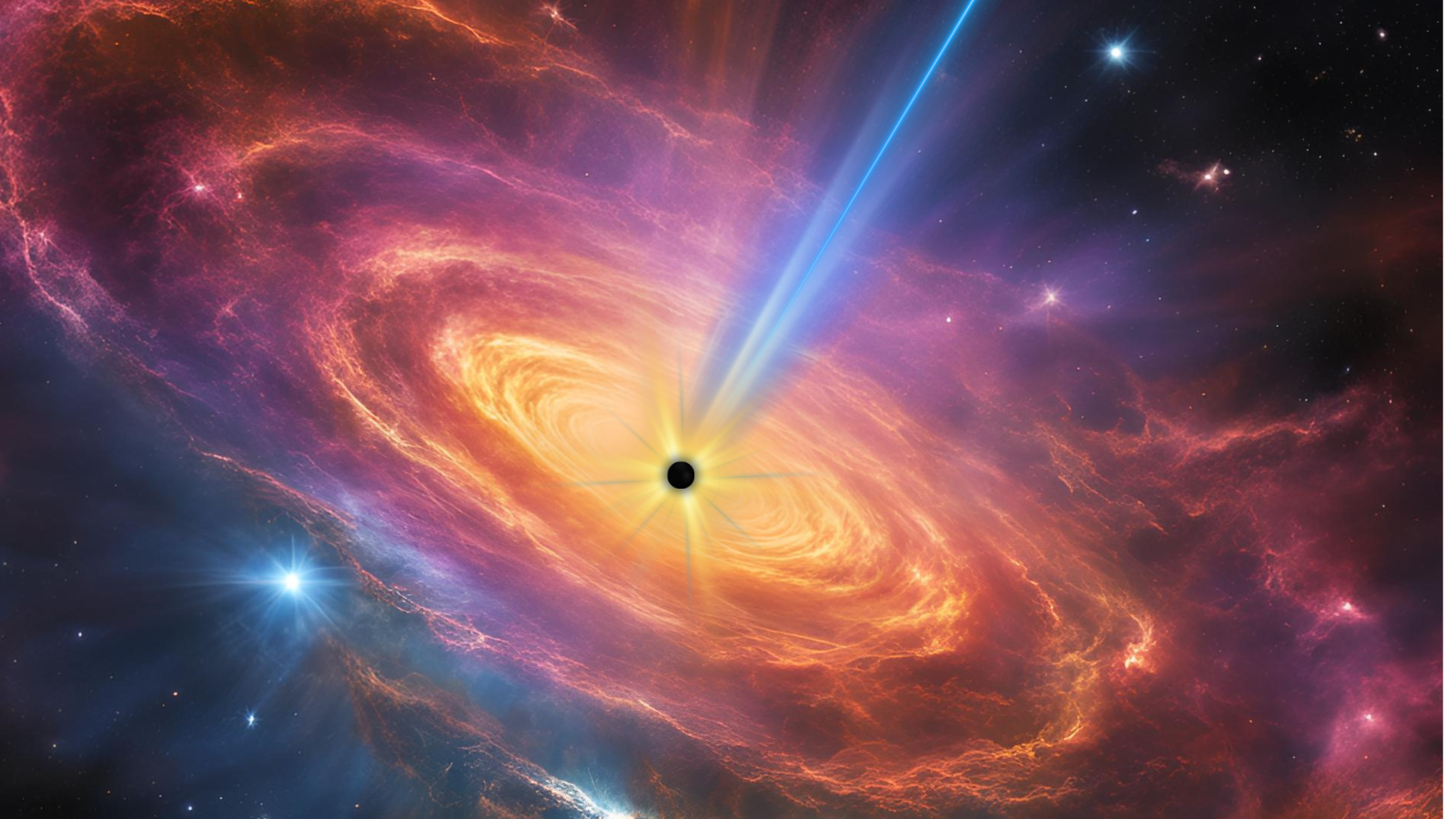
Though their origins may be shrouded in mystery, fast radio bursts could be used to probe some of the universe’s biggest puzzles, including the nature of dark matter and dark energy.
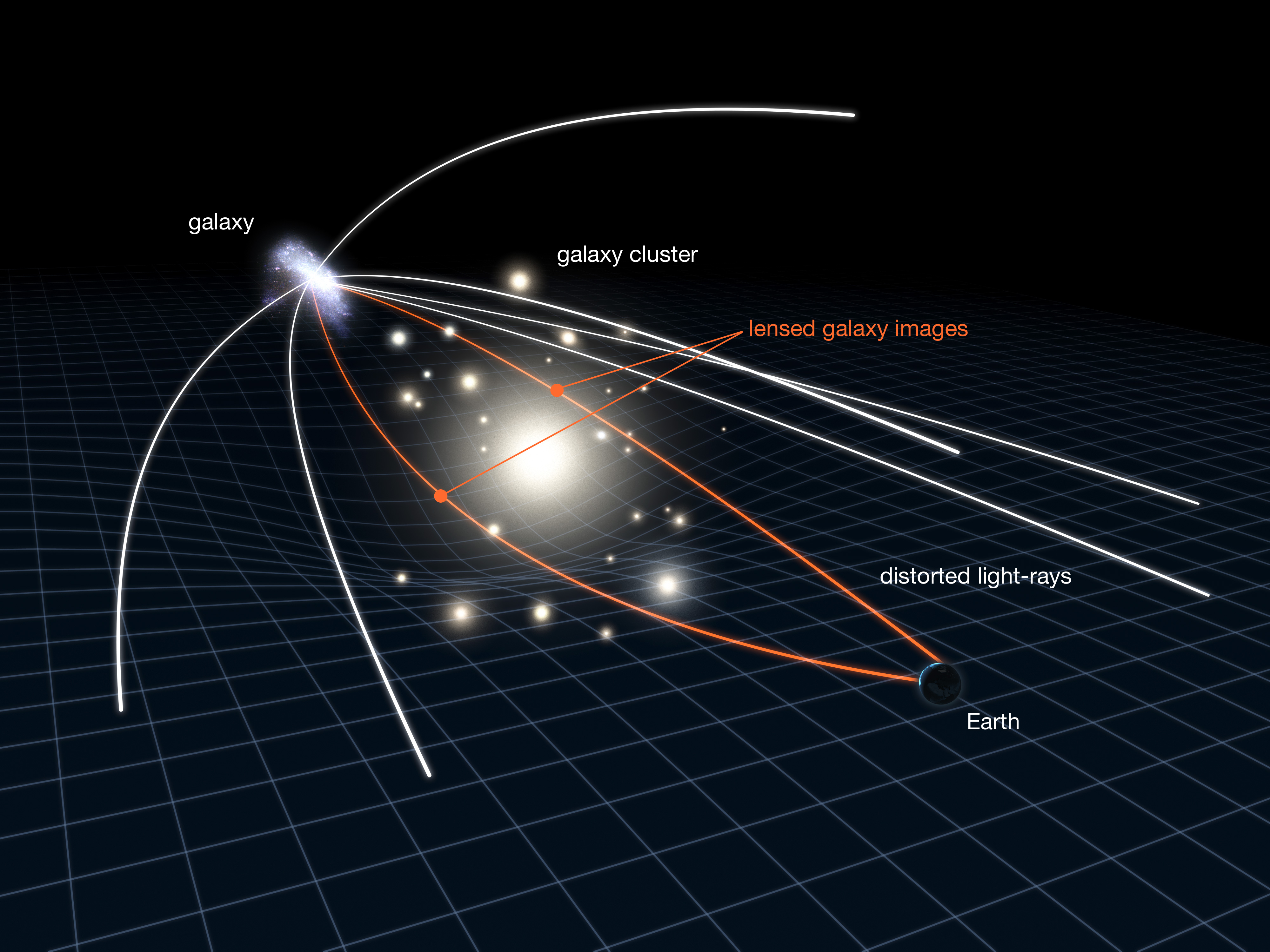
A “forbidden” merger between two black holes may not have been quite as impossible as previously thought. New research that suggests the black holes involved were smaller than first calculated.
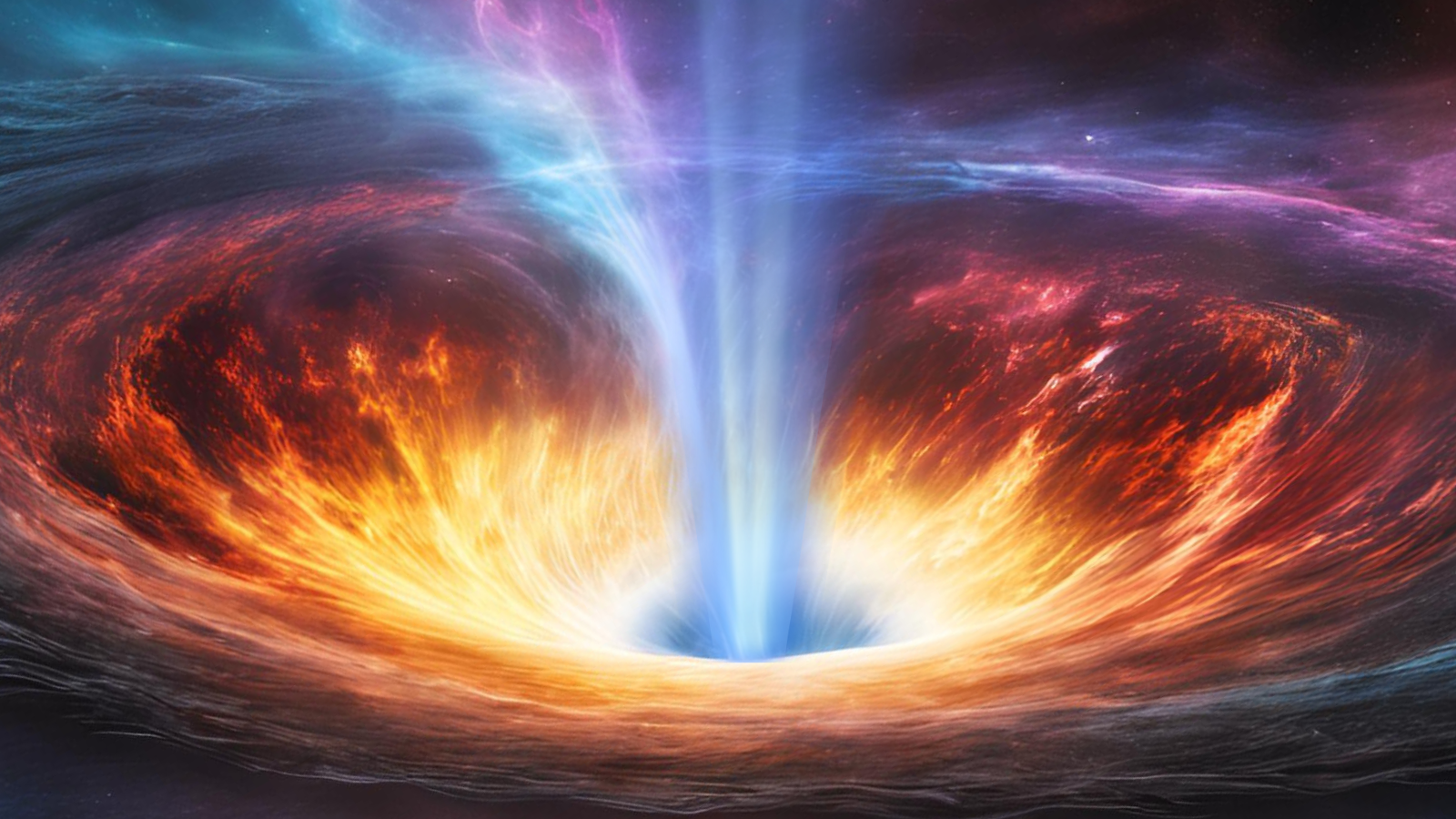
Over massive supermassive black holes too big for early galaxies and detected by the James Webb Space Telescope may not be quite so massive after all.
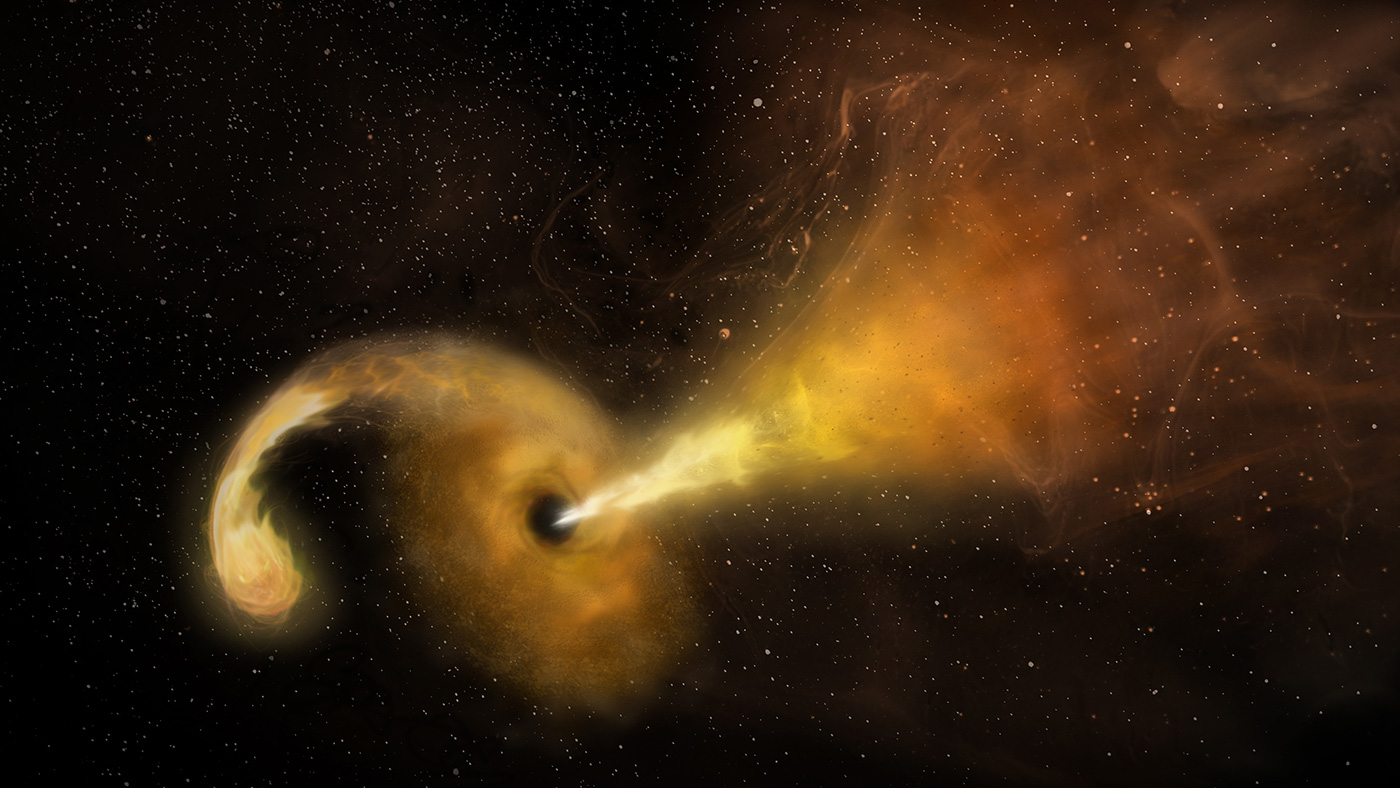
Some stars encounter supermassive black holes and live to tell the tale. New research shows why the flares these encounters cause dim over repeated episodes.