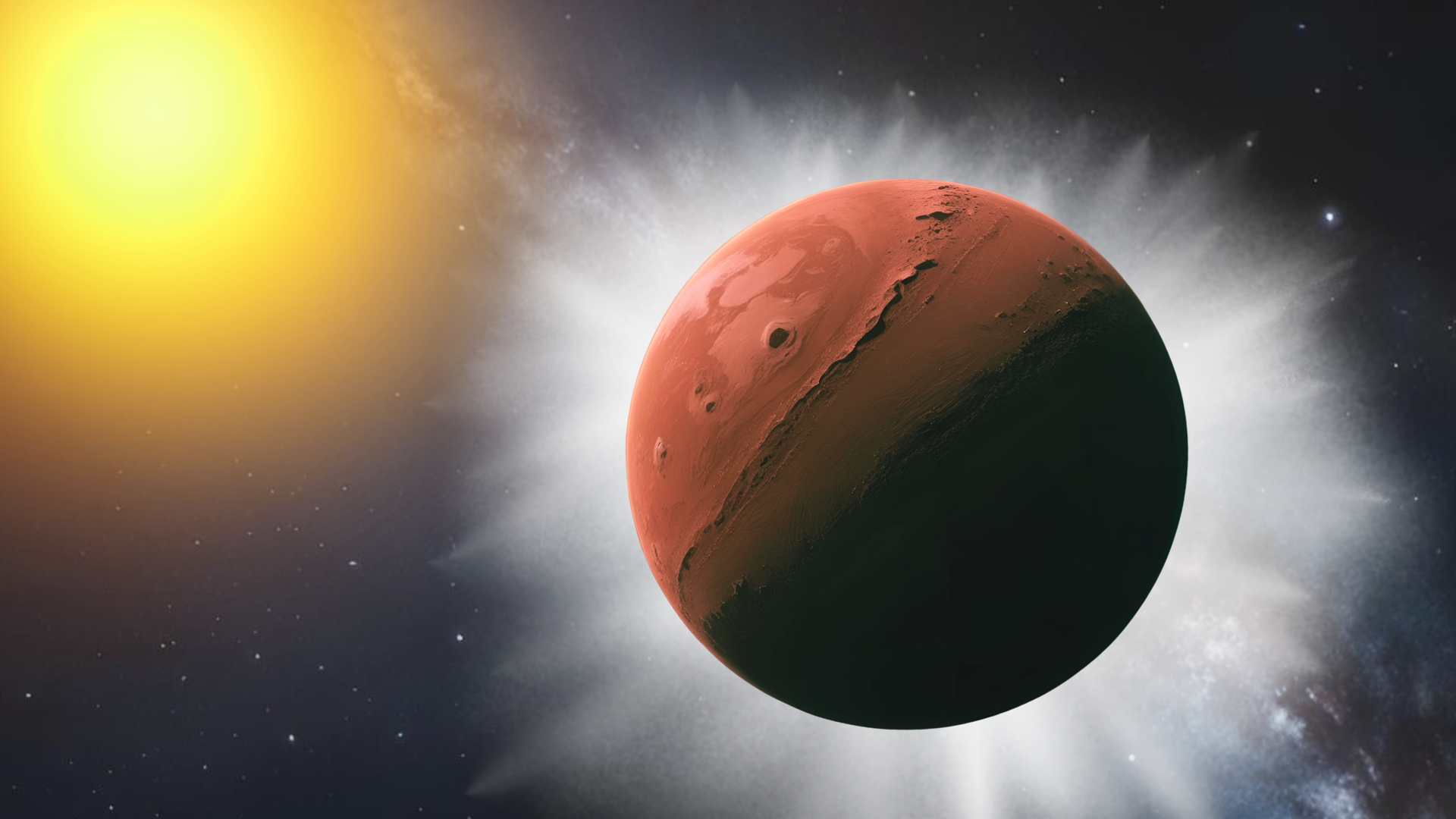
Using data from the James Webb Space Telescope, astronomers have unravelled some of the secrets of a bizarre, blisteringly hot exoplanet that has the consistency of marshmallow.
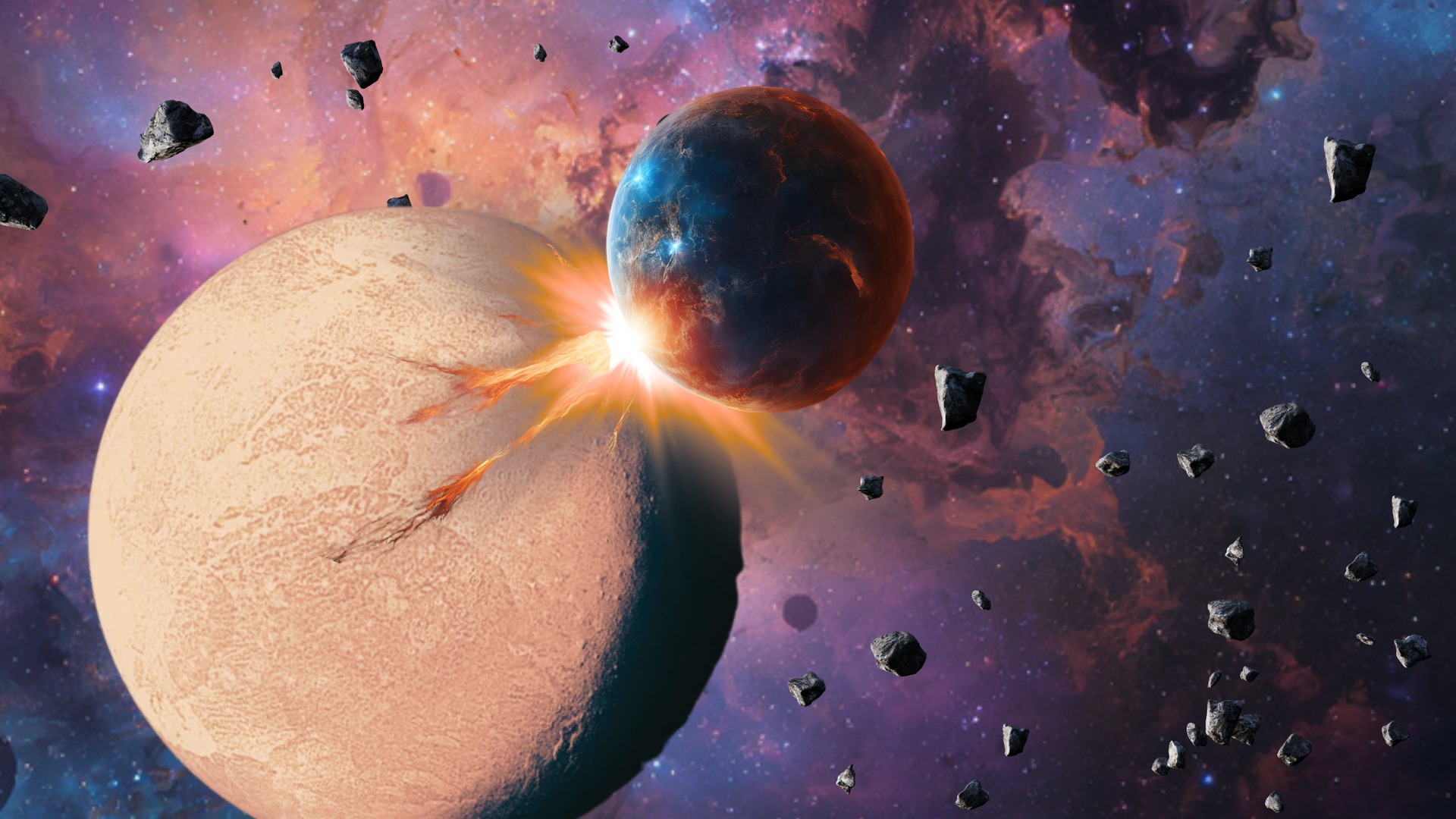
Scientists have performed a cosmic genealogy on planetary systems in the Milky Way, finding two distinct families that influence the evolution and fate of these systems.

New analysis of archival Hubble data points to the possibility of “dead” white dwarf stars hosting second-generation planetary systems.
That’s one big baby.

“When you look up at the night sky, most of those stars have planets.”
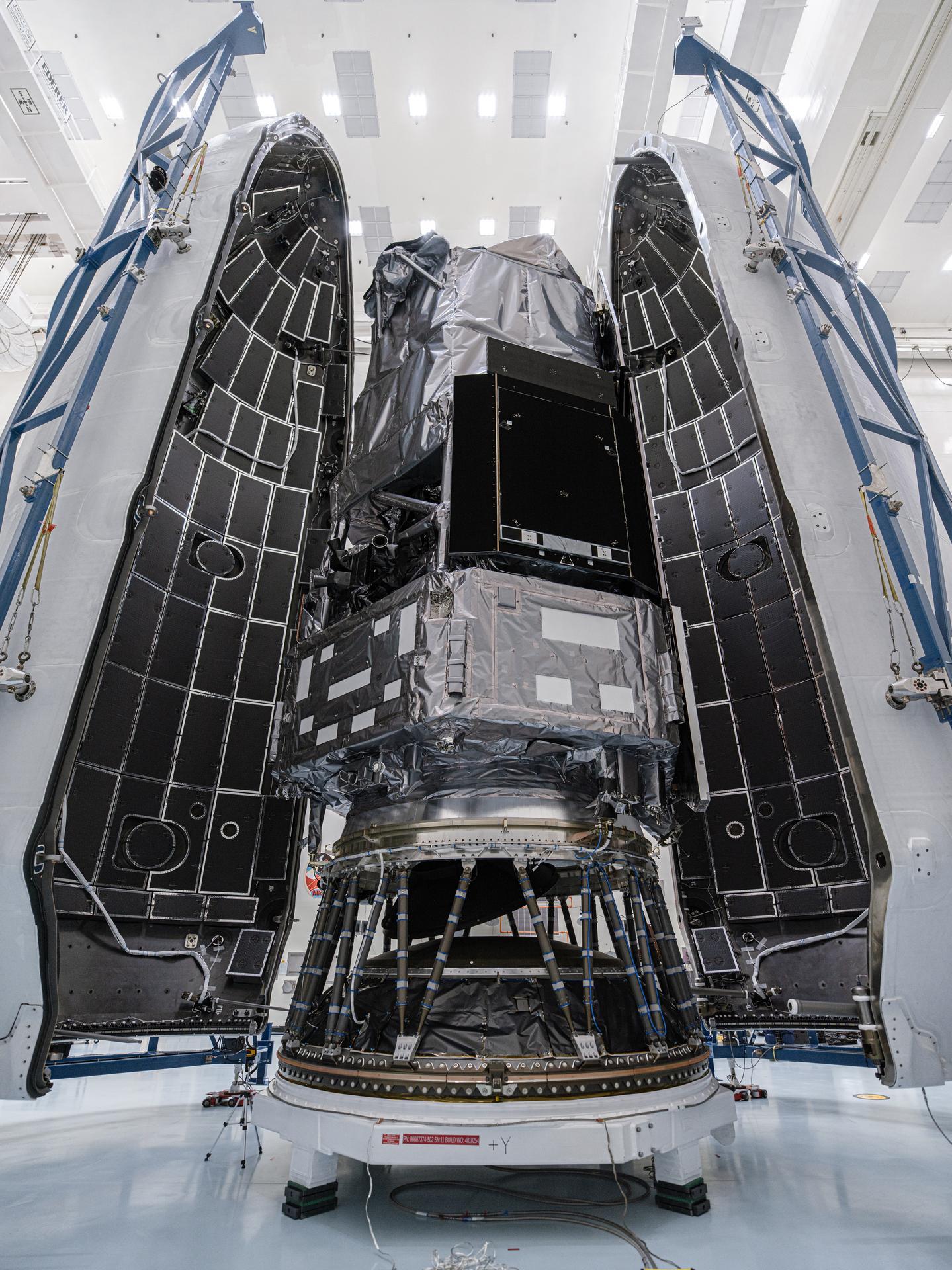
NASA’s Nancy Grace Roman Space Telescope is set to launch at 7:26 a.m. EDT on Sunday, Aug. 30. While you wait to watch the launch, brush up on some key facts about this wide-view mission. To learn more about the Roman mission, visit: https://www.nasa.gov/roman Media contact: Claire AndreoliNASA’s Goddard Space Flight Center, Greenbelt, Md.claire.andreoli@nasa.gov301-286-1940
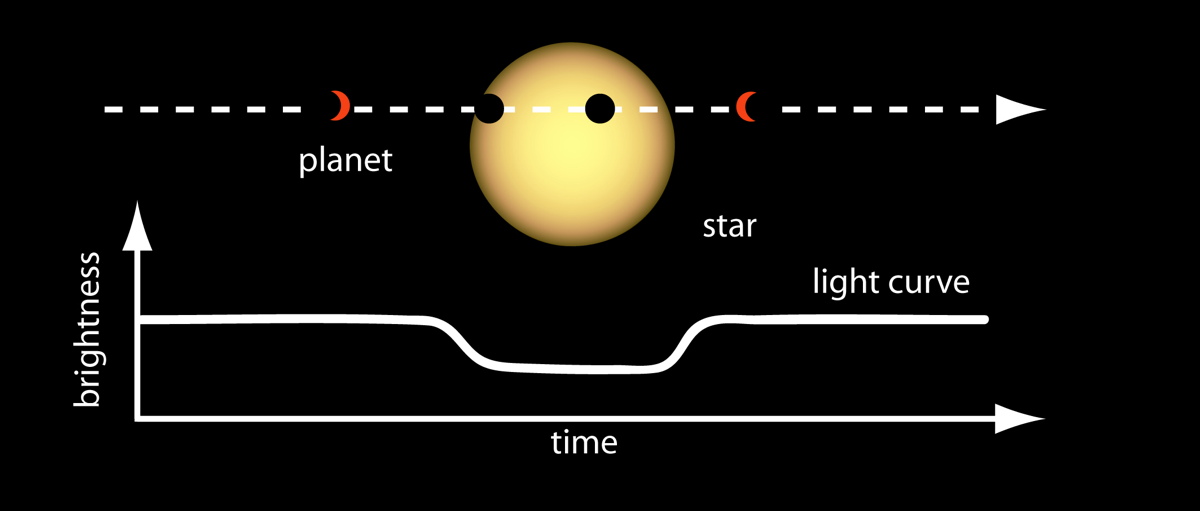
A newly discovered water dominated exoplanet is in hot-water literally and figuratively, it orbits so close to its parent star it is headed to a fatal collision that will see it devoured.
“This isn’t what we expected at all.”
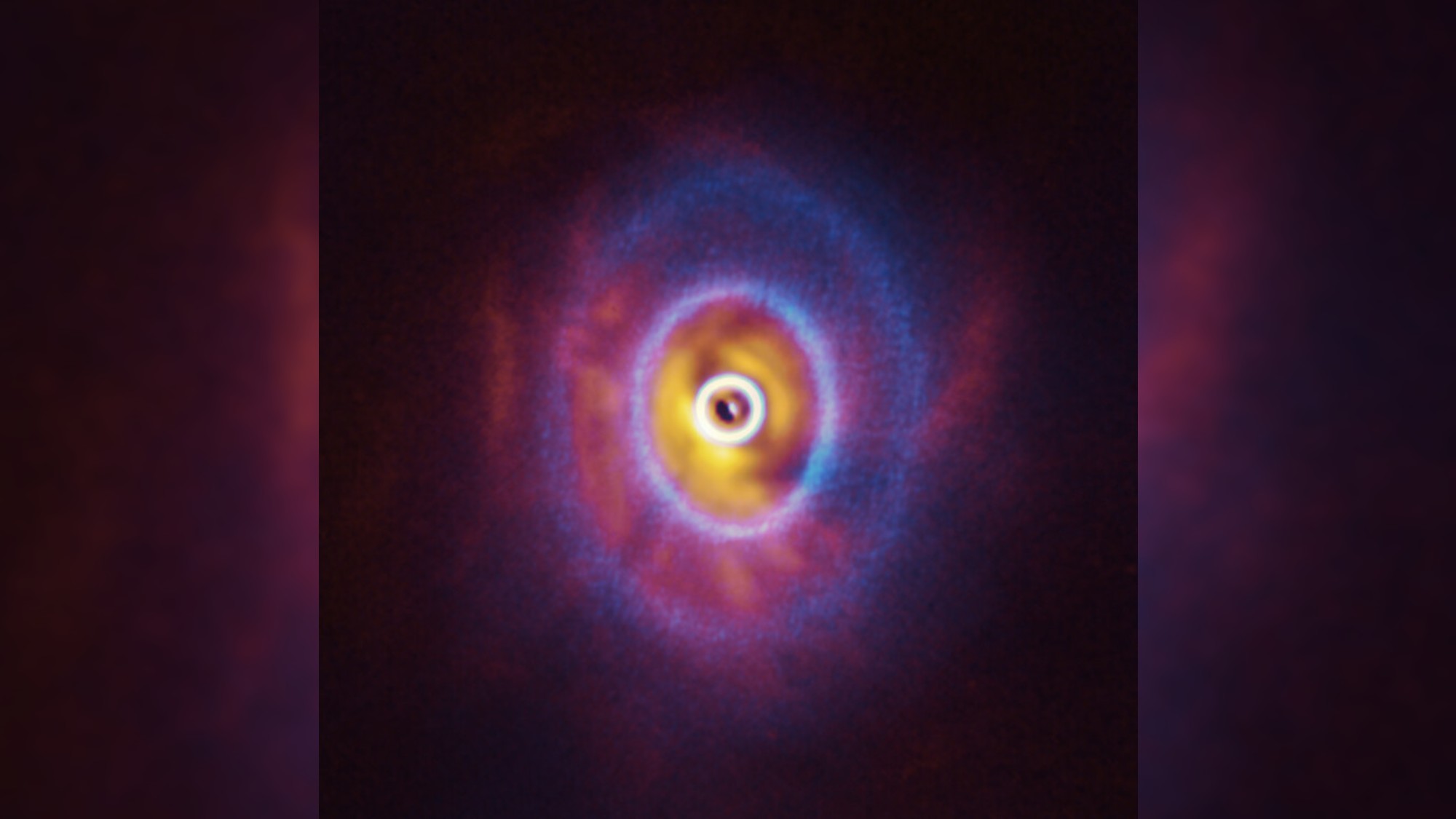
A river of gas over a trillion miles long is streaming onto a young planet-forming system and is tipping it over.
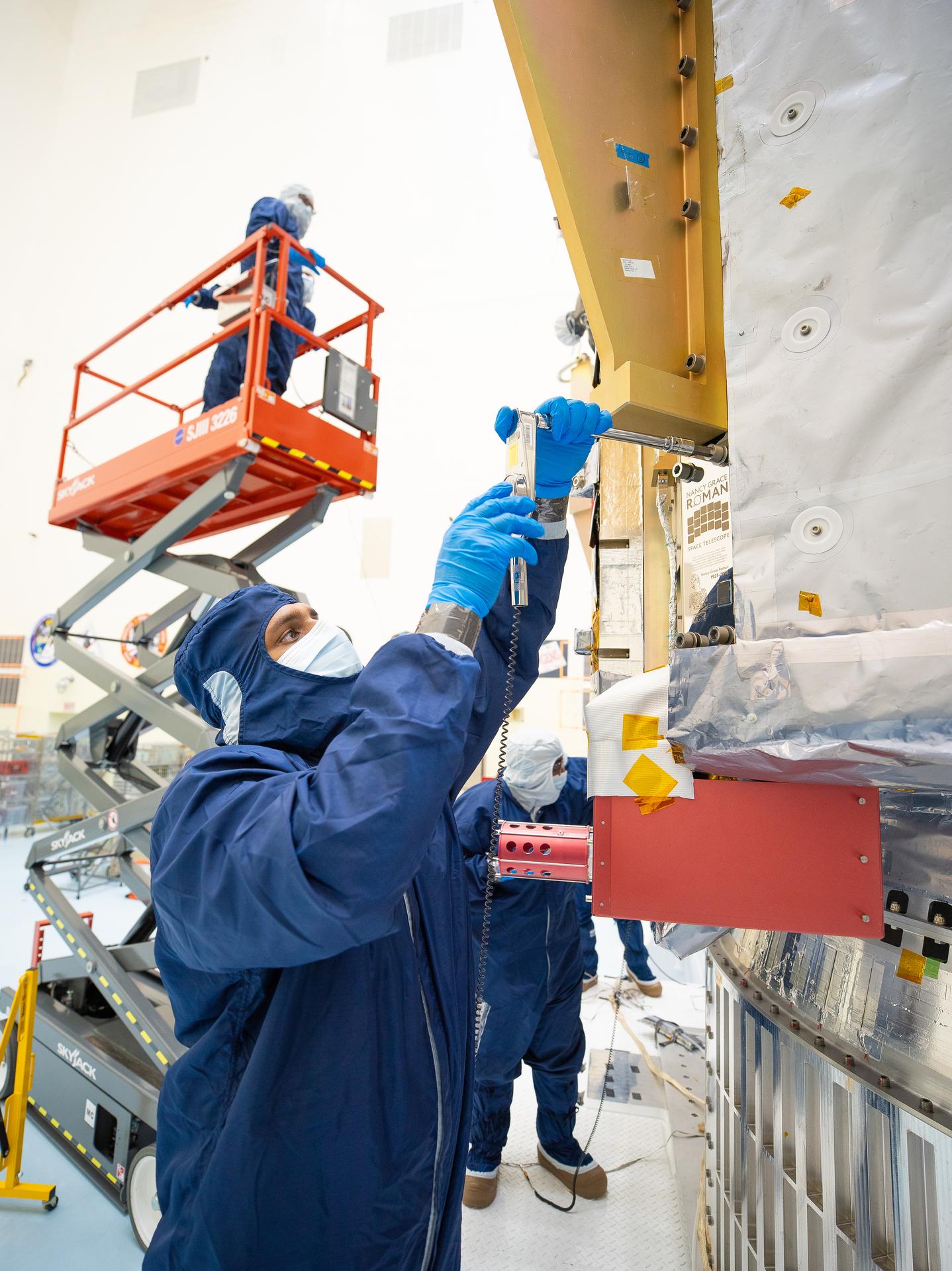
On July 27, technicians at NASA’s Kennedy Space Center in Florida installed a memory card containing 1,350,144 names as part of a commemorative plaque on the Nancy Grace Roman Space Telescope. The names were submitted by people globally, including astronauts from Artemis II and Artemis III. The memory card will travel with the Roman observatory […]