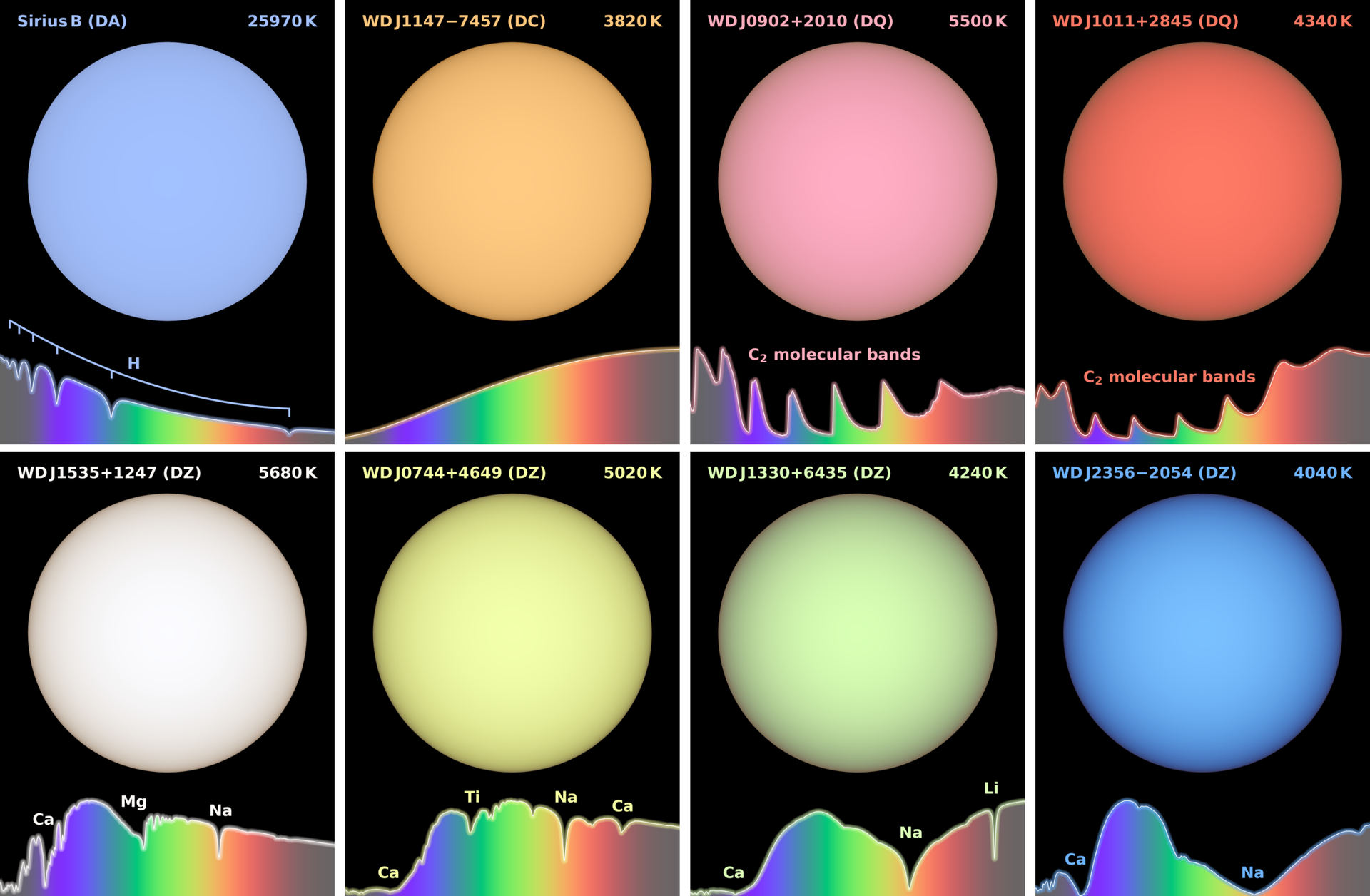
Imagine if the sun could take on a spooky green glow for Halloween. Scientists have discovered that our star may go green if it turns into a cosmic zombie after its death in billions of years.
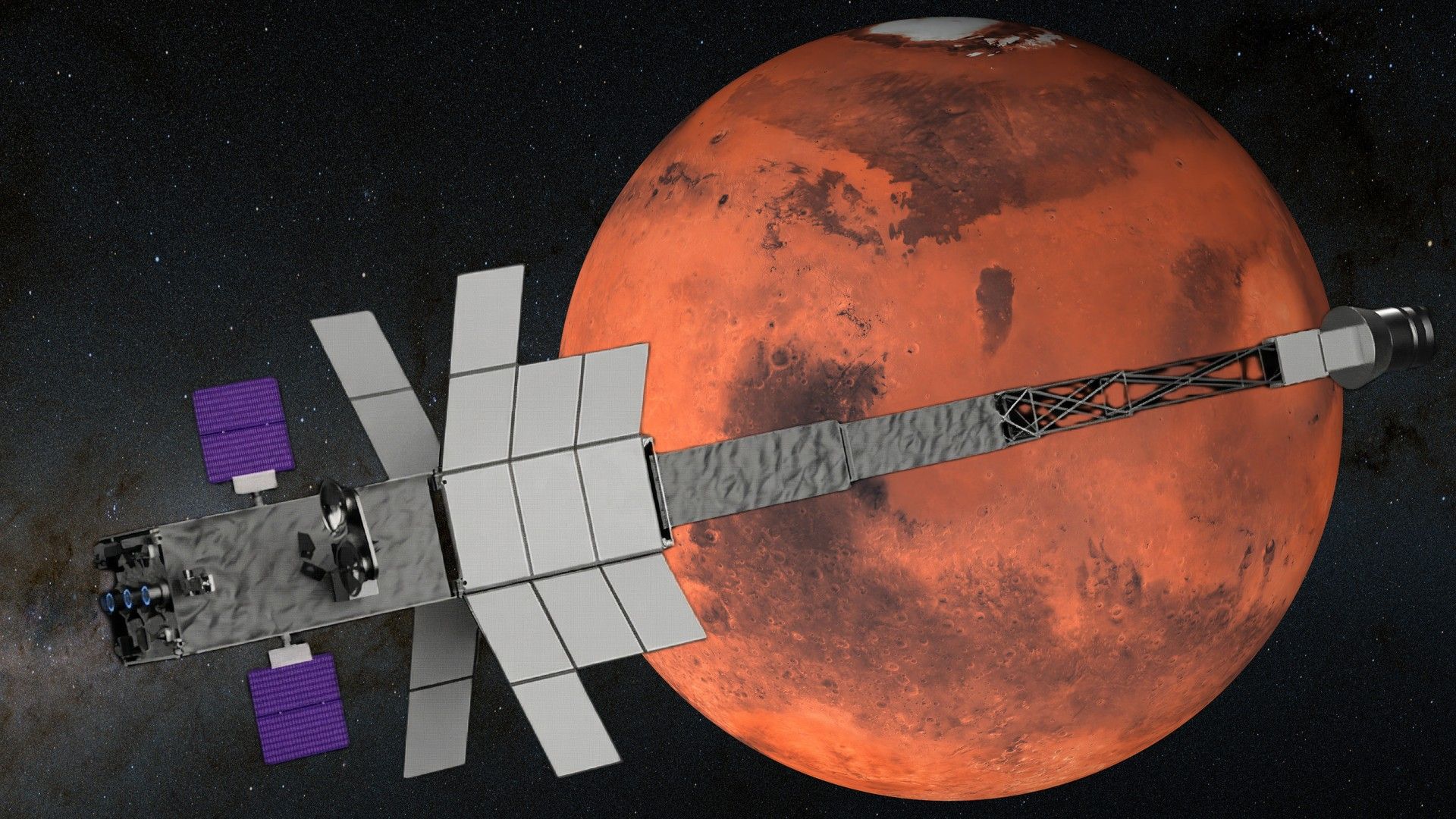
“Just like here on Earth, Mars helicopters can cover distance quickly and can go places that might be impossible to reach by ground.”
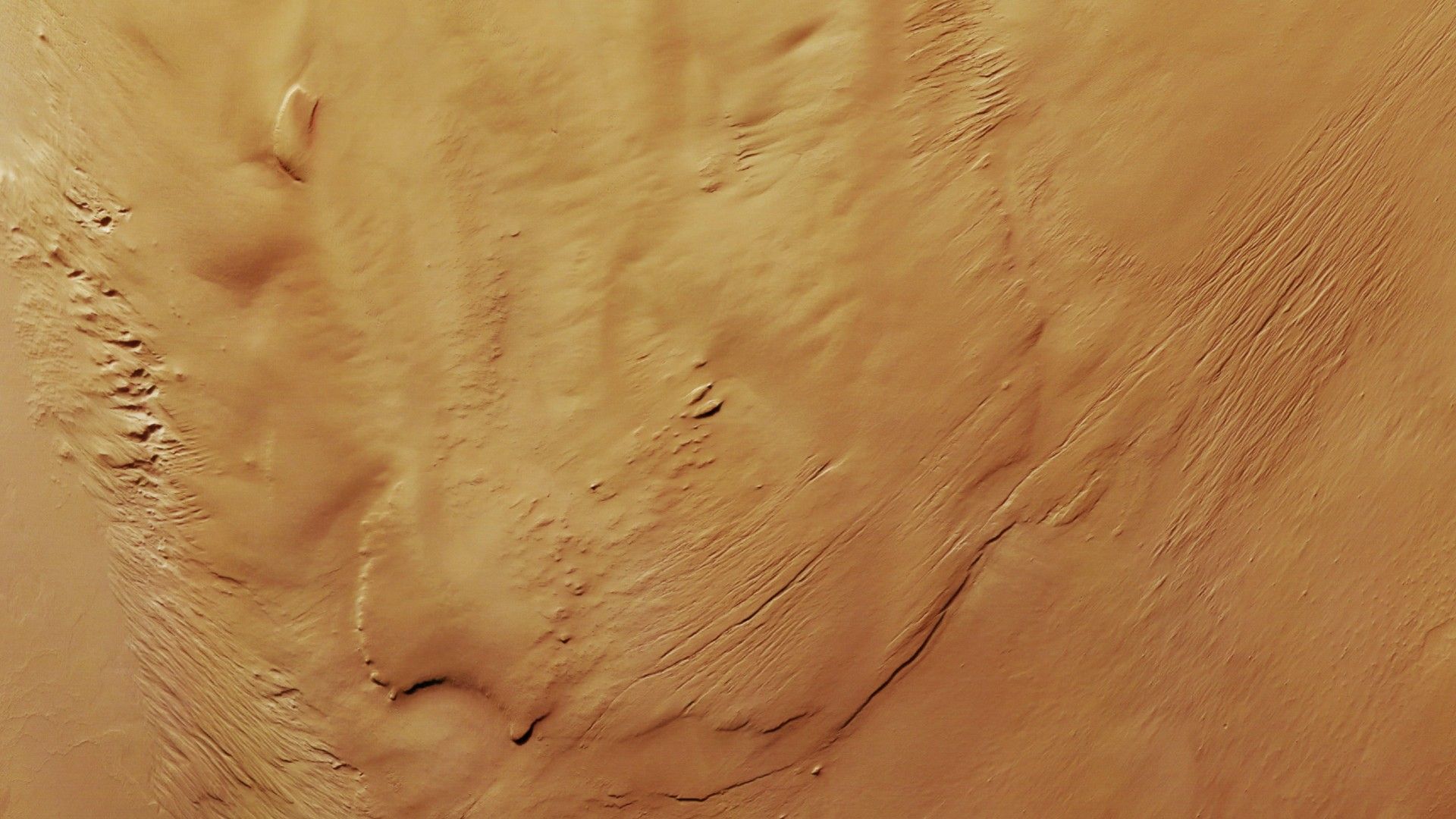
Martian sands blown by strong winds left rippled ridges on the surface of the Red Planet, as seen in this new image from the Mars Express spacecraft.
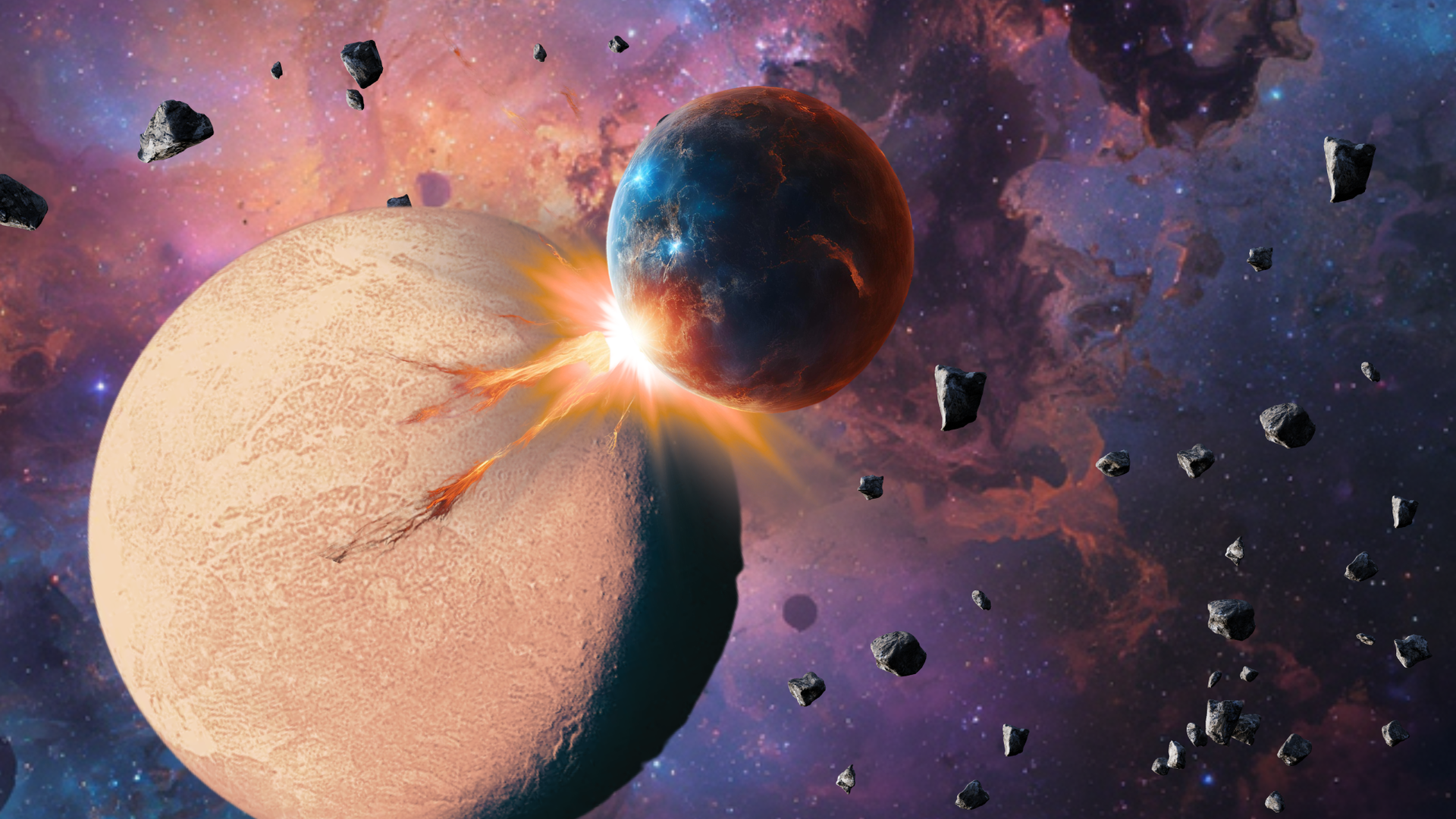
Scientists have performed a cosmic genealogy on planetary systems in the Milky Way, finding two distinct families that influence the evolution and fate of these systems.
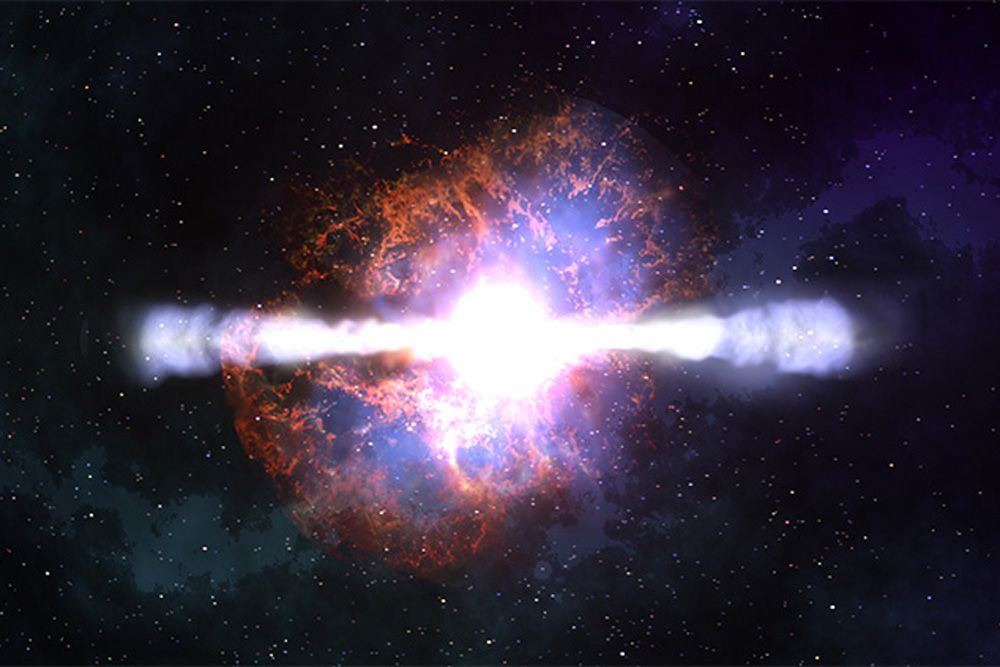
Scientists have discovered that some of the universe’s most powerful explosions, hypernovas, may not happen at all.
The location of Earth’s geographic poles has changed several times over the past 320 million years in a process known as true polar wander.
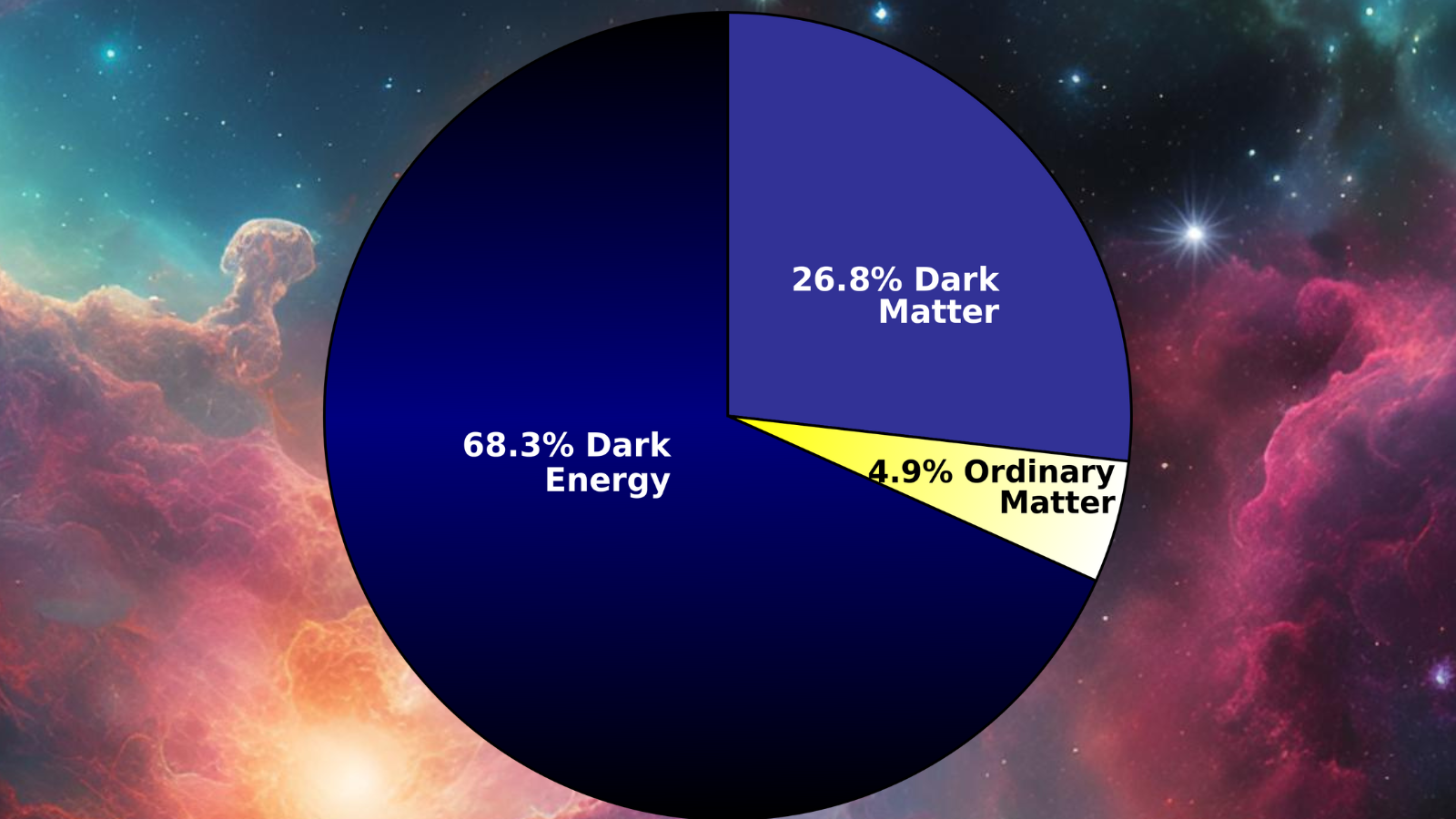
Hydrogen may be the most common element in the cosmos, but scientists could use it to do something unique: uncover the nature of dark energy.
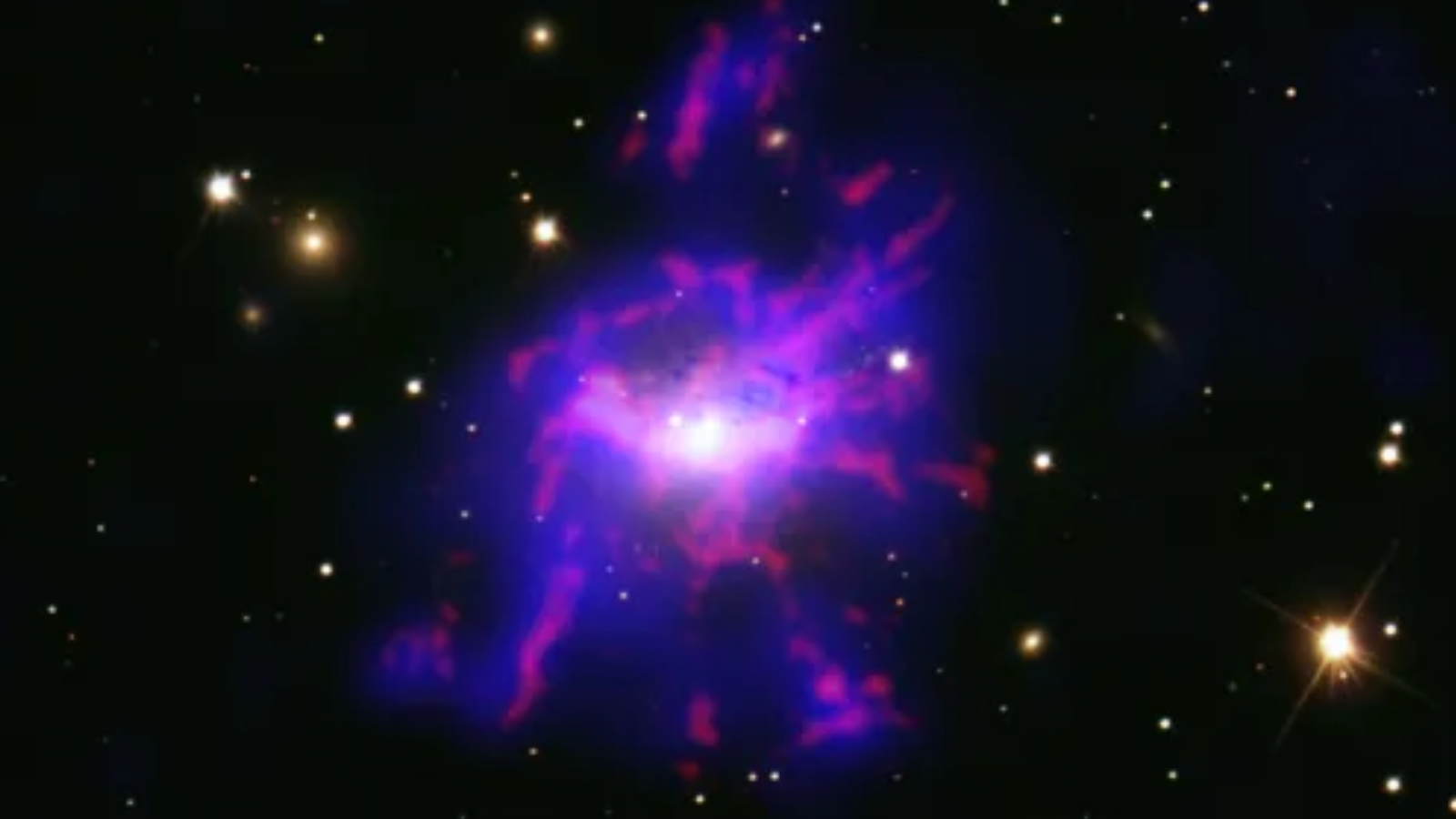
Using the NASA spacecraft Swift, astronomers observed a supermassive black hole burping radio jets 300 days after a heavy cosmic meal.
NASA is asking for ideas to stop static electricity from zapping astronauts or critical hardware during moon missions.
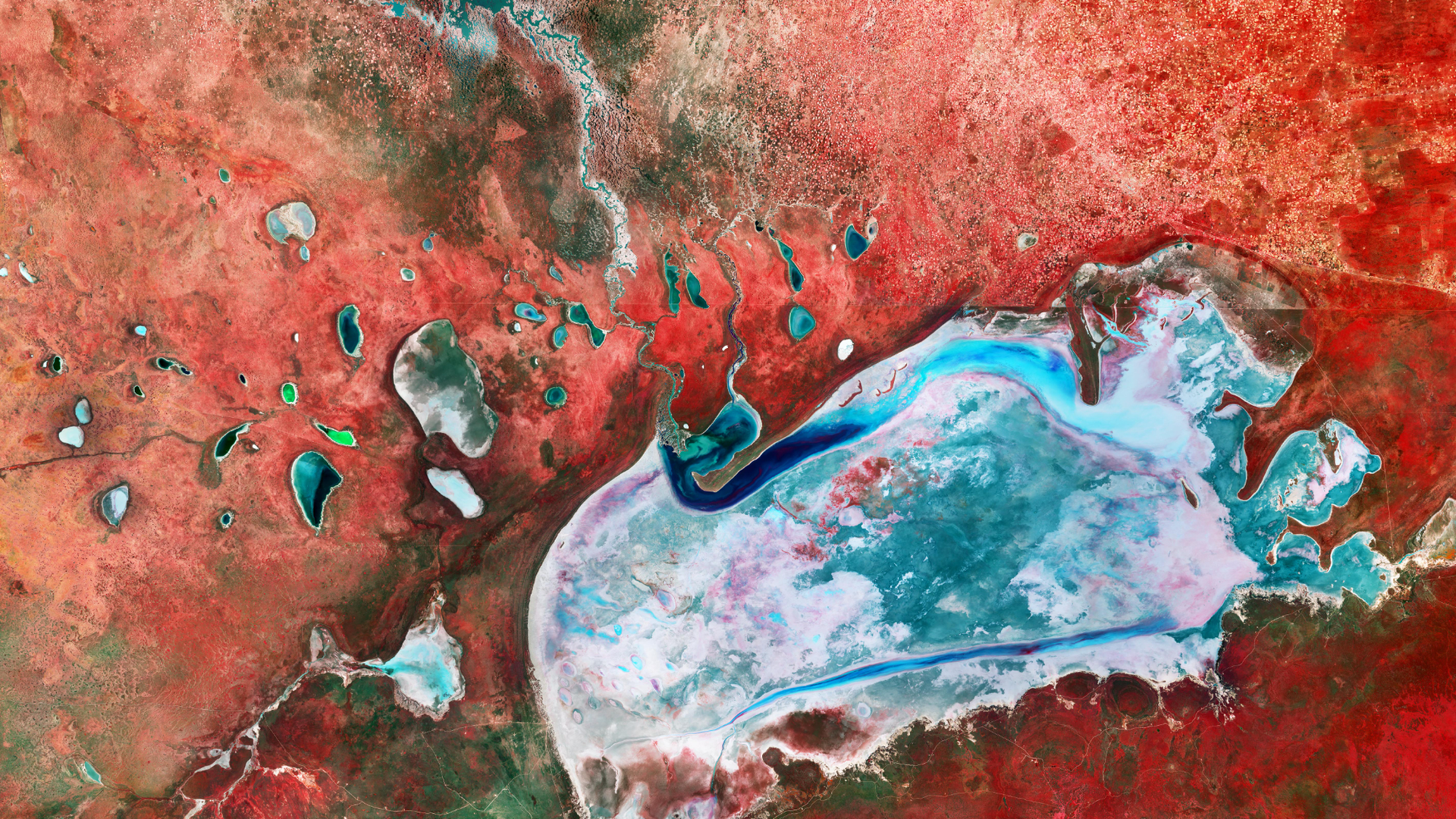
The Etosha Pan in northern Namibia, the largest salt flat in the country, looks otherworldly in this satellite photo.