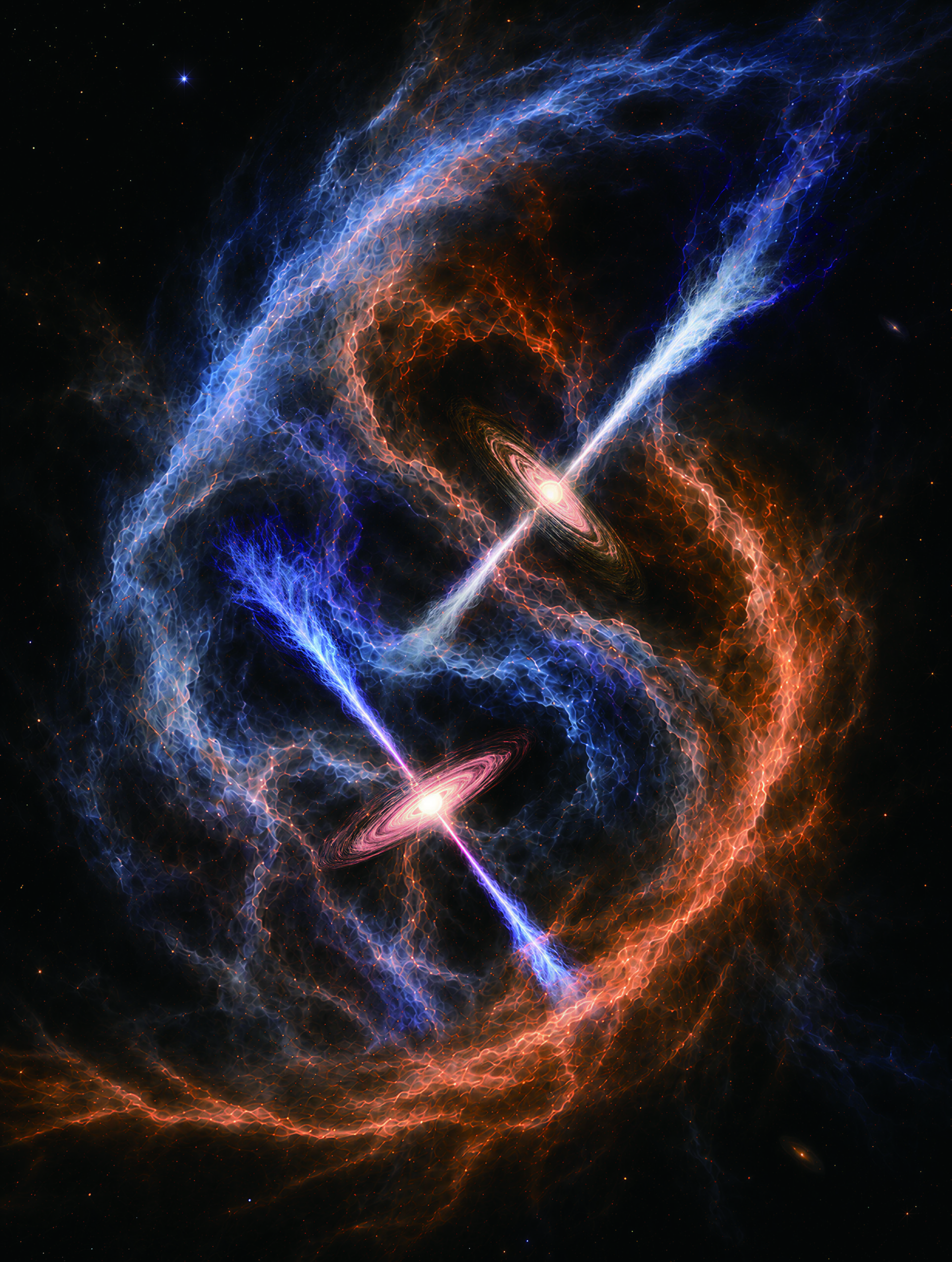
Using ALMA, astronomers have watched as two stars come together to form a massive stellar binary, finding chaos that indicates they emerged from different backgrounds.
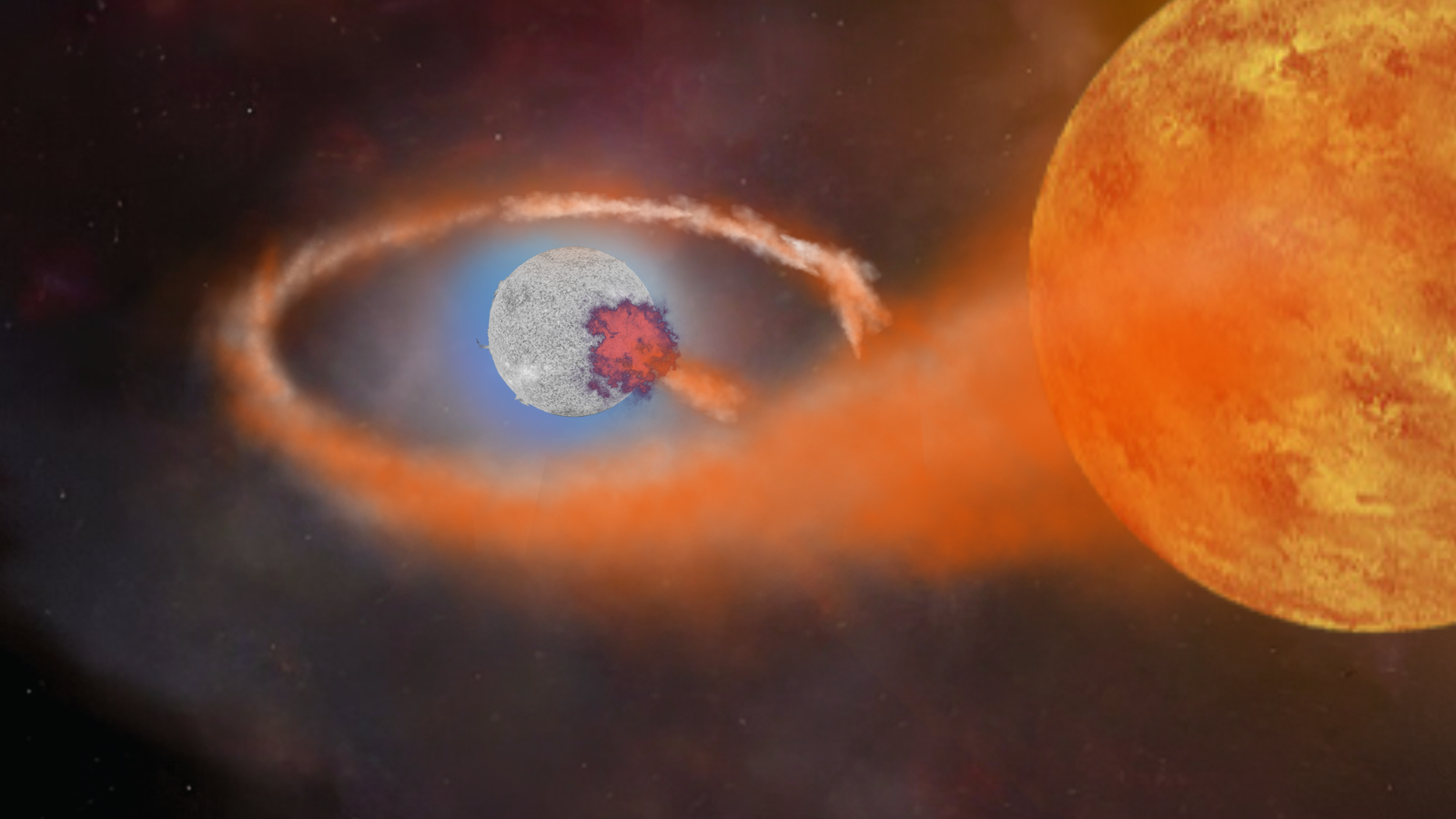
Scientists are close to understanding how stars forge the elements that comprise our planet, bodies and pretty much everything else around us, and how they explode to distribute these elements.
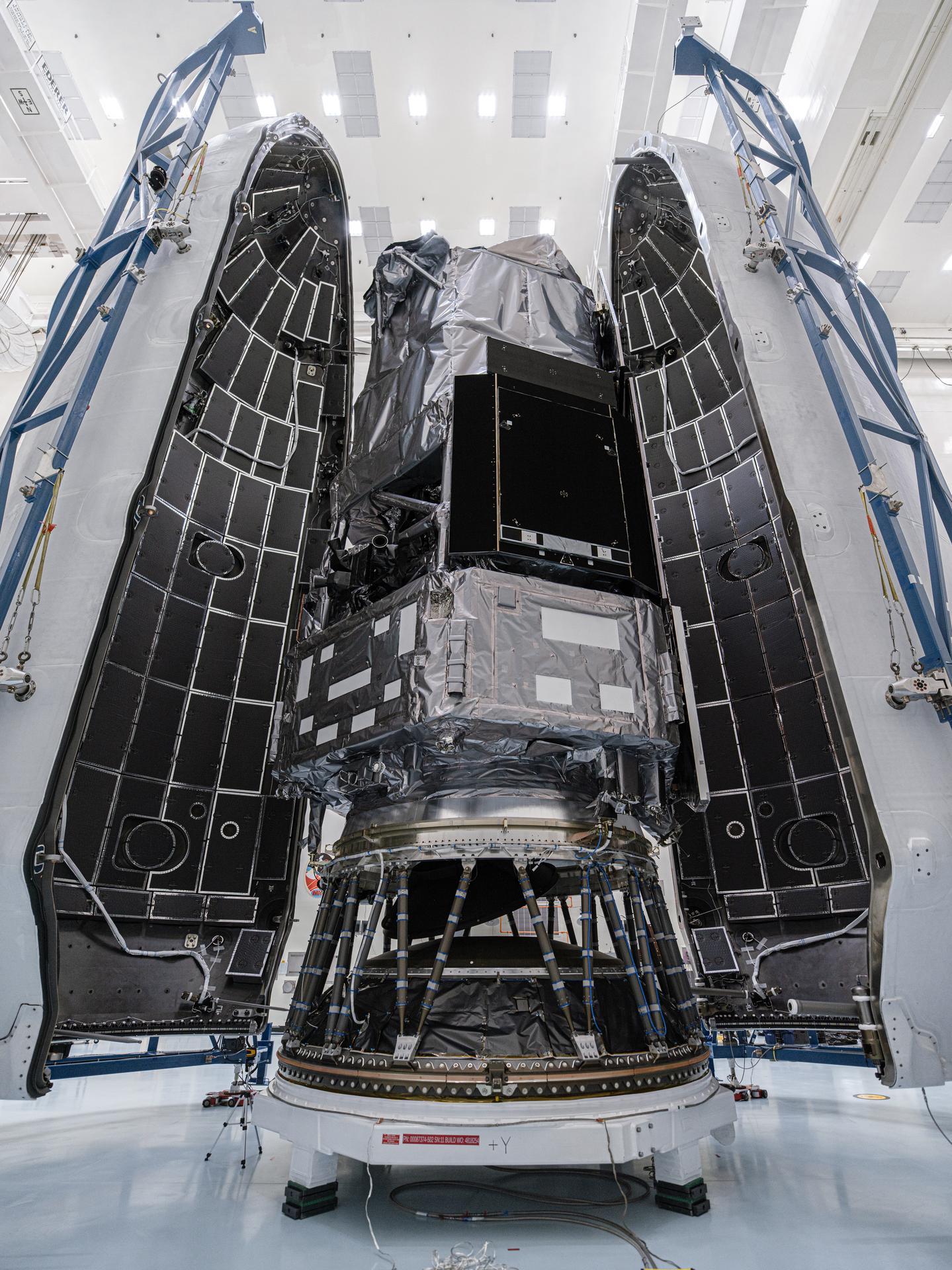
NASA’s Nancy Grace Roman Space Telescope is set to launch at 7:26 a.m. EDT on Sunday, Aug. 30. While you wait to watch the launch, brush up on some key facts about this wide-view mission. To learn more about the Roman mission, visit: https://www.nasa.gov/roman Media contact: Claire AndreoliNASA’s Goddard Space Flight Center, Greenbelt, Md.claire.andreoli@nasa.gov301-286-1940
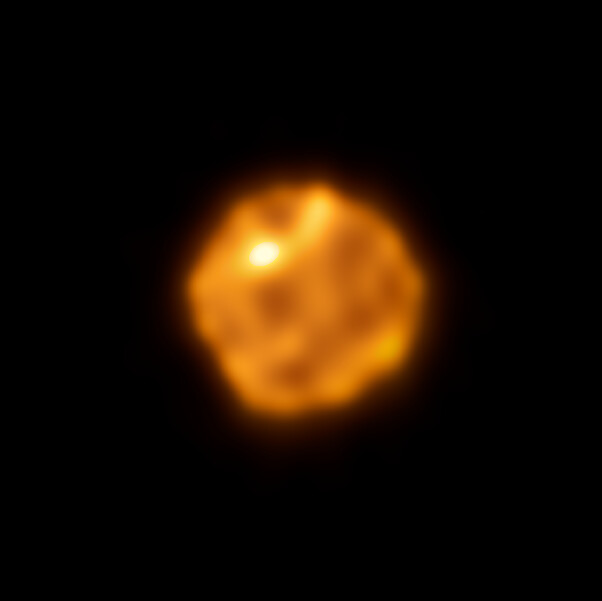
Betelgeuse may be a well-known and often-studied stellar object, but that doesn’t mean astronomers aren’t capable of capturing this doomed star in a completely new light.
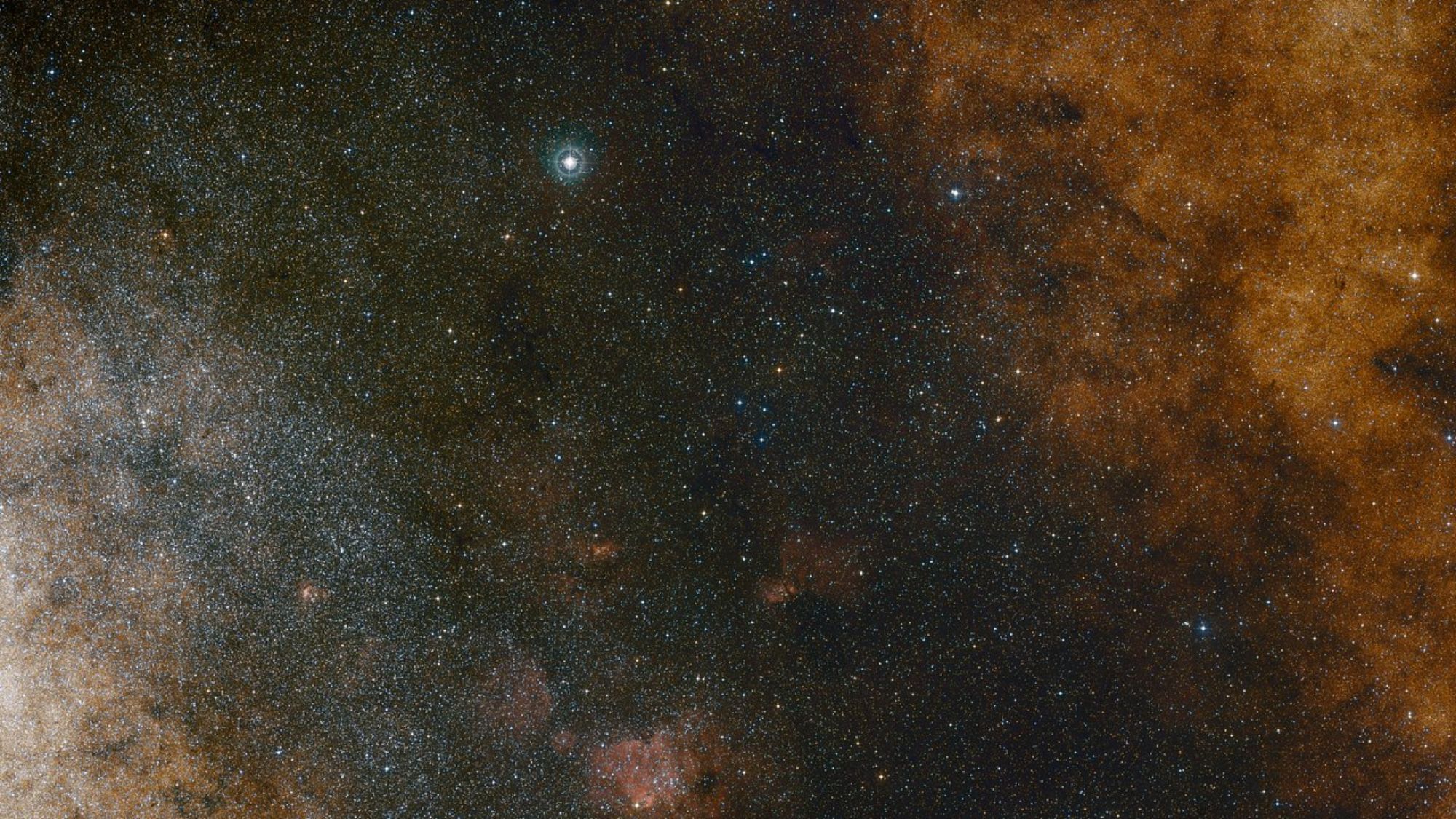
Astronomers have found the fastest known star in the Milky Way, a faint object racing around Sagittarius A*, the supermassive black hole at the heart of our galaxy.
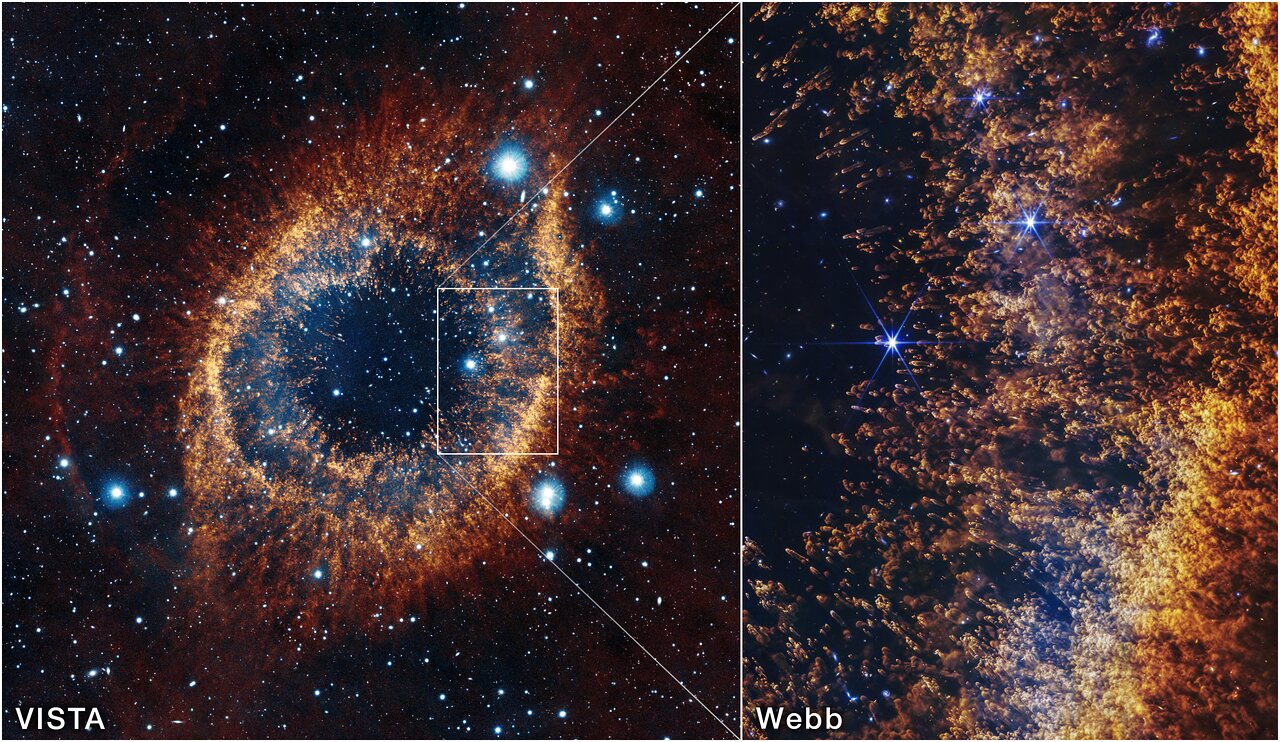
A composite image of data from the Hubble Space Telescope, the Kitt Peak four-meter telescope and MOTHRA reveal the Helix Nebula. We can see the bow shocks, particularly on the left.
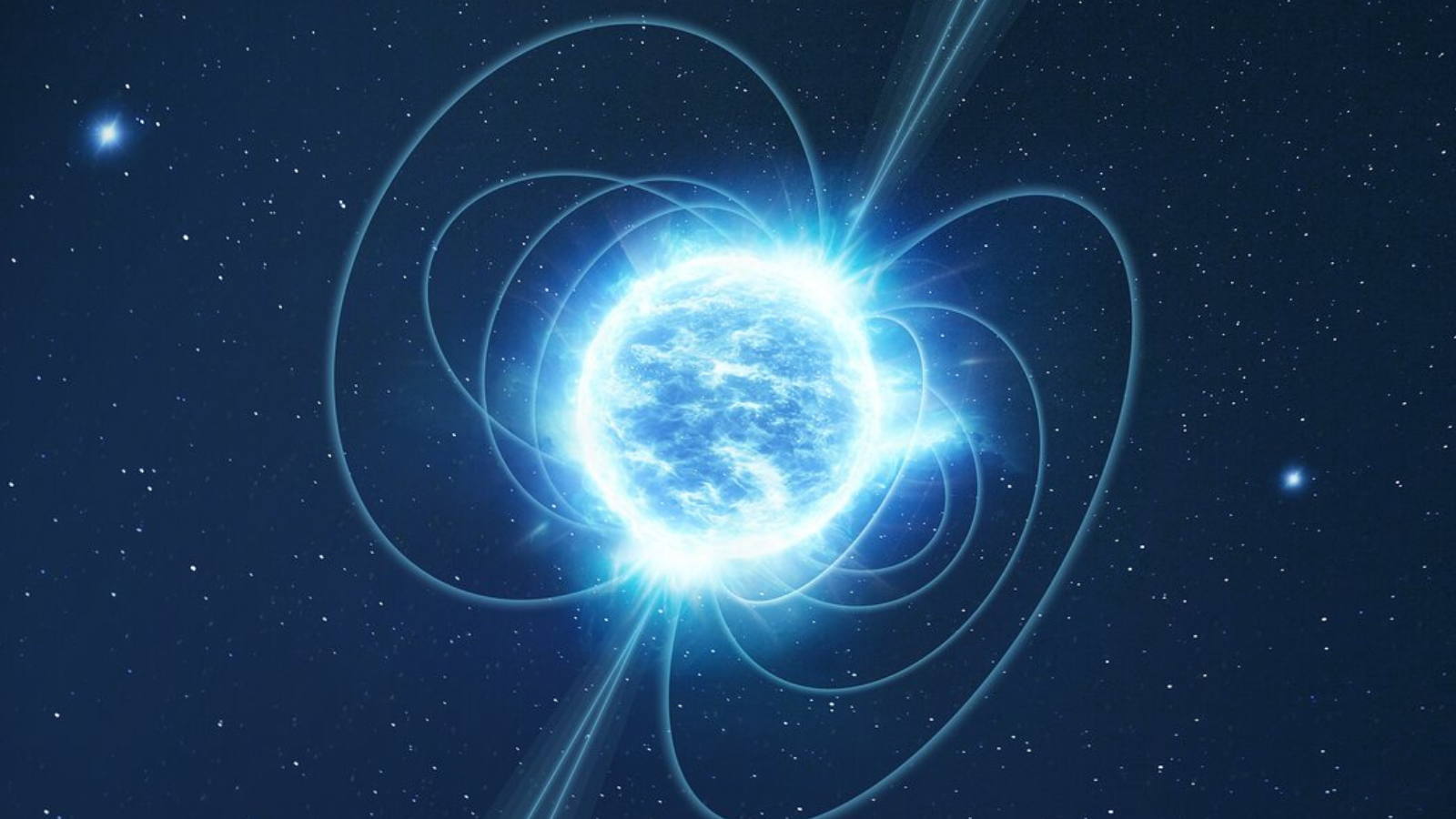
“We’re not just studying astronomical objects anymore; we’re using them to test the laws of nature.”
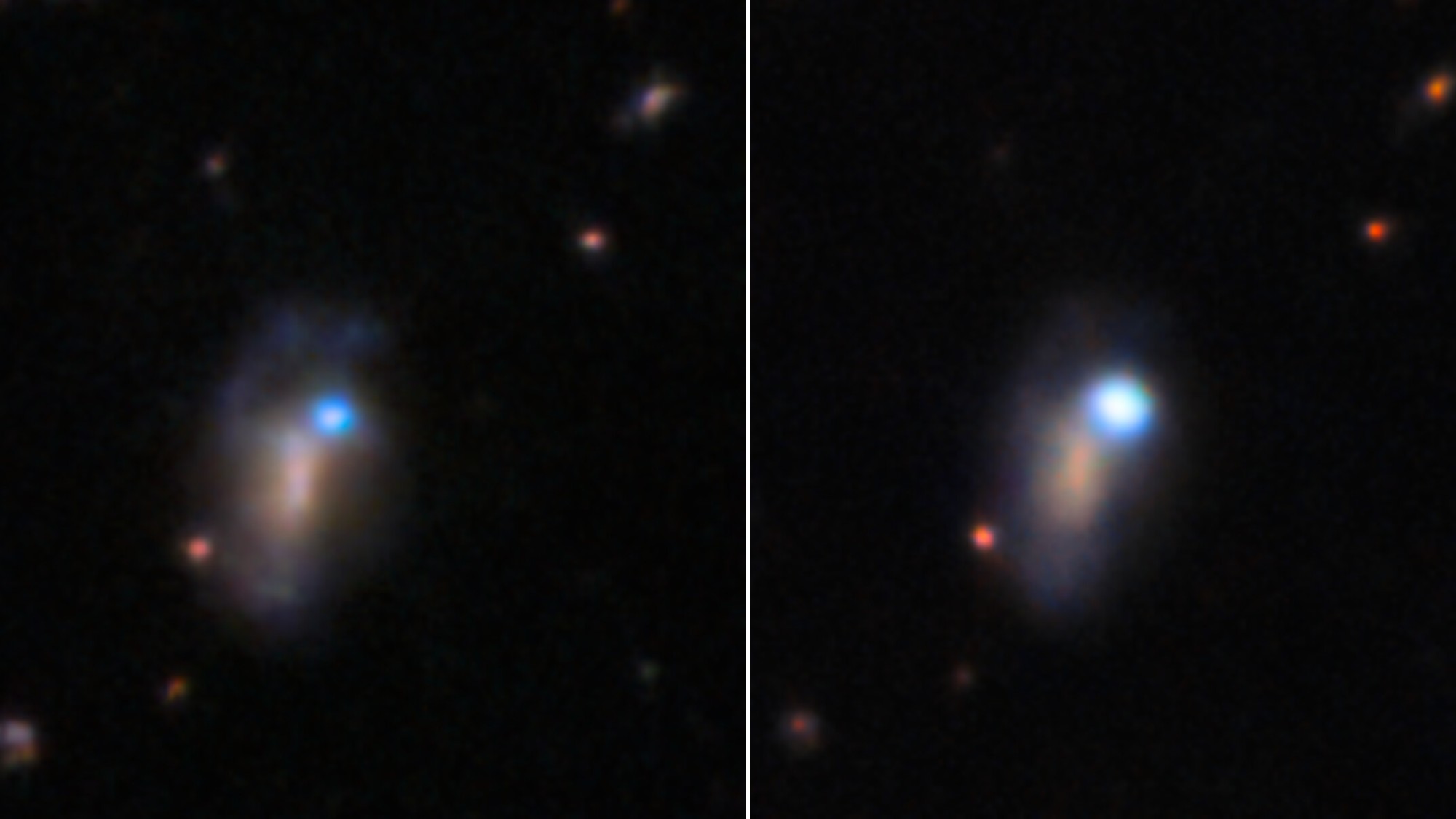
Astronomers have captured the death of a massive star from its first faint flash of X-rays, revealing an unusual supernova.
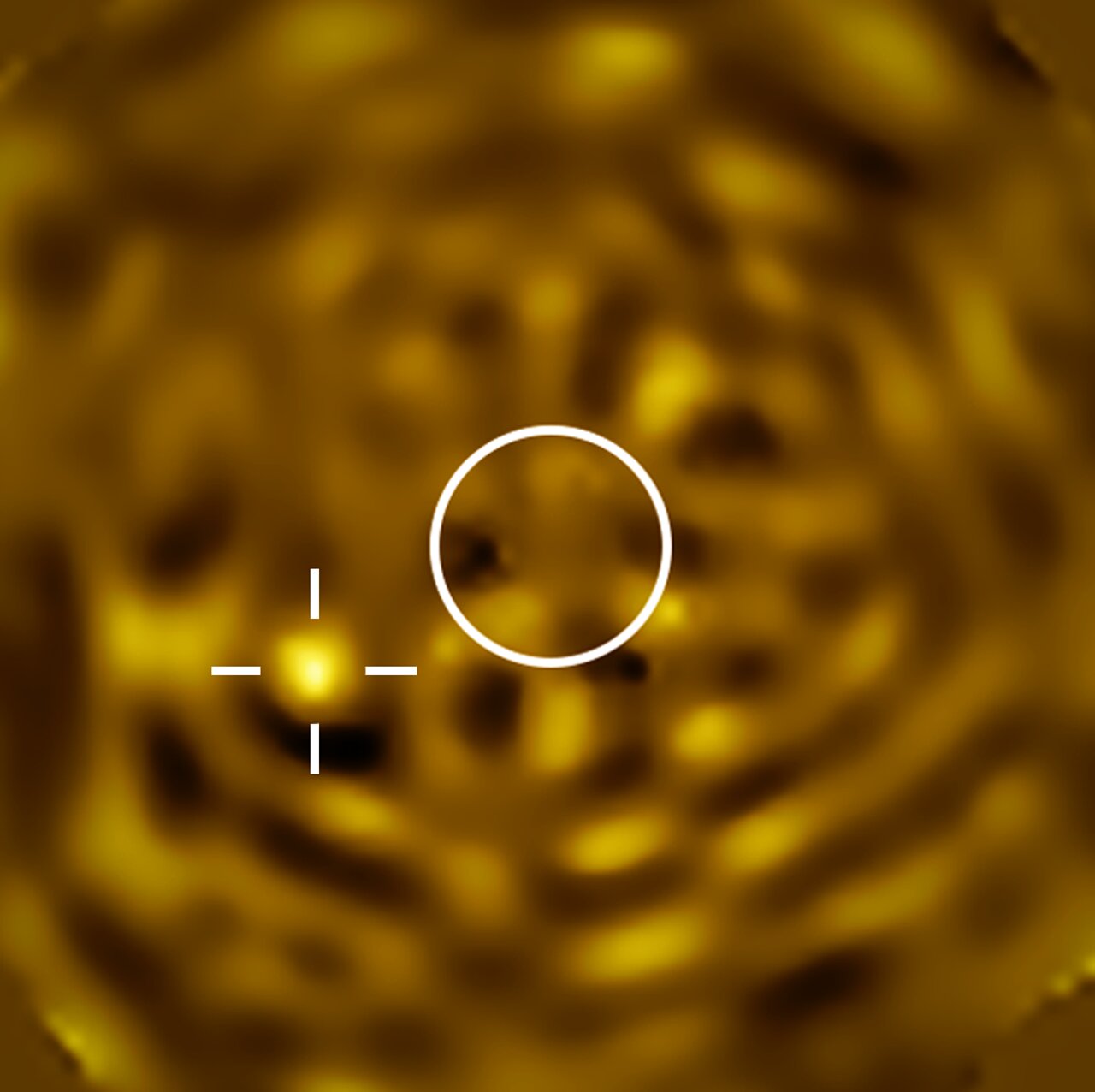
“These are among the best moments in science: seeing something new, unexpected.”
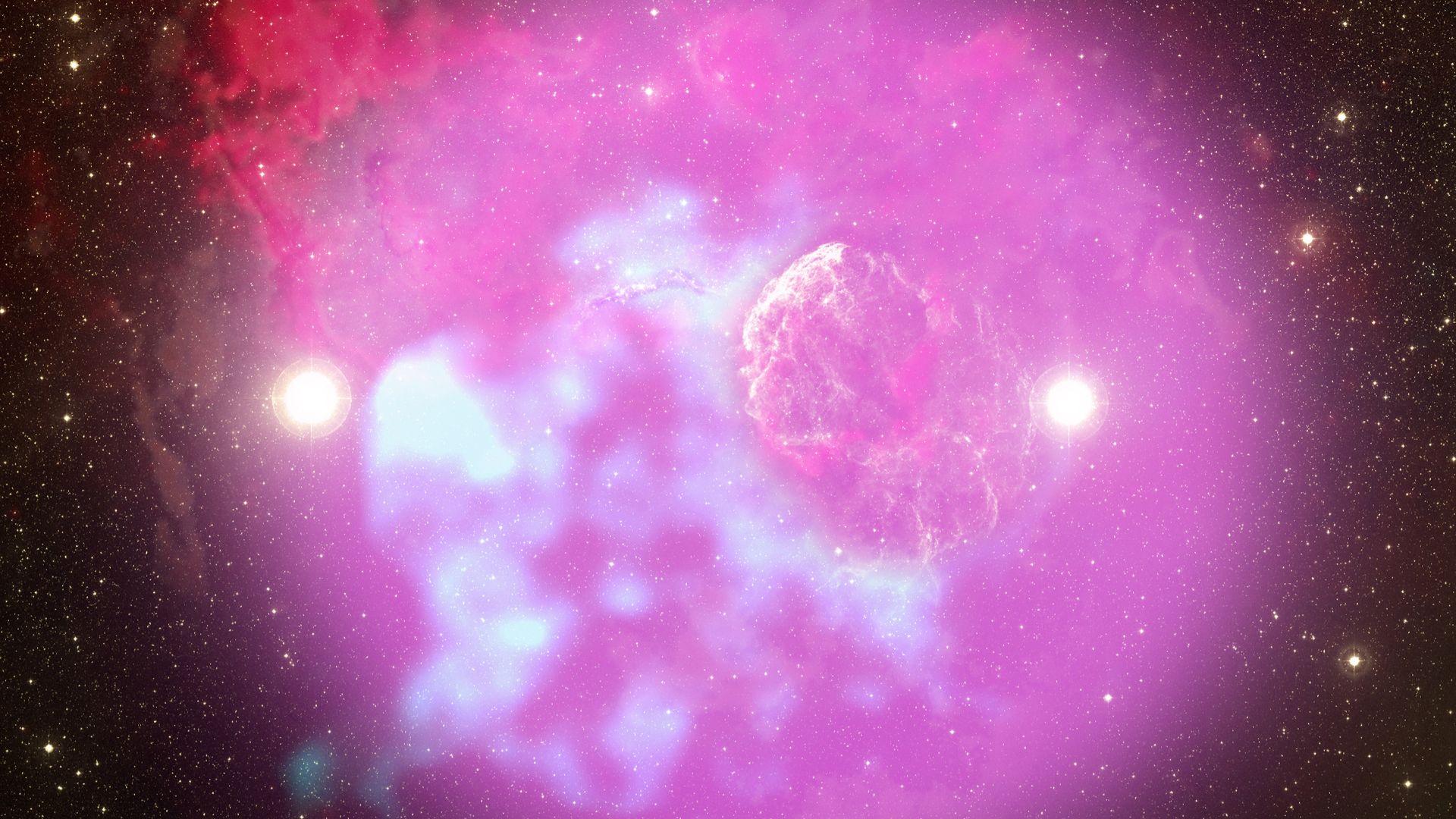
Imagine if Star Wars’ Tatooine twin suns went supernova. Scientists may have just found that in our universe.