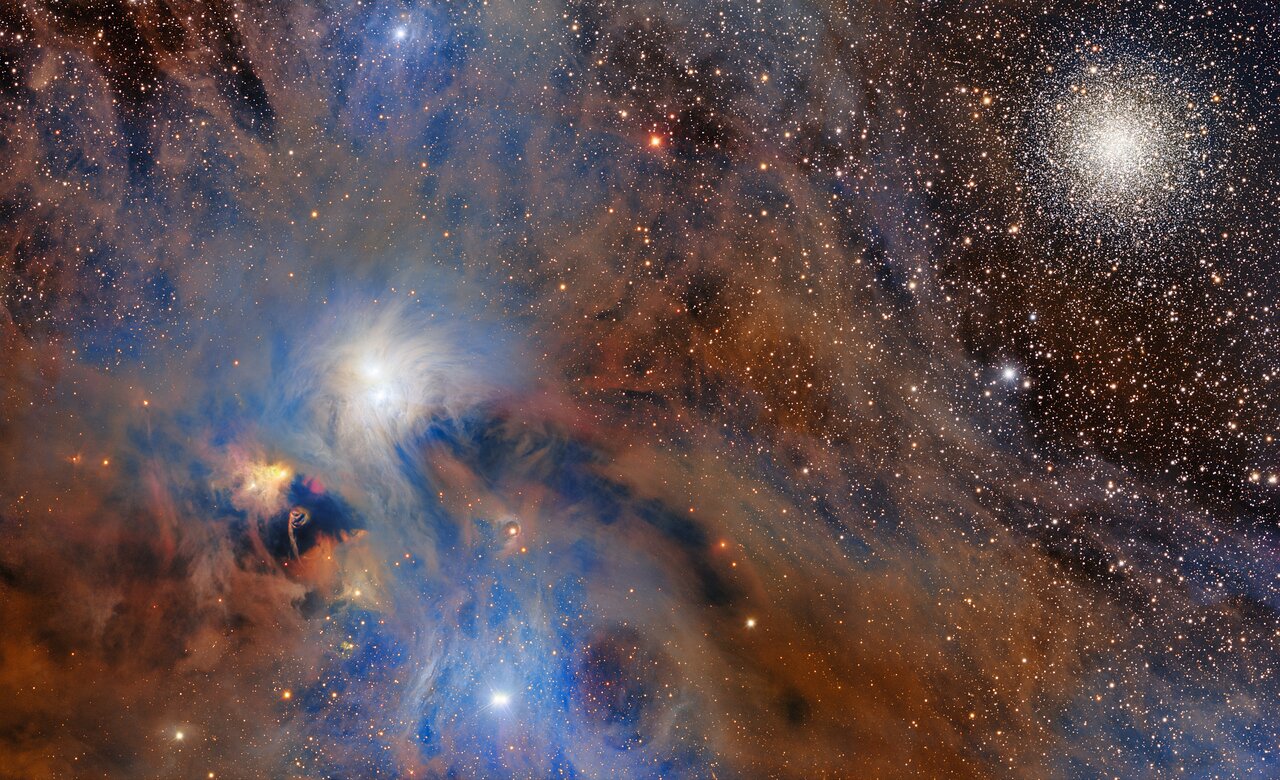
The Dark Energy Camera has captured a vibrant view of the Corona Australis Molecular Cloud, with the star-forming region resembling a cosmic take on Van Gogh’s The Starry Night.
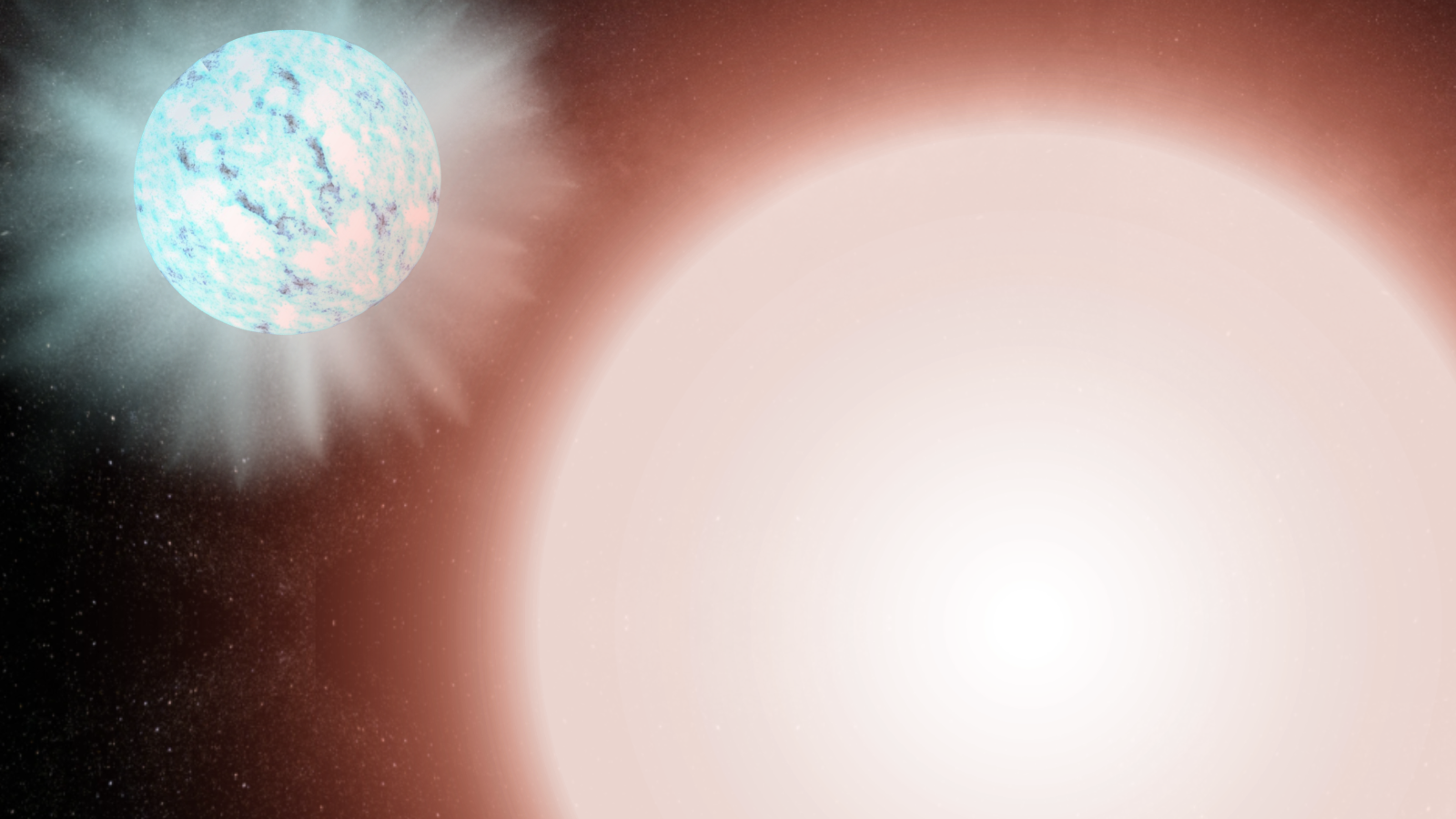
“Nearby isolated white dwarfs are usually easy to find, but we couldn’t see these four stars directly.”
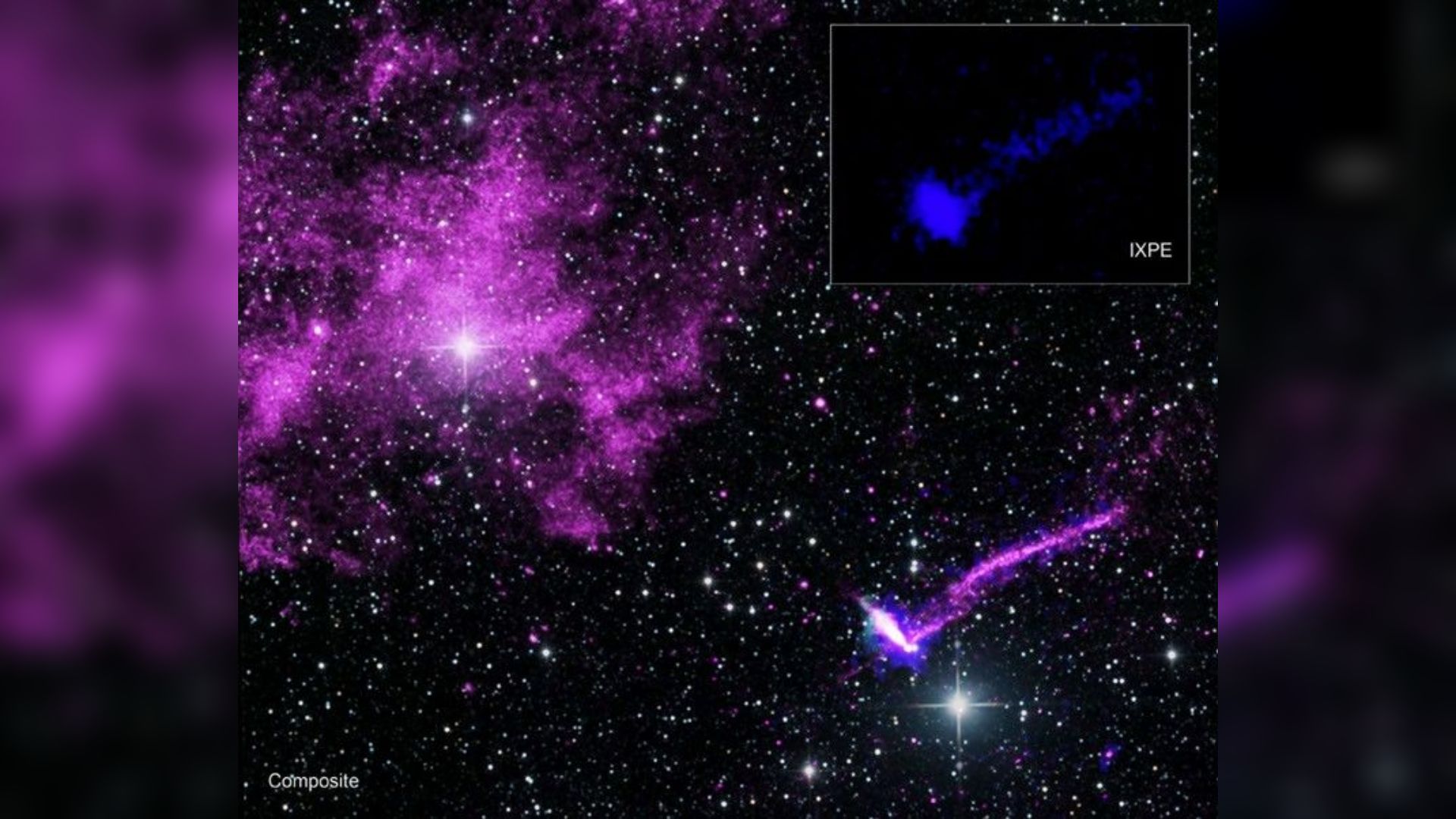
For the first time, astronomers have directly mapped the magnetic field surrounding one of the Milky Way’s most unusual pulsars, confirming a decades-old prediction about how particles stream away from the rapidly spinning stellar corpse.
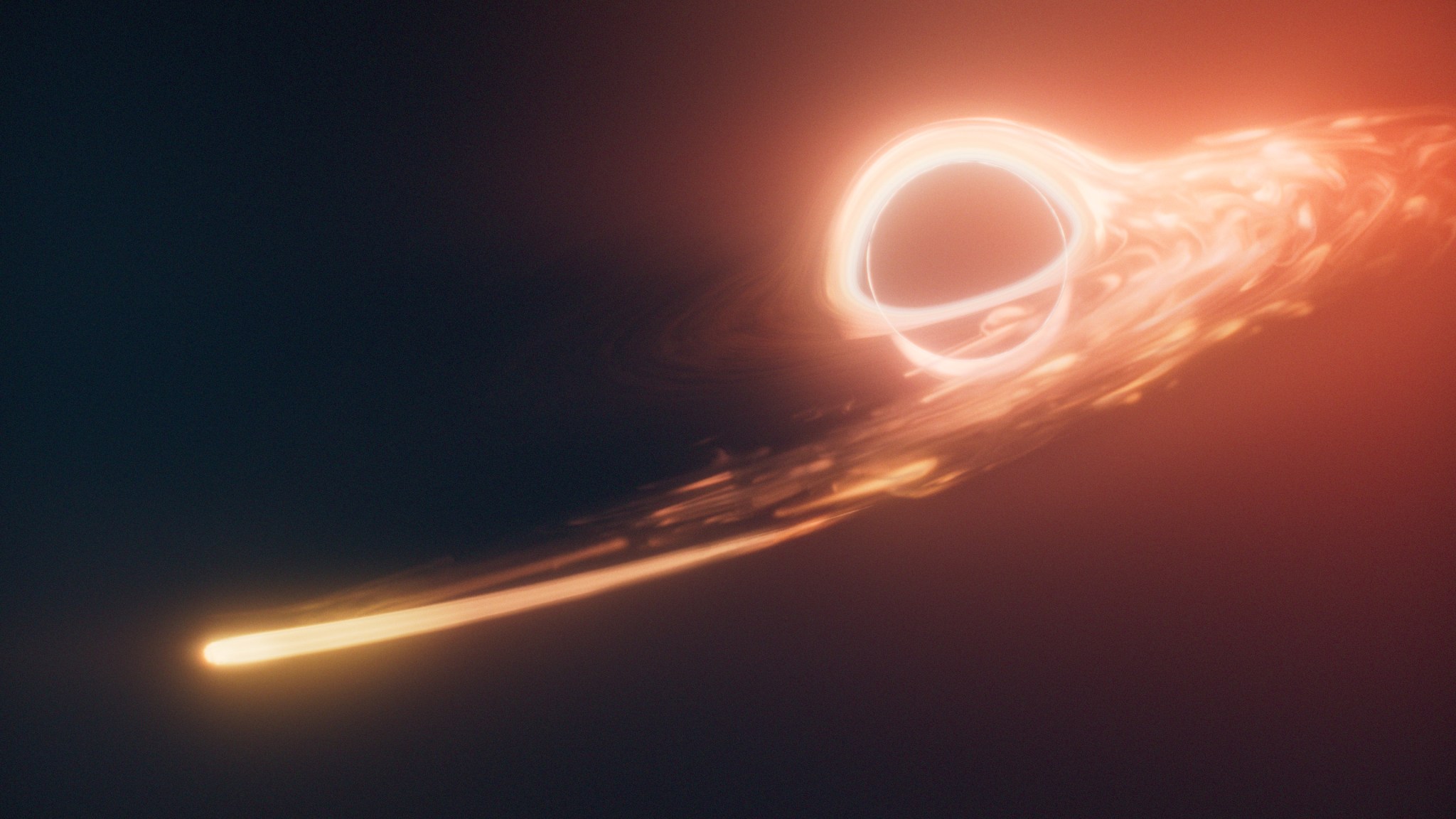
Lee esta nota de prensa en español aquí. How do black holes at the center of galaxies form and grow over time? To answer this question, scientists need to detect and study supermassive black holes at great distances, which existed much earlier in the universe’s history. New research suggests NASA’s Nancy Grace Roman Space Telescope, which […]
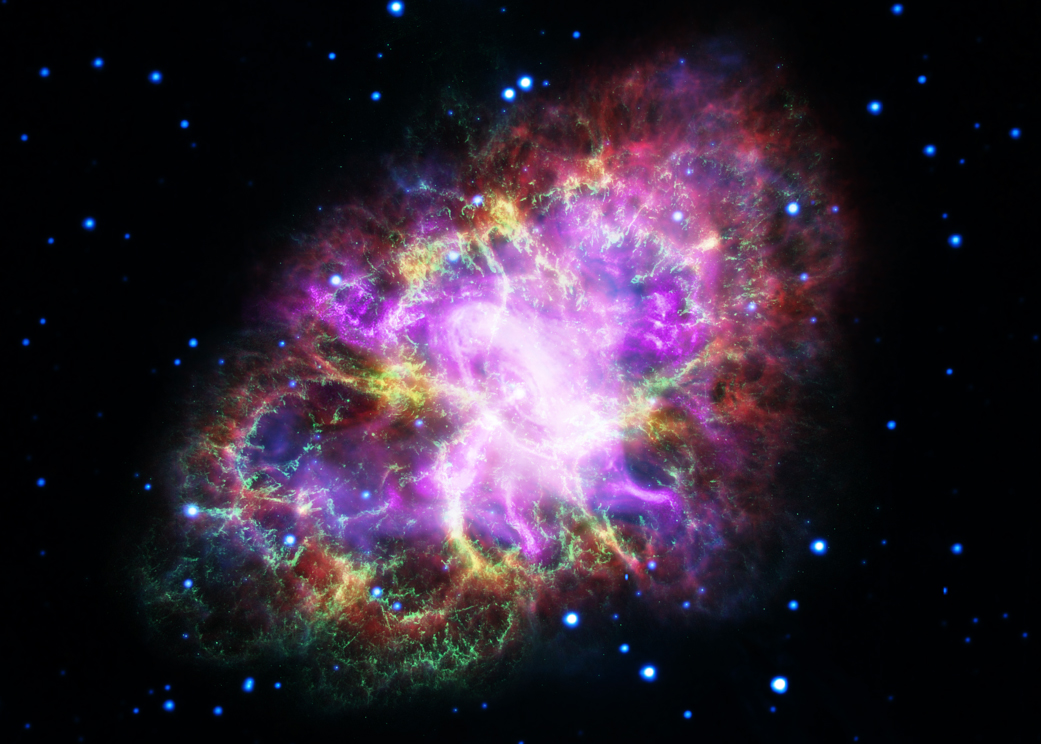
The universe is haunted by “cosmic ghosts” called neutrinos, which seem to be the “whispers” of stars that died in supernova explosions over the course of billions of years.
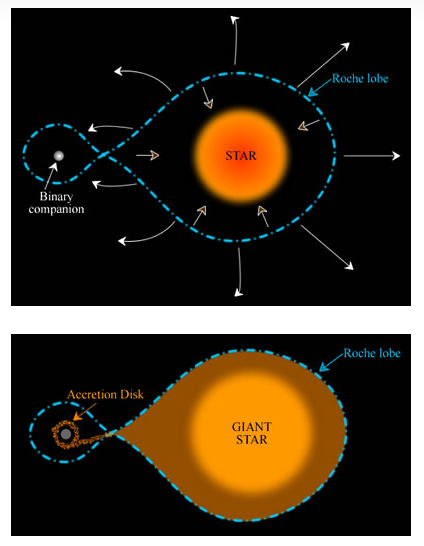
When some stars die, they do not do so alone, potentially solving a long-standing mystery around a particular class of cosmic explosion called an interacting supernova.
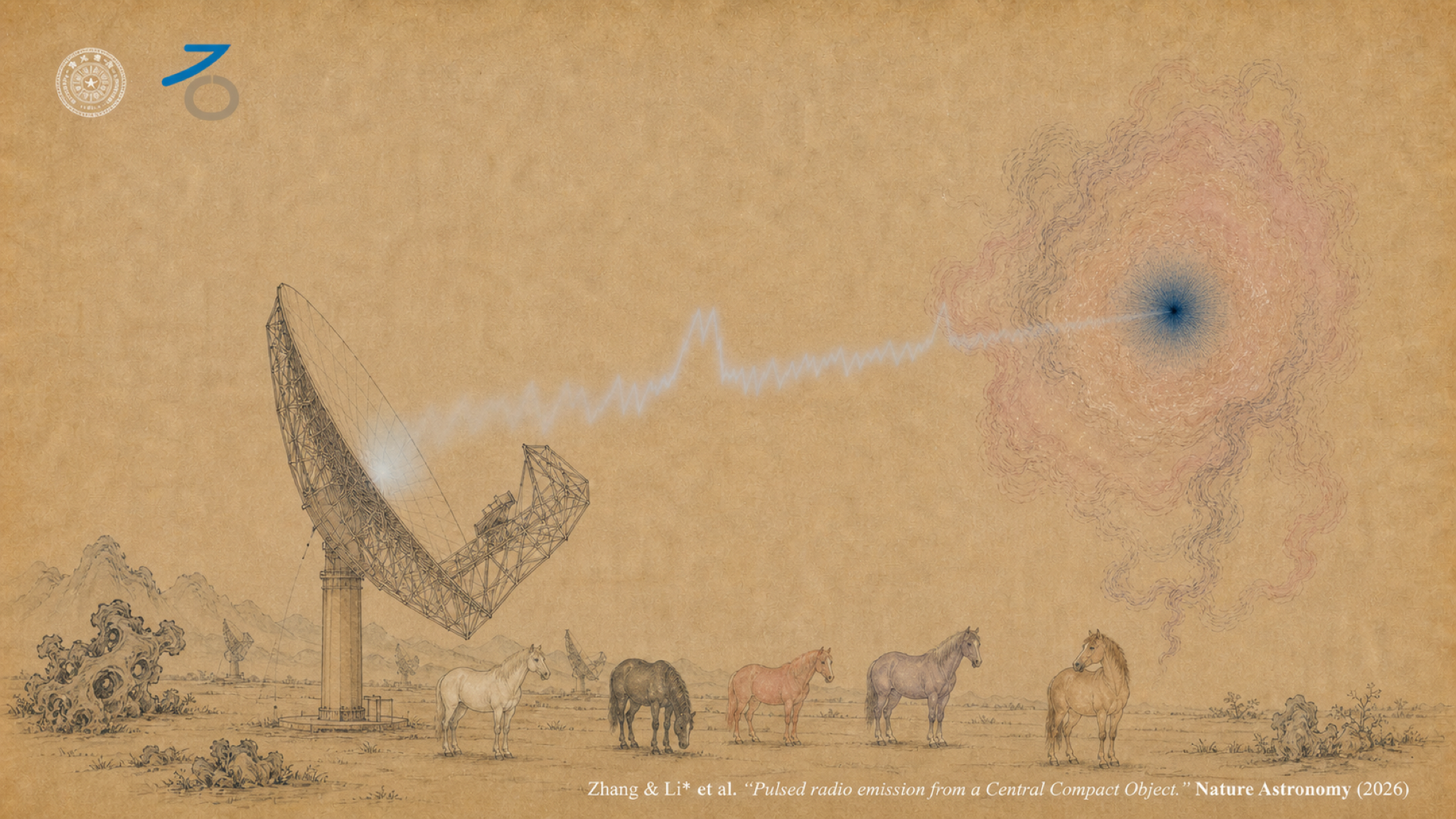
Astronomers have detected radio signals coming from a long-dead neutron star known as the ‘Blue Eye Pulsar’ after searching for decades.
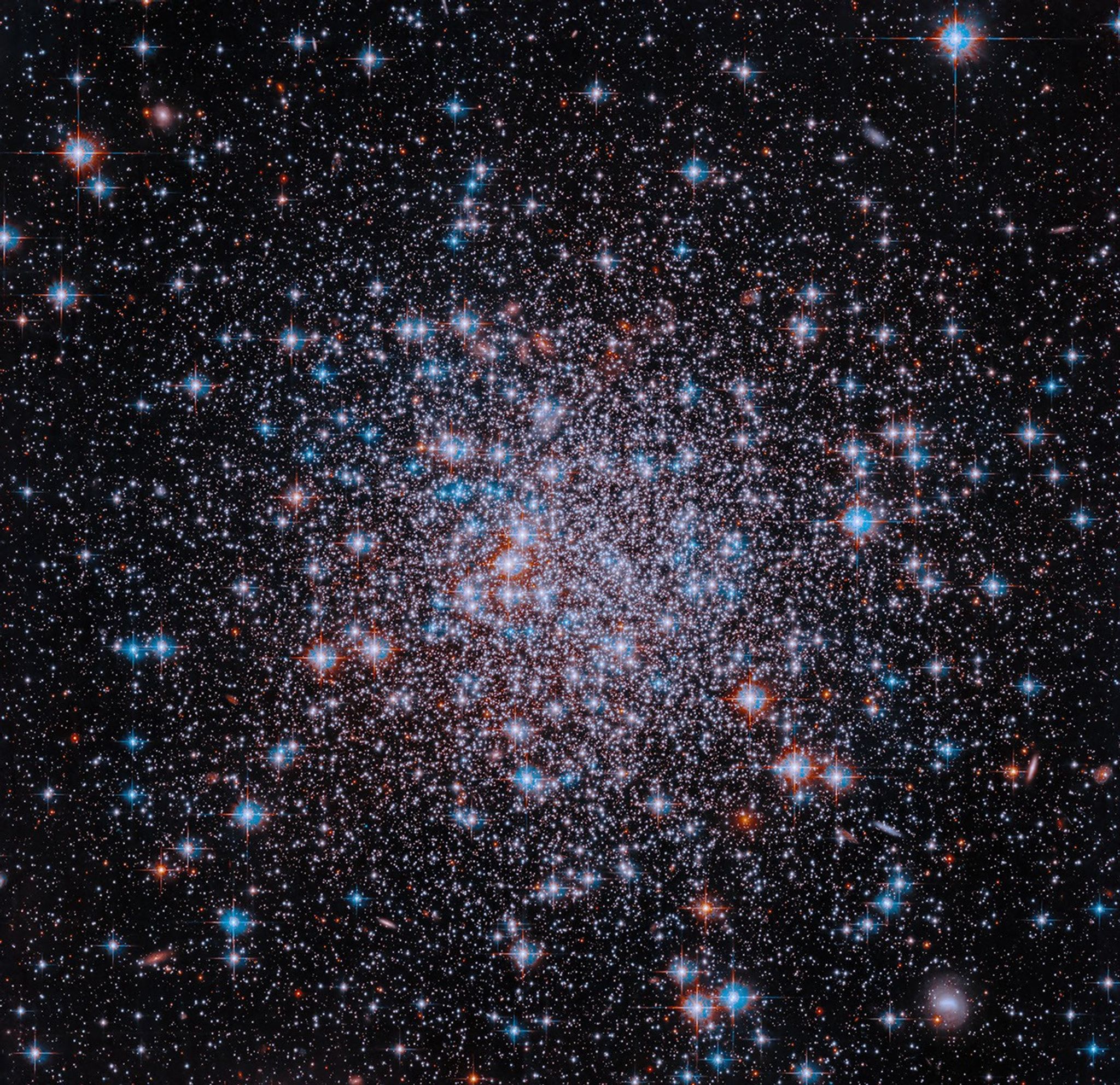
Red, white, and blue stars glitter like a sparkler being waved on a dark night in this new image from NASA’s Hubble Space Telescope.

Blue and white stars shine brightly against crimson gas in this image from NASA’s Hubble Space Telescope.
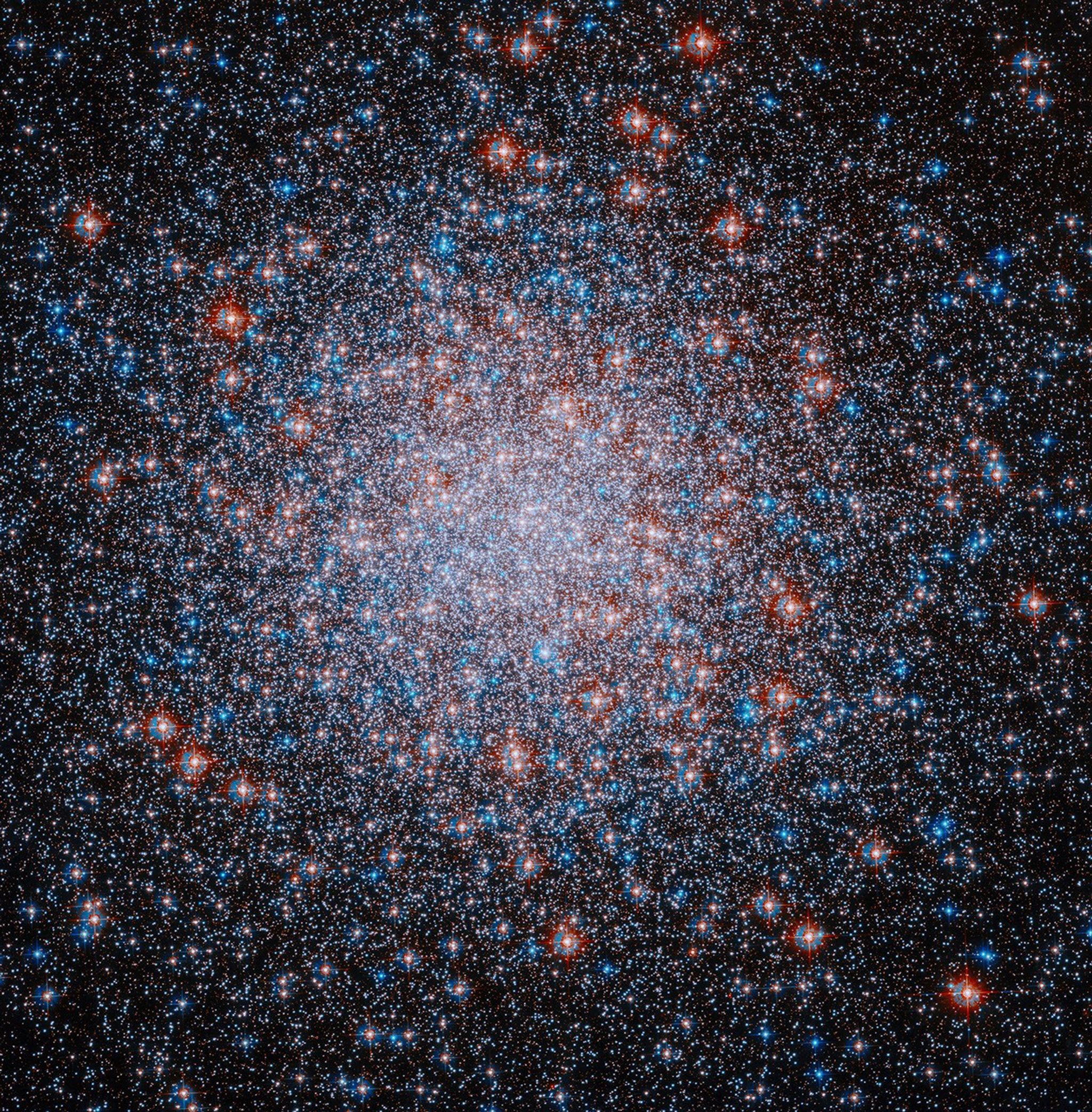
More than 500,000 stars blaze red, white, and blue in this NASA Hubble image of the globular cluster Messier 3 (M3).