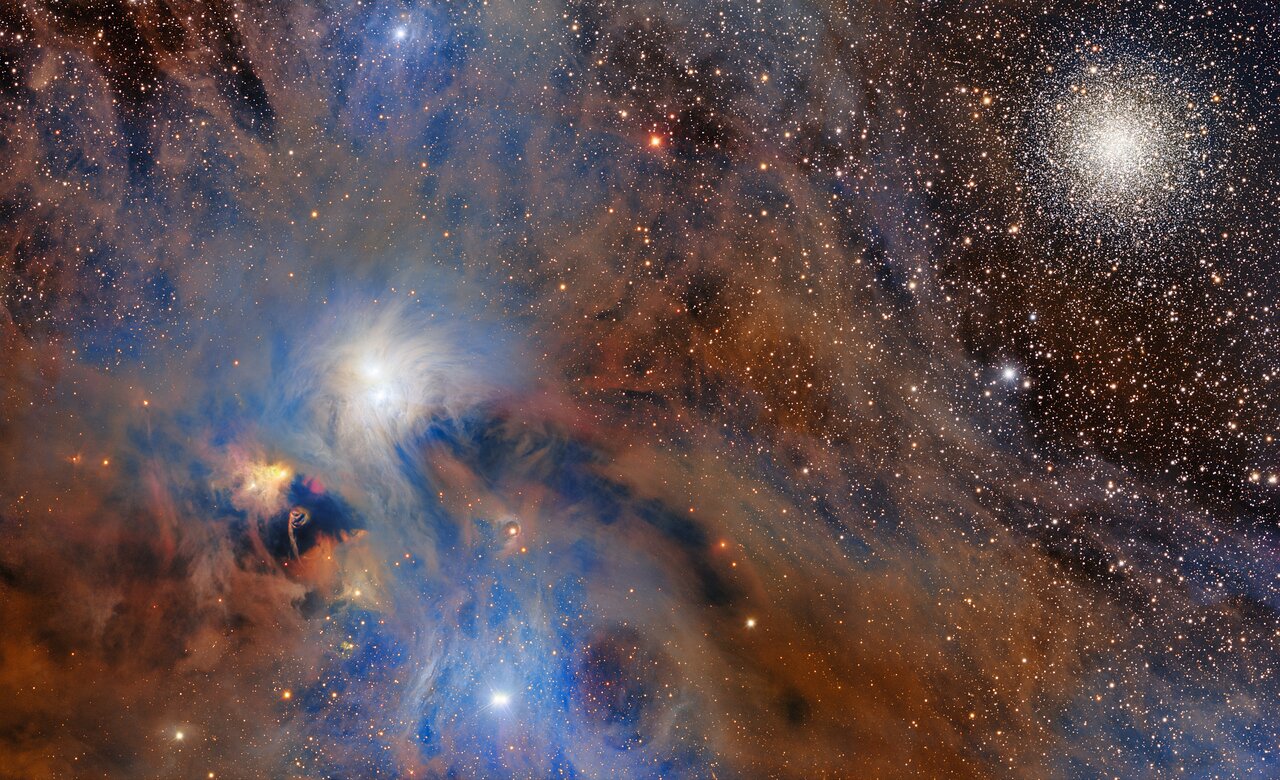
The Dark Energy Camera has captured a vibrant view of the Corona Australis Molecular Cloud, with the star-forming region resembling a cosmic take on Van Gogh’s The Starry Night.
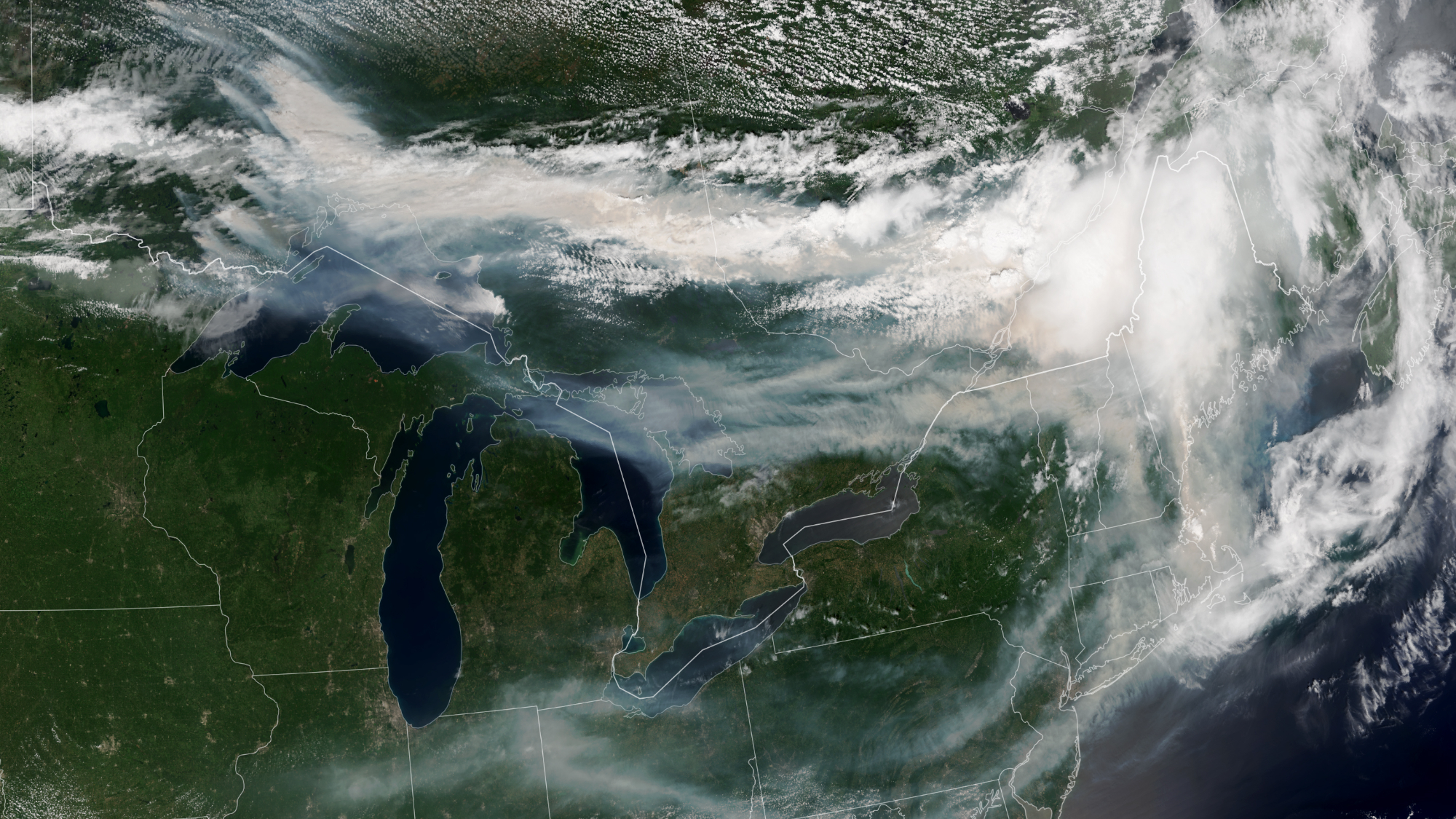
Satellites have captured images of the billowing smoke.
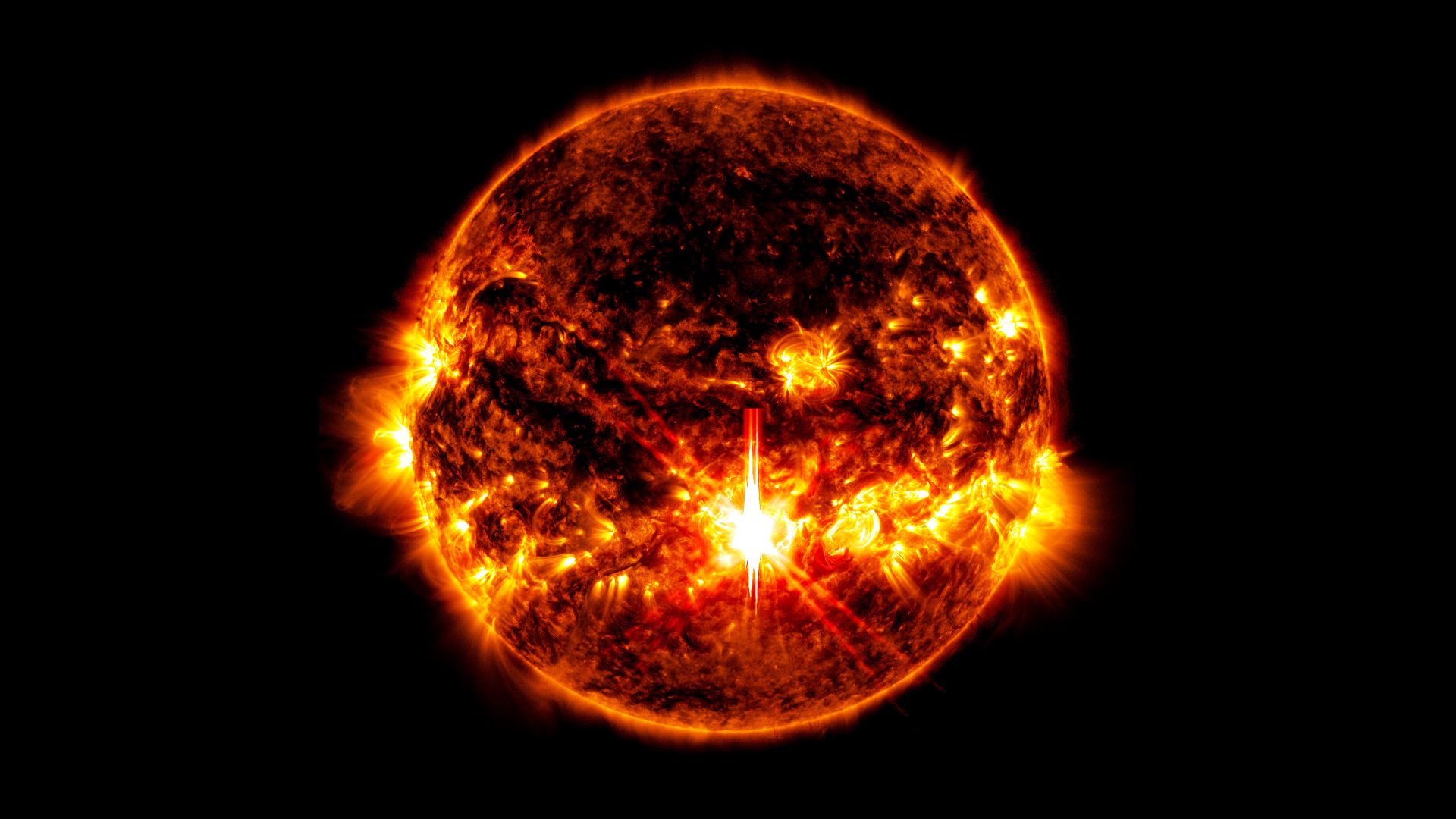
A new study suggests the most extreme solar storms to strike Earth could have greater impacts on satellites, power grids and communications than previously thought.
Evidence for landslides down steep crater walls on Pluto have been found in imagery from NASA’s New Horizons mission.
“It’s in the habitable zone, which is super exciting for astrobiology and habitability and searching for life.”
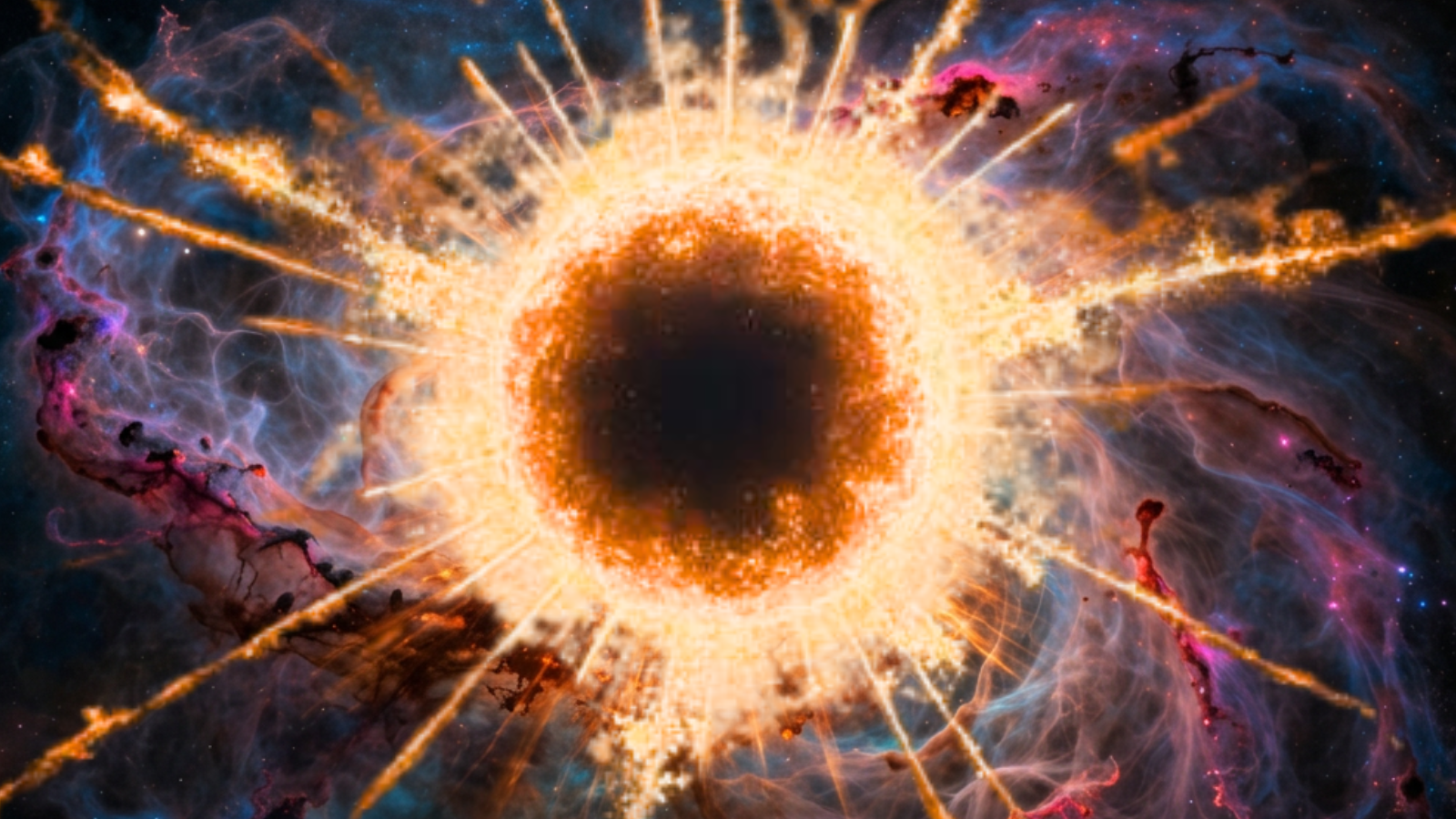
“Hawking’s laws of black hole mechanics provided a satisfying connection between extreme and ordinary physics and have been the paradigm for 50 years, but they have a serious limitation.”
Two major mysteries in science, the nature of dark matter and the possible existence of higher dimensions, could be linked, new research suggests.
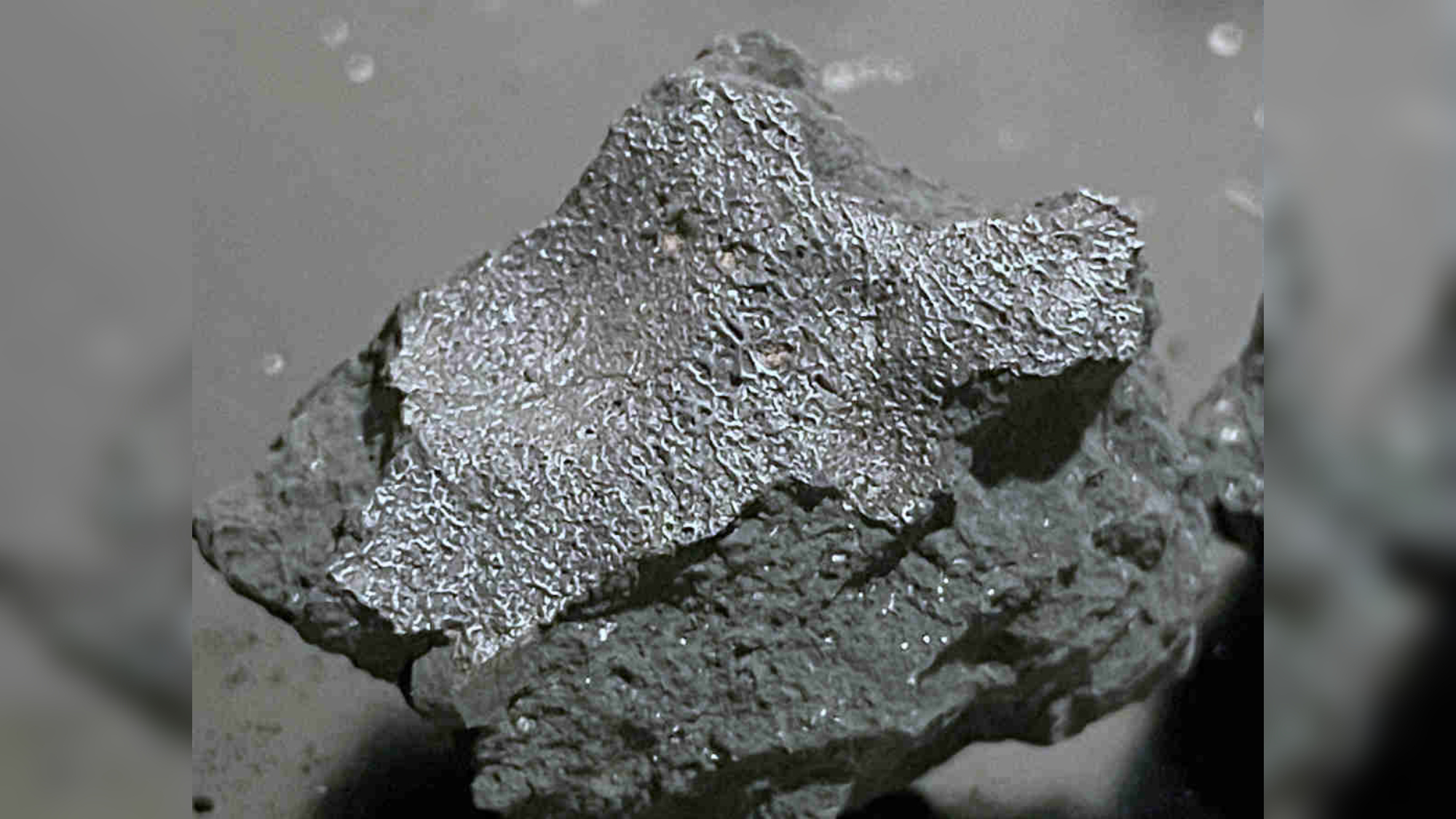
“Thanks to the homeowner’s quick reaction, these are the most pristine CM1/2 meteorites we know of.”
“Our work shows that sugars can form naturally in space.”