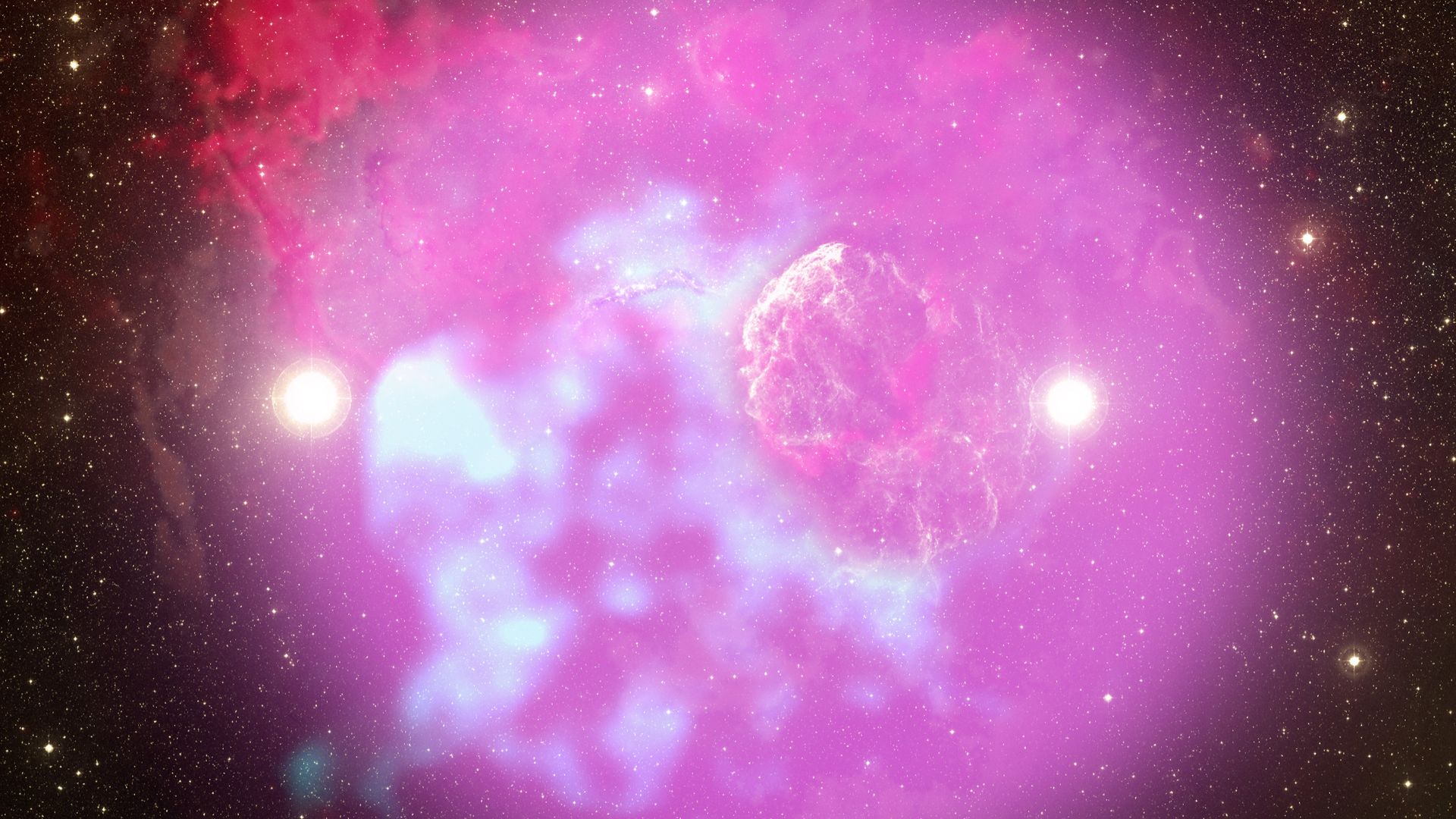
Imagine if Star Wars’ Tatooine twin suns went supernova. Scientists may have just found that in our universe.
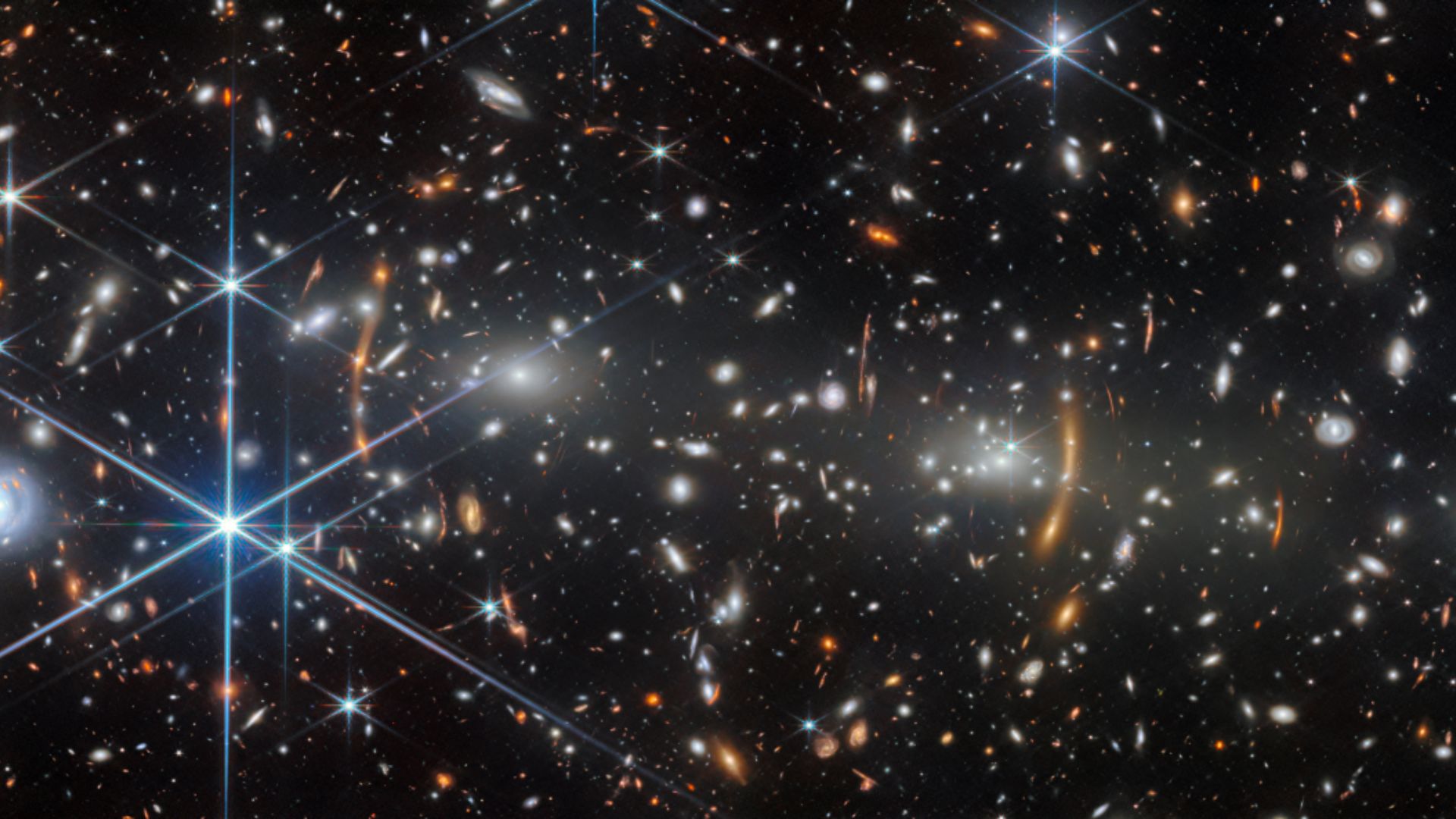
The James Webb Space Telescope captured this image of a young galaxy cluster, MACS J0553.4-3342.
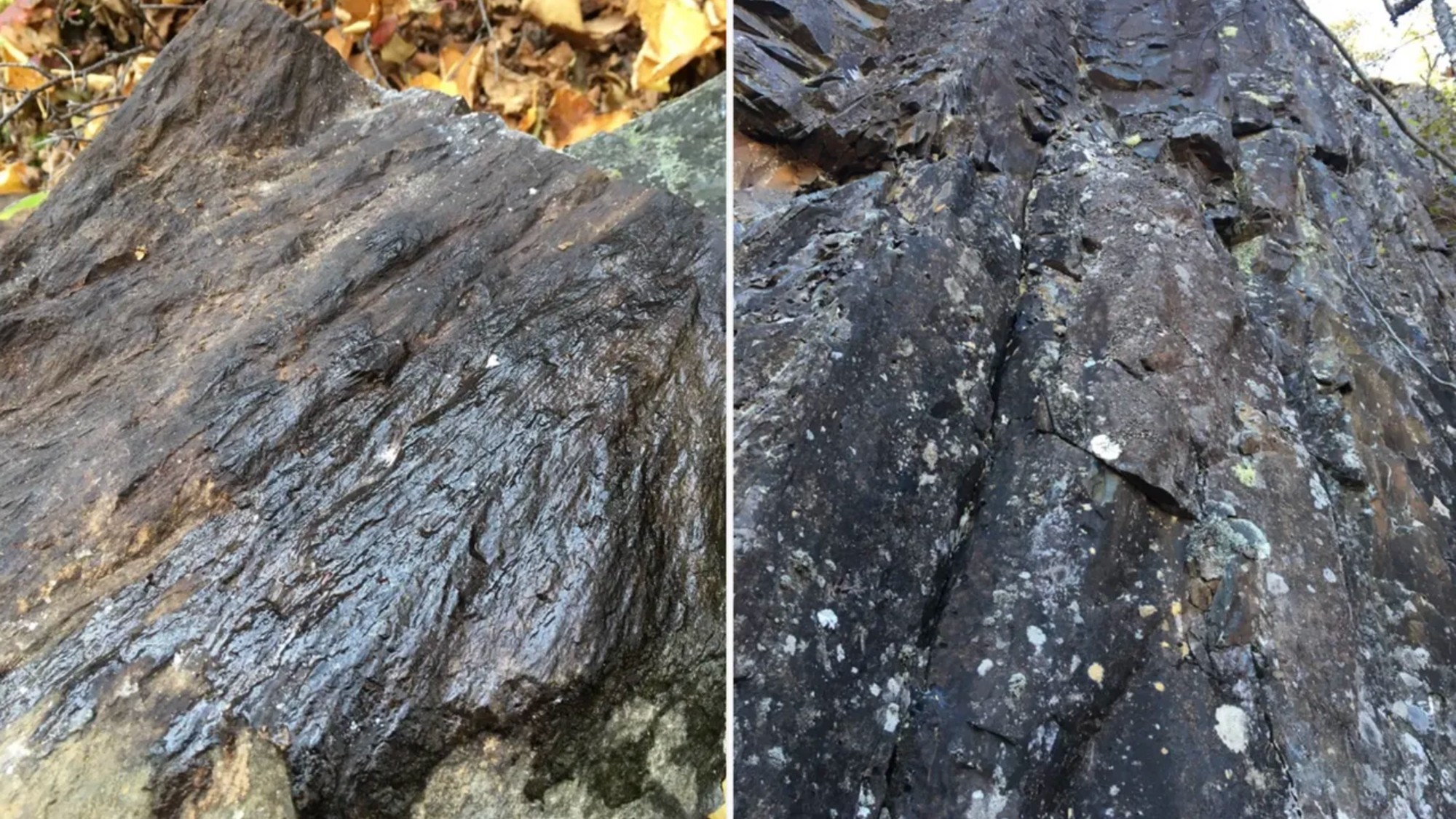
While getting ready for a camping trip, an amateur astronomer spotted a possible crater. It appears to be a match, pending microscopic results.
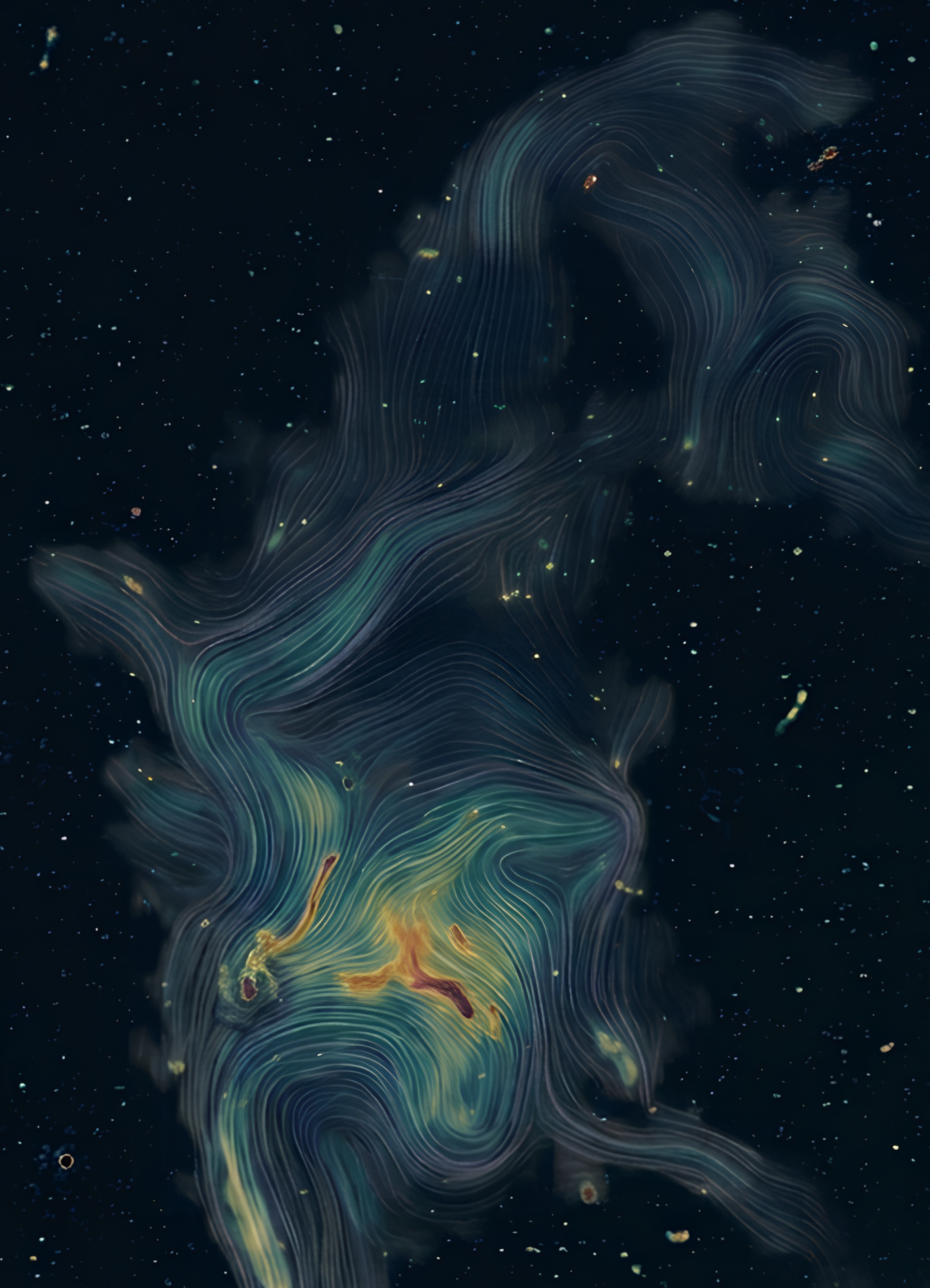
“We believe that the mechanism that ‘turns on’ these gigantic radio emissions is linked to the formation process of galaxy clusters.”
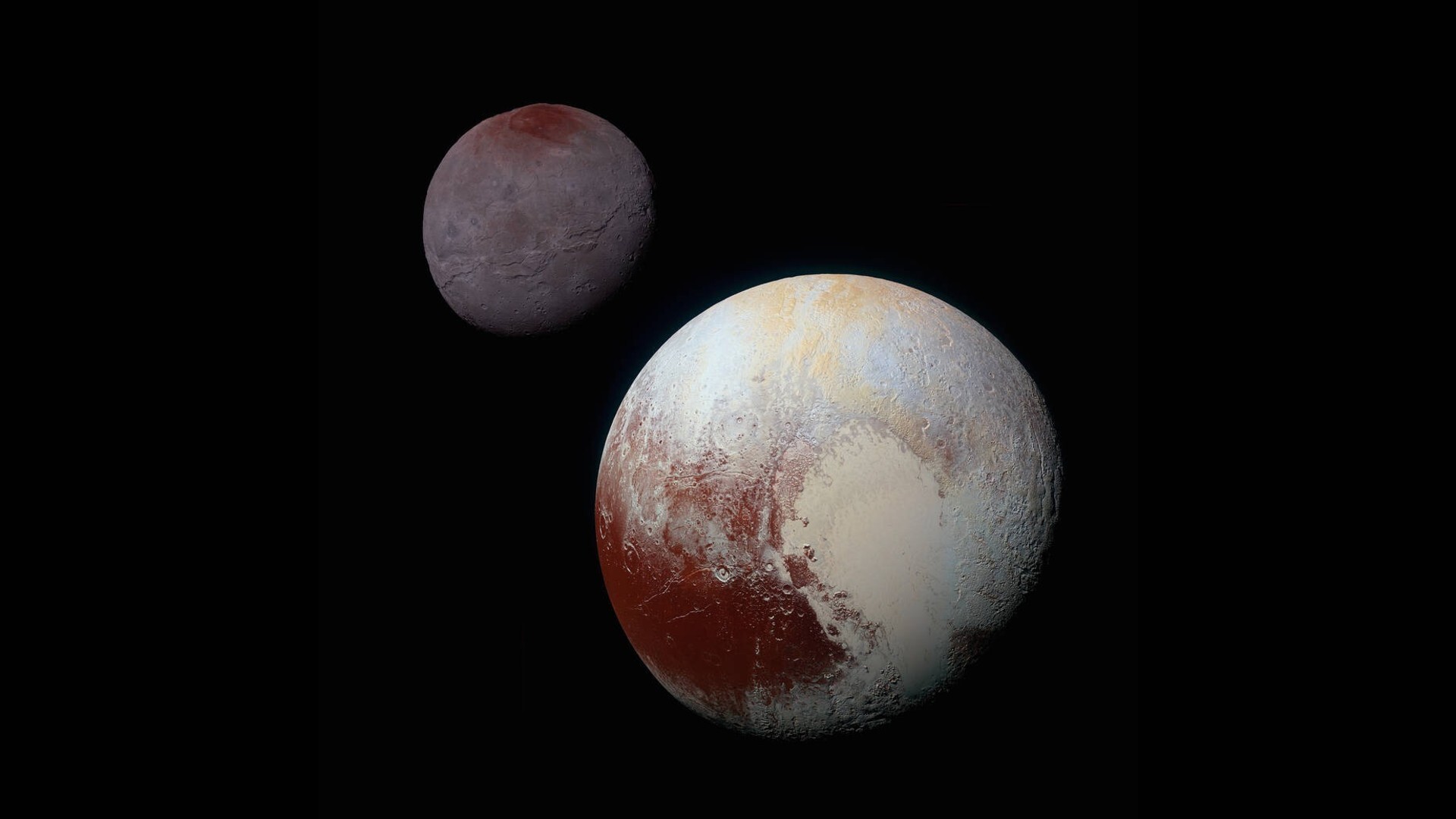
Despite being separated by billions of miles, Saturn’s moon Titan and the dwarf planet Pluto share an unexplained surface signature.
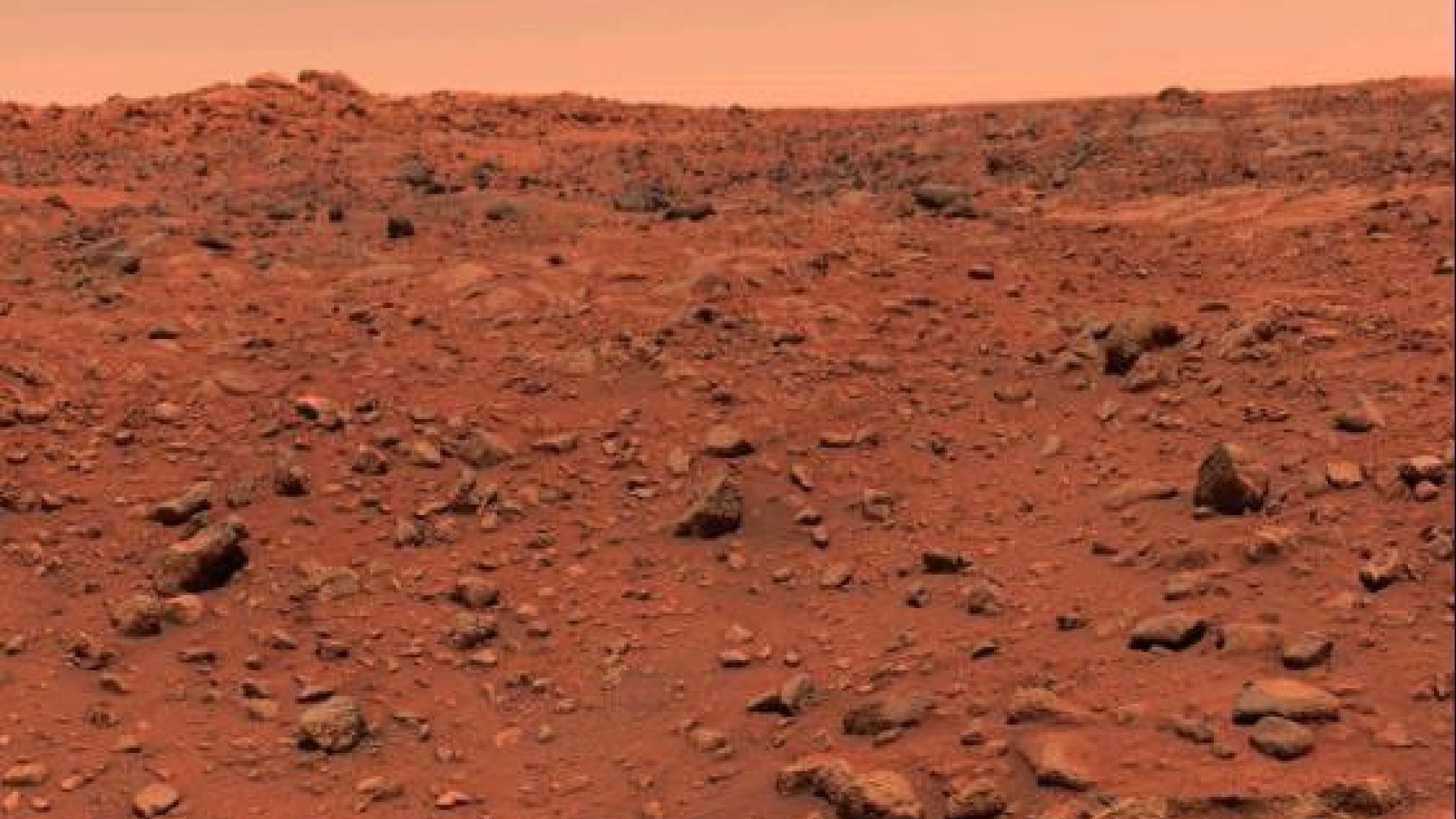
NASA’s Viking 1 mission blazed a crucial trail with its Mars landing on July 20, 1976. Now, half a century later, that trail leads up into the Red Planet’s skies.
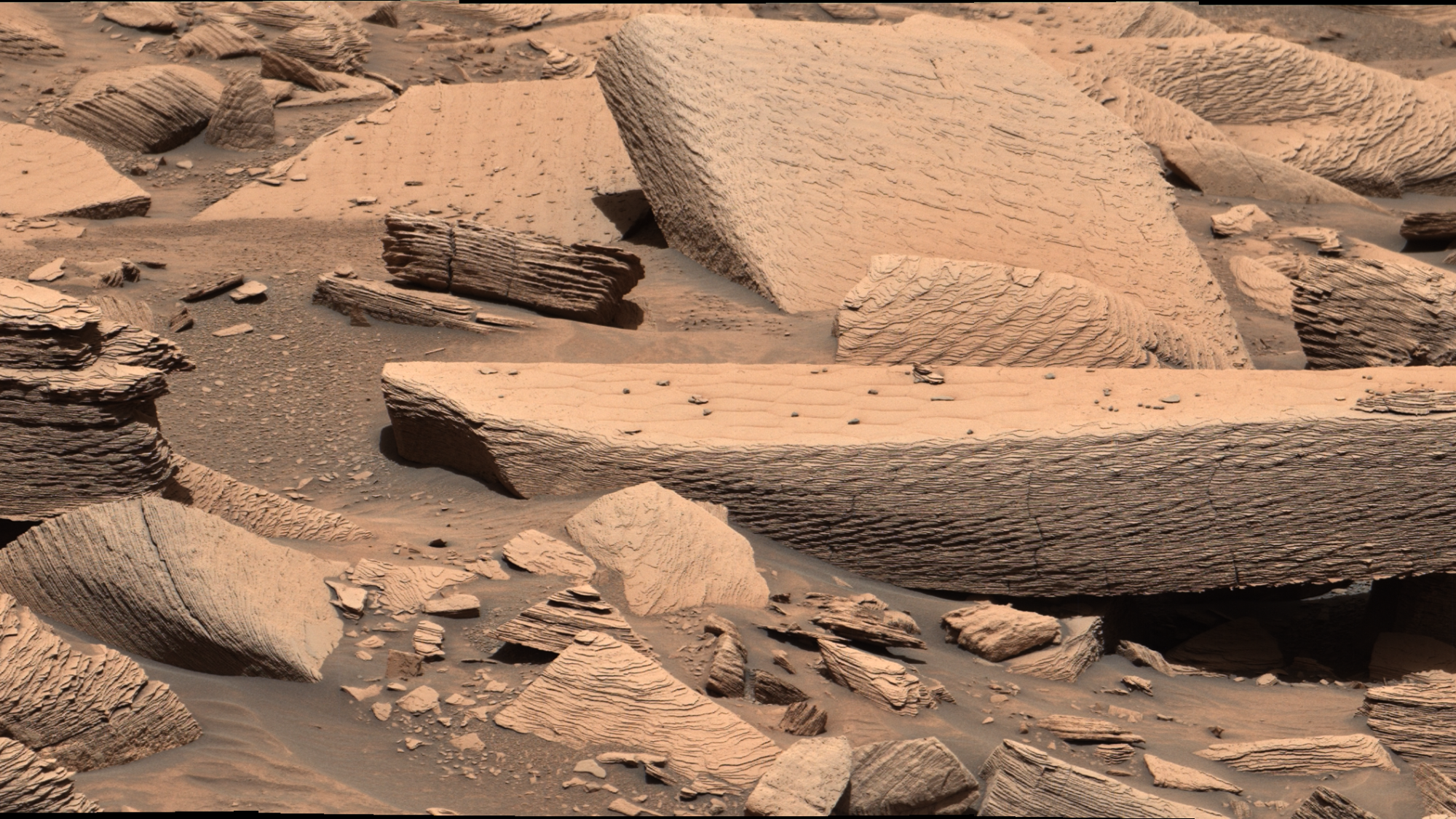
Remnants from Martian history stay scattered across the planet’s surface.
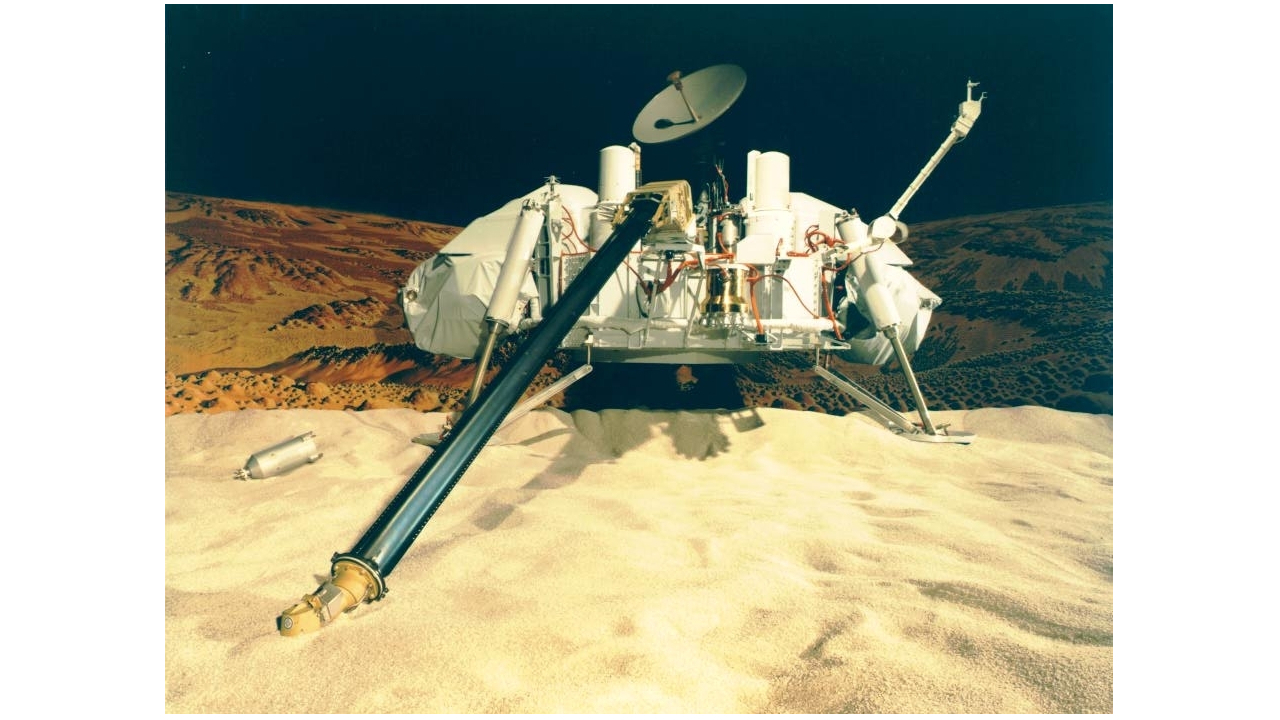
Did Viking 1 find evidence of life on Mars? Fifty years after the NASA lander touched down, the jury is still out.
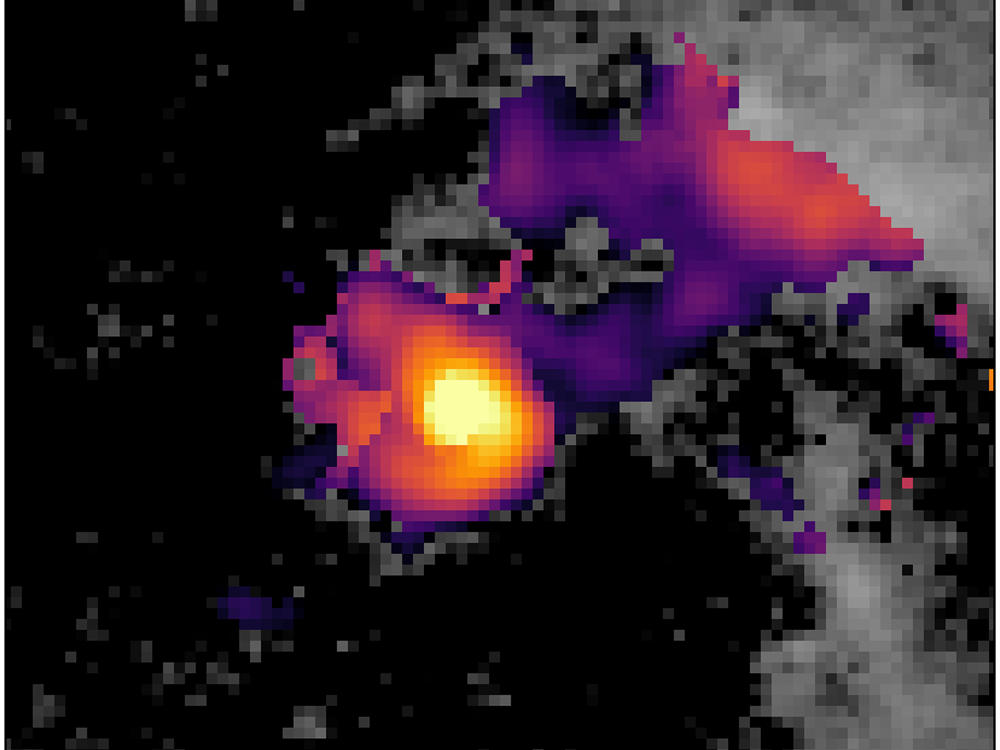
Using the James Webb Space Telescope (JWST), astronomers have gotten a glimpse at the mechanisms that supermassive black holes use to feed themselves.
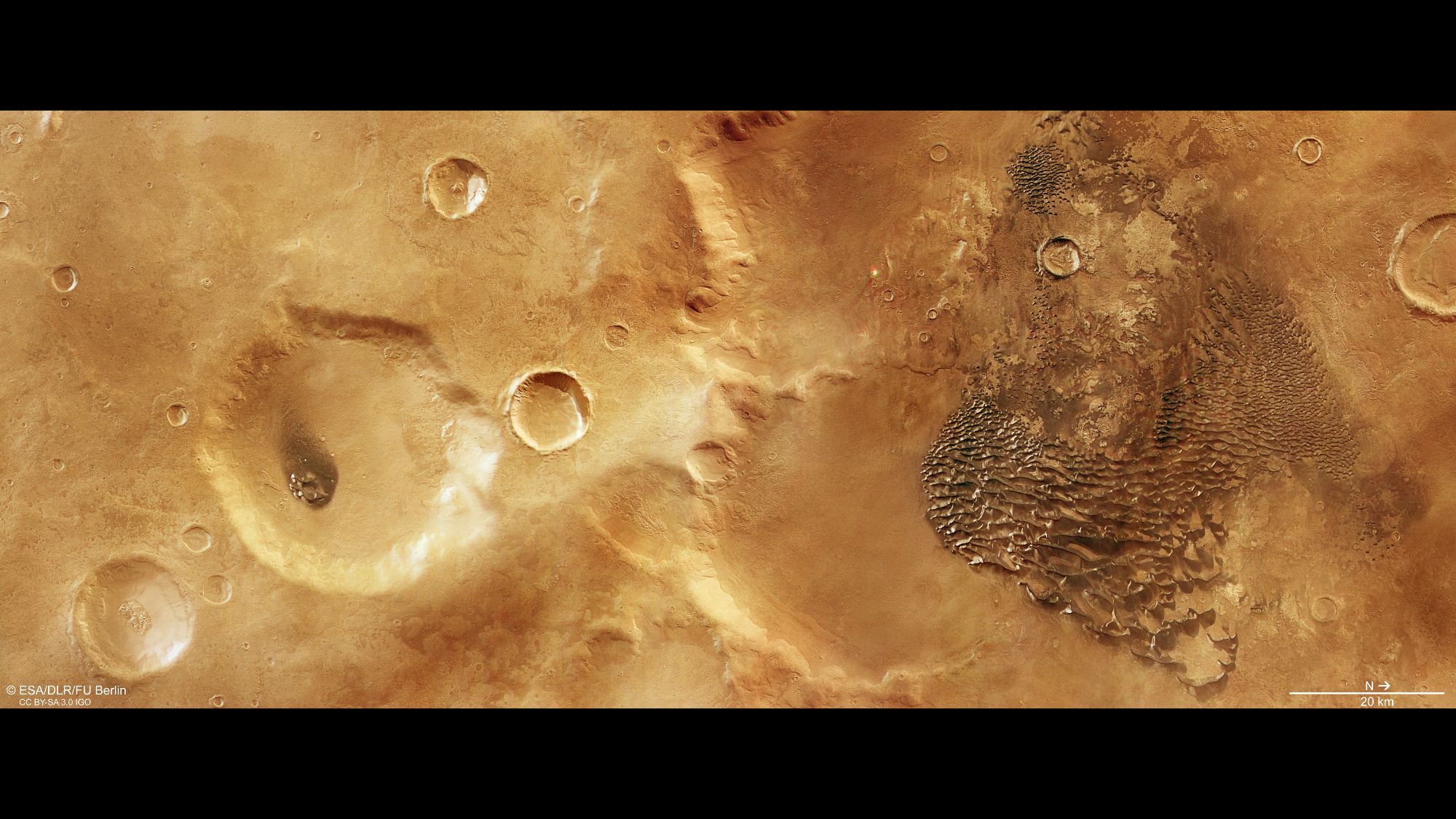
New images from the European Space Agency’s Mars Express orbiter have captured strange-looking waves on the Red Planet.