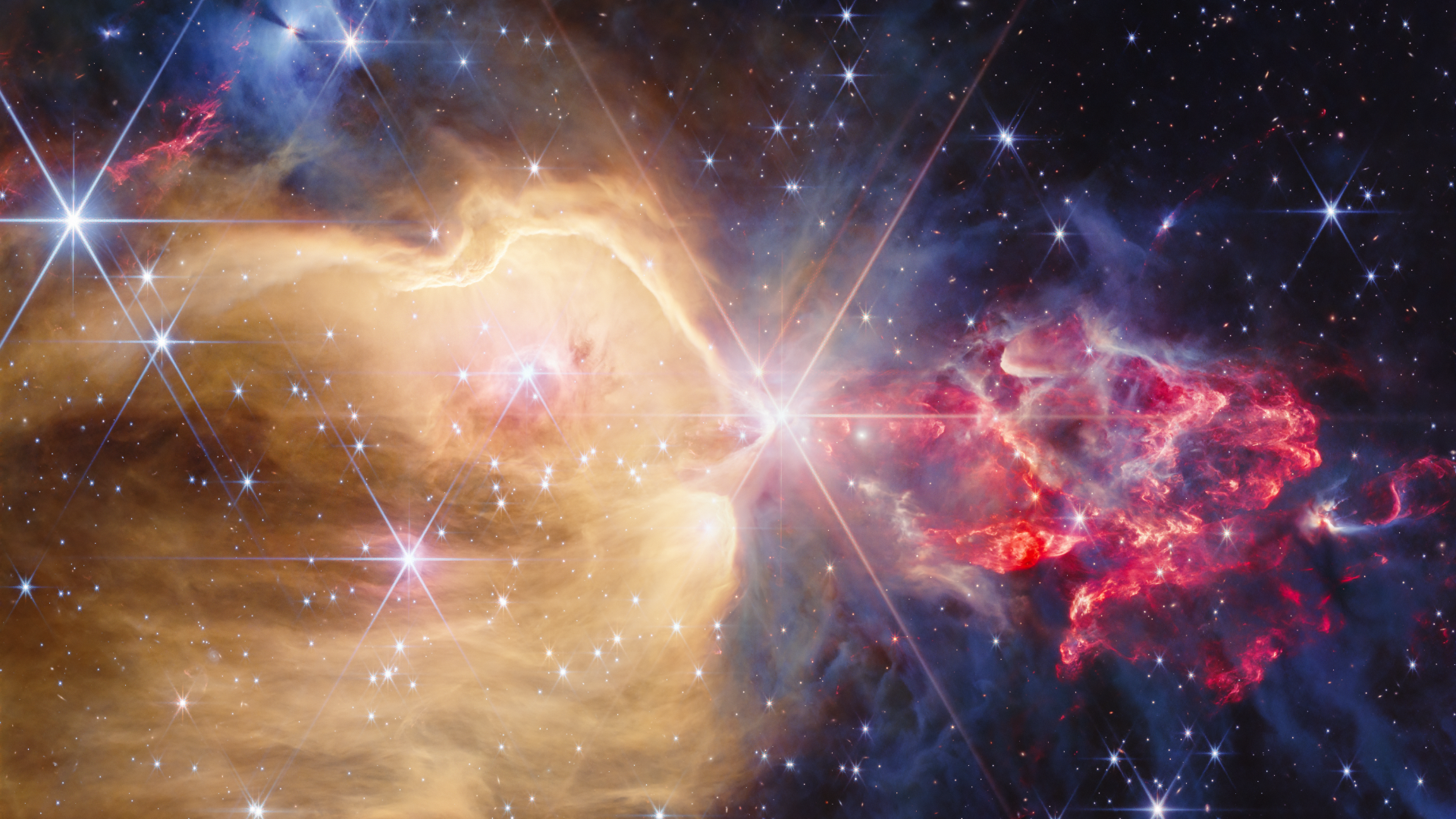
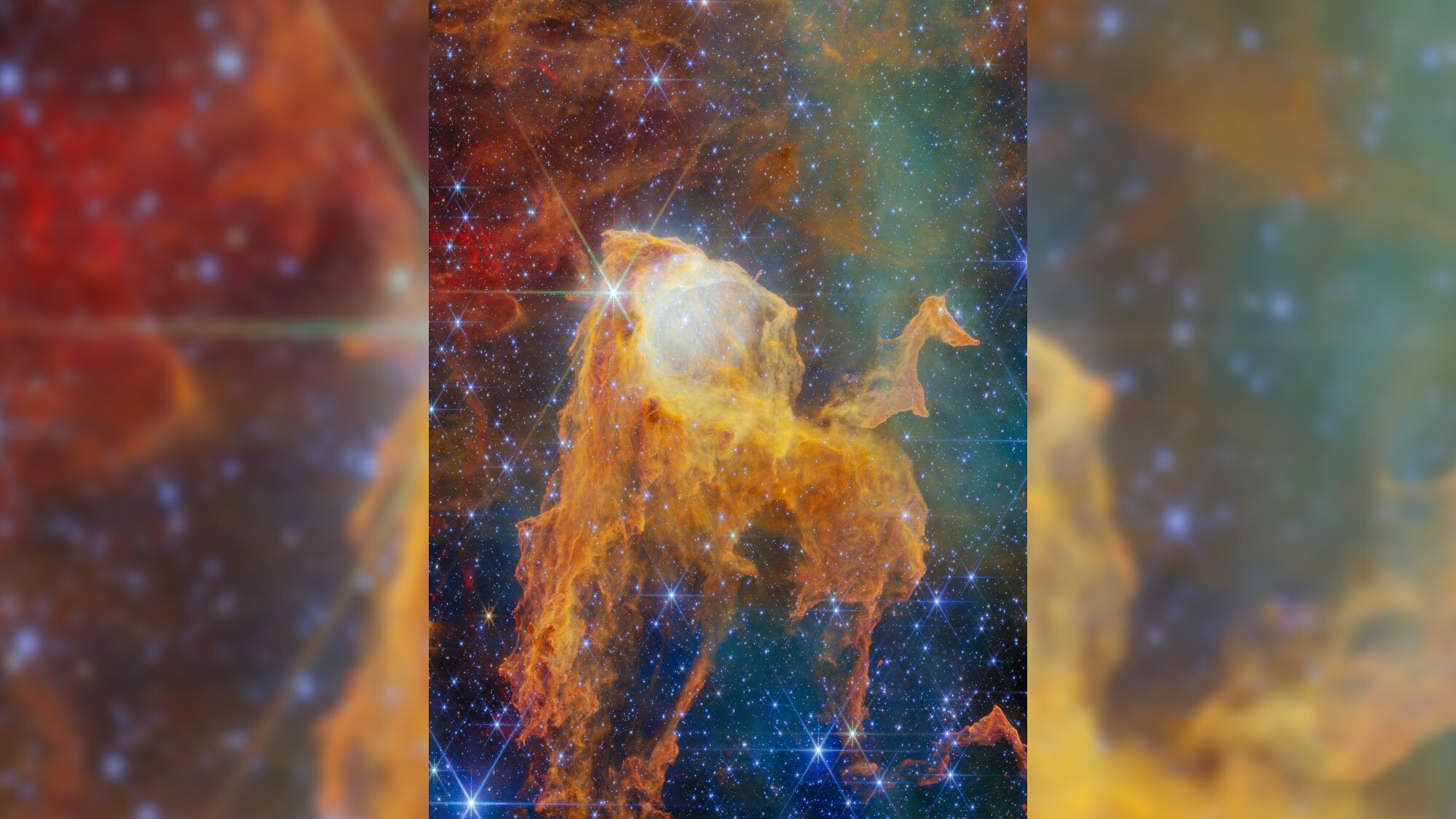
The nebula NGC 7129, as seen in a brand new image from the James Webb Space Telescope.
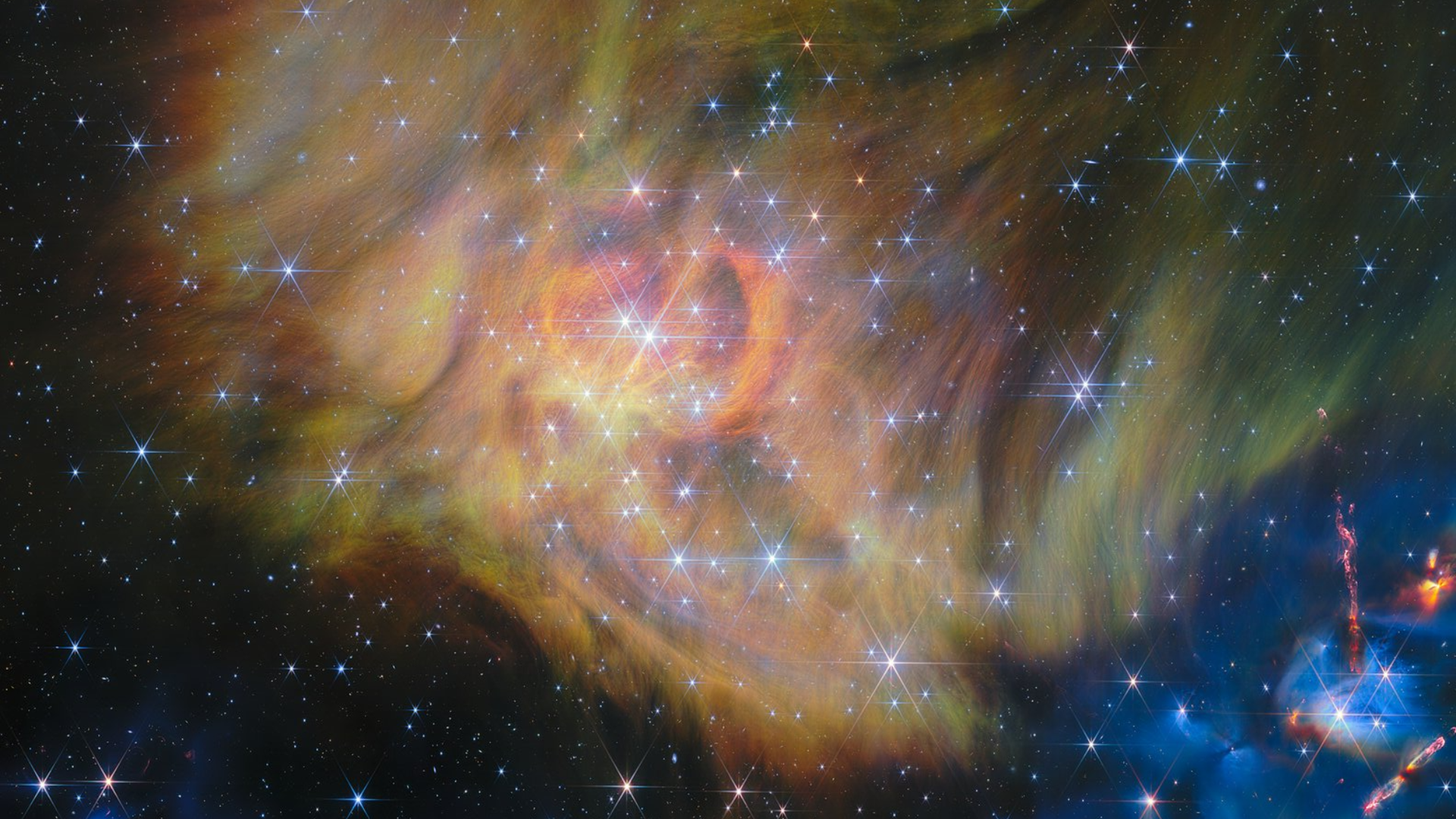
James Webb Space Telescope spies colossal cosmic cloud | Space photo of the day for Sept. 16, 2026
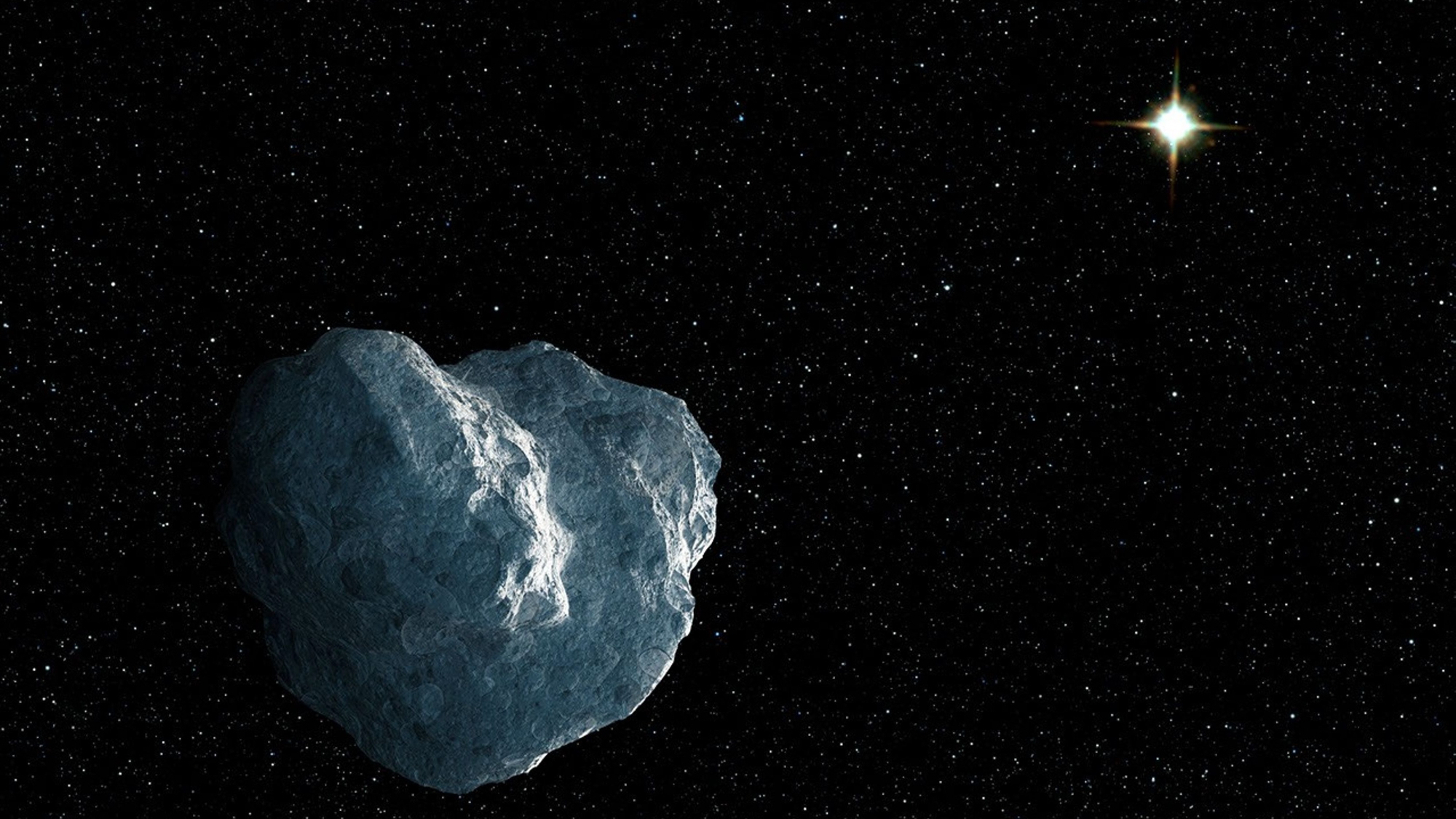
The Hubble and James Webb space telescopes discovered some surprising things about 27 new tiny objects far beyond the orbit of Neptune.
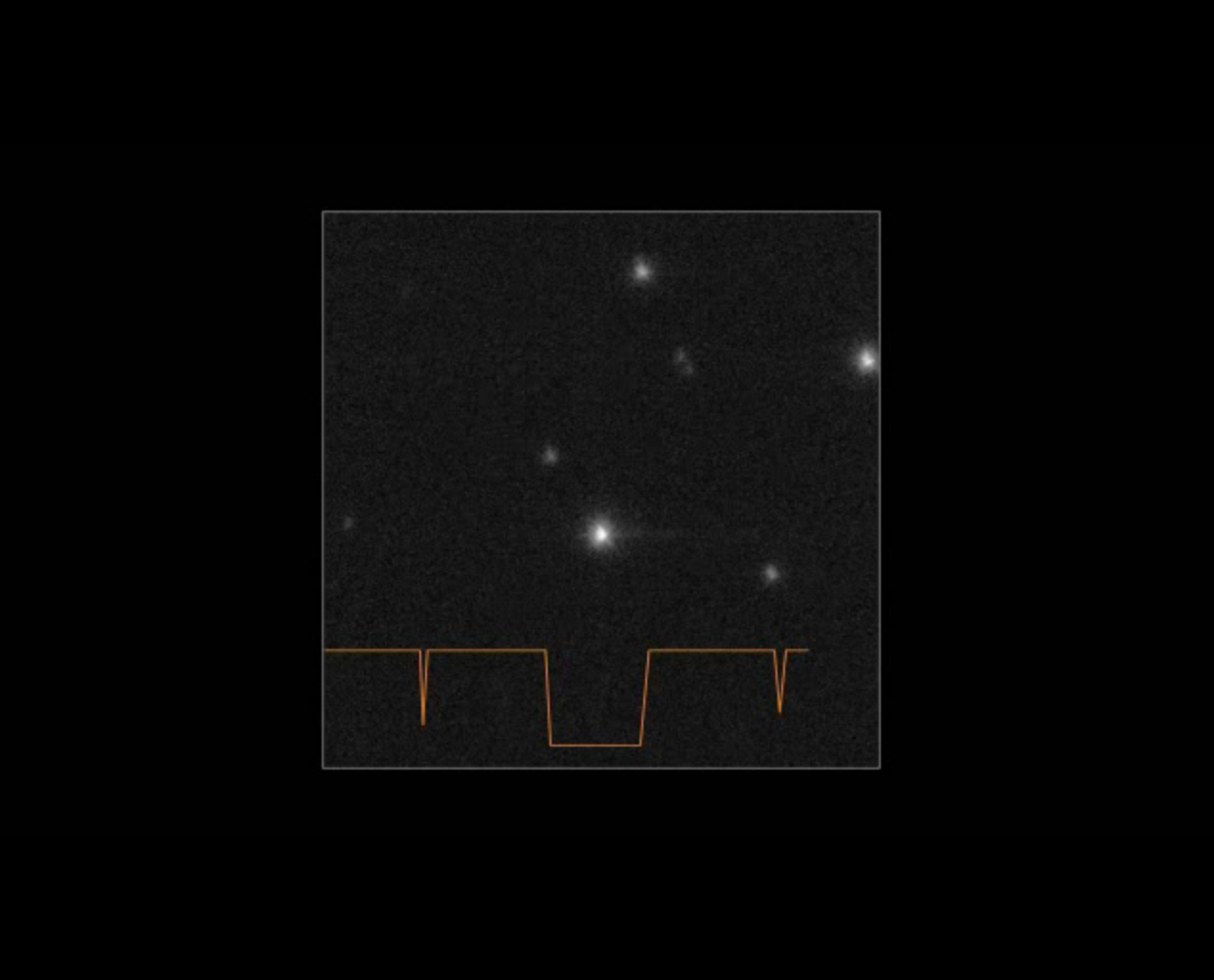
Using the James Webb Space Telescope, astronomers have discovered that the ring system of the tiny solar system body is even more interesting than they knew.
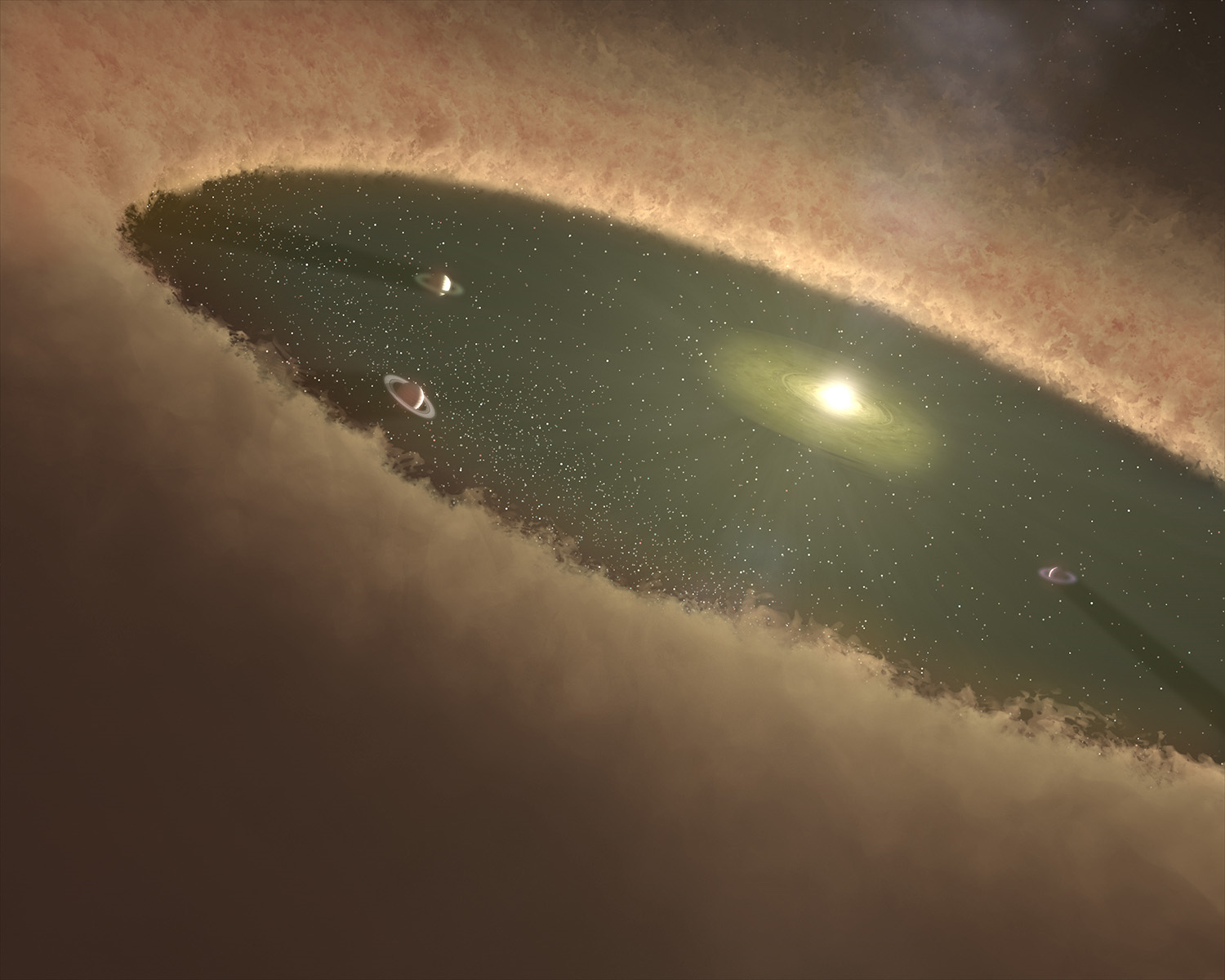
Using the James Webb Space Telescope, astronomers have studied 72 young sun-like stars to discover that forming planets is a real race against time.
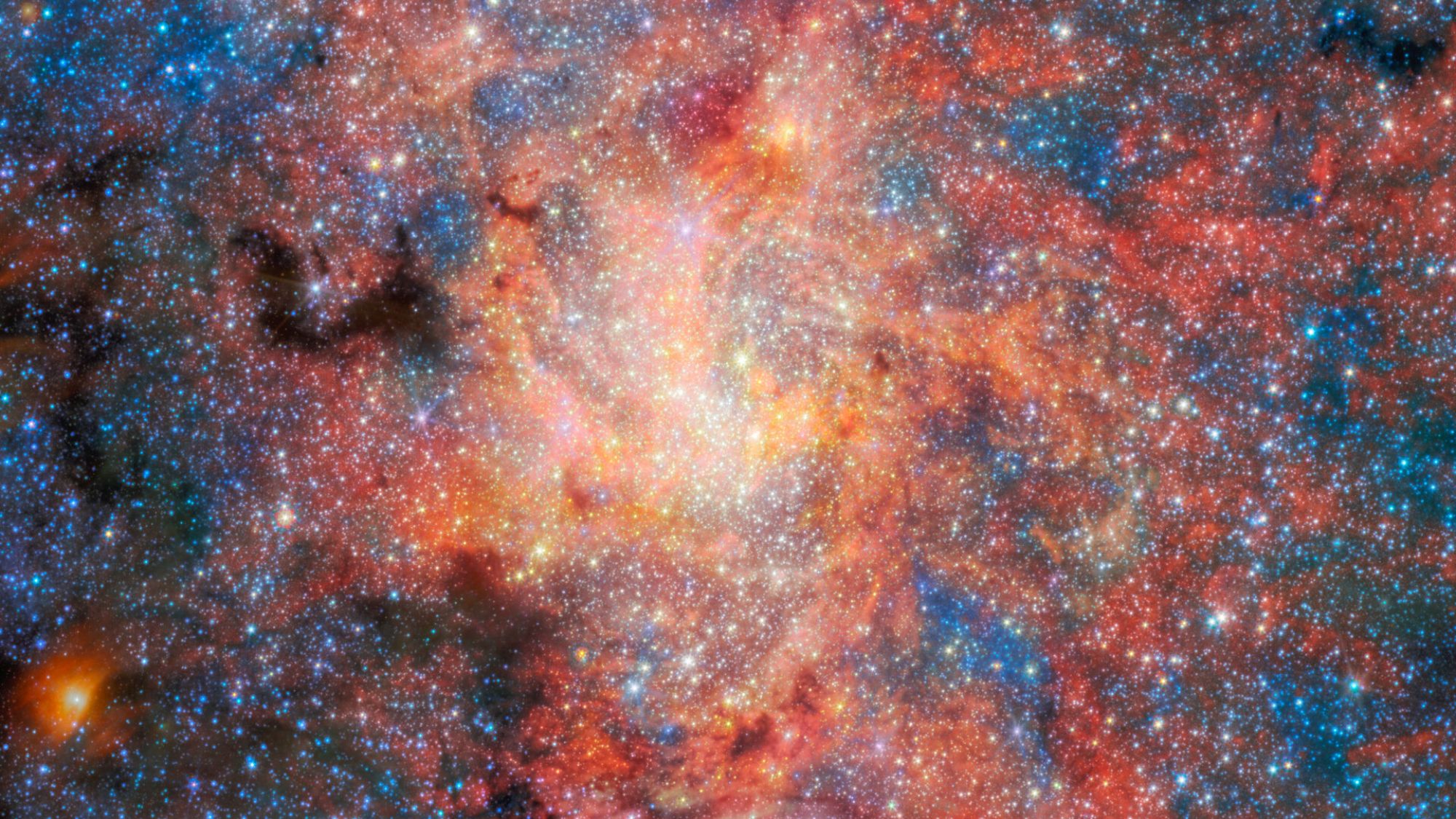
Water and cosmic dust can survive in the harsh environment near Sagittarius A*, new observations reveal.
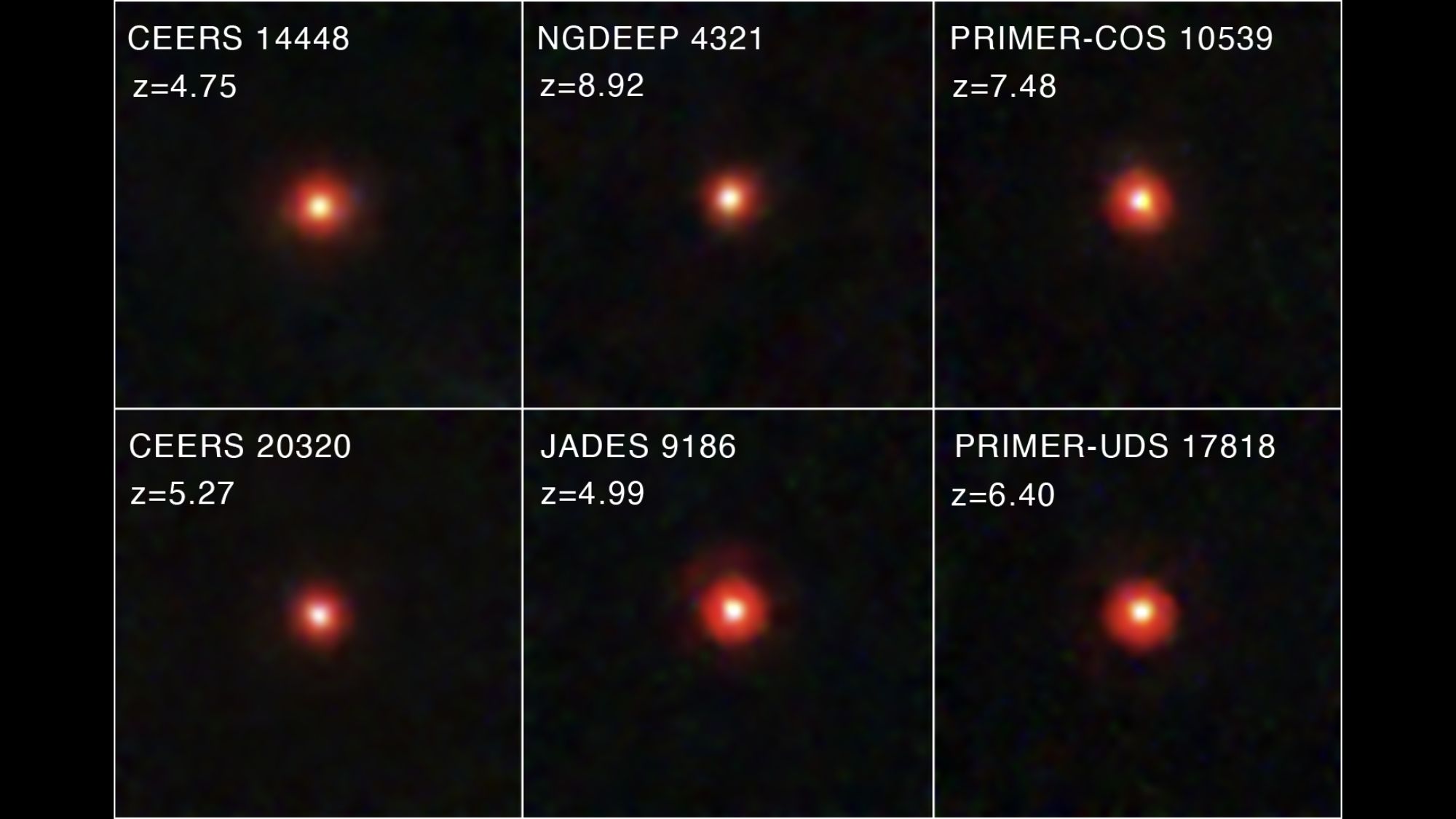
A distant black hole star is providing strong evidence that these objects lie at the hearts of the mysterious little red dots found shortly after the Big Bang by the James Webb Space Telescope.
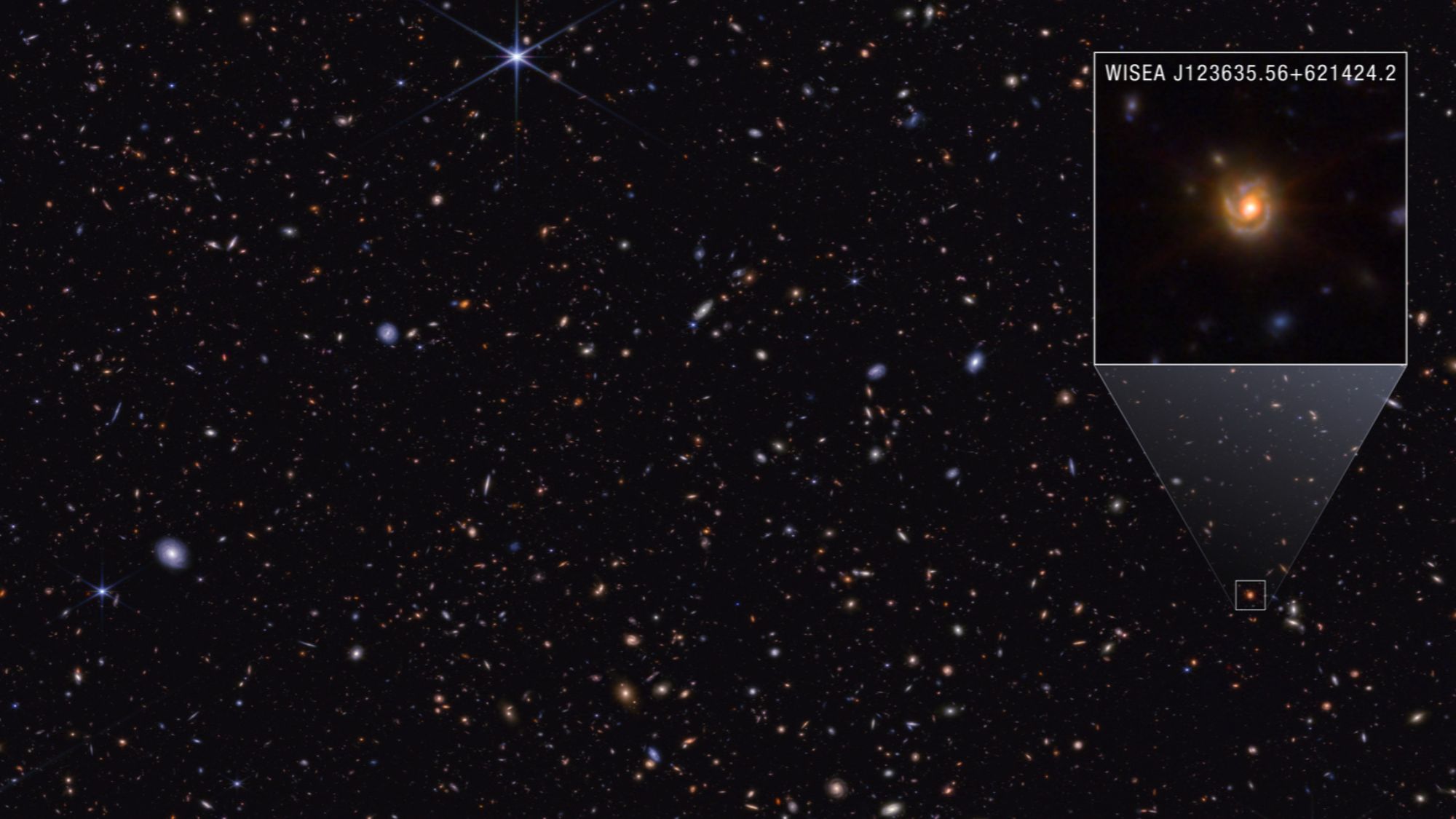
The James Webb Space Telescope’s strange “little red dots” may be evolving into spiral galaxies.
The Carina Nebula is truly something to behold in this new snapshot.

Just as the dinosaurs didn’t disappear but rather evolved into birds, cosmic dinosaurs in the form of the JWST’s Little Red Dots may fade away completely.