
During El Niño, a cascade of fires across the tropics begins in equatorial Asia and continues in the central and eastern Amazon.
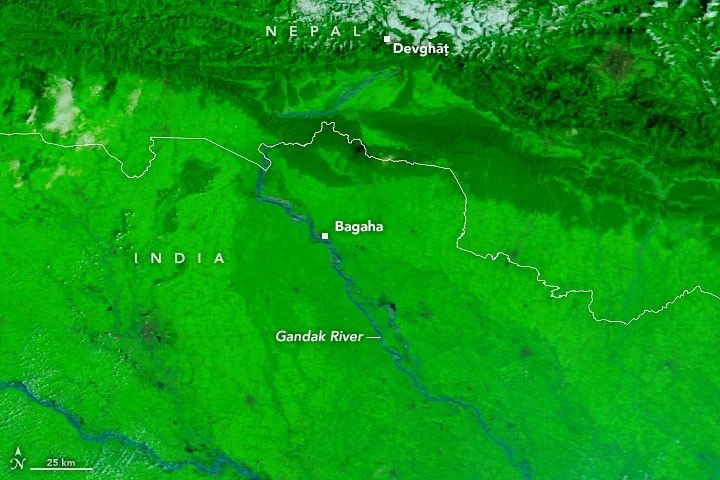
After days of torrential rain, the river rose to record-breaking levels in parts of Nepal and India.
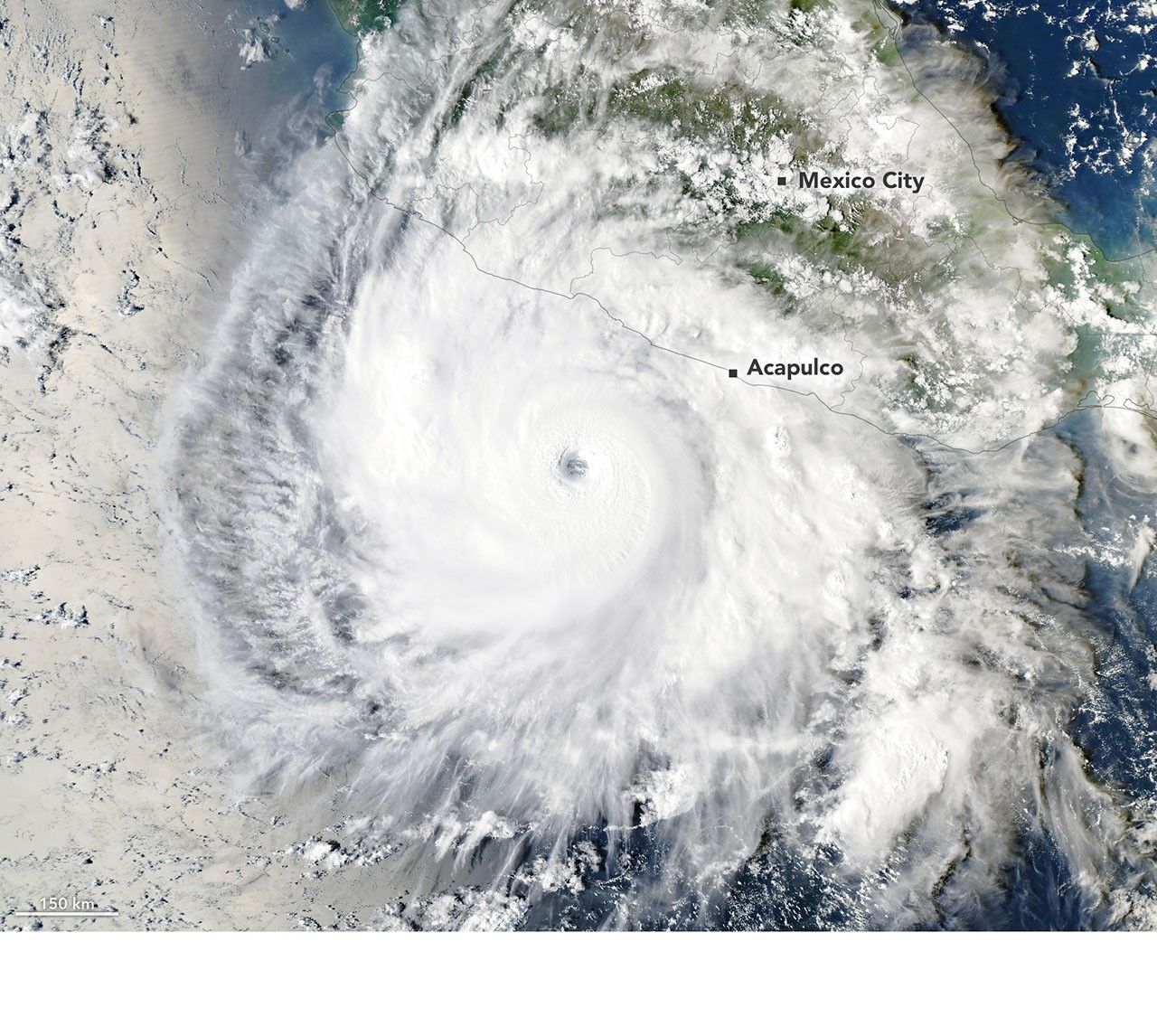
Several ingredients came together off the Pacific coast of Mexico to generate one of the strongest storms the eastern Pacific basin has ever seen.

A low-lying cloud layer brought autumn ambience to western Washington and Oregon, while mountainous areas near the coast remained above the pall.
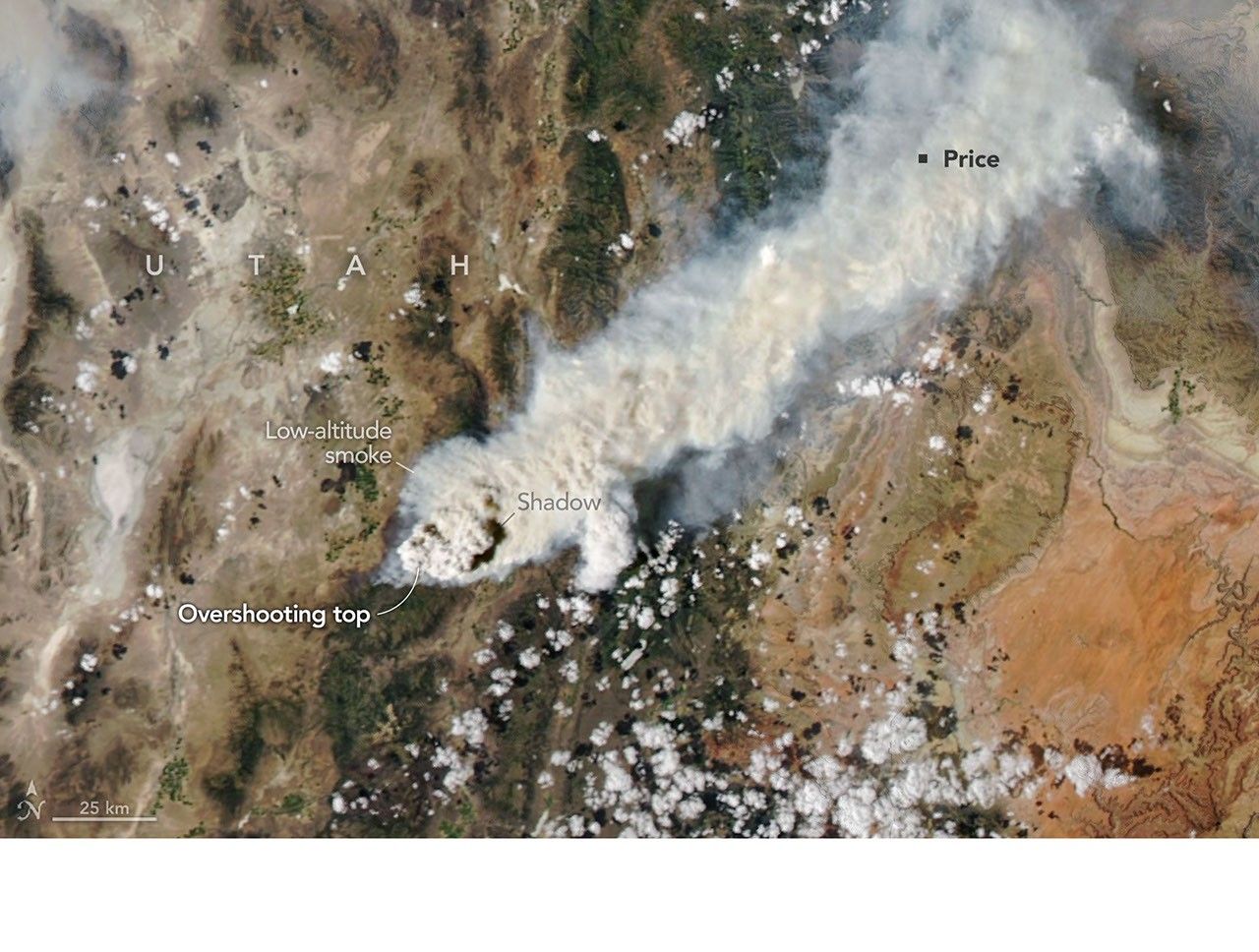
NASA aircraft are sampling smoke lofted high into the atmosphere by one of the most formidable cloud types in the sky—towering, smoke-infused pyrocumulonimbus.
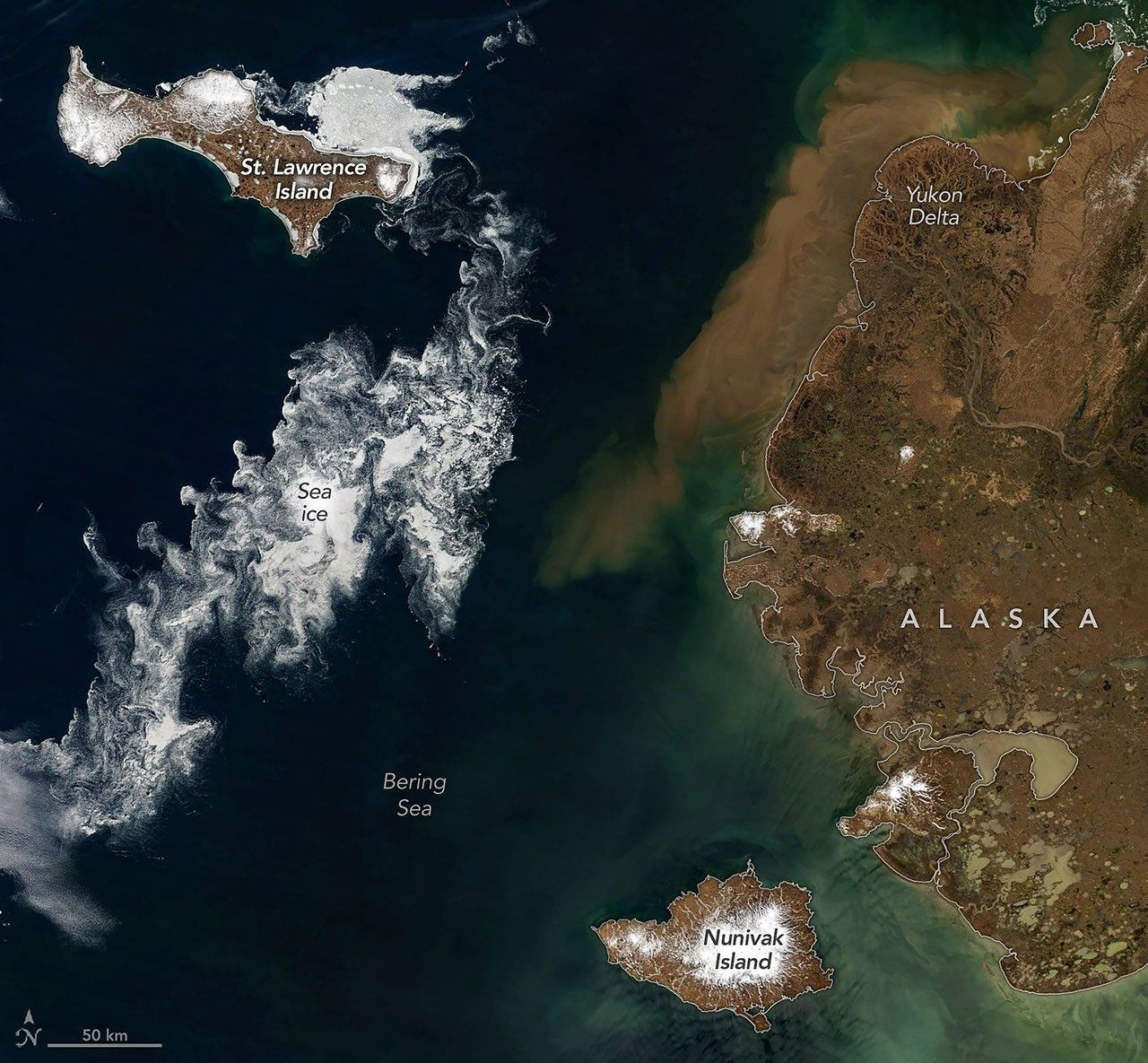
Drifting sea ice fragments near Alaska’s Saint Lawrence and Nunivak islands and colorful water around the Yukon Delta heralded the approach of the summer solstice.

As Earth’s oceans warm, microscopic marine organisms are experiencing increasing stress due to a lack of vital nutrients. A new study combining NASA satellite observations, ocean surveys, and genetic testing on marine microorganisms suggests that warming ocean waters are limiting nutrient availability across much of the global ocean, with the potential to reshape marine ecosystems. The research, published June 5 […]
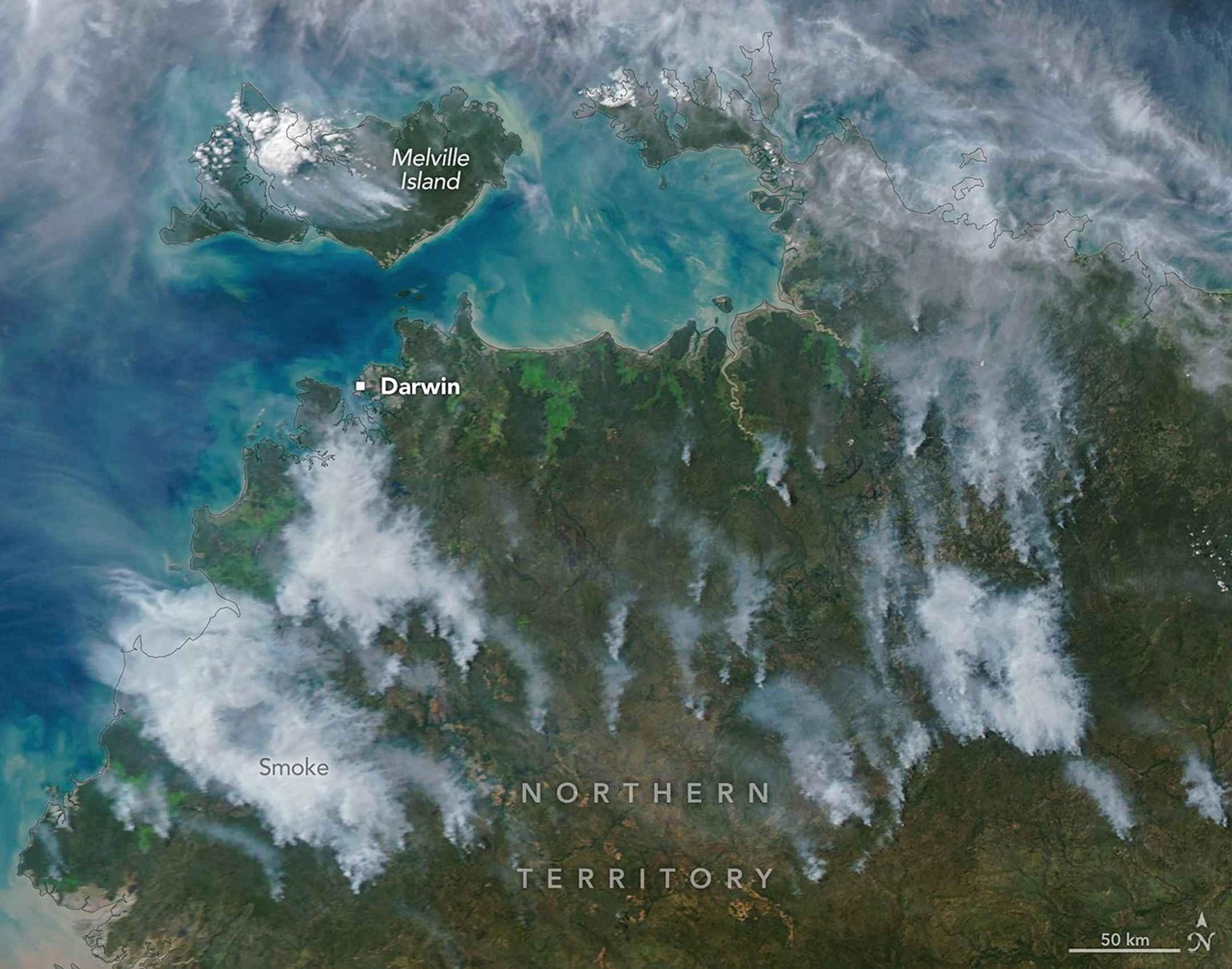
In fire-prone ecosystems in Australia’s Northern Territory, prescribed burns are lit to minimize the severity of fires later in the season.

An early autumn storm left higher elevations in southern Argentina with a fresh and fleeting coat of white.

The National fire has burned tens of thousands of acres within the Florida preserve, fueled by vegetation dried by prolonged drought and killed by recent frost.