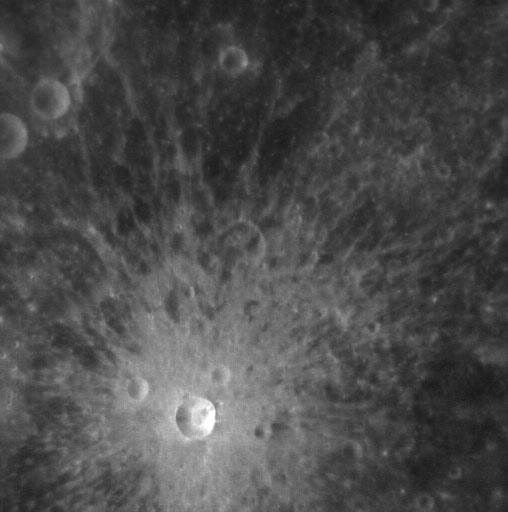
Wrinkles on the surface of Mercury have revealed that the closest planet to the sun is shrinking faster than scientists thought.
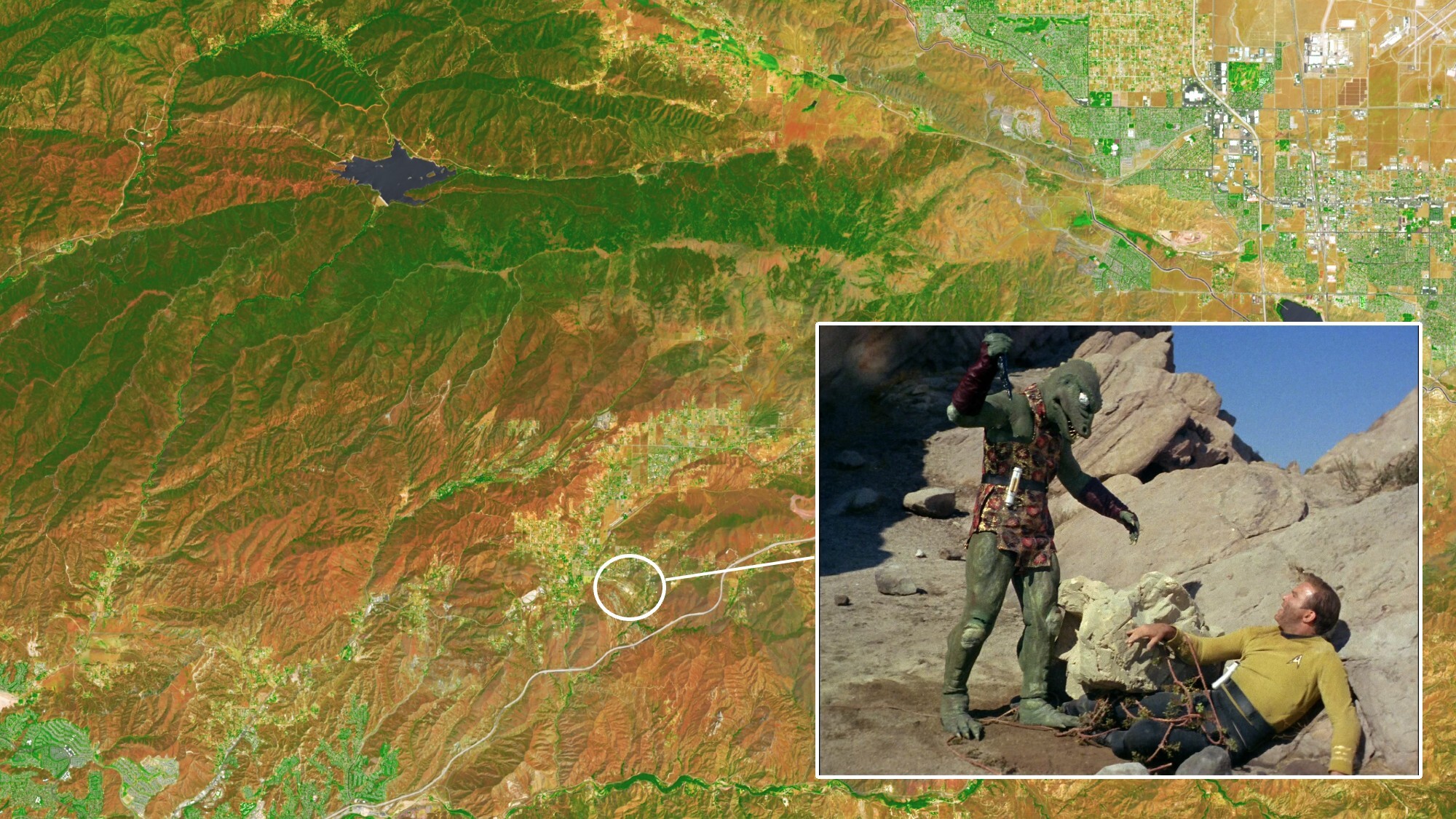
This new satellite image shows Vasquez Rocks in southern California, where Captain Kirk once faced off against the Gorn.
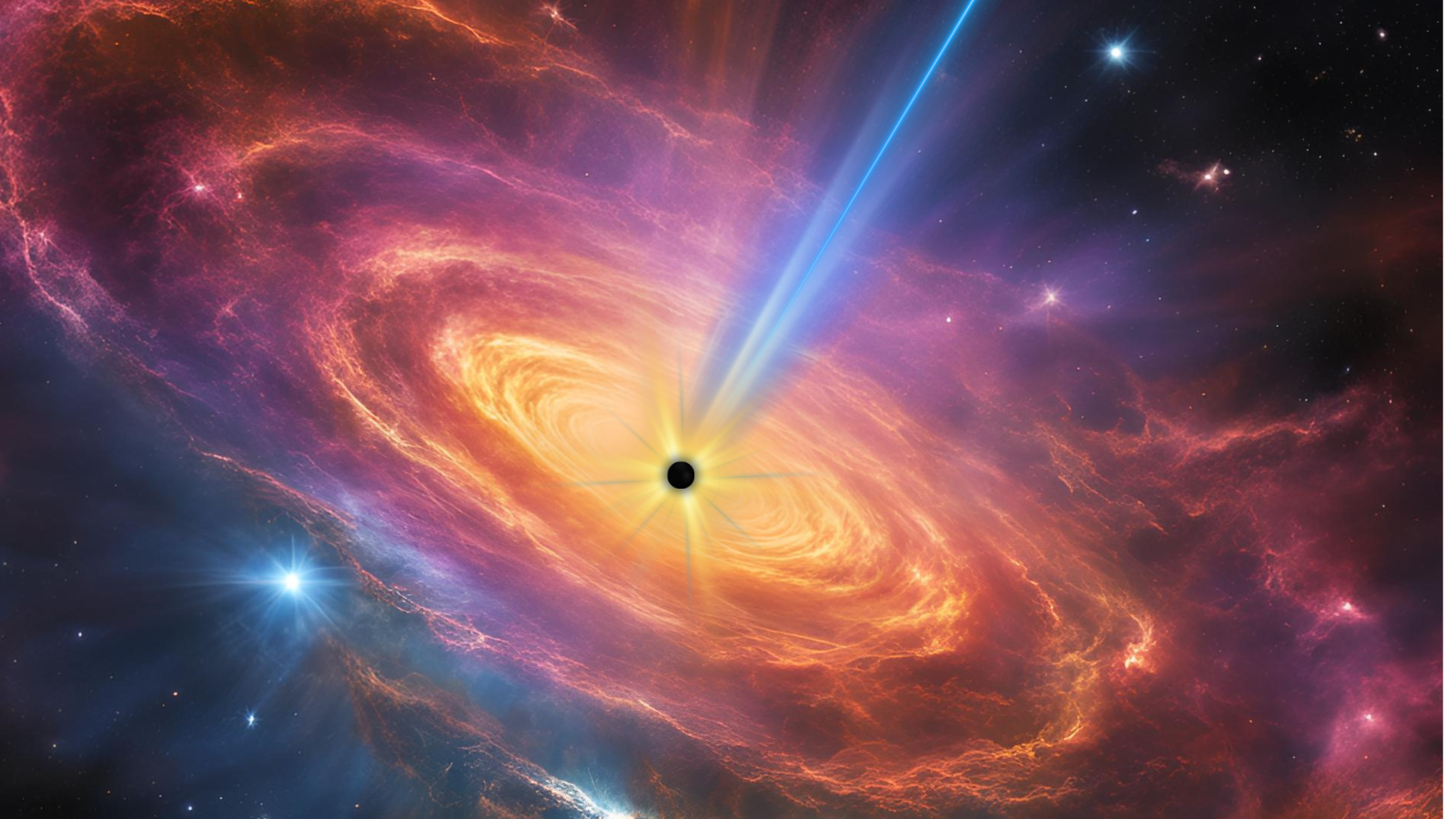
Though their origins may be shrouded in mystery, fast radio bursts could be used to probe some of the universe’s biggest puzzles, including the nature of dark matter and dark energy.
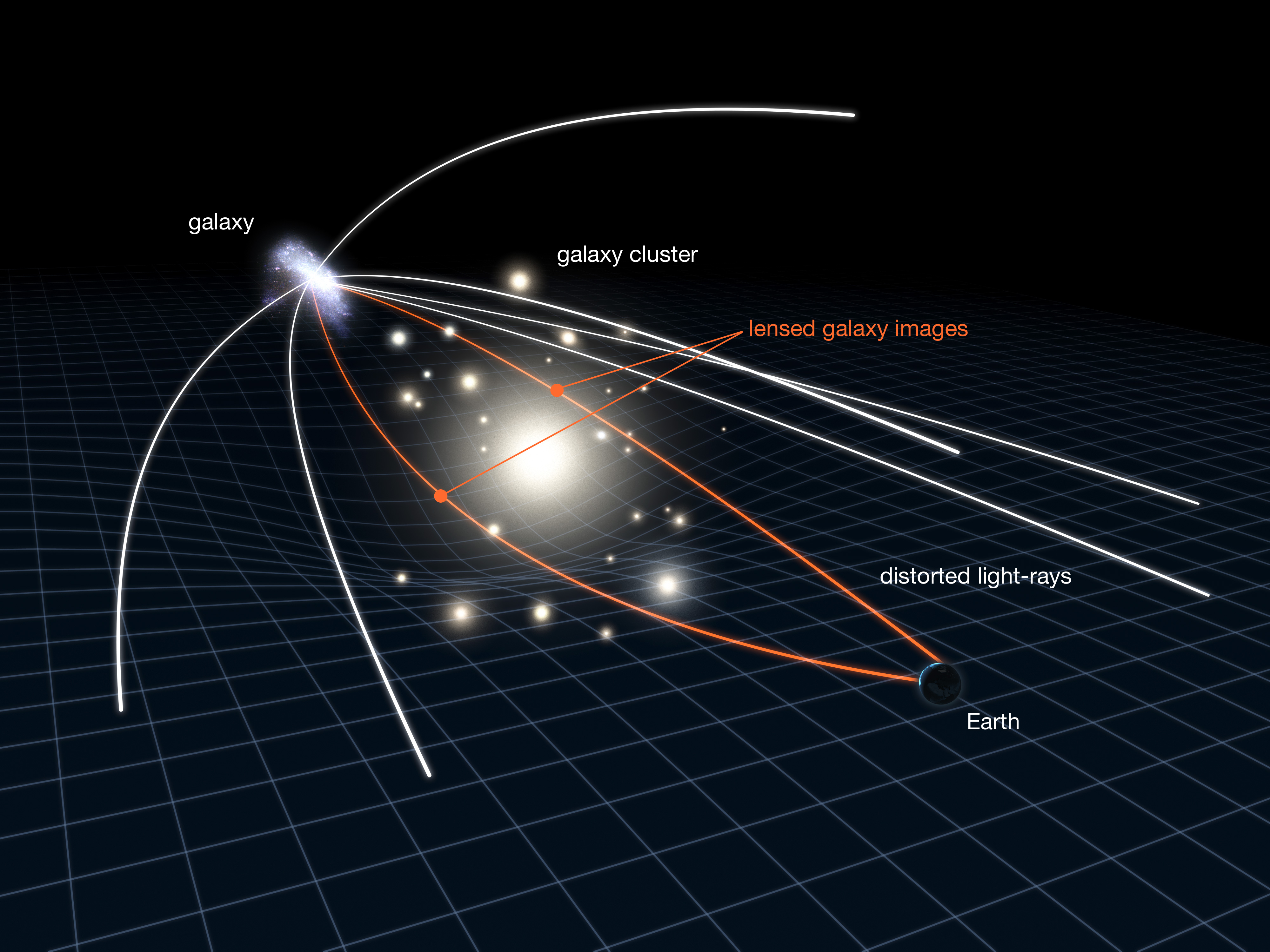
A “forbidden” merger between two black holes may not have been quite as impossible as previously thought. New research that suggests the black holes involved were smaller than first calculated.
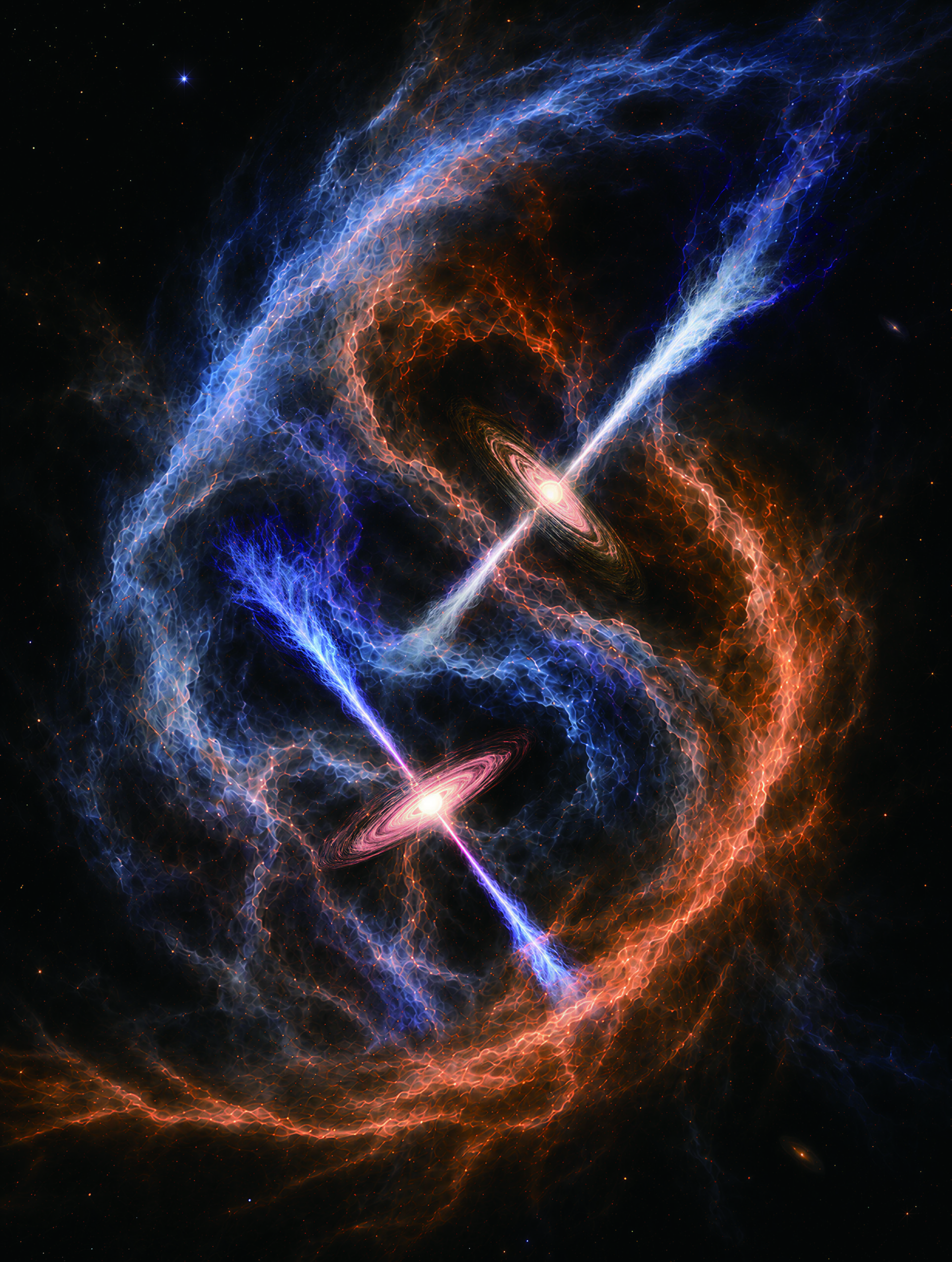
Using ALMA, astronomers have watched as two stars come together to form a massive stellar binary, finding chaos that indicates they emerged from different backgrounds.
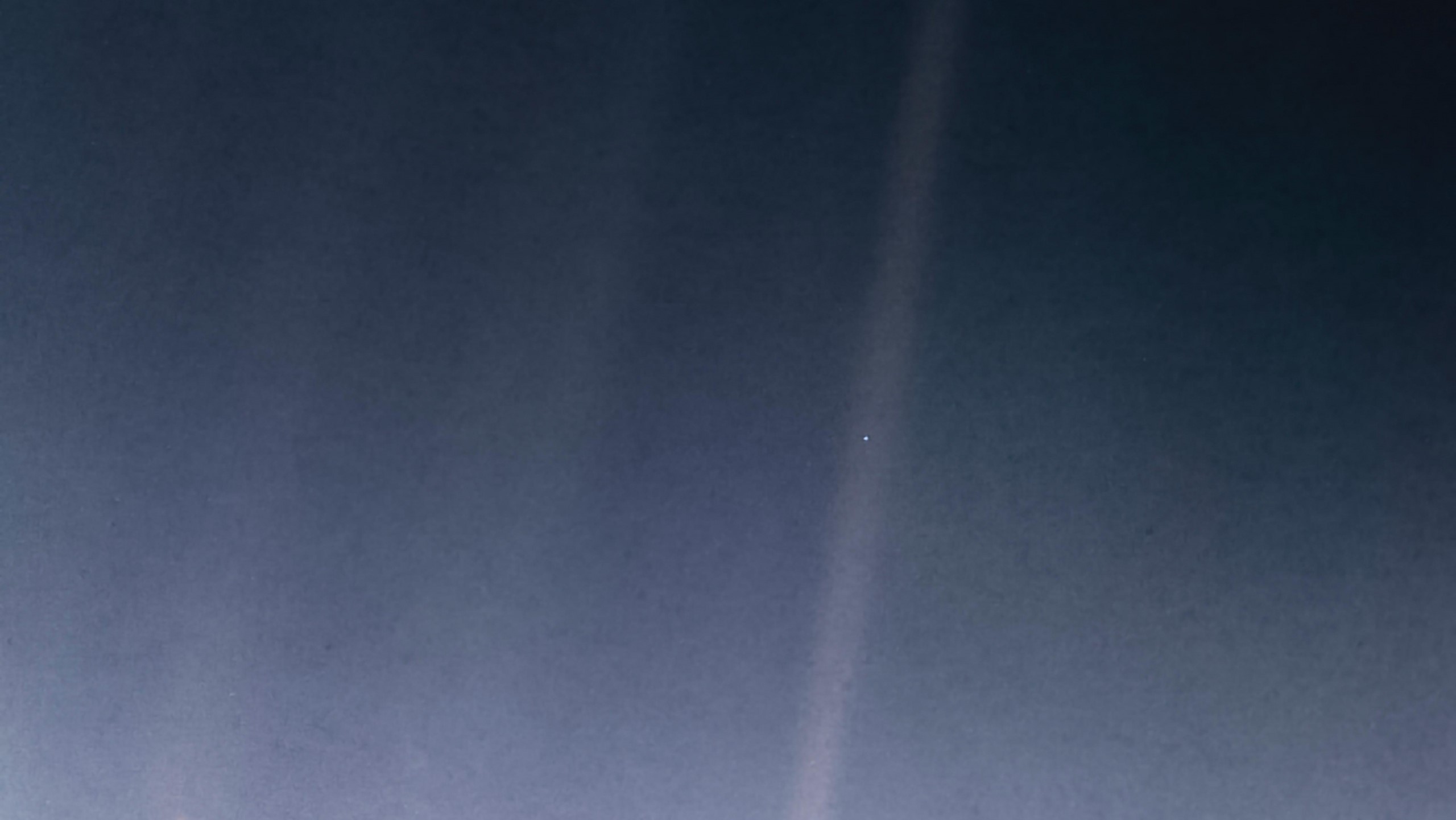
“When you look up at the night sky, most of those stars have planets.”
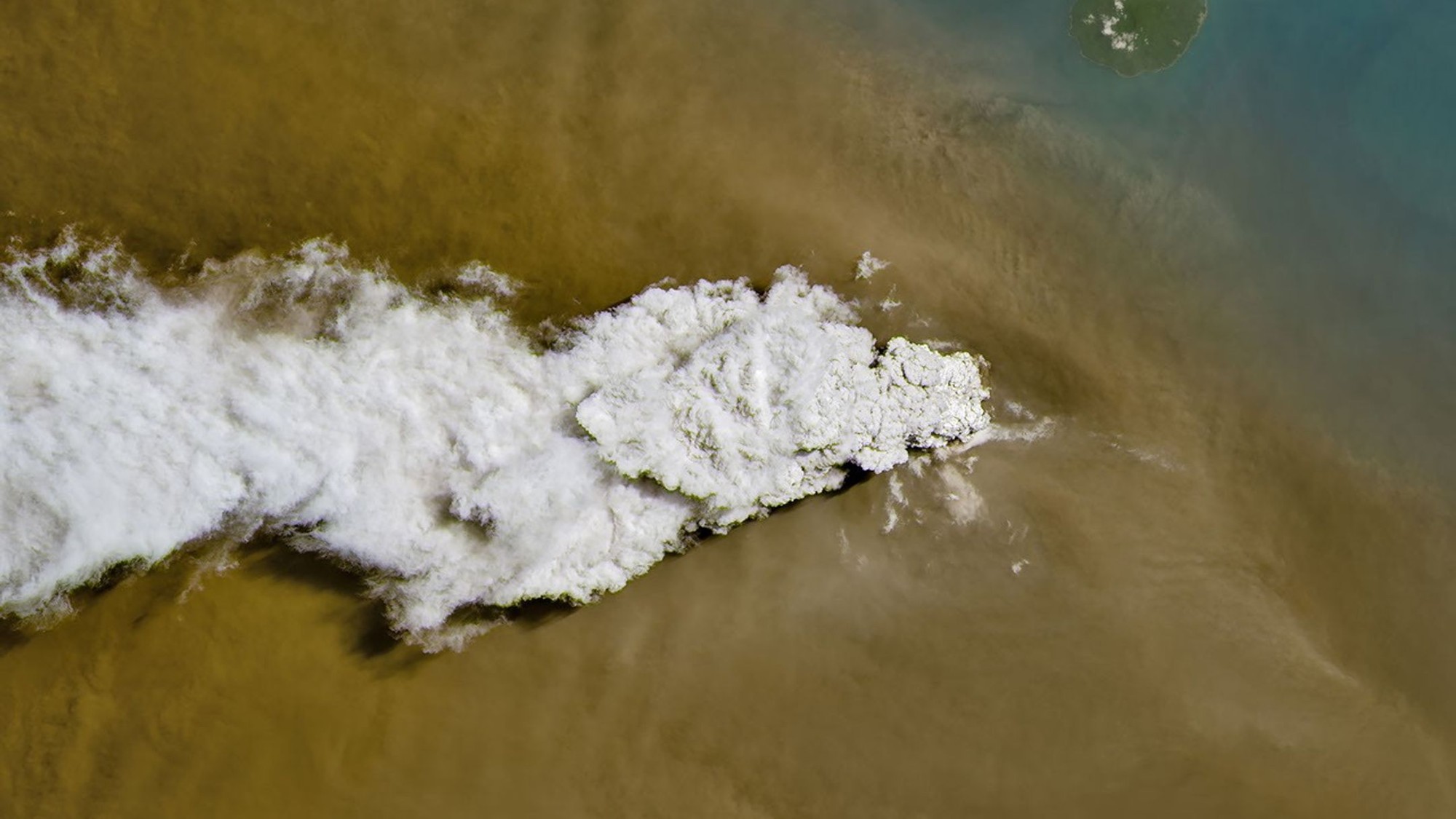
Anak Krakatau erupted, and satellites were watching.
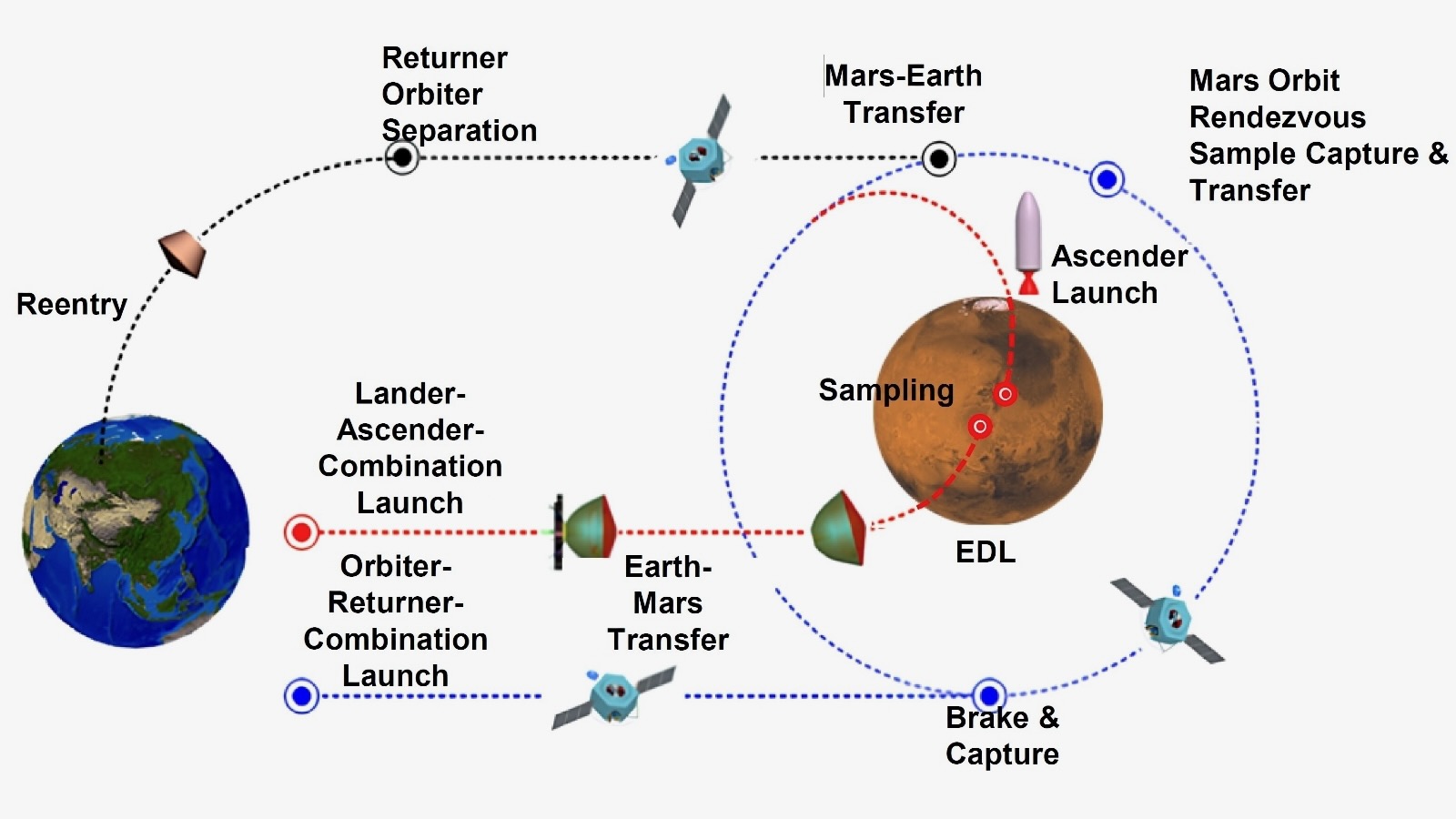
China is making progress on its Tianwen 3 Mars sample-return mission, which aims to launch in 2028 and return a collection of Red Planet dirt and rock to Earth in 2031.
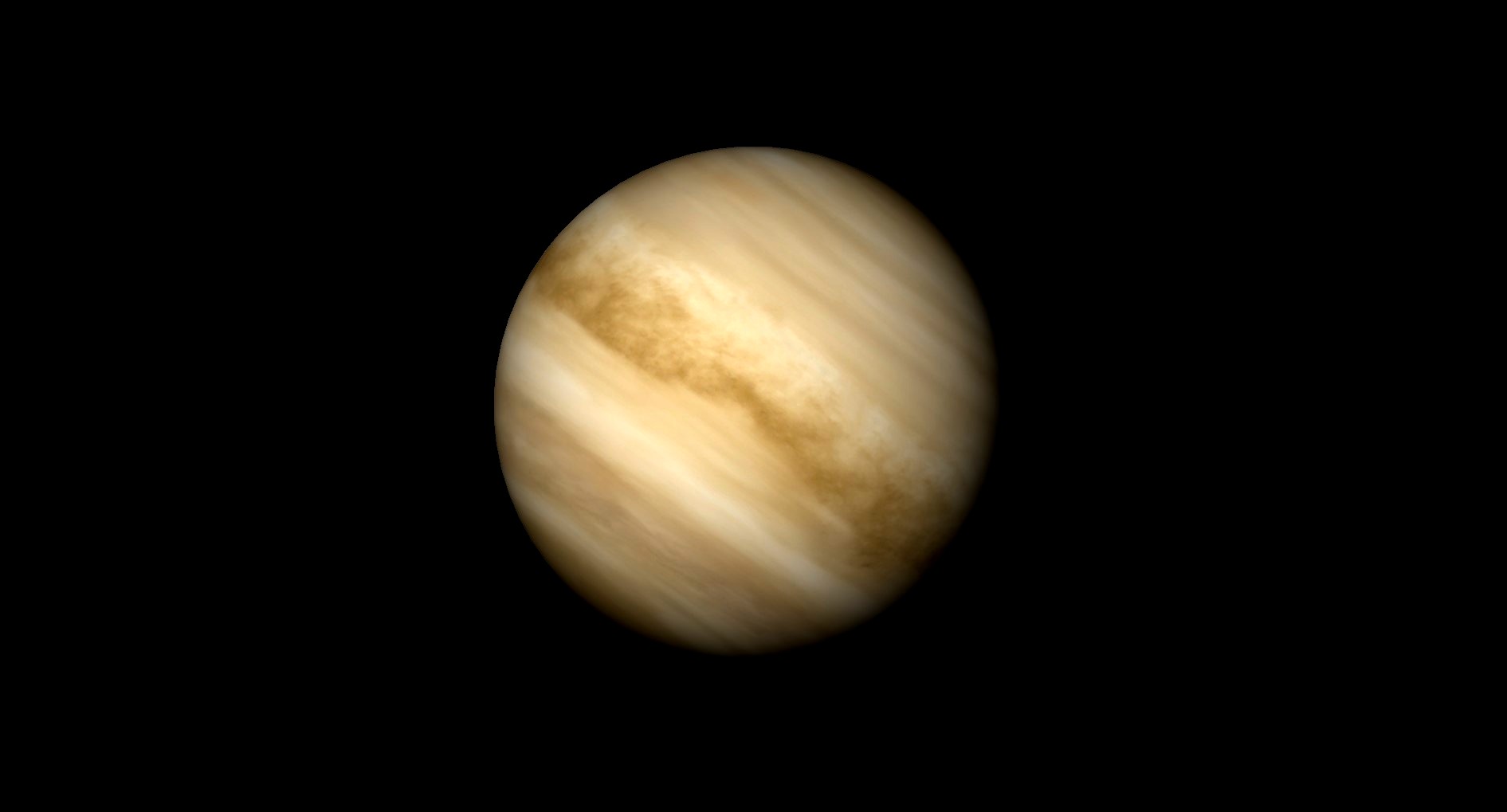
Scientists may finally know why Venus, Earth’s twin, lacks a moon, finding that the hottest planet in the solar system may have consumed its own natural satellite.
One day in history about 4.5 billion years ago was a dramatic one for Earth, potentially giving our planet an instant moon and an almighty headache all in one go.