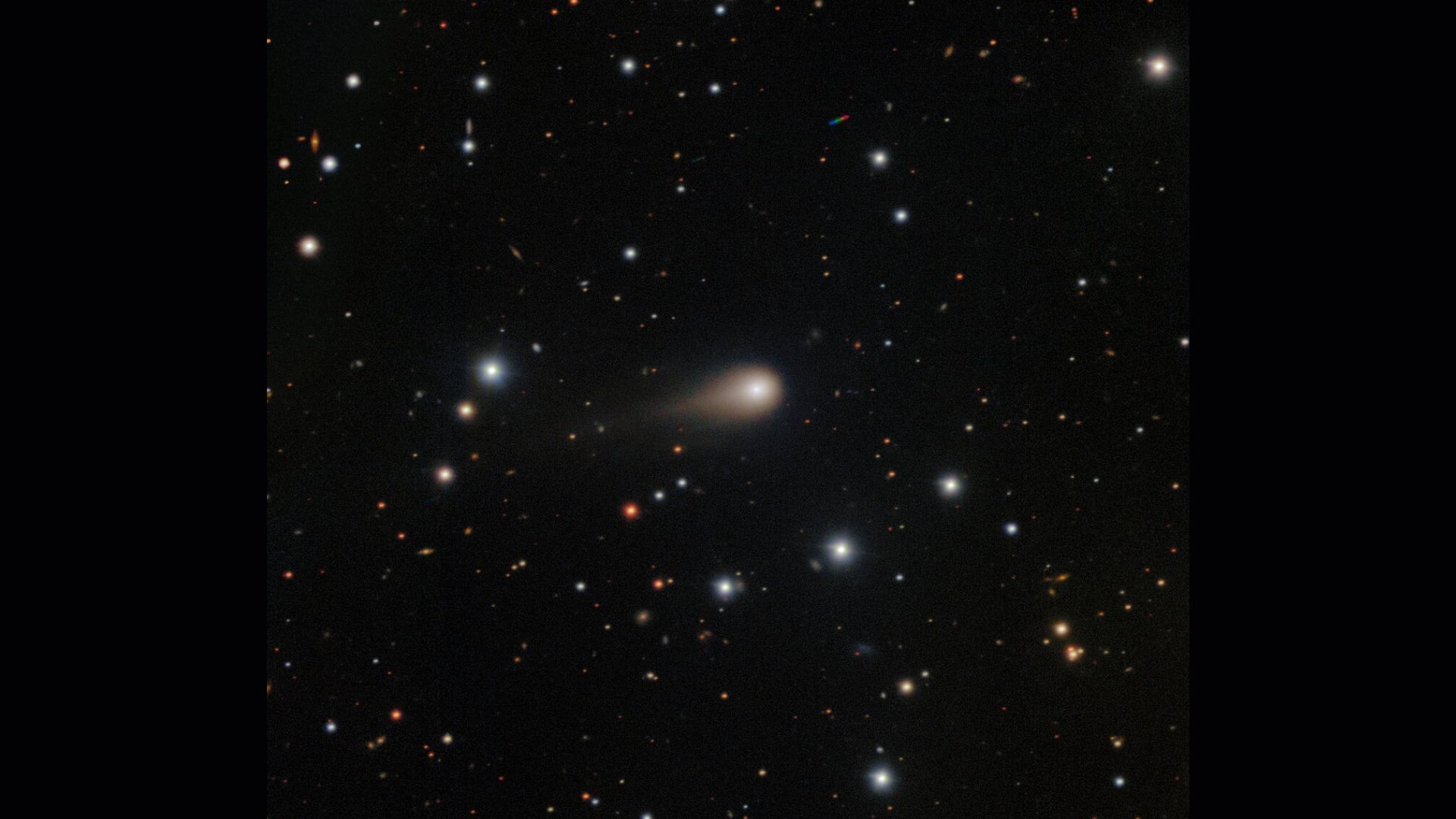
“Every one of these objects we study helps us understand a little more about how planets form around other stars.”
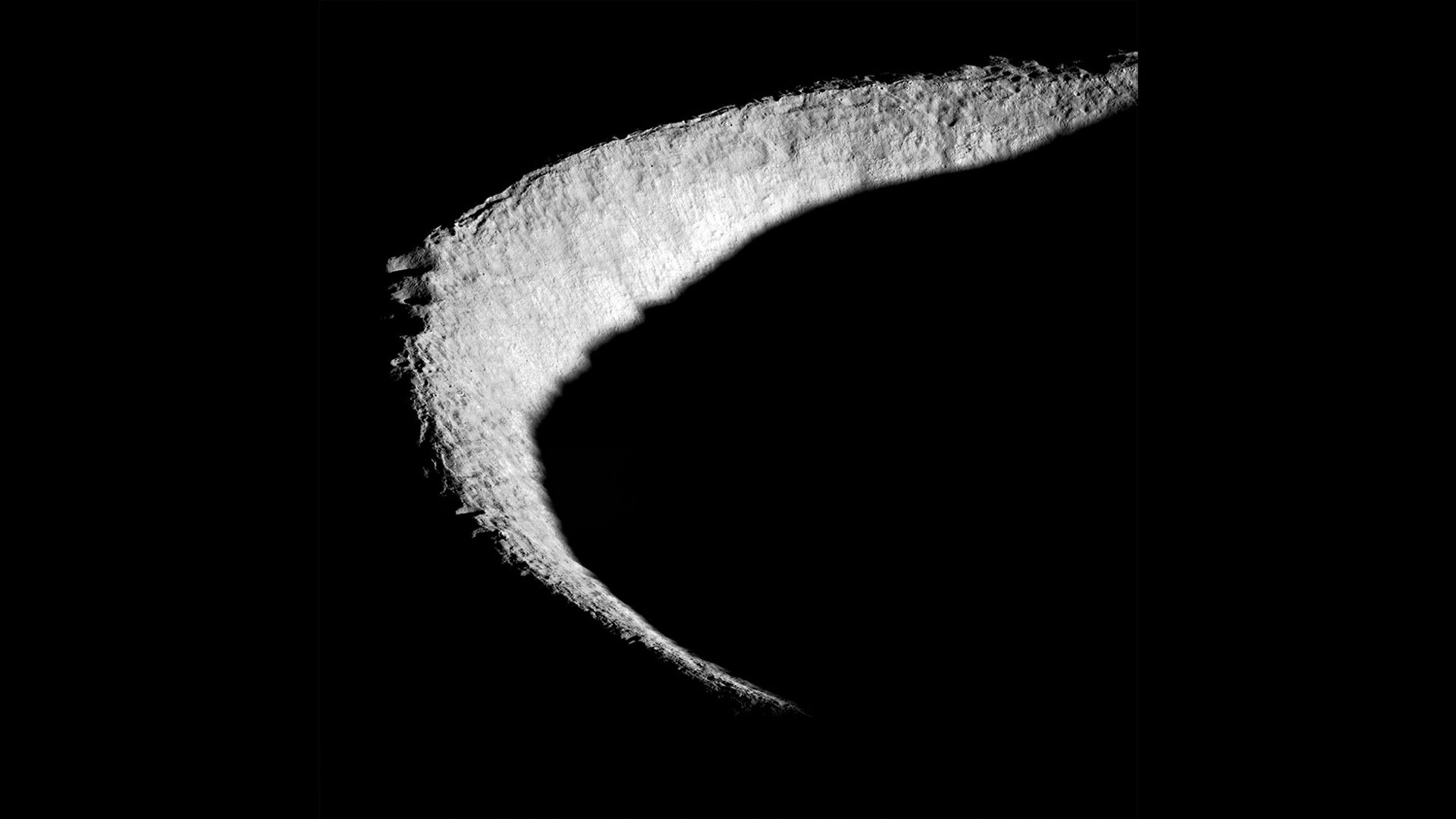
The discovery of water in dark craters at the moon’s poles has sparked a “moon rush” to establish bases there, and then villages, cities and heavy industry. How sustainable is this rush?
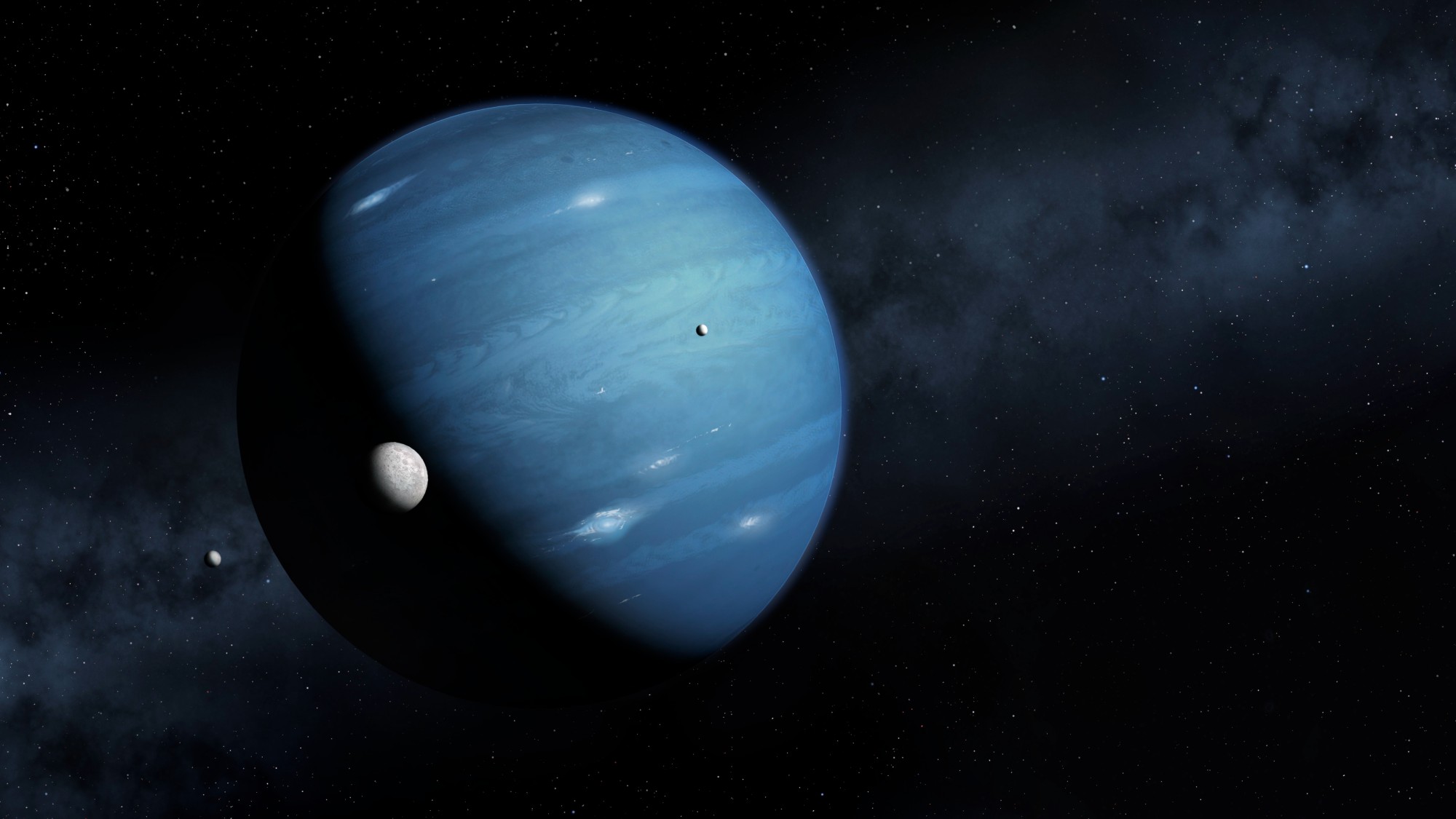
For more than a century, astronomers have been captivated by the idea that an undiscovered planet could be lurking in the furthest reaches of our solar system.
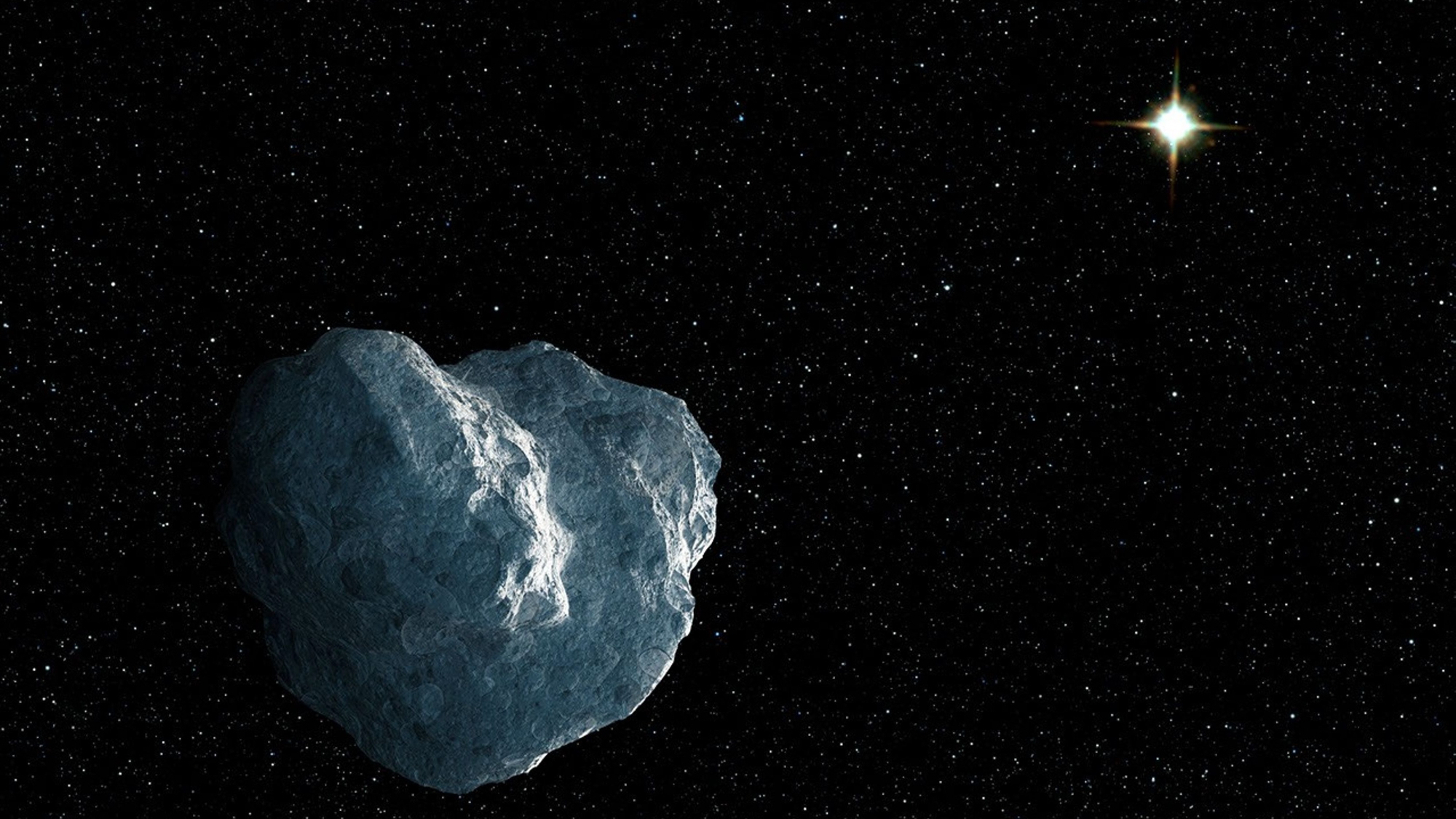
The Hubble and James Webb space telescopes discovered some surprising things about 27 new tiny objects far beyond the orbit of Neptune.
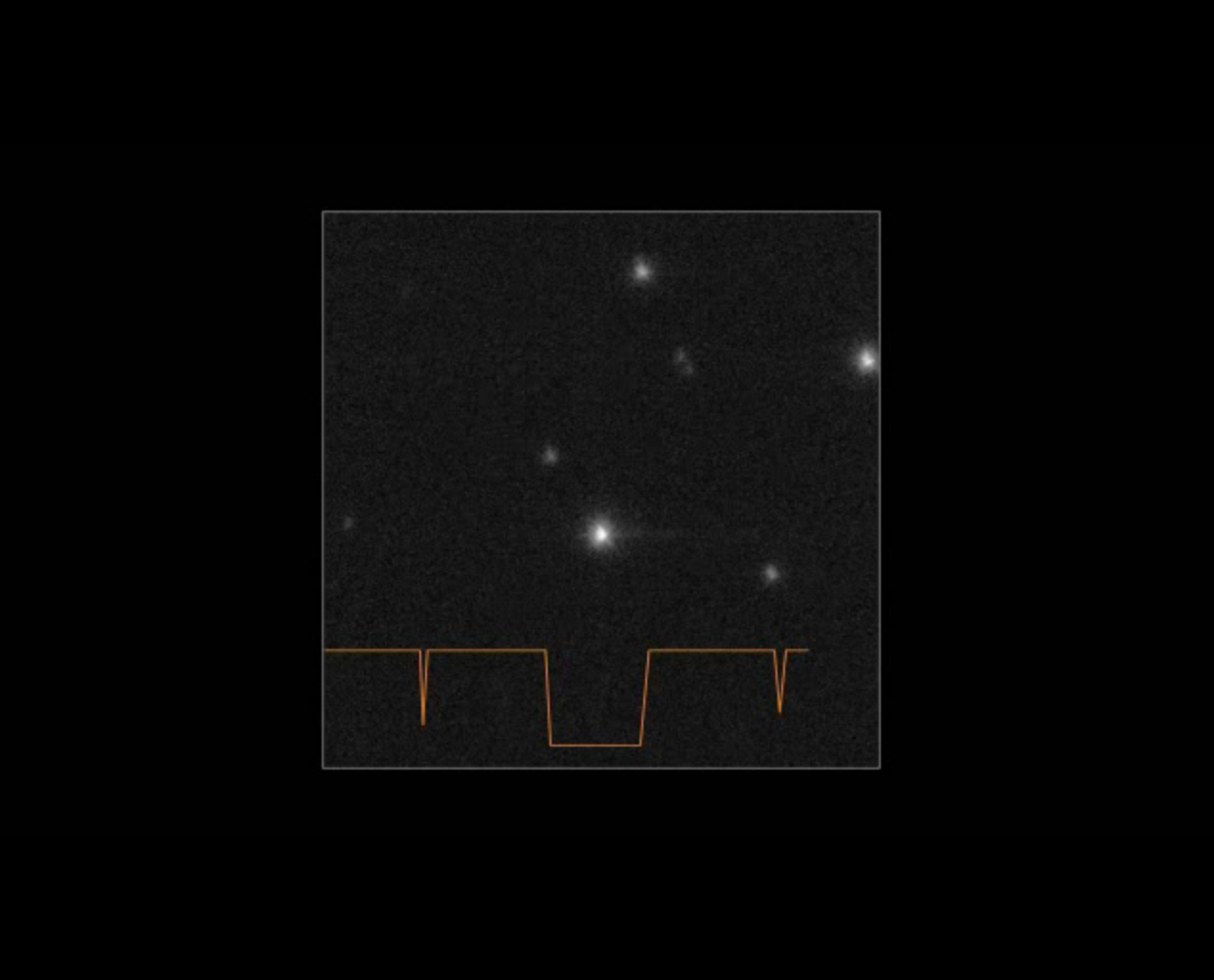
Using the James Webb Space Telescope, astronomers have discovered that the ring system of the tiny solar system body is even more interesting than they knew.
NASA and IBM have developed an AI model to help sift through the mountains of data the agency has gathered about the moon.

The sun may have swallowed a super-Earth planet in its early history, and our star may still be hiding the evidence, new research suggests.

A dune field on Mars, as seen by the Mars Reconnaissance Orbiter.
Faint in X-rays but bright in ultraviolet light, new objects found by NASA’s Chandra space telescope could help solve two great astrophysical mysteries.
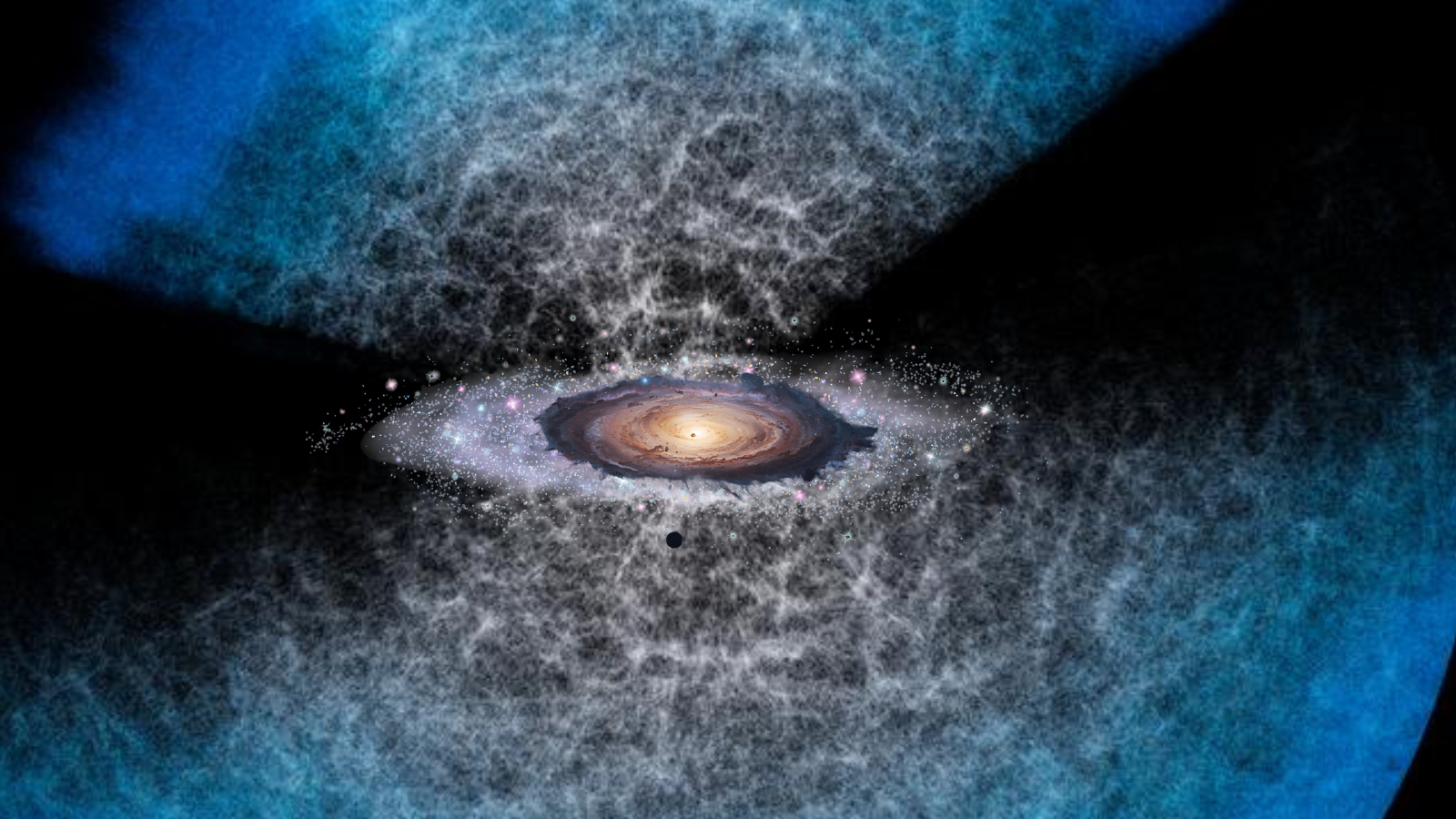
A catalog of almost 3,000 white dwarfs that exploded as type Ia supernovas after overfeeding on companion stars indicates that dark energy is changing over time.