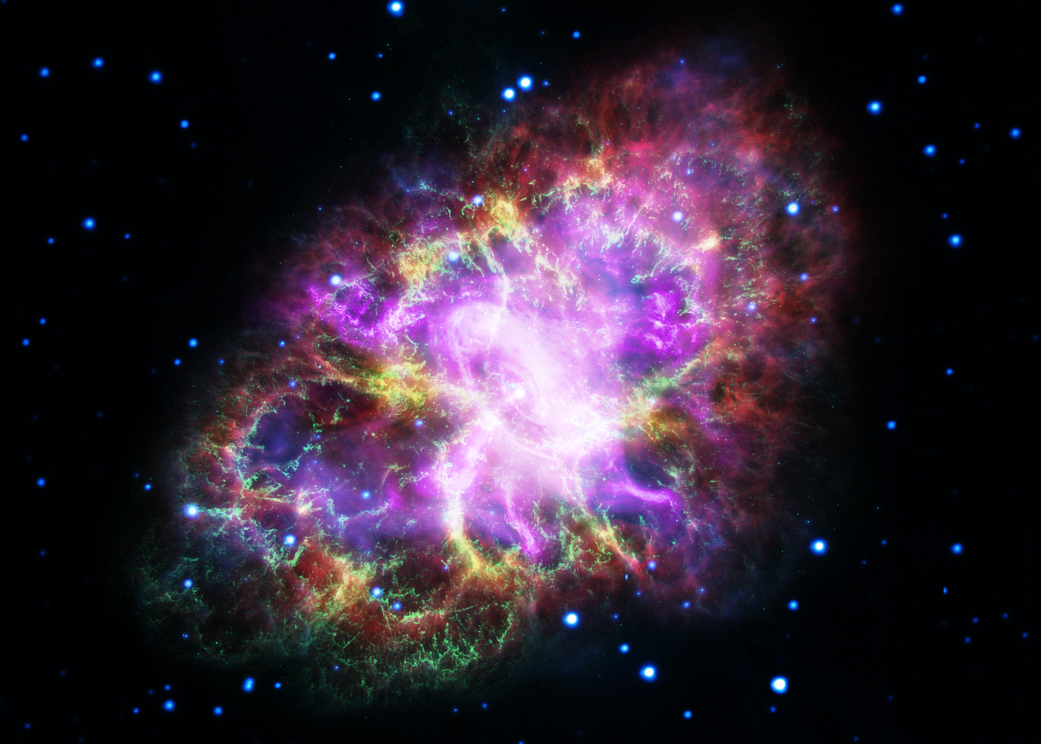
The universe is haunted by “cosmic ghosts” called neutrinos, which seem to be the “whispers” of stars that died in supernova explosions over the course of billions of years.
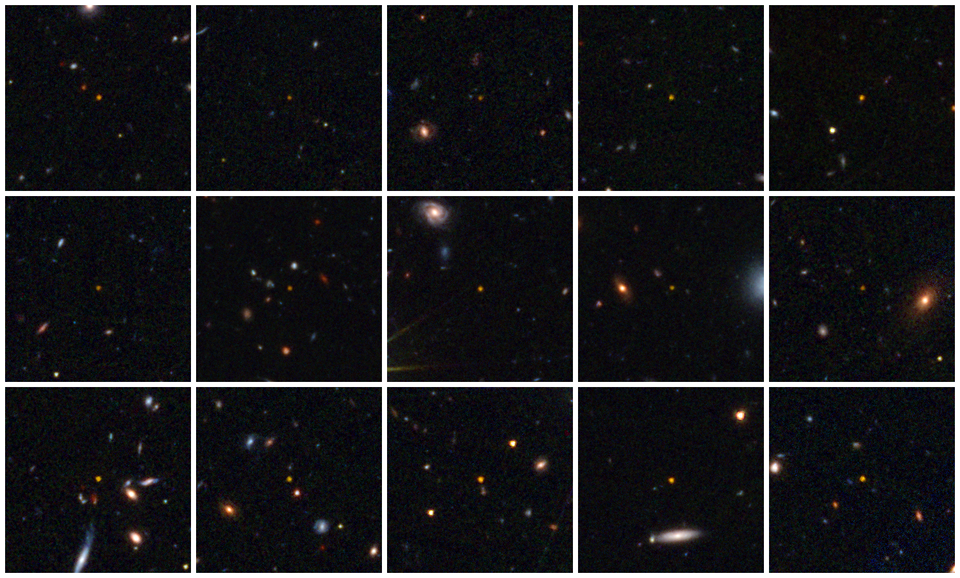
Using the ESA’s Euclid space telescope, astronomers have discovered a treasure trove of black hole-powered quasars in the early universe, including the most ancient and distant ever seen.
“Allowing a million orbiting data centers with no environmental review isn’t just irresponsible — it’s reckless.”
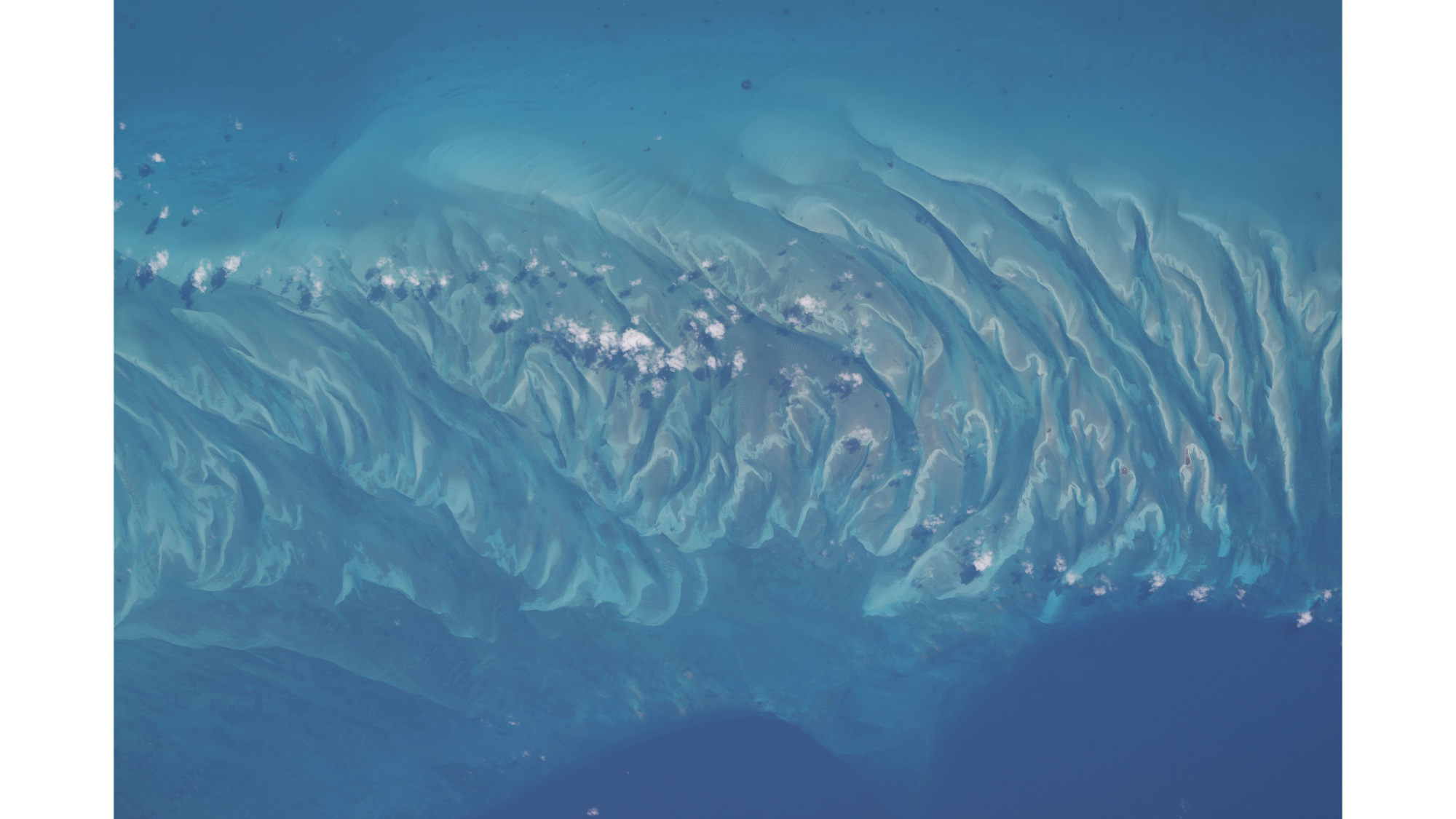
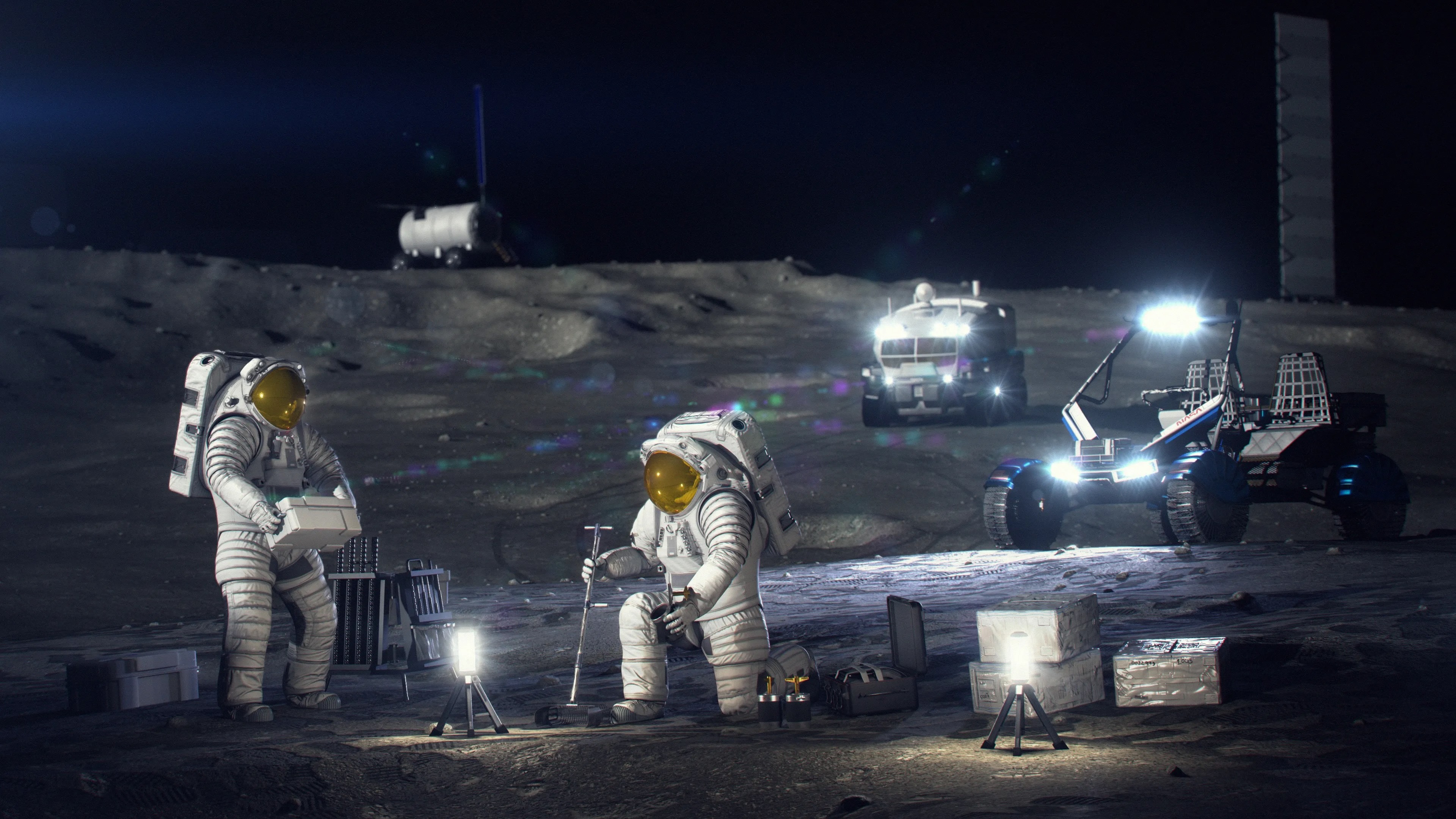
A simulation of future astronaut moon bases suggests that mission design, and not just psychology, needs to be considered for success.
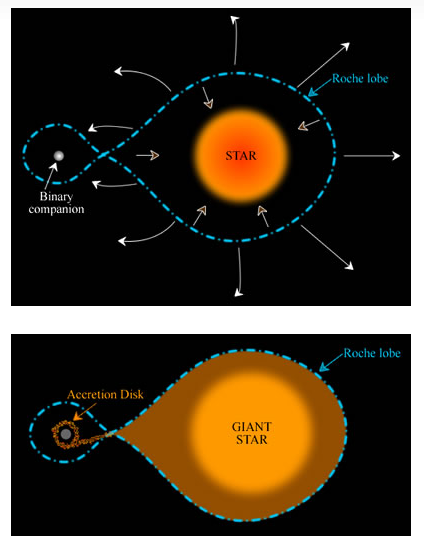
When some stars die, they do not do so alone, potentially solving a long-standing mystery around a particular class of cosmic explosion called an interacting supernova.
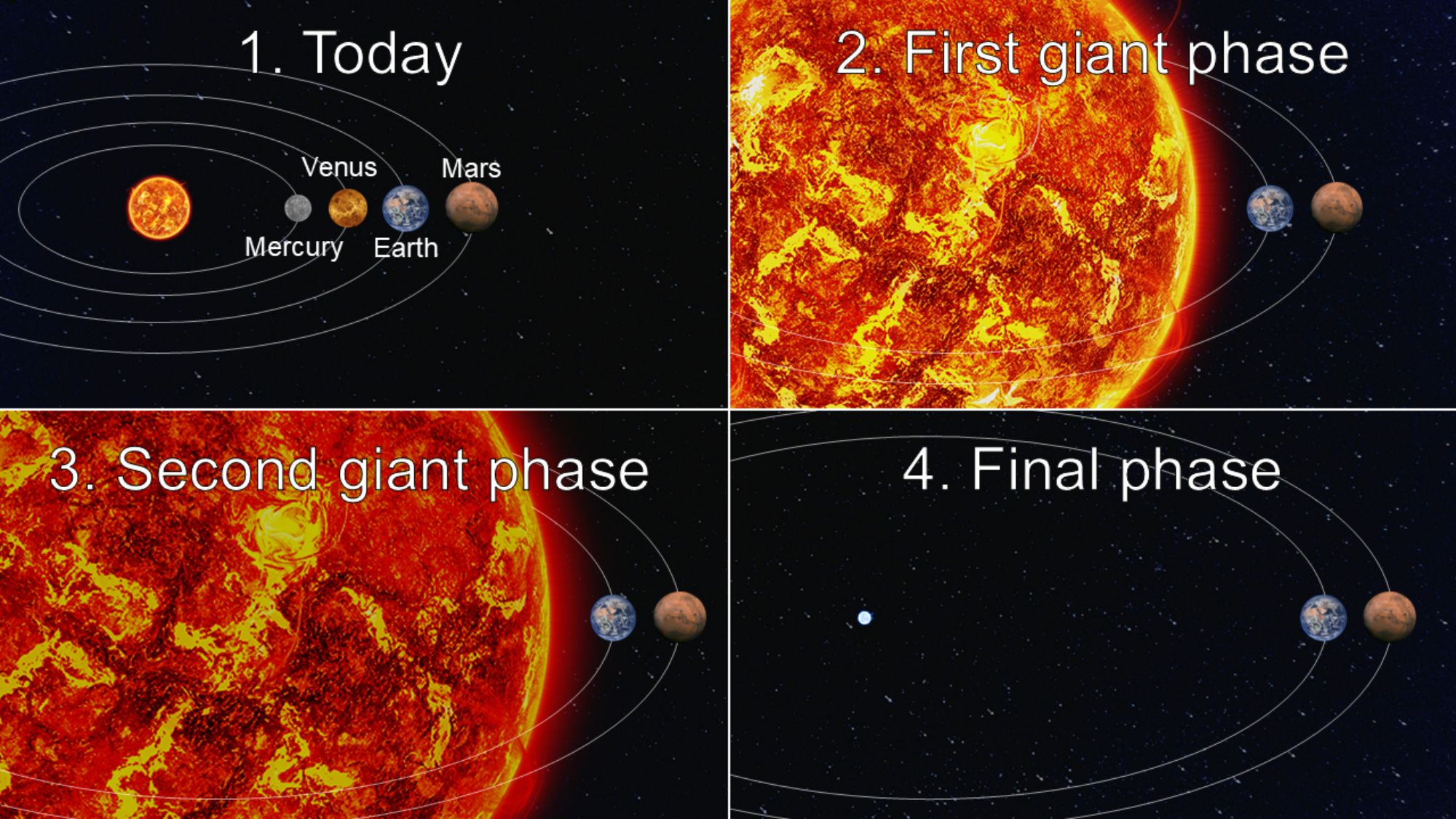
When the sun swells into a red giant about 5 billion years from now, Earth may escape being swallowed by the dying star, a new study suggests.
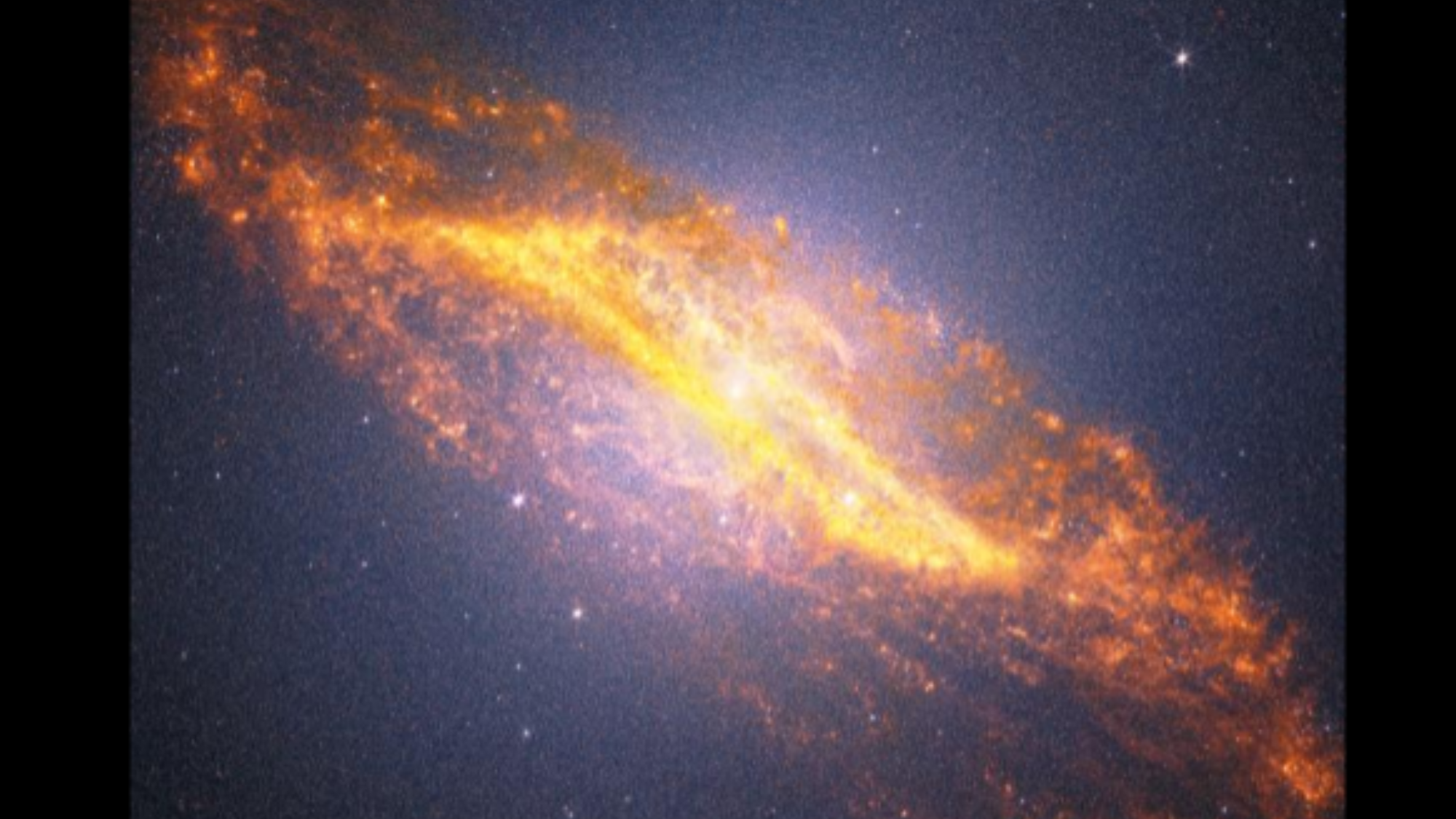
To celebrate the fourth birthday of the James Webb Space Telescope, NASA has released a stunning image of the strangely shaped galaxy Centaurus A, the site of a cosmic collision 2 billion years ago.
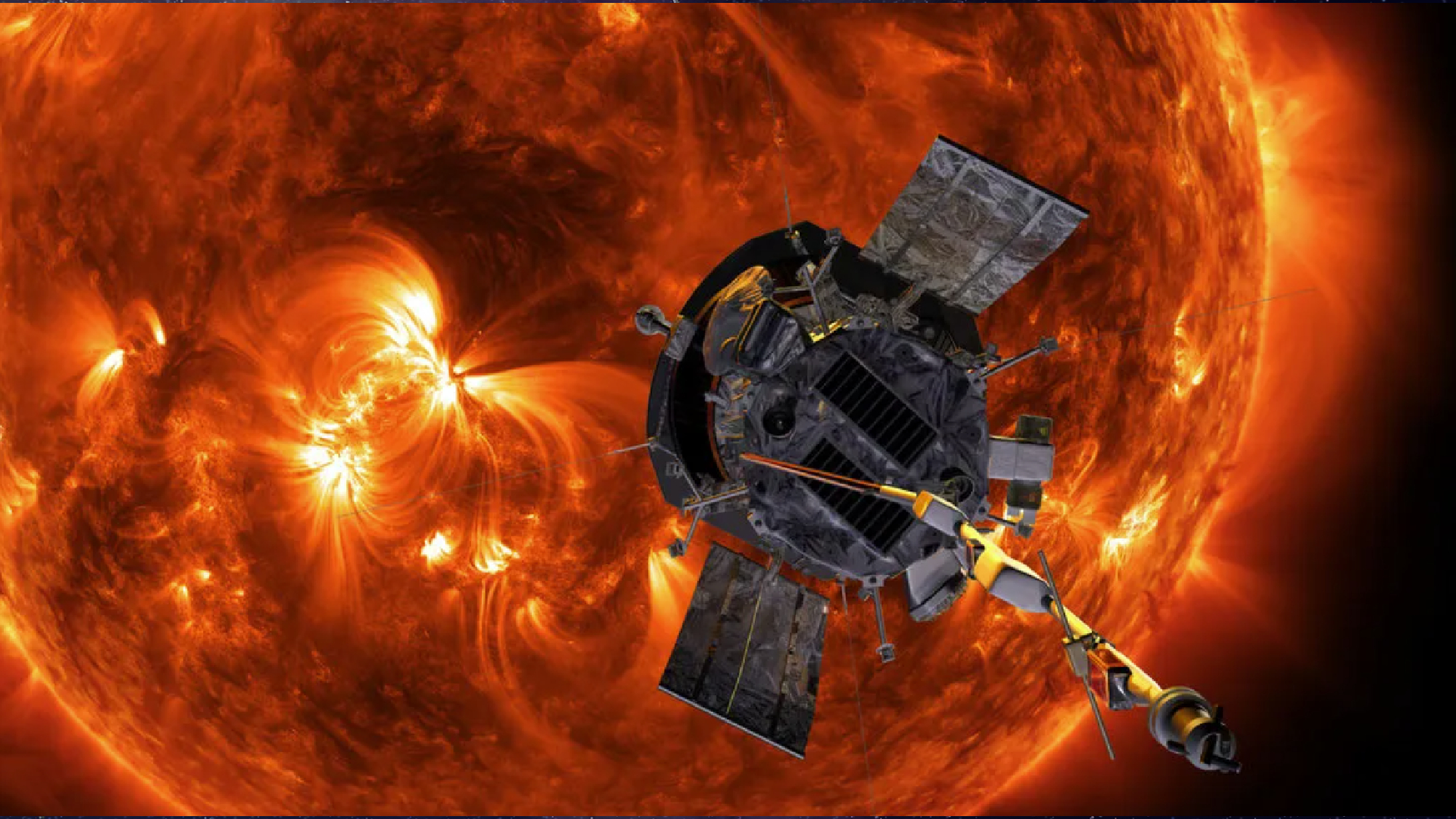
NASA’s Parker Solar Probe has found charged grains of dust being carried on magnetic plasma waves in the Sun’s outer atmosphere, providing a new clue to the mystery of the Sun’s corona is so hot.
Observations of the fast-moving interstellar comet with the Very Large Telescope in Chile support similar observations made by the JWST.