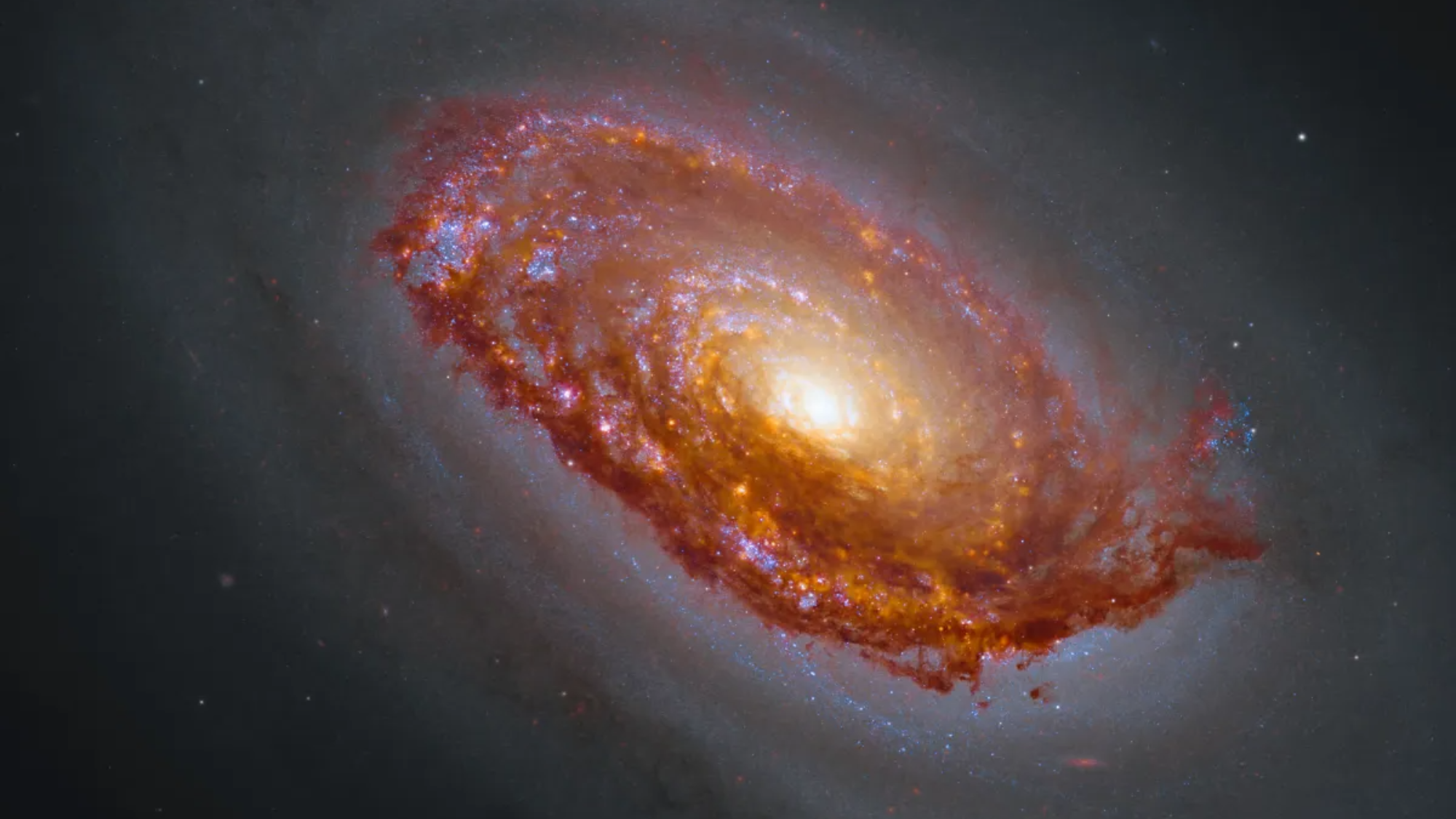
The “Black Eye Galaxy” is captured in a gorgeous new composite image from the Hubble and James Webb space telescopes.
The Milky Way has a secret history of galaxy mergers that we are only now starting to uncover.
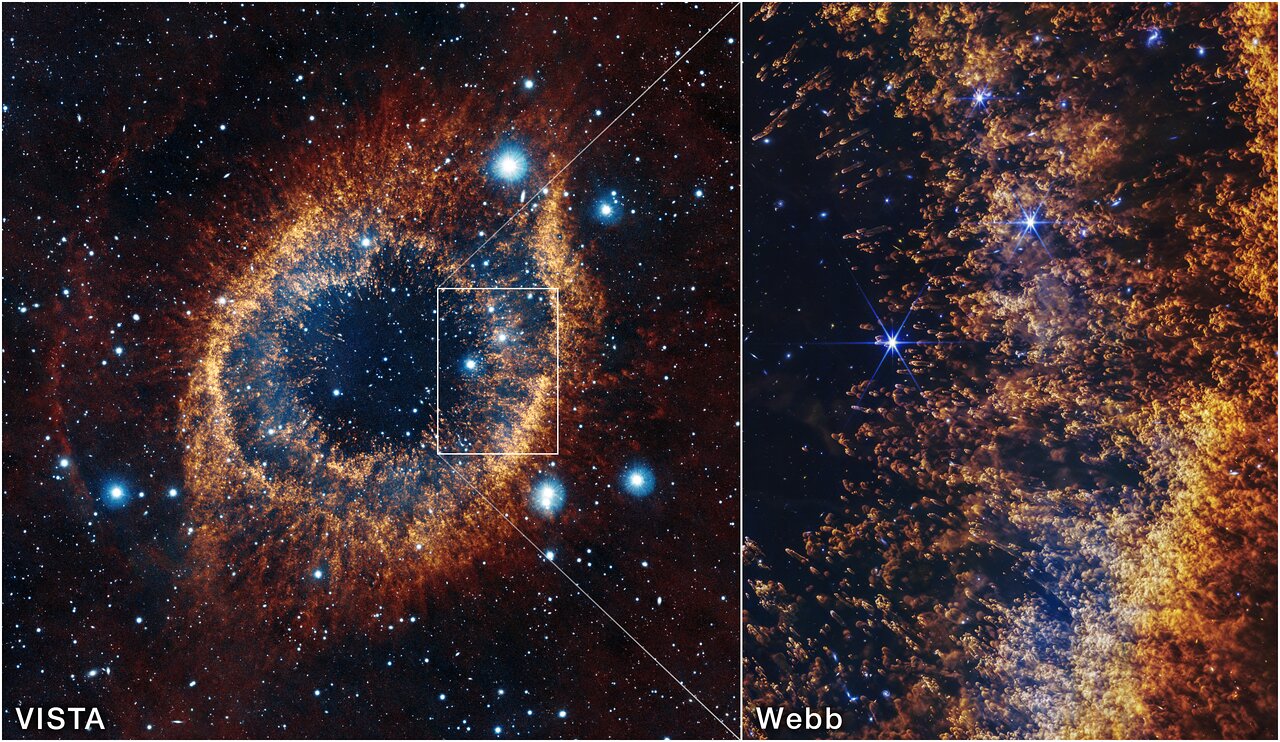
A composite image of data from the Hubble Space Telescope, the Kitt Peak four-meter telescope and MOTHRA reveal the Helix Nebula. We can see the bow shocks, particularly on the left.
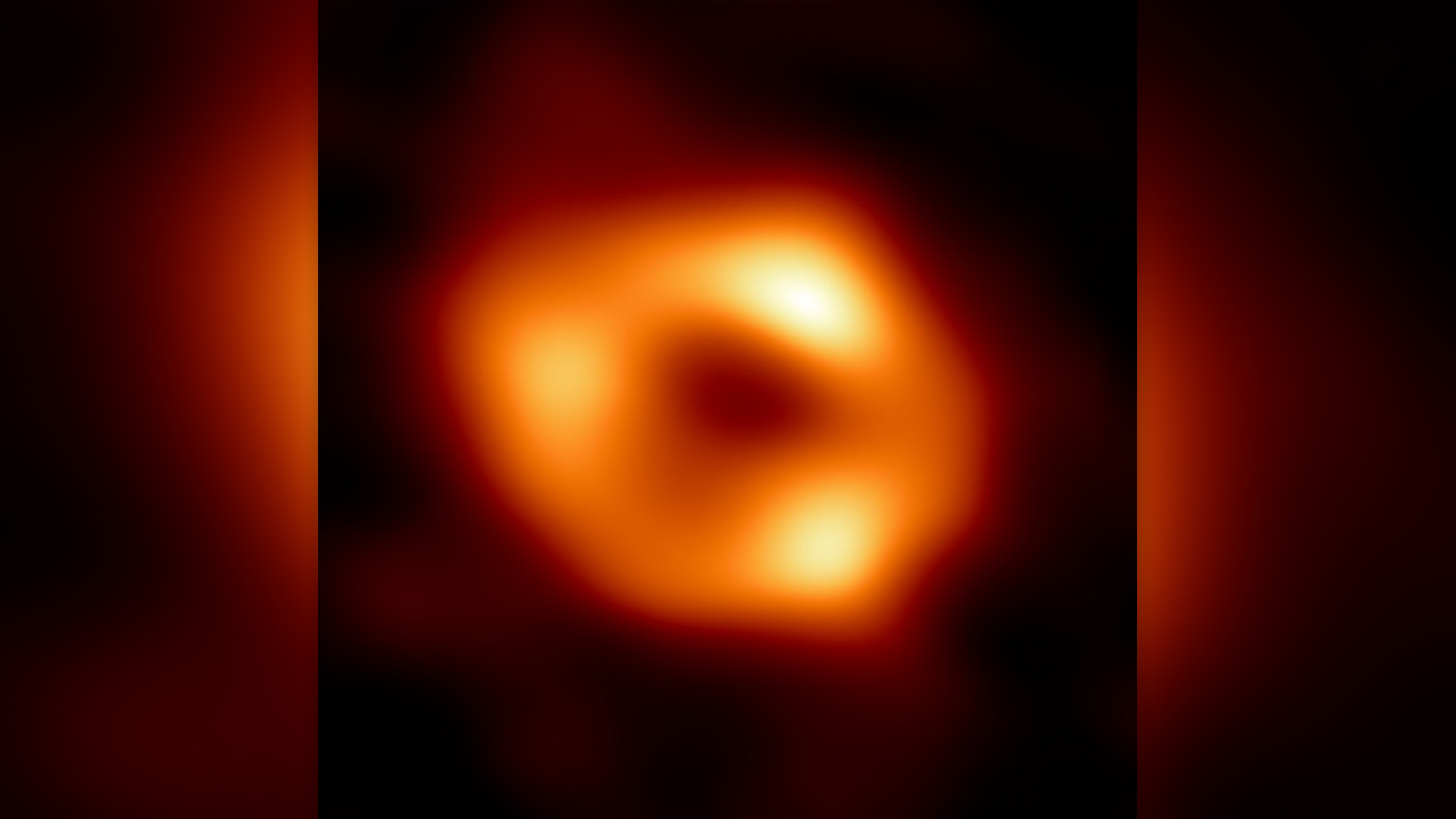
A greedy galaxy that existed less than 1.3 billion years after the Big Bang is hoarding supermassive black holes.
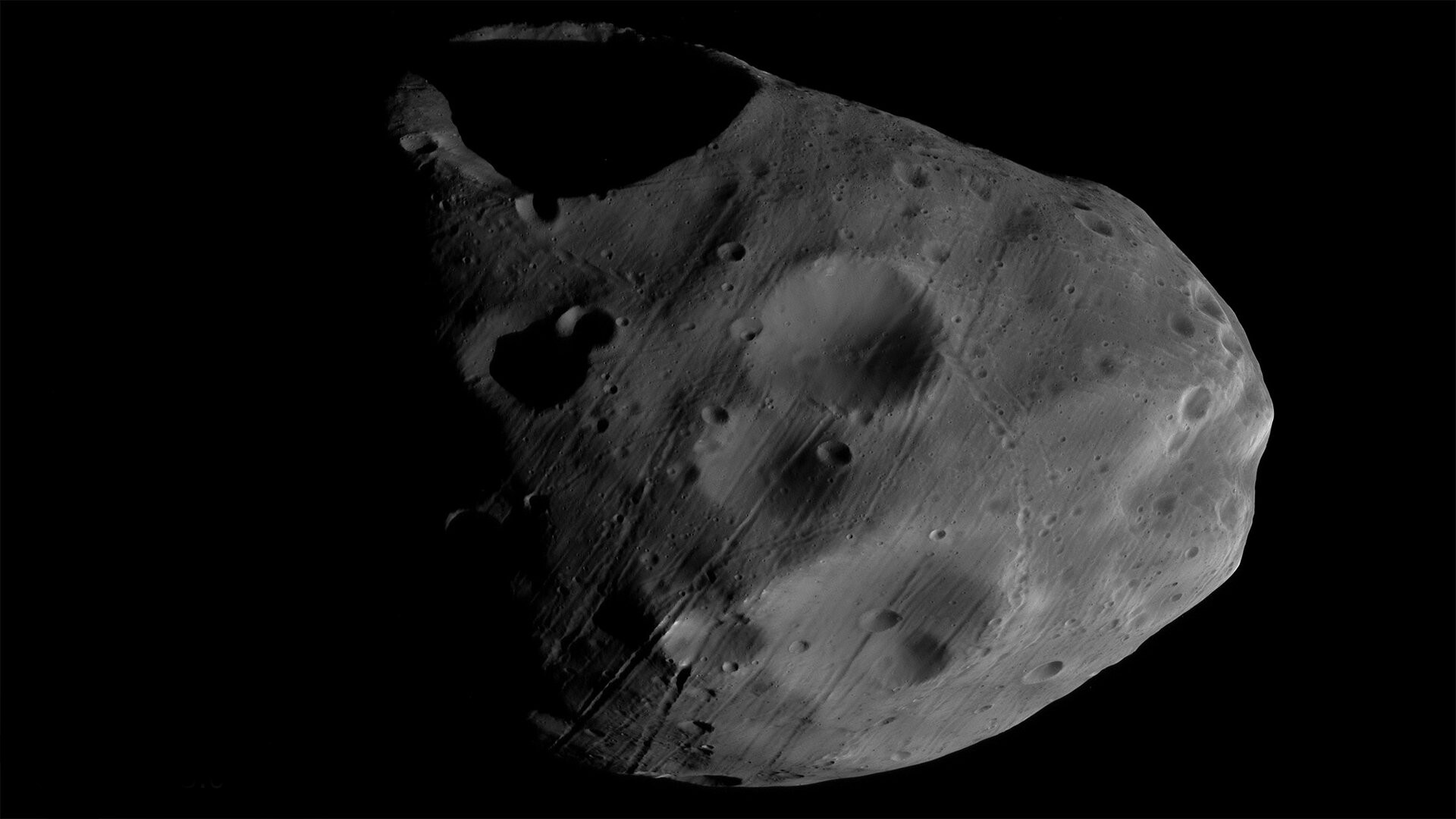
On this day in space, Aug. 17, 1877: American astronomer Asaph Hall discovered Mars’s moon Phobos.
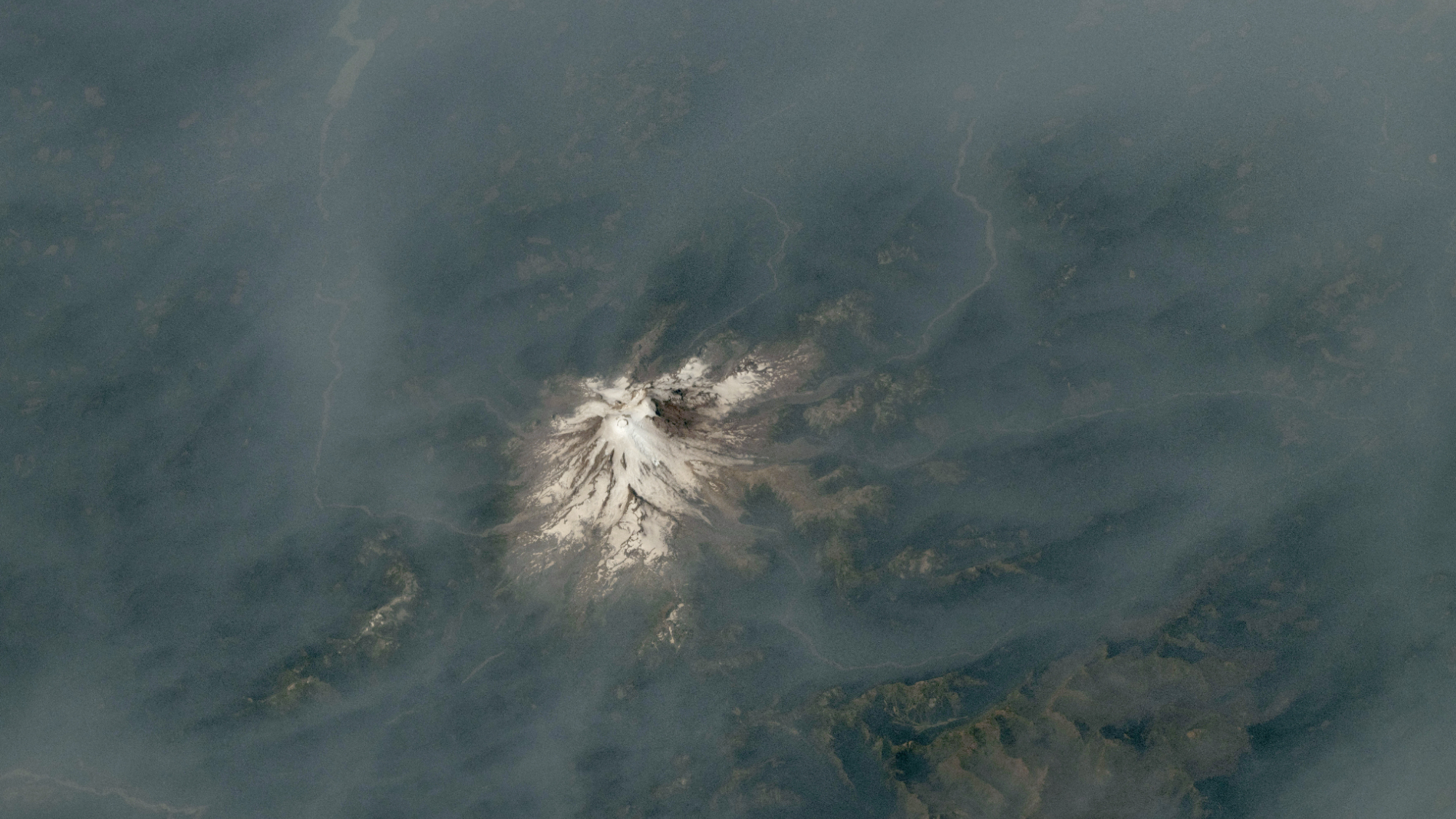
The wildfires ripping across North America have created massive plumes of smoke.
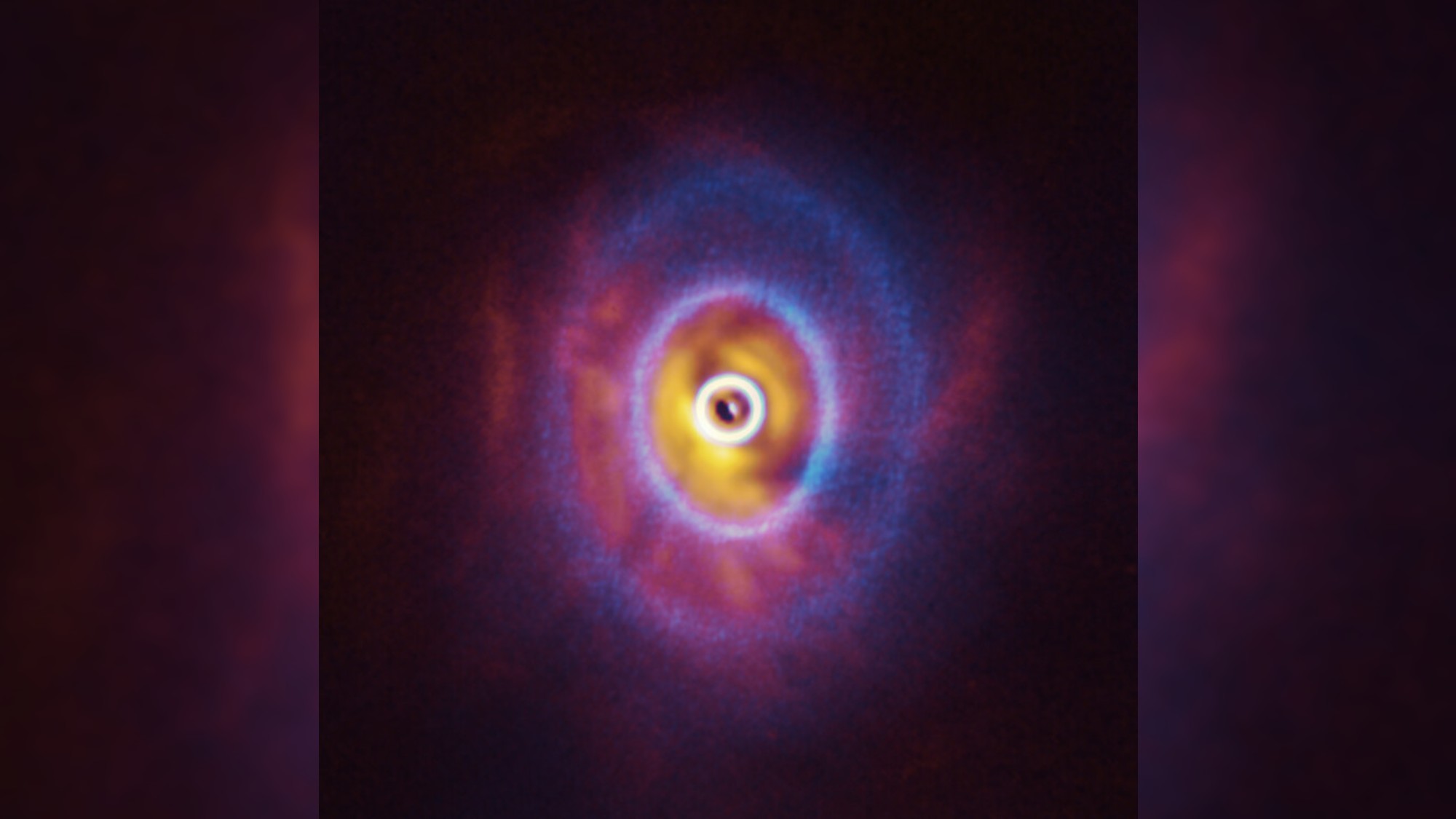
A river of gas over a trillion miles long is streaming onto a young planet-forming system and is tipping it over.
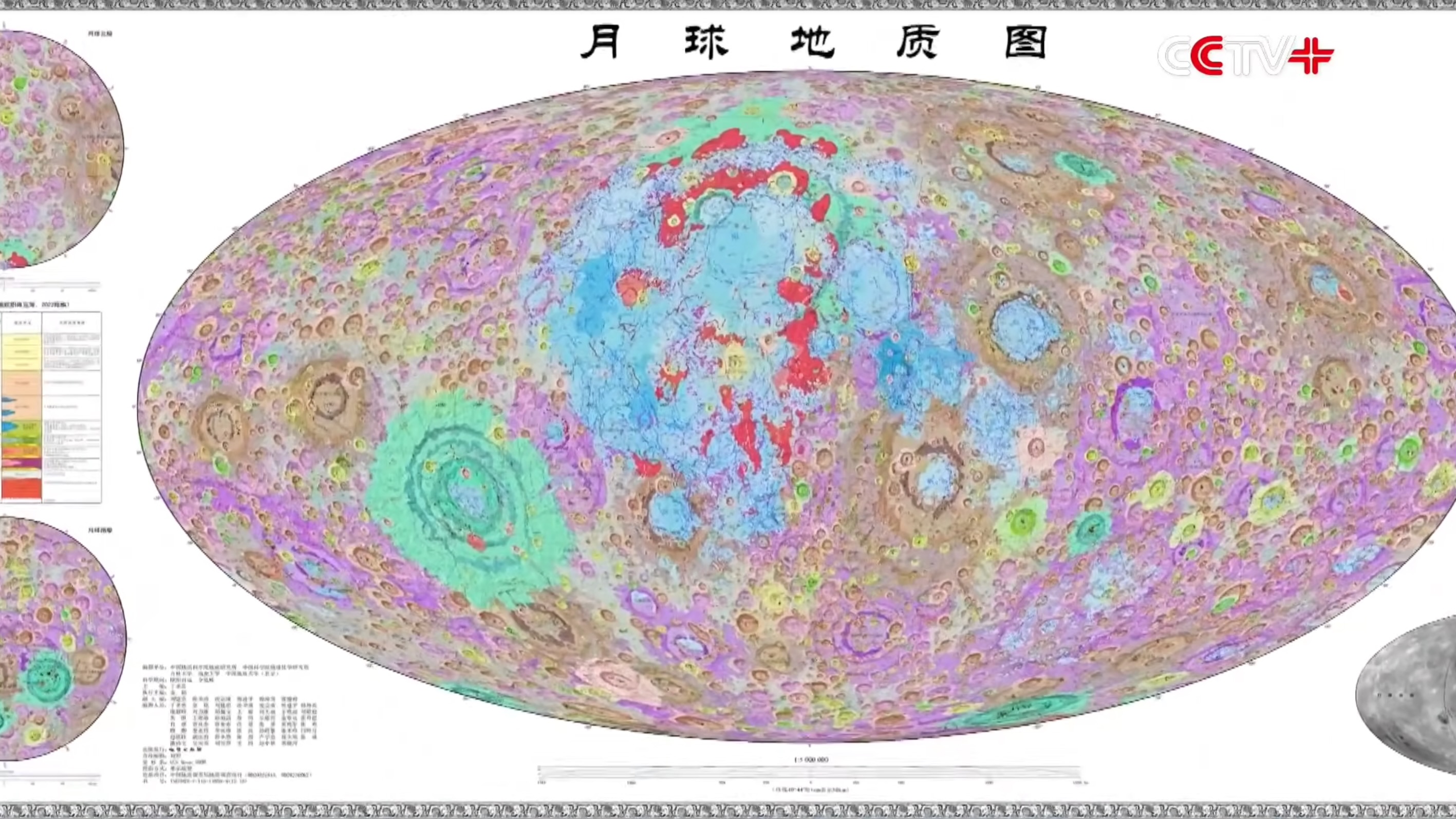
New chronology, data about the moon’s far side and a homegrown cartographic standard signal China’s ambitions for how the solar system gets mapped.
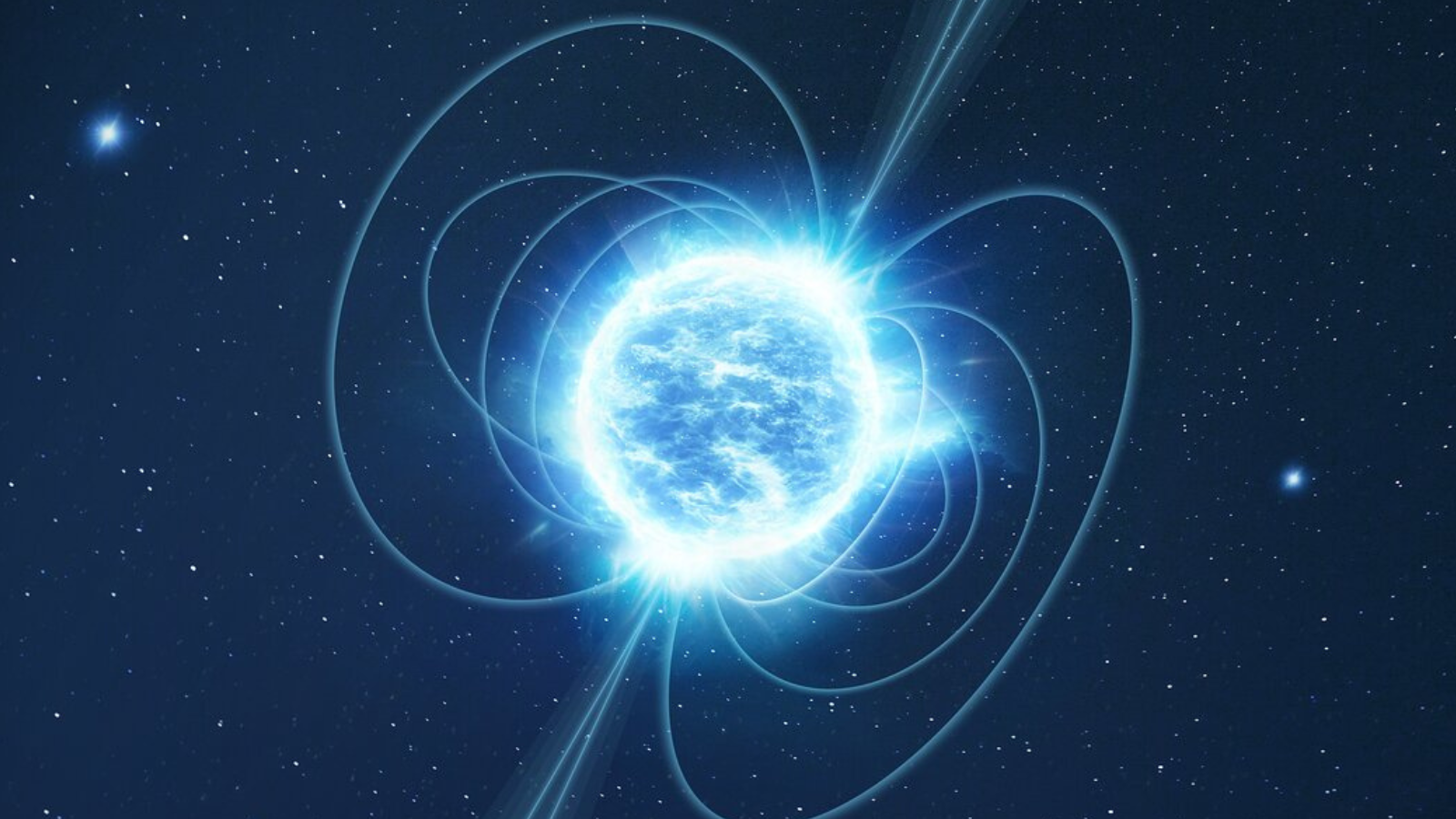
“We’re not just studying astronomical objects anymore; we’re using them to test the laws of nature.”
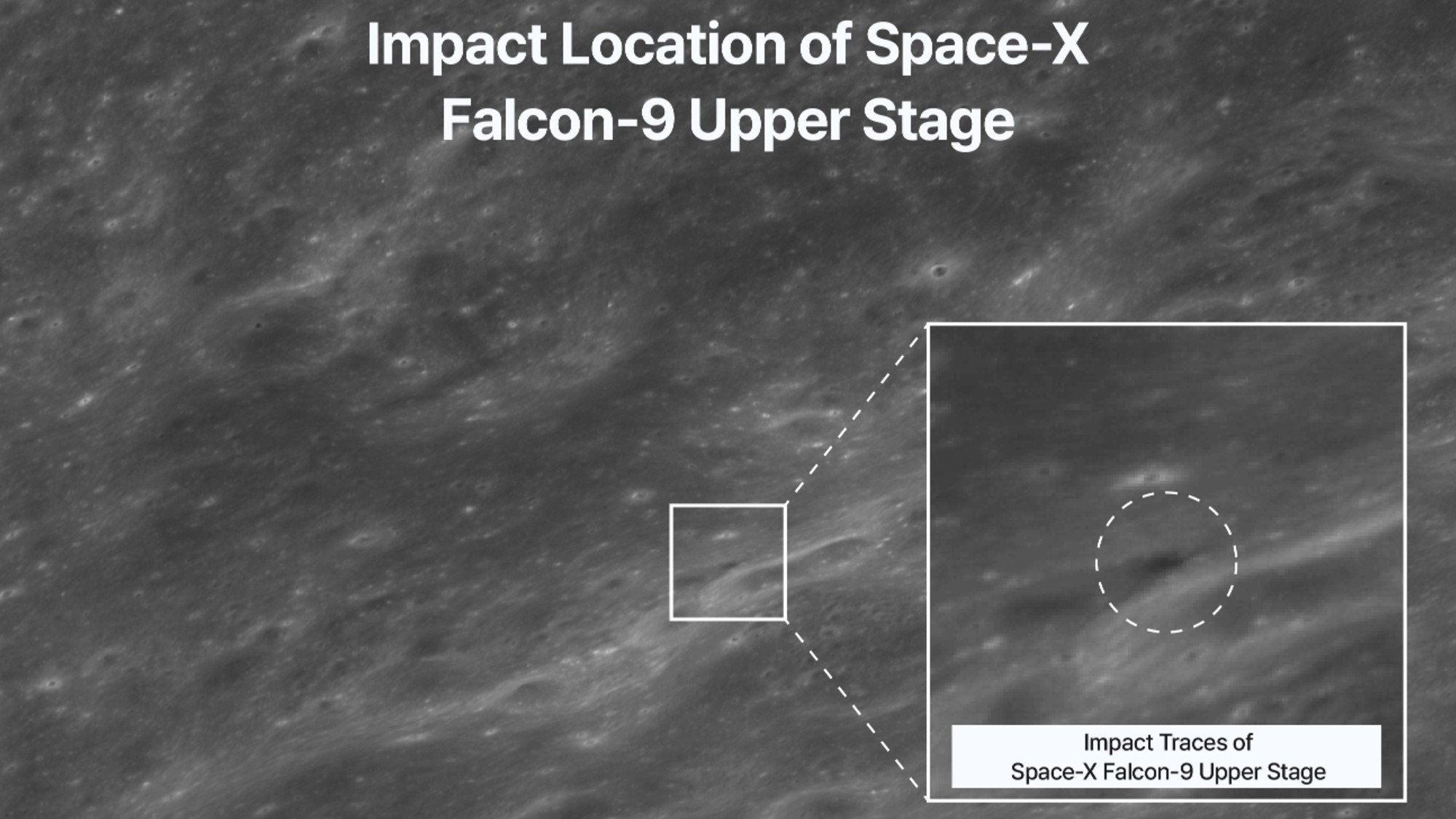
We need rules to prevent space companies from dumping their old rockets onto the moon’s surface in the future, experts say.