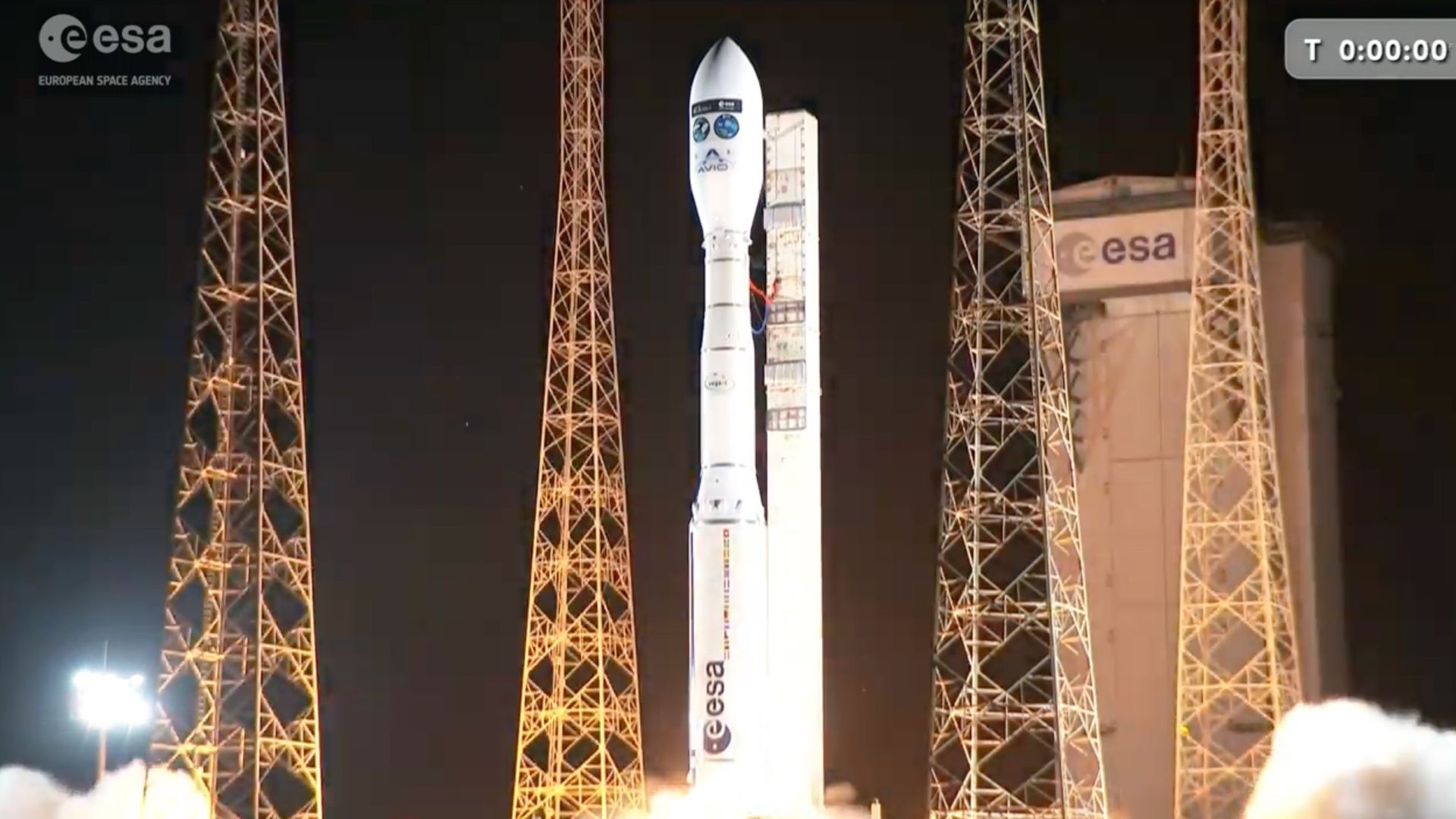
A Vega C rocket launched Europe’s FLEX and Copernicus-3C spacecraft toward orbit from French Guiana tonight (Sept. 14).

The recently created UAP Science Advisory Council recently gathered at a private meeting at the Office of the Director of National Intelligence.
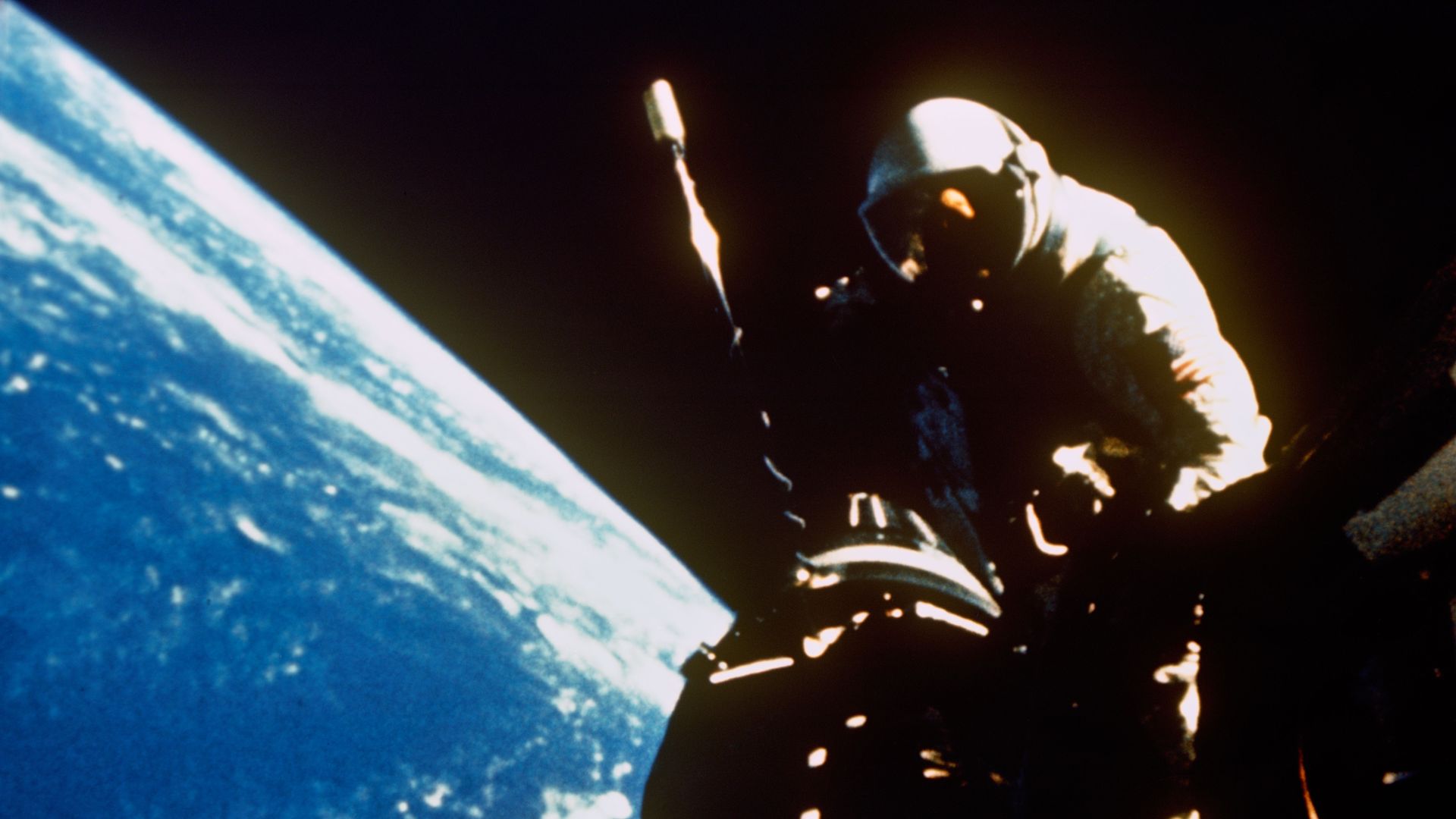
On Sept. 14, 1966, NASA’s Gemini 11 mission set an spaceflight altitude record that lasted for nearly six decades. Here’s why the mission mattered.
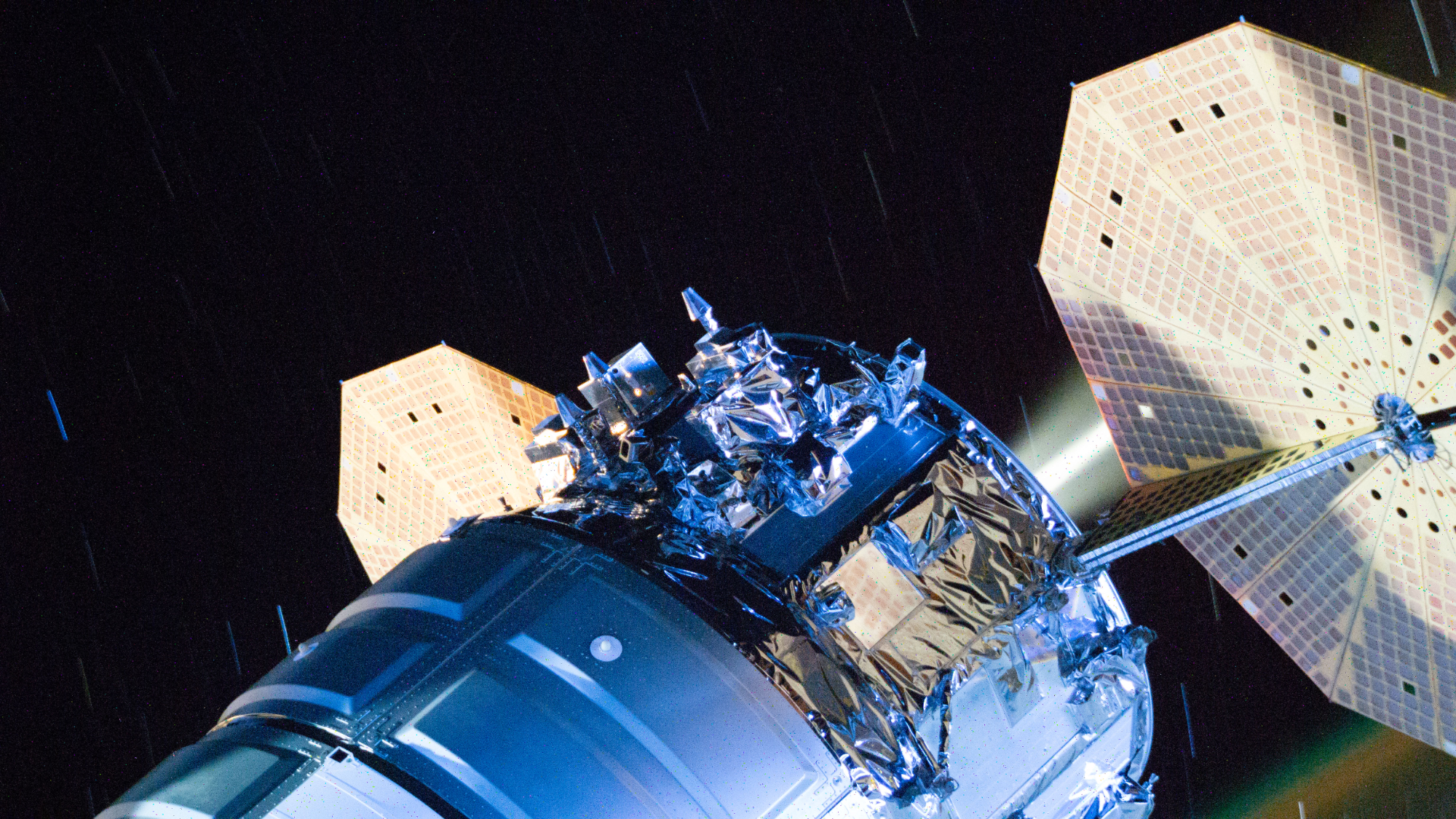
Just a little help from its friends.
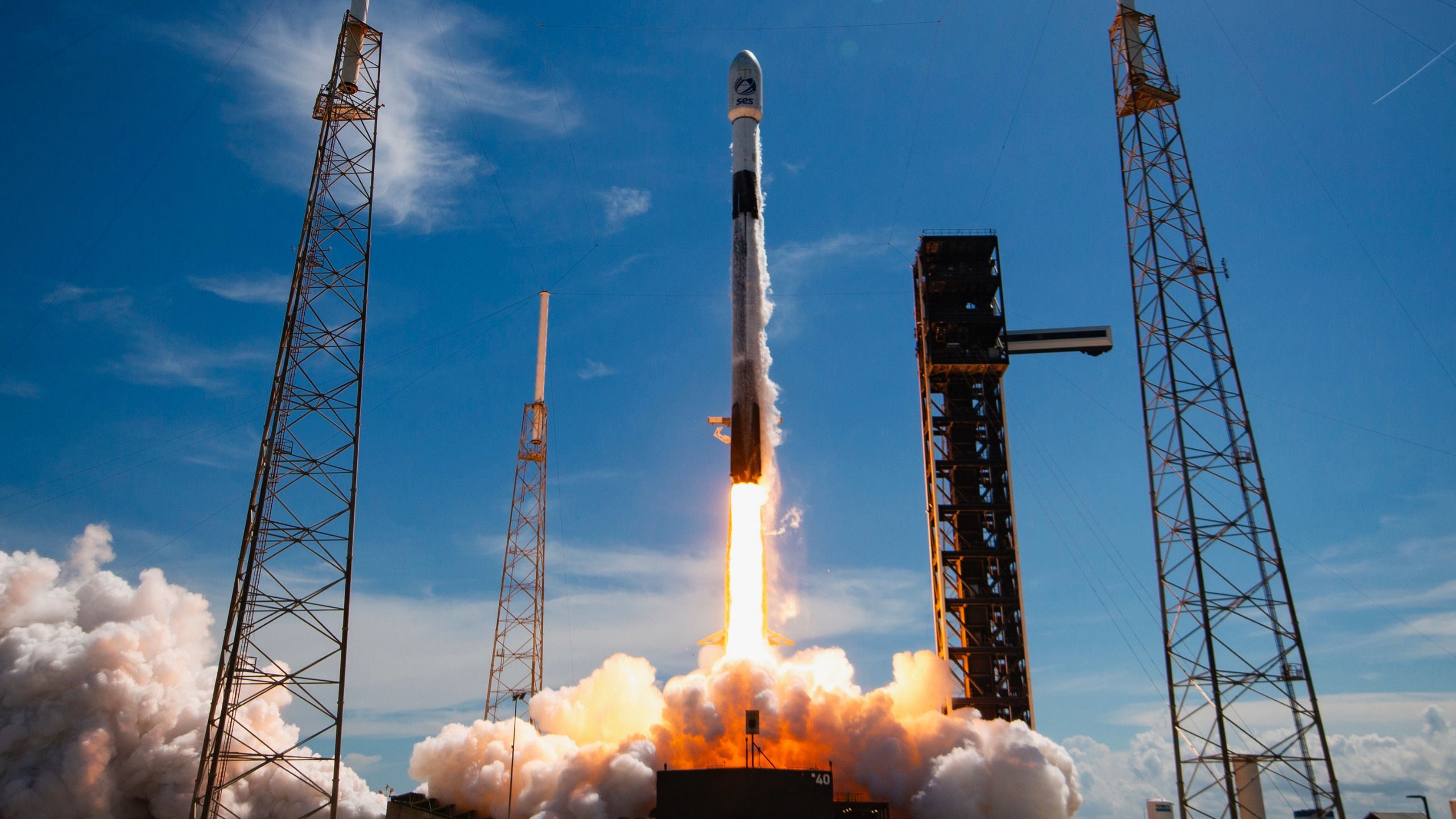
SpaceX lofted three of SES’s O3b mPOWER communications satellites to orbit today (Sept. 13), on the 700th mission to date for the Falcon rocket family.
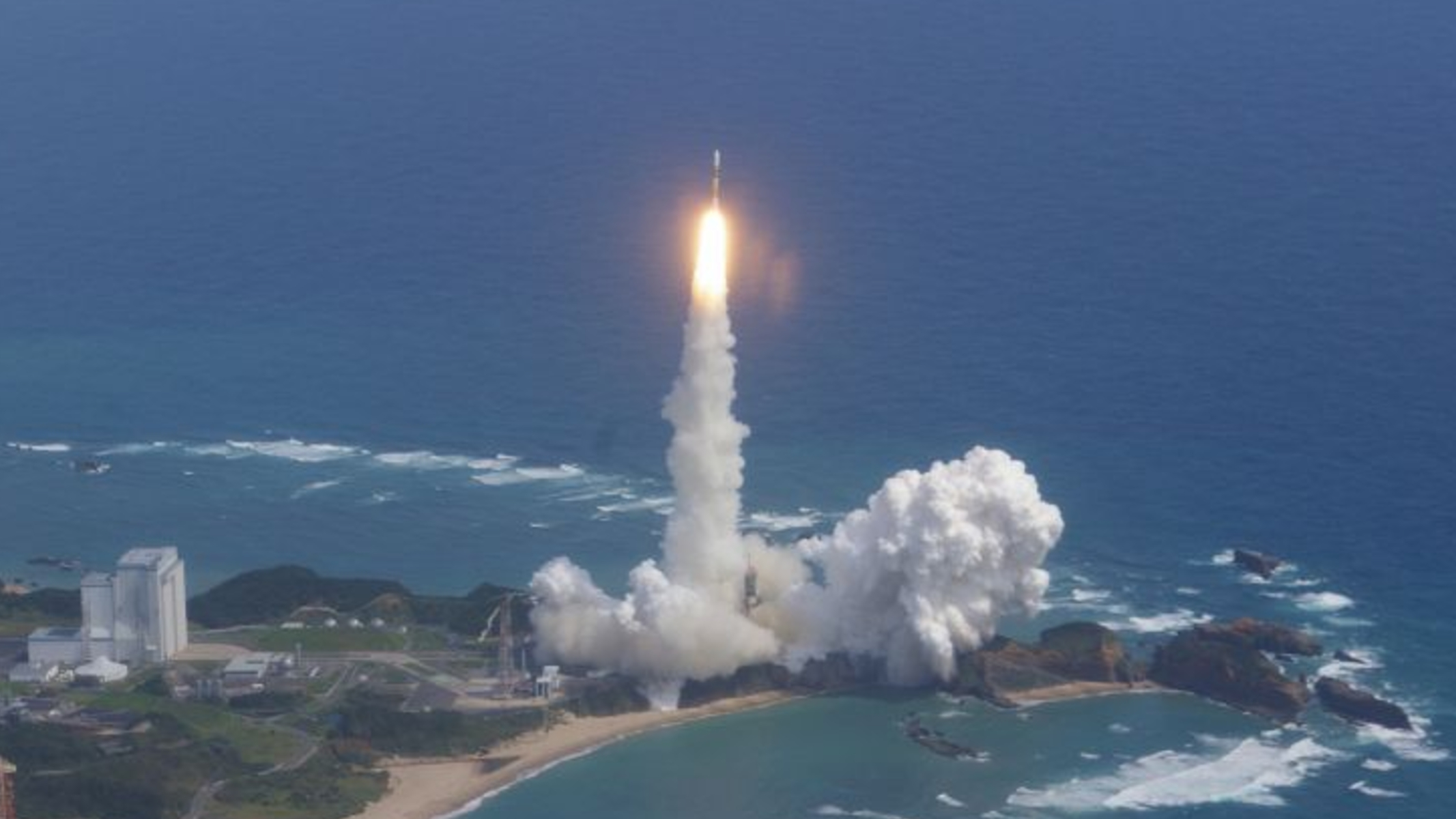
On Sept. 13, 2007, Japan launched the Kaguya spacecraft on a mission to the moon. Here’s why it mattered.
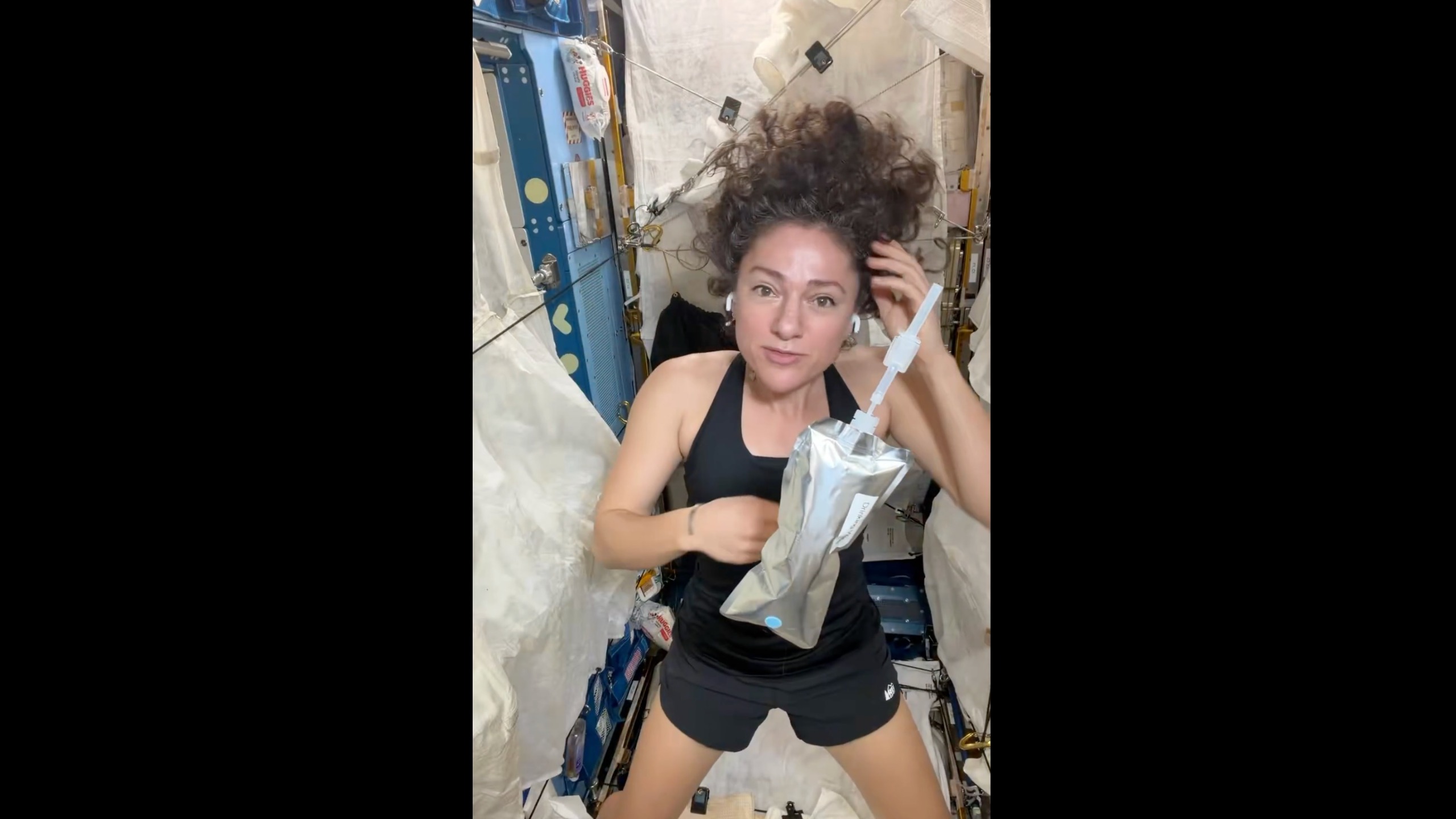
In a great moment for curly-haired folks around the world, NASA astronaut Jessica Meir just shared some styling tips from the ISS.
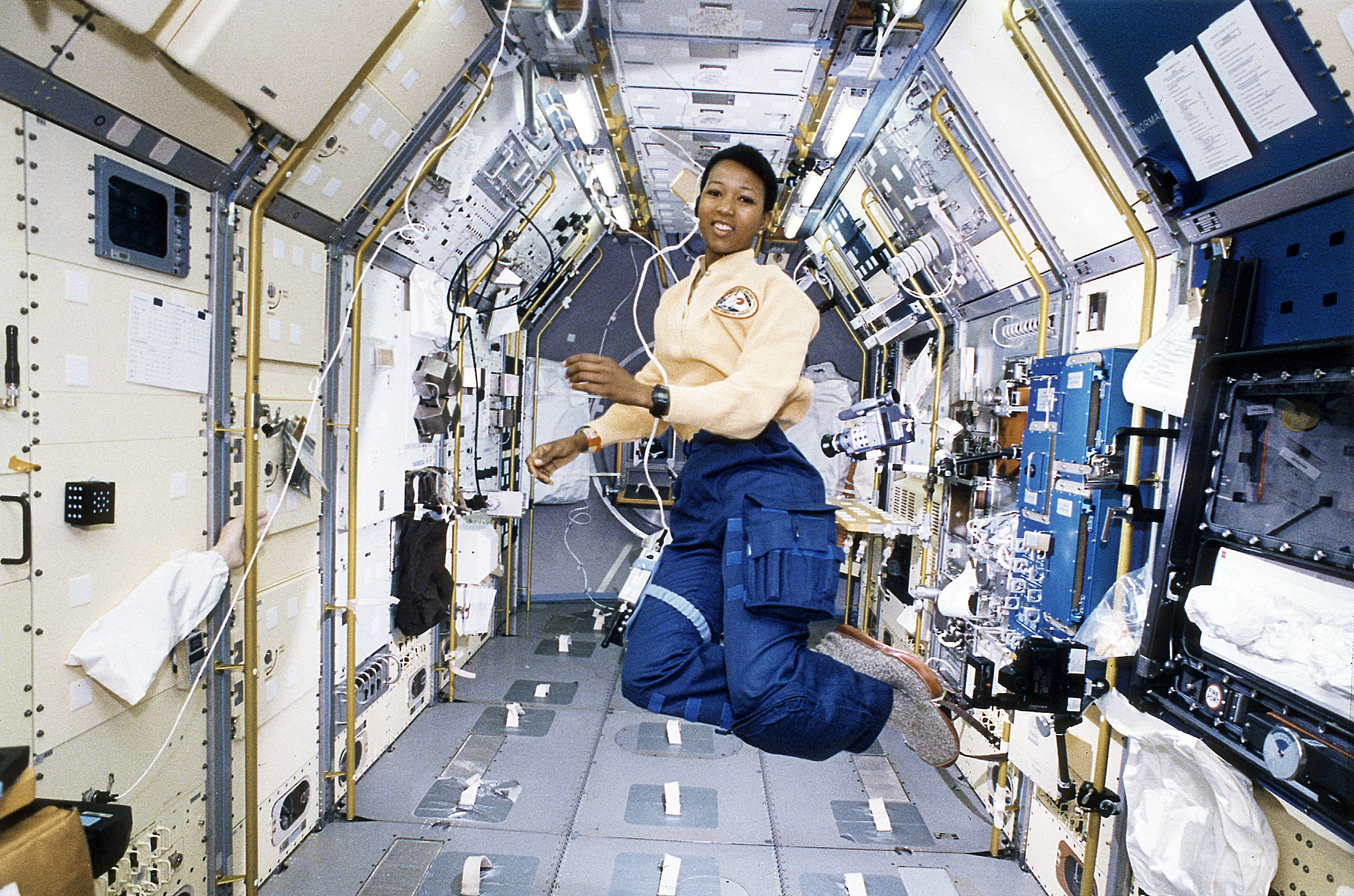
On Sept. 12, 1992, NASA astronaut Mae Jemison became the first African American woman to go to space. Here’s why it mattered.
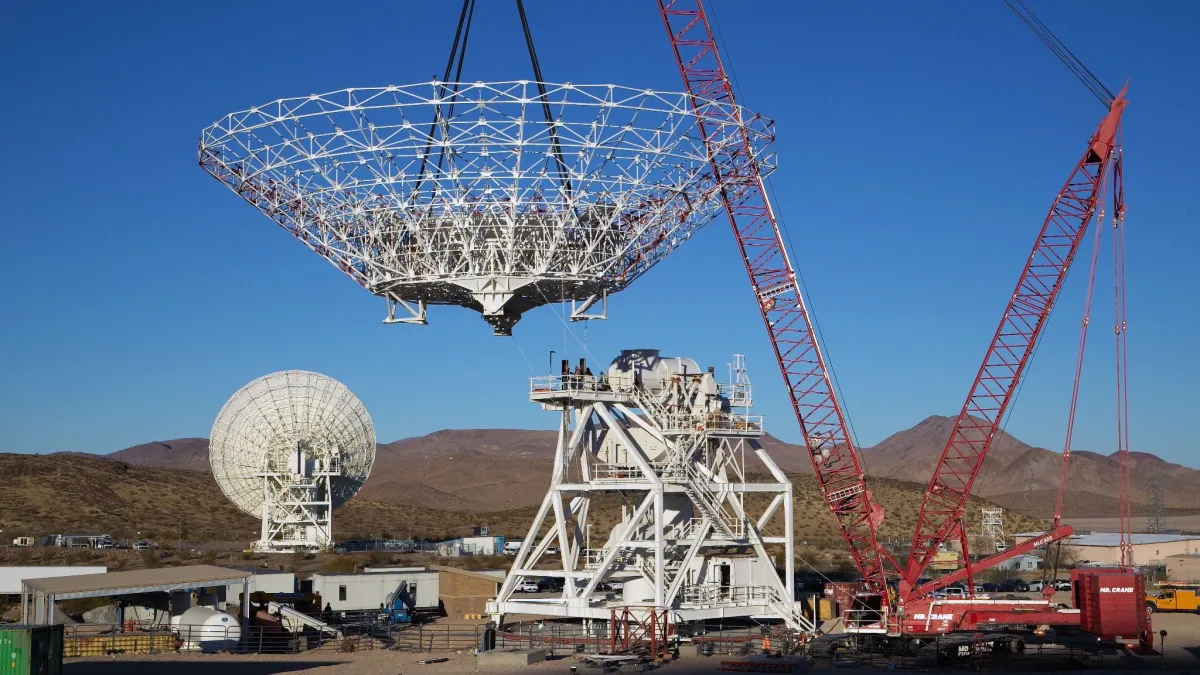
As a space policy expert, I see several open questions and potential problems related to the vision of a U.S. Space Academy laid out by President Trump’s recent executive order.
Rocket Lab has filed a protest against NASA’s decision to award Blue Origin a $700 million Mars orbiter contract, saying it’s inconsistent with the eligibility rules laid out by Congress.