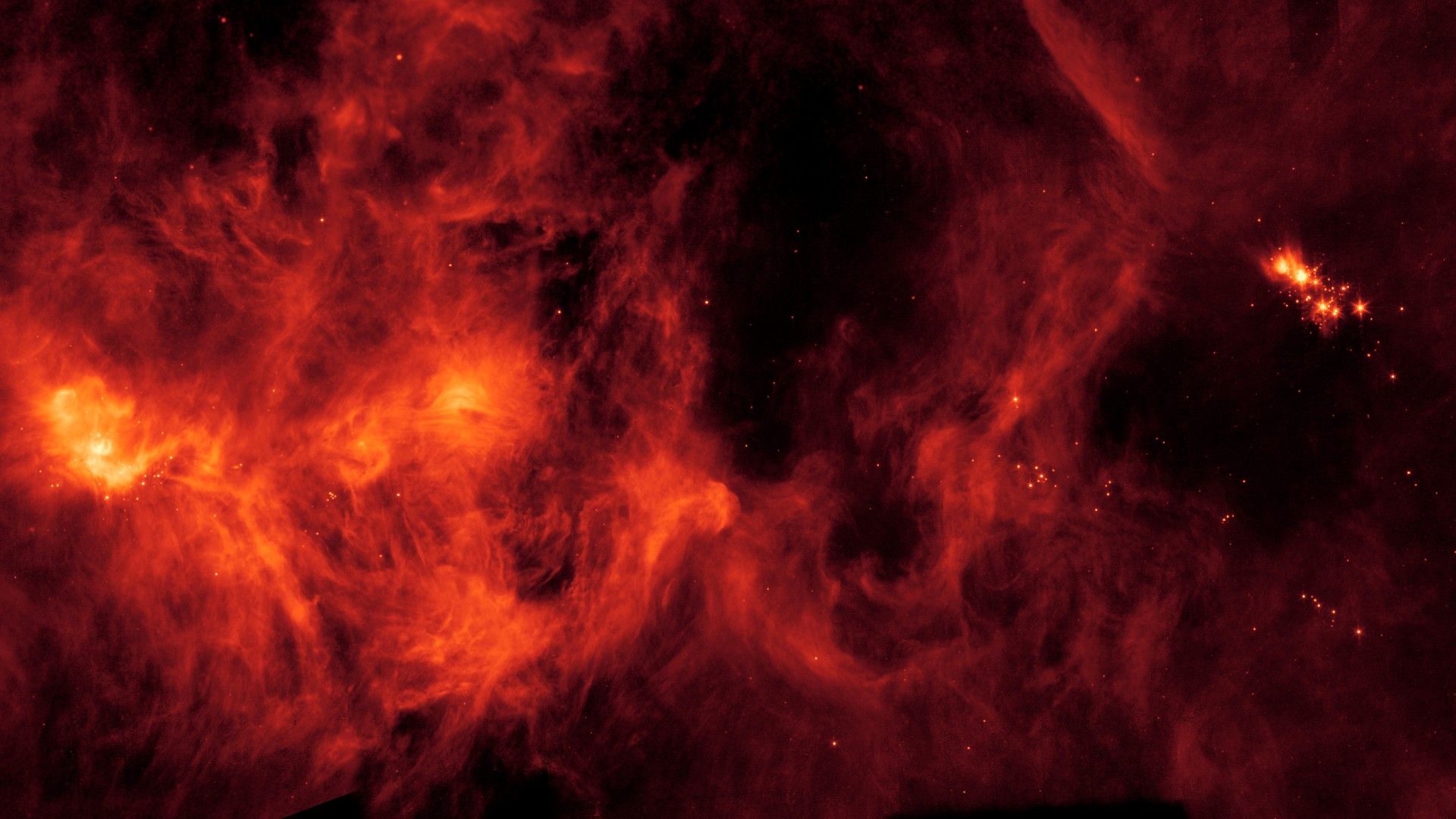
The discovery of surprising molecules of methanol and associated maser activity has expanded the inventory of the chemical starter kit that builds planets in young star systems.
Could we find alien technology embedded in moon dust?

The recently created UAP Science Advisory Council recently gathered at a private meeting at the Office of the Director of National Intelligence.
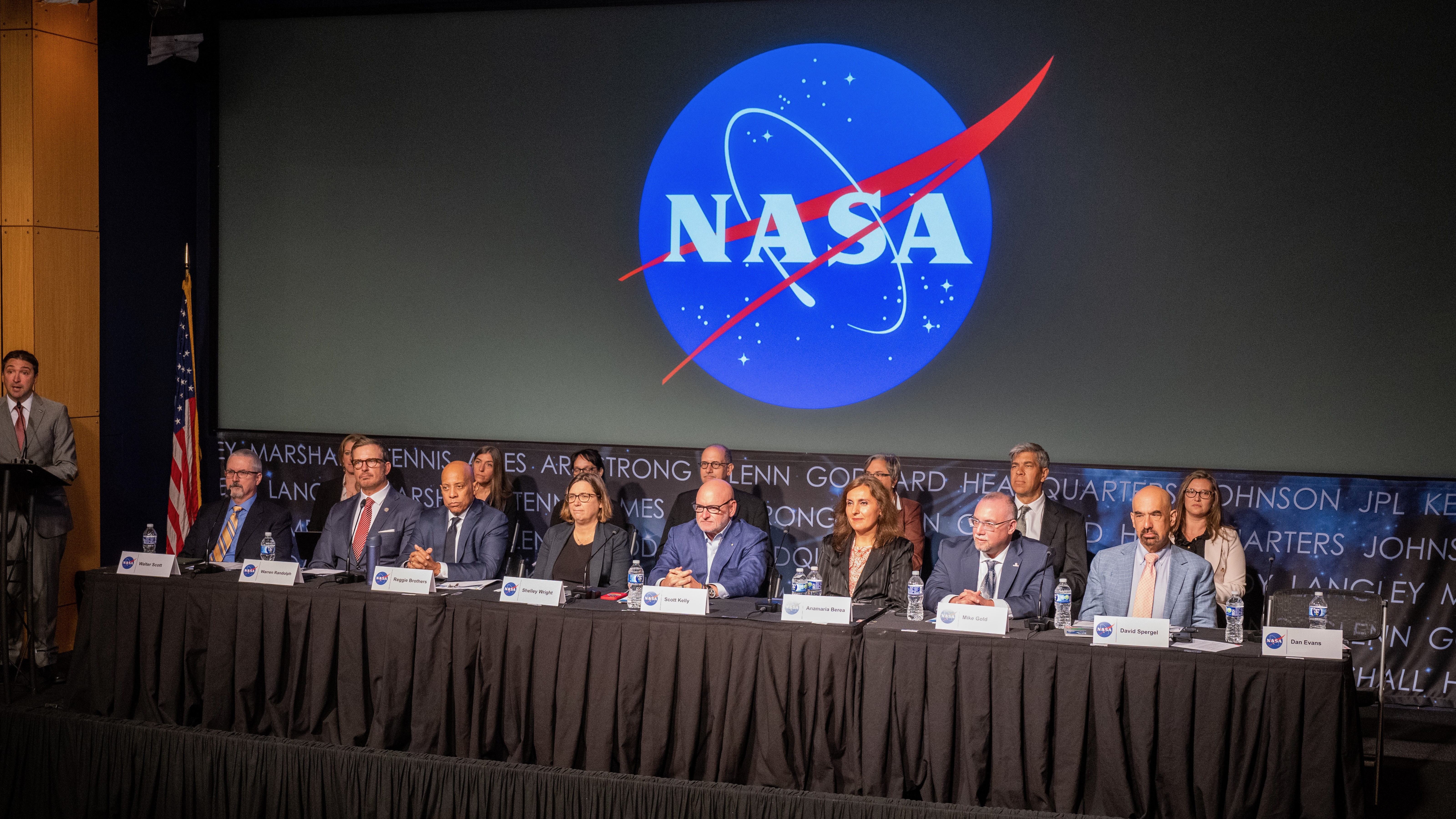
The Pentagon’s recent spate of UFO releases represent a big shift and are of great benefit to the country, according to disclosure advocate Mike Gold.
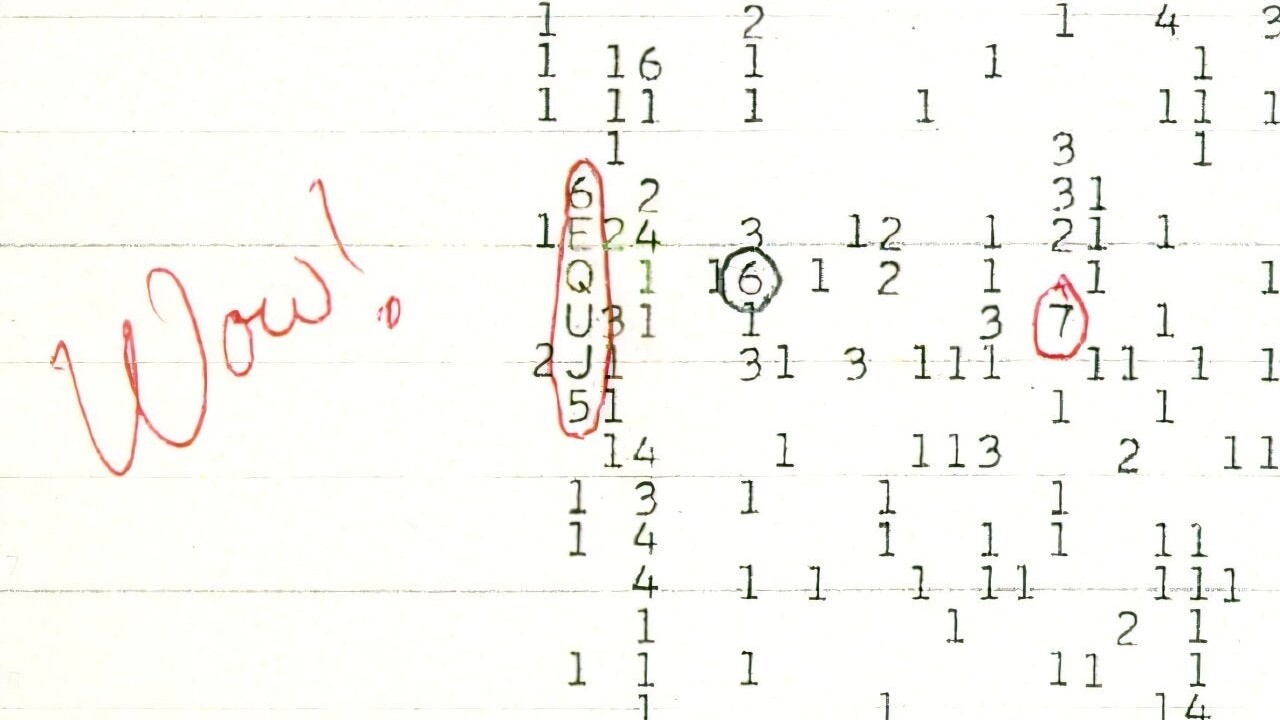
On Aug. 15, 1977, astronomers using Ohio State University’s Big Ear radio telescope detected the famous “Wow!” signal, which remains unexplained to this day.
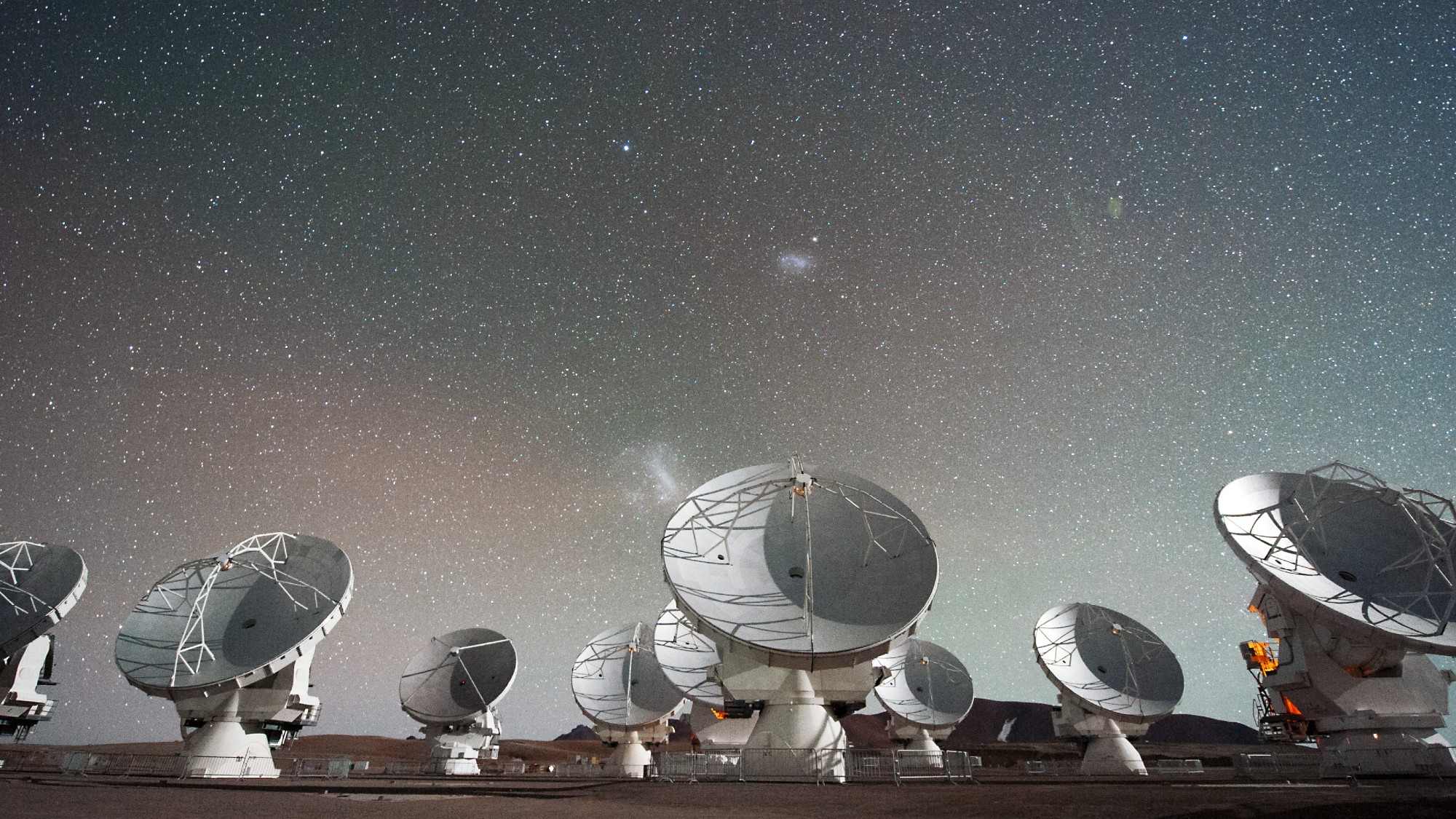
Astronomers may have already scanned millions of more stars than they thought, a realization that might lead to new ways to hunt for extraterrestrial radio signals.
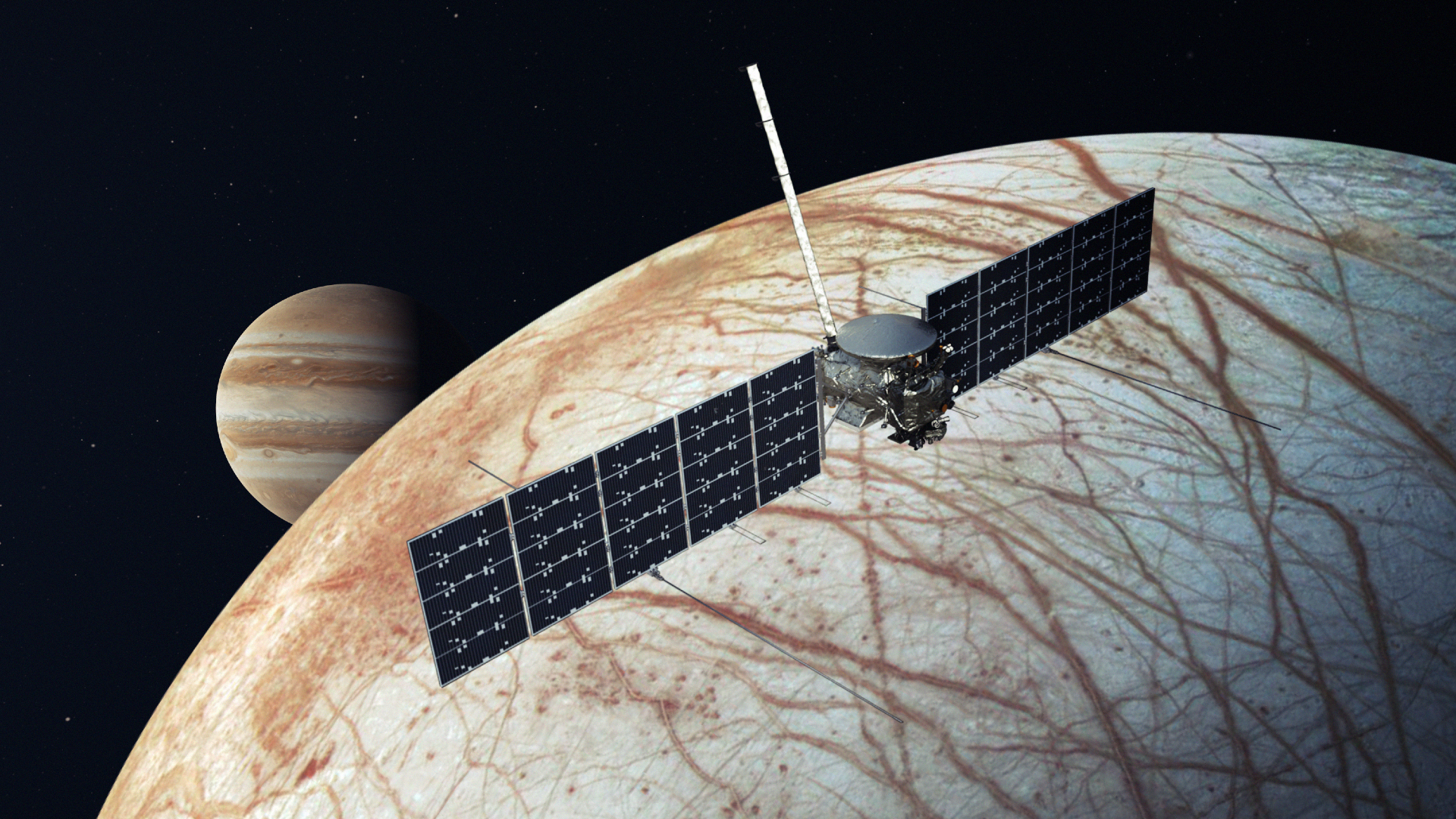
“This helps future missions interpret what they find and better understand where to look for signs of habitability.”

Between biosignatures and technosignatures lie noosignatures, and some scientists think they could help us find alien life someday.

For a world to maintain an atmosphere long enough for life to gain a foothold, it seems it needs to be at least as big as Mars.

New research suggests AI can be repeatedly fooled into mistaking non-life for life.