Rocket Lab has filed a protest against NASA’s decision to award Blue Origin a $700 million Mars orbiter contract, saying it’s inconsistent with the eligibility rules laid out by Congress.
Rocket Lab launched an Earth-observation satellite to orbit for a confidential customer on Thursday night (Sept. 10), without providing a livestream or many details about the mission.

On Sept. 11, 1985, the International Cometary Explorer, or “ICE,” became the first spacecraft to fly by a comet. Here’s why it mattered.

Two spacecraft operated by the company Impulse Space pulled off an impressive orbital feat recently, coming within less than 650 feet of each other.

NASA astronaut Frank Culbertson saw the immediate aftermath of the 9/11 attacks from the International Space Station in 2001. His view and his reaction were captured on video.

On Sept. 10, 2011, NASA’s GRAIL spacecraft launched on a mission to the moon! Here’s why the moon gravity mapping mission mattered.
Operations aboard the Katalyst Space LINK satellite continue, despite the spacecraft’s inability to complete its mission of boosting the orbit of NASA’s Swift Observatory.
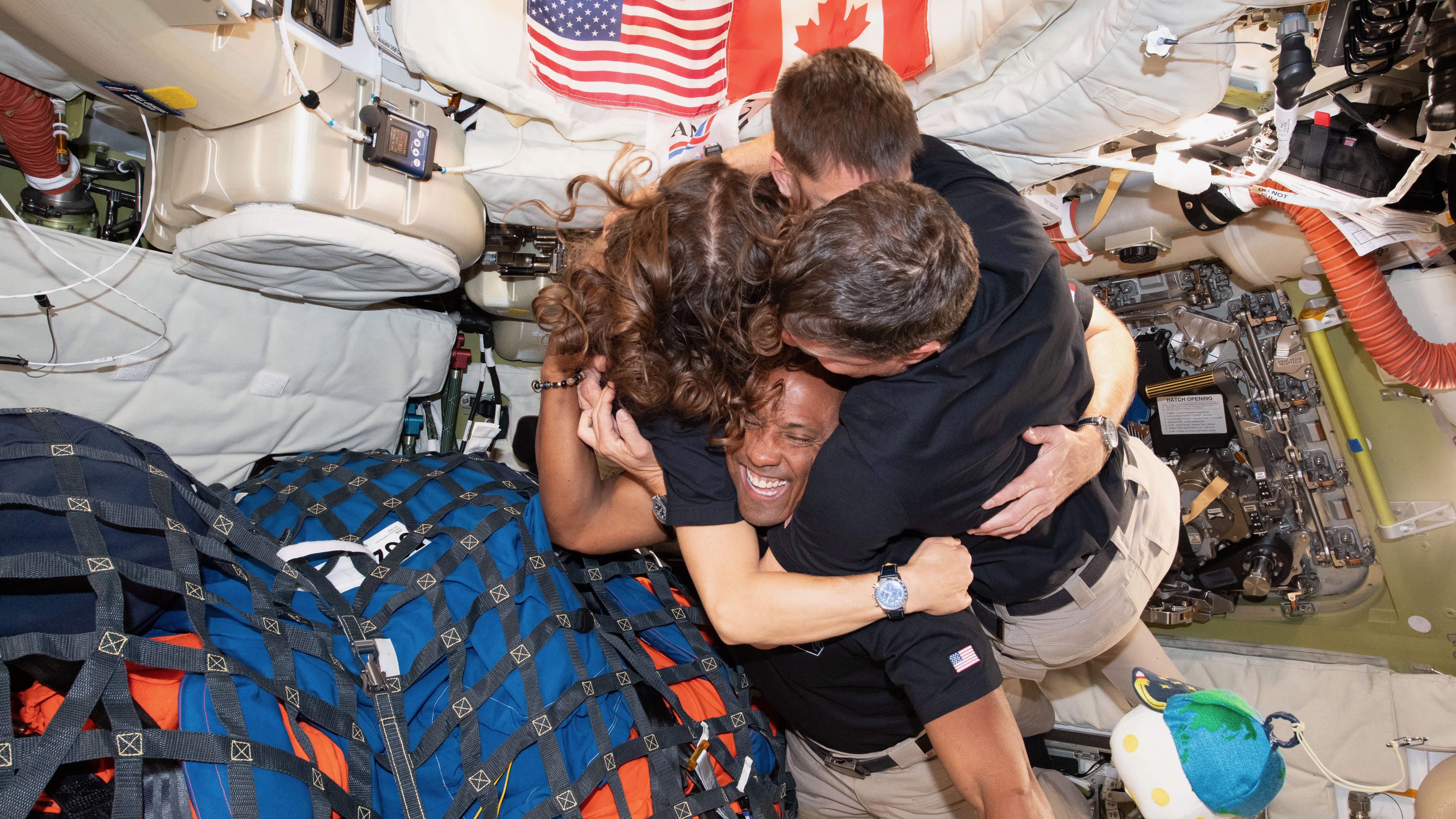
Artemis II astronauts Reid Wiseman, Victor Glover and Jeremy Hansen are planning new journeys after their April 2026 moon mission.
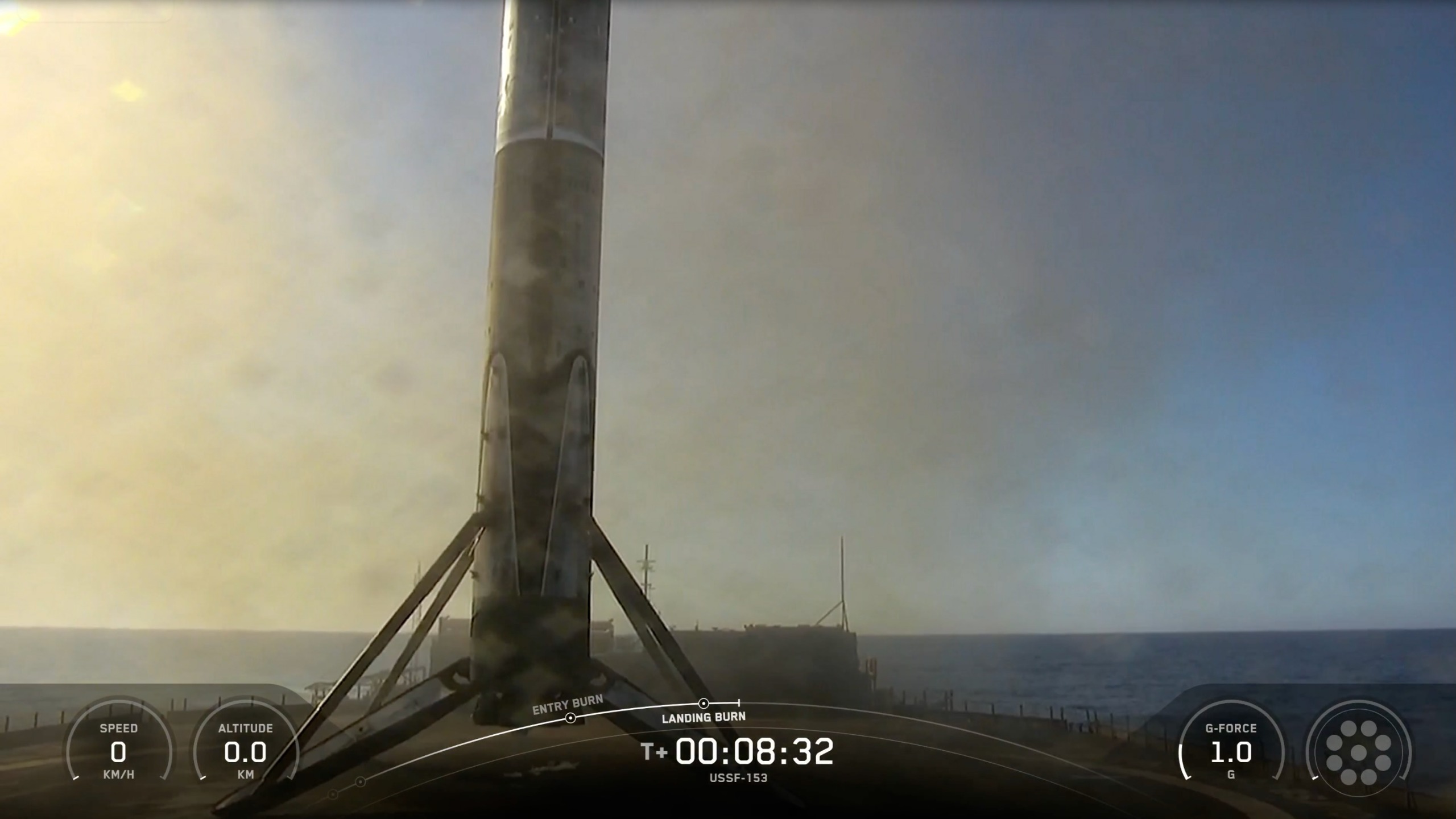
SpaceX launched the secret USSF-153 mission for the U.S. Space Force today (Sept. 10) from California’s central coast.

European Space Agency astronaut Sophie Adenot paid tribute to Star Trek’s real-world contributions to science and exploration by wearing Captain Pike’s Starfleet badge aboard the International Space Station on the show’s 60th anniversary.