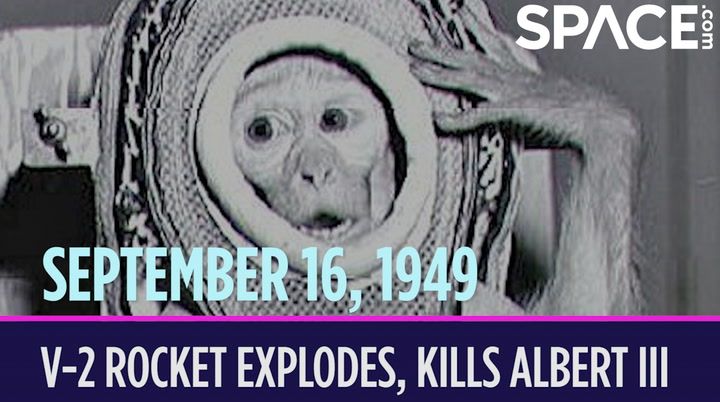
On Sept. 16, 1949, the U.S. launched a V-2 rocket with a monkey named Albert III on board. Here’s how it happened and why it mattered.
The hunt is on for a state to host the newly announced U.S. Space Academy. Groundbreaking for the new institution, wherever it ends up being, is targeted for 2027.
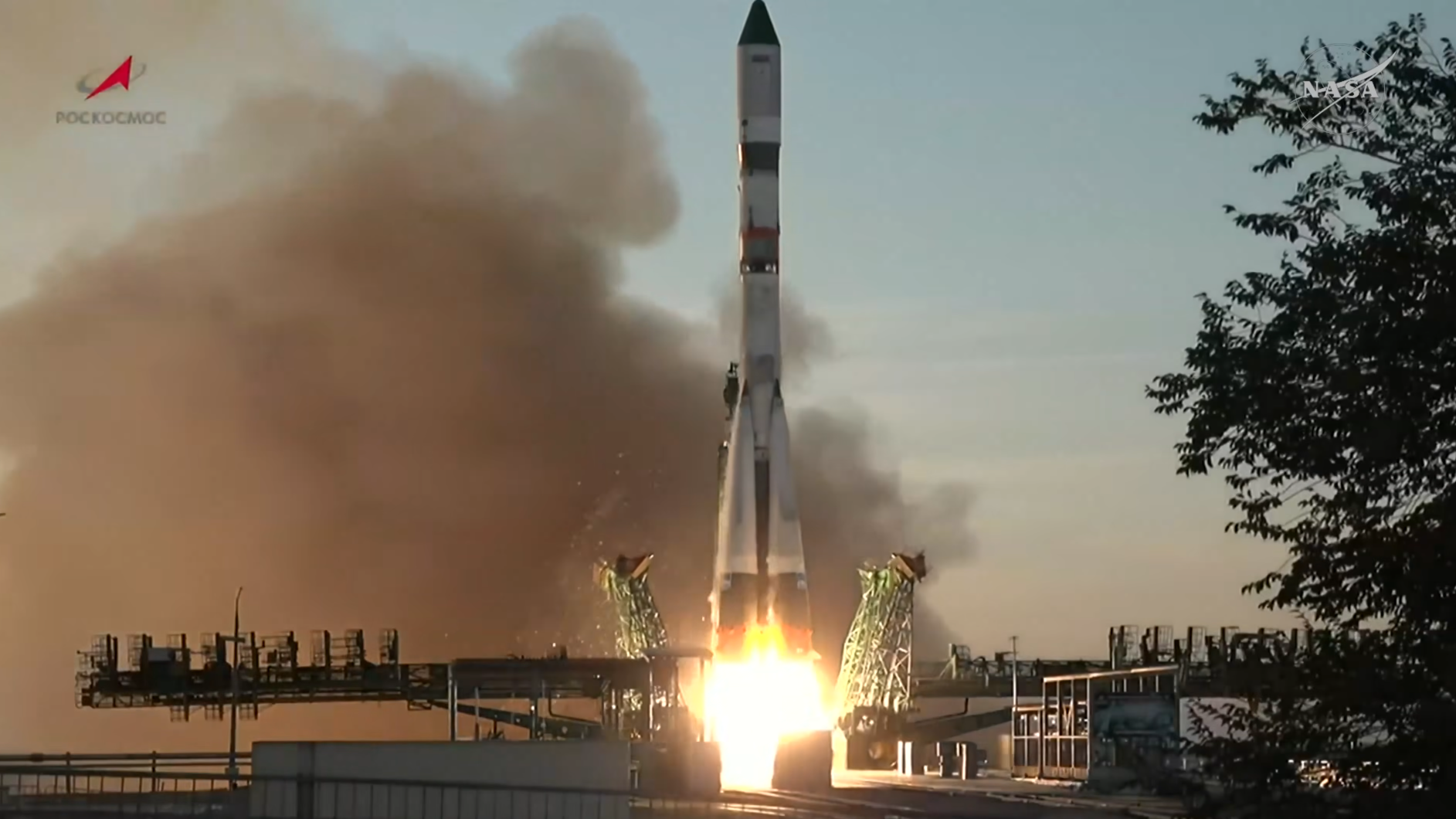
Russia launched the Progress 96 cargo mission to the International Space Station today (Sept. 16), delivering the freighter to orbit for a three-day journey to rendezvous.
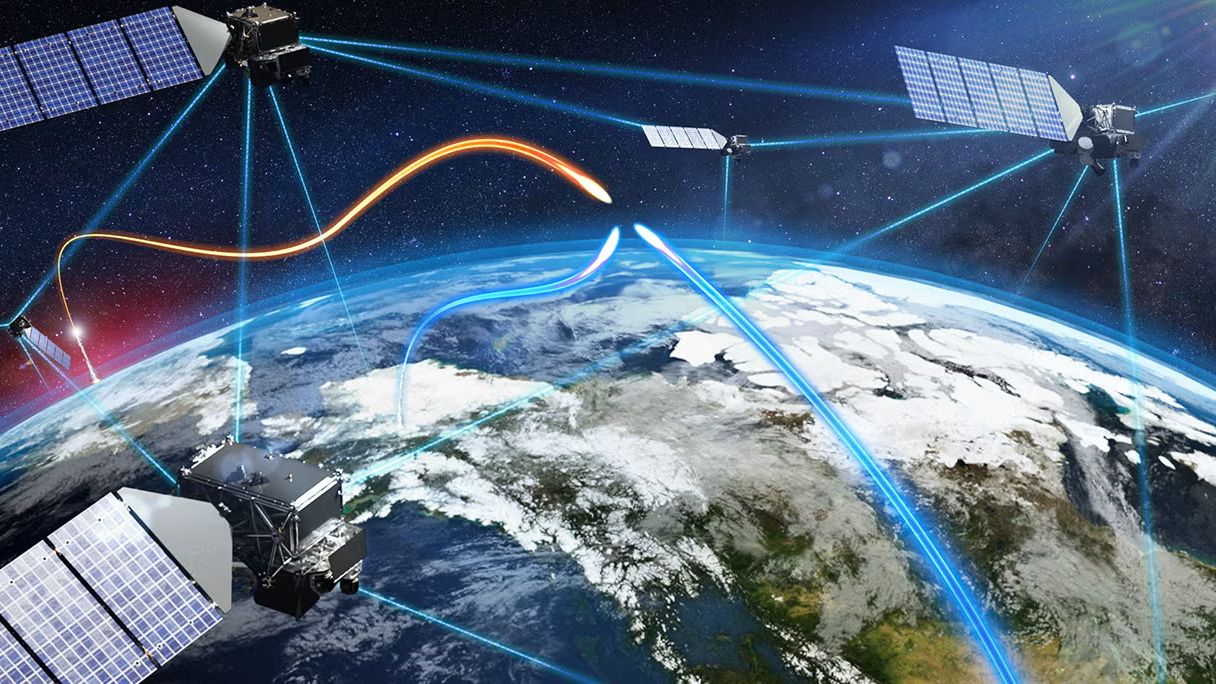
The U.S. Space Force is opening up about its operation of orbital weapons, “that can defend the joint force against space-enabled attacks.”
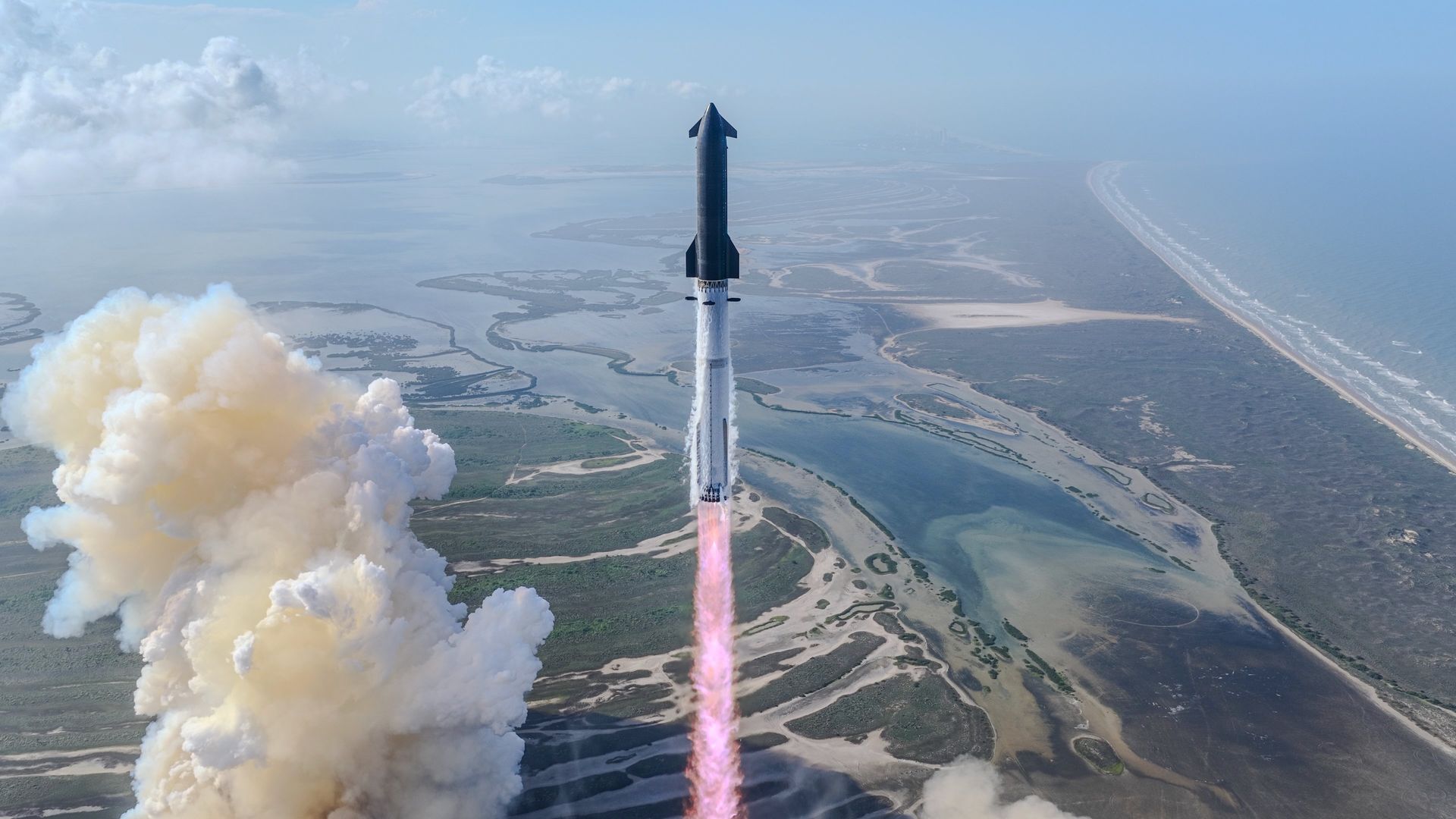
SpaceX is targeting Sept. 22 for Starship’s first-ever orbital launch, a landmark flight that will deploy 26 Starlink satellites and last about 10 hours.
Could we find alien technology embedded in moon dust?
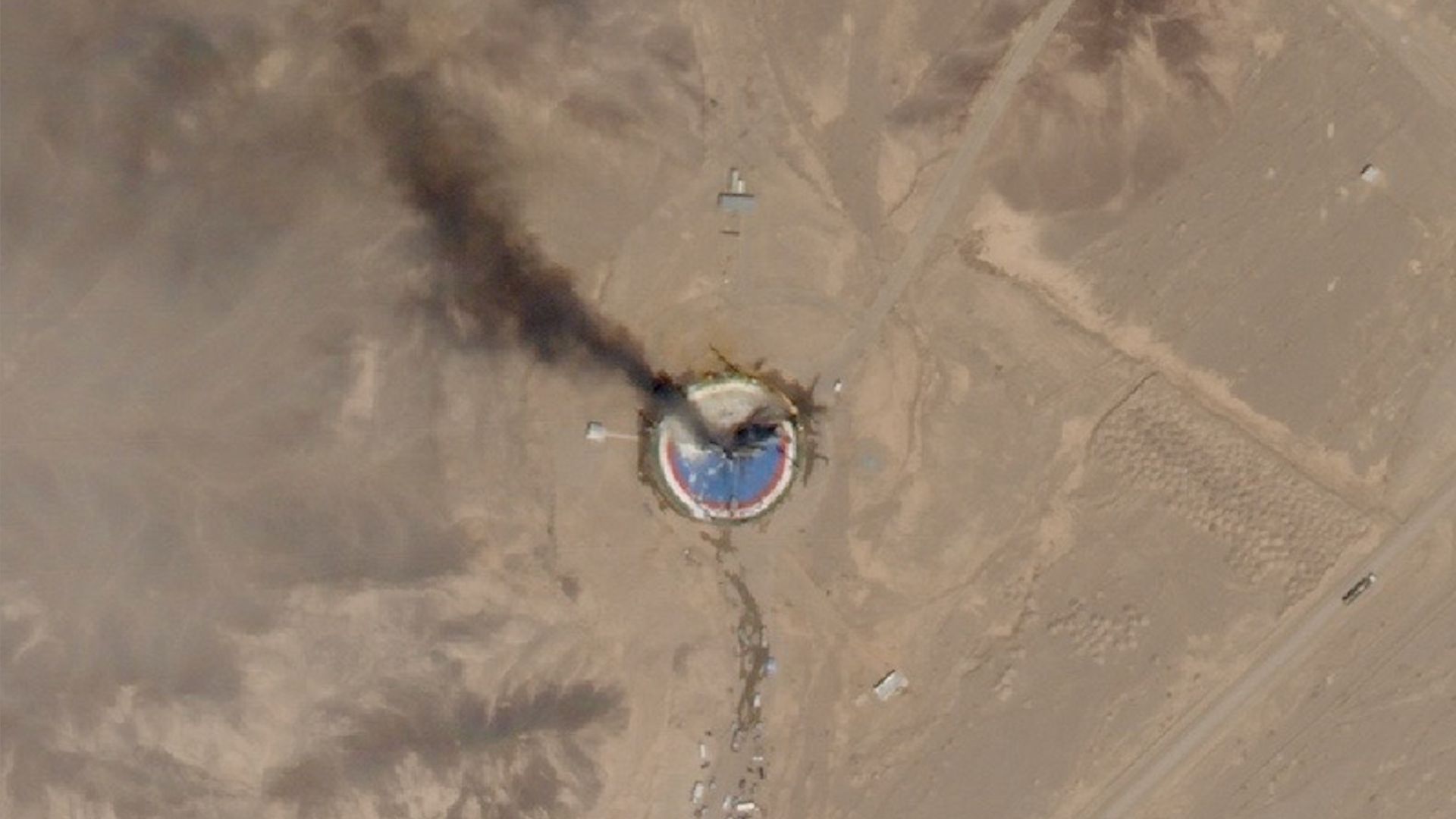
A satellite’s view from above fills the gaps in our understanding of the grim realities of war and makes it harder for totalitarian regimes to hide their crimes. But challenges exist.
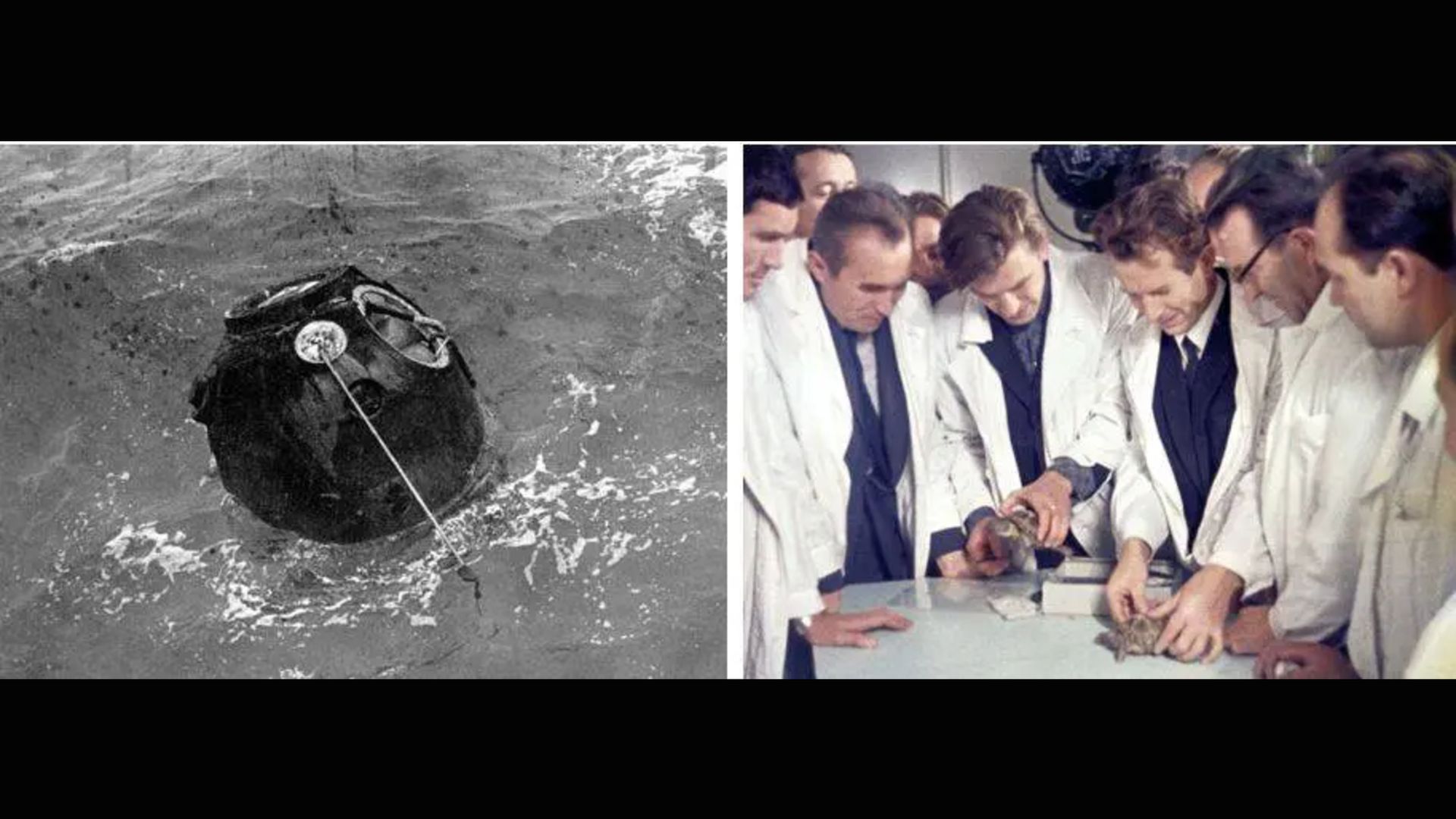
On Sept. 15, 1968, the Soviet Union launched the Zond 5 spacecraft carrying tortoises and more on a mission to loop around the moon and return to Earth. Here’s why it mattered.
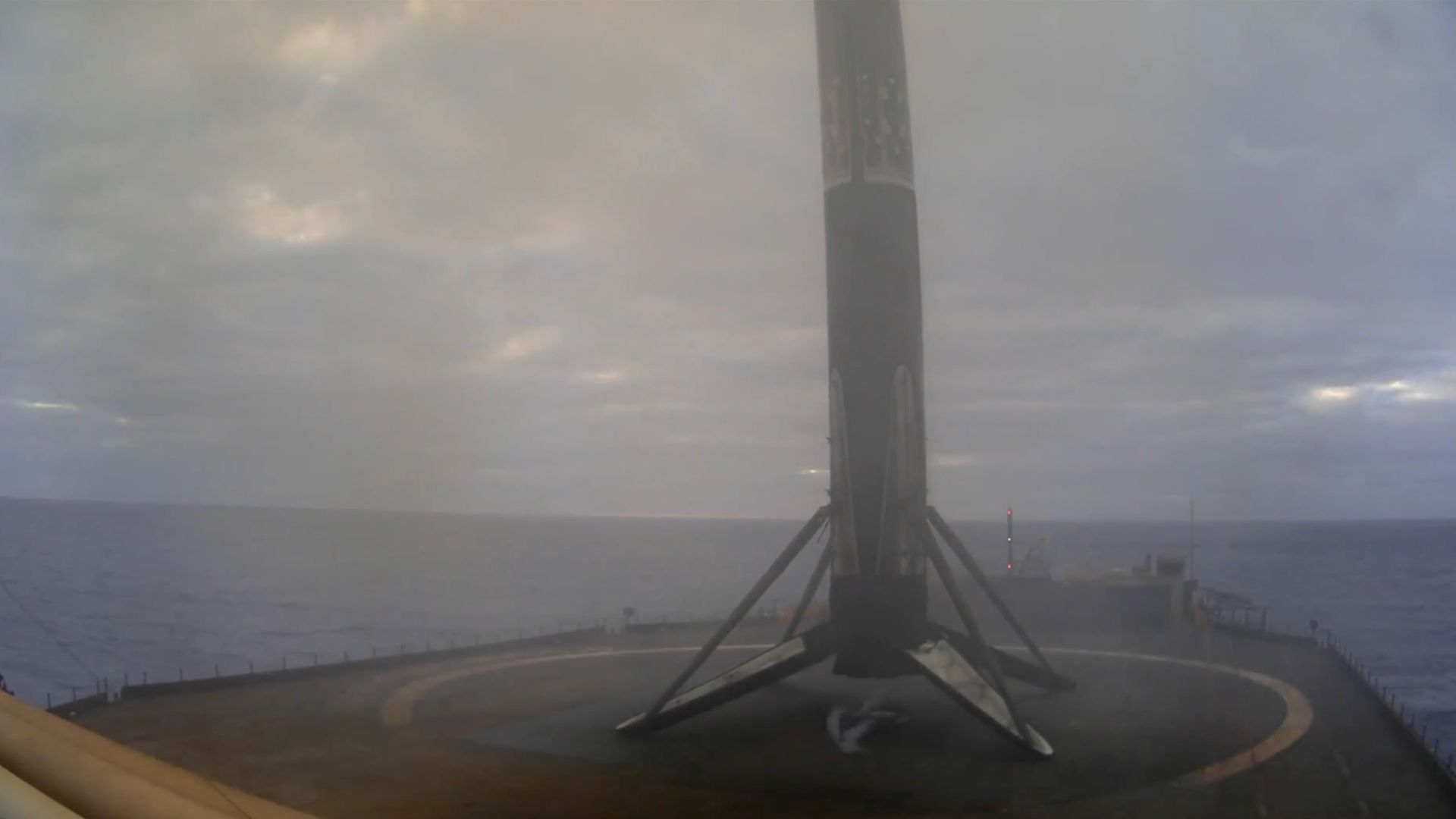
SpaceX launched its second classified mission for the U.S. Space Force in less than a week tonight (Sept. 16).
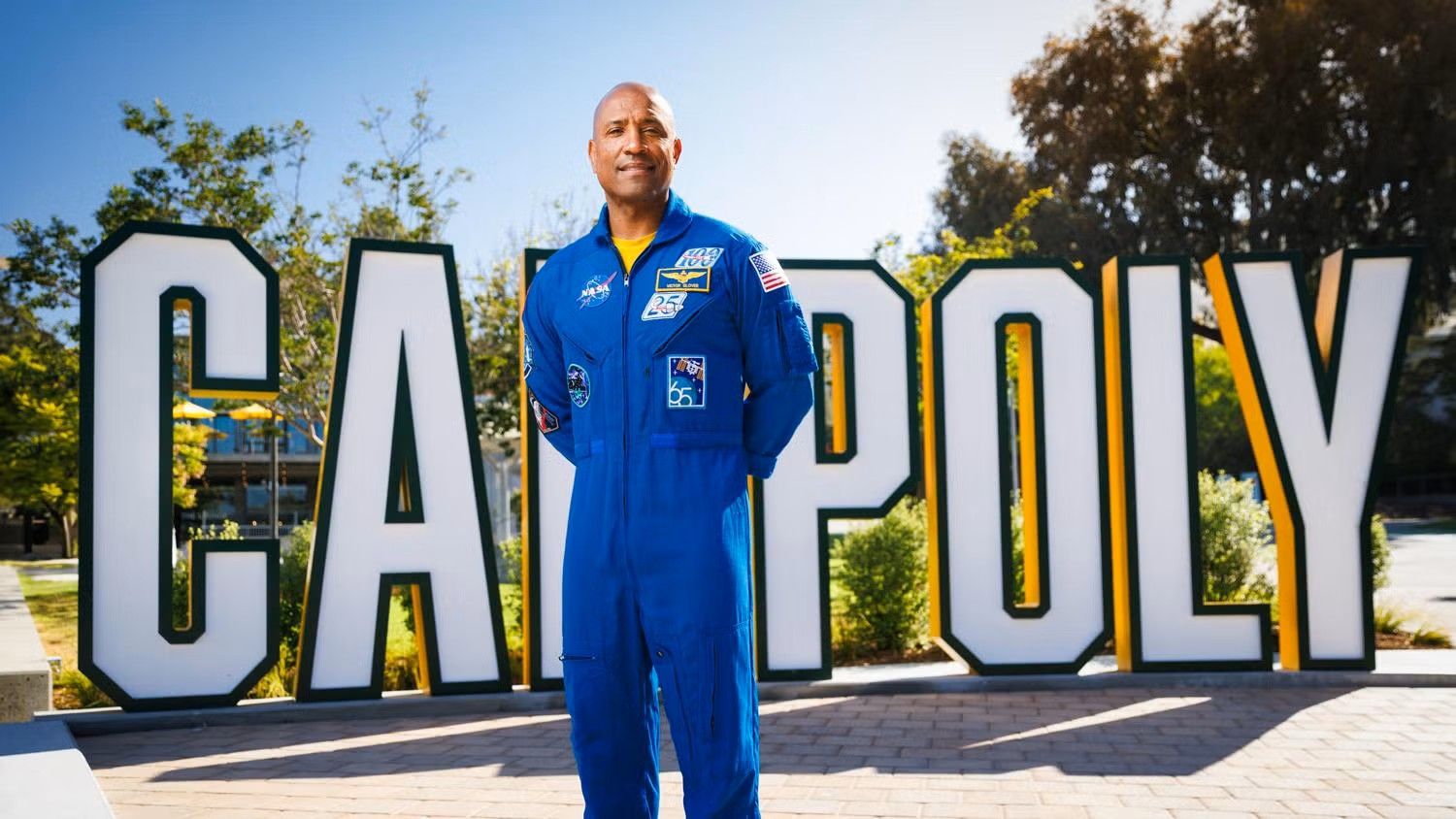
Former NASA astronaut and Artemis II pilot Victor Glover is stepping away from his space agency duties to take on a new role — executive advisor to the president of Cal Poly University.