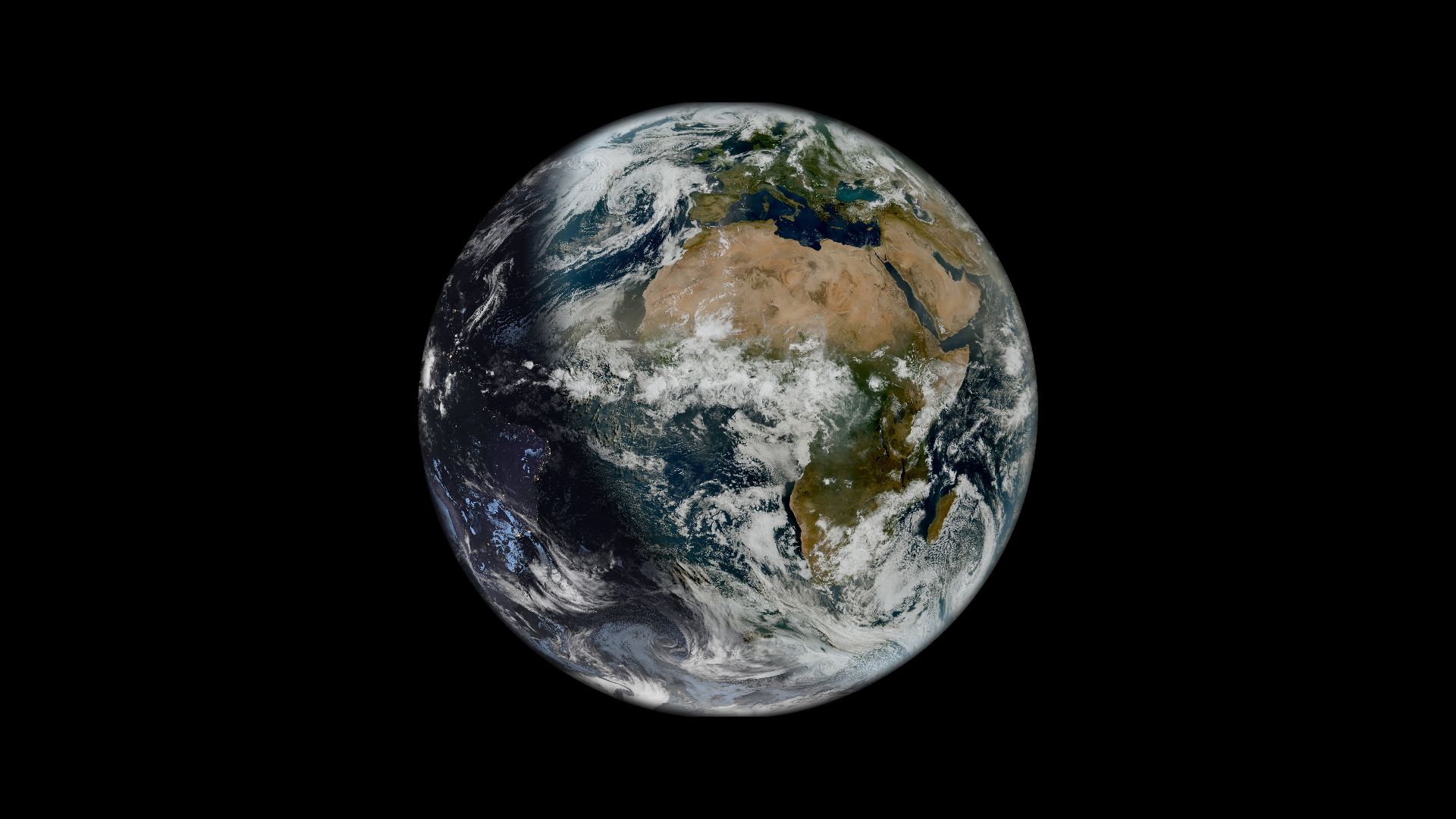
Just after the summer solstice, a European weather satellite managed to capture a striking image of this celestial moment from space.
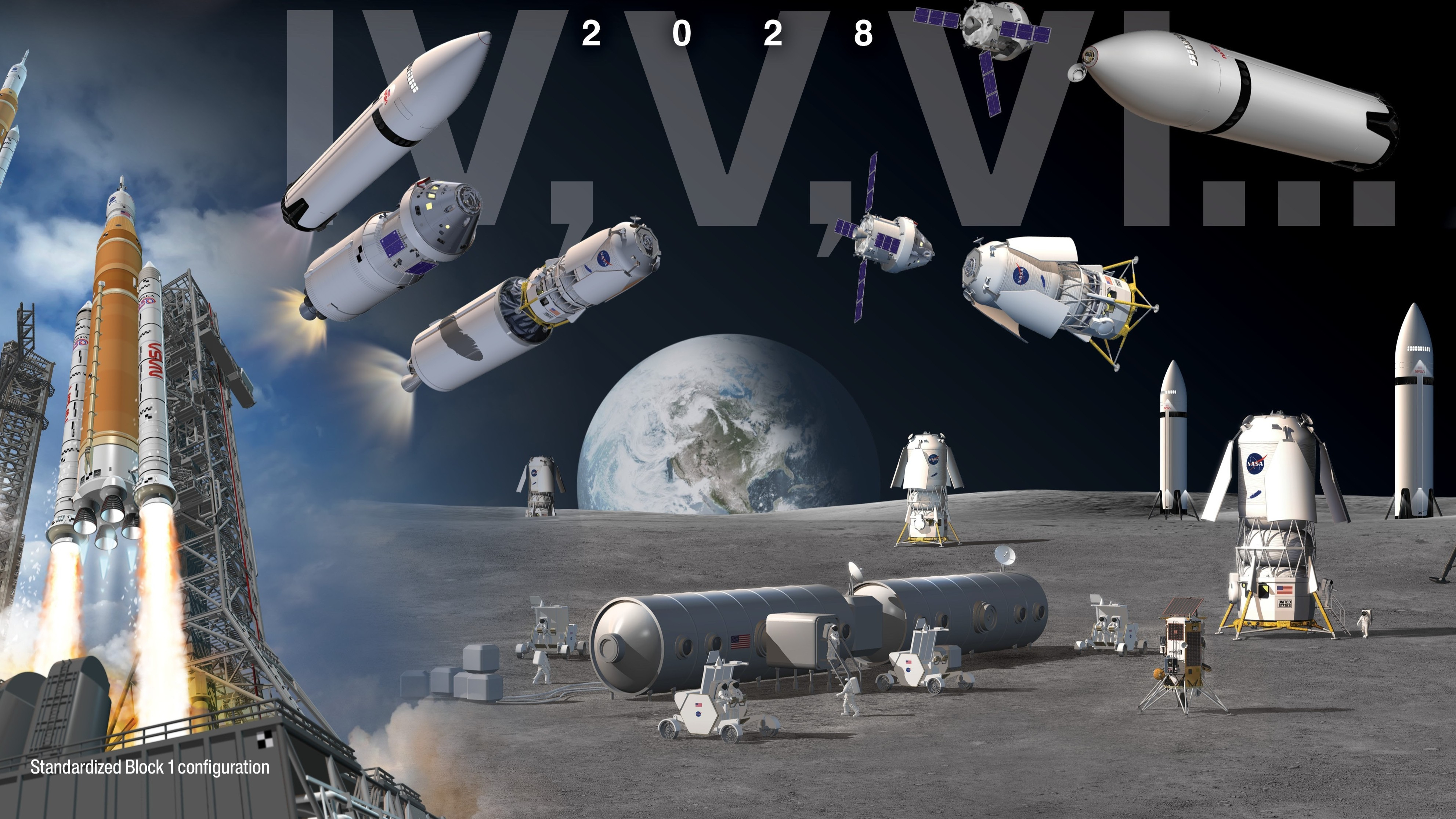
Why making lunar standard time is in everyone’s best interests.
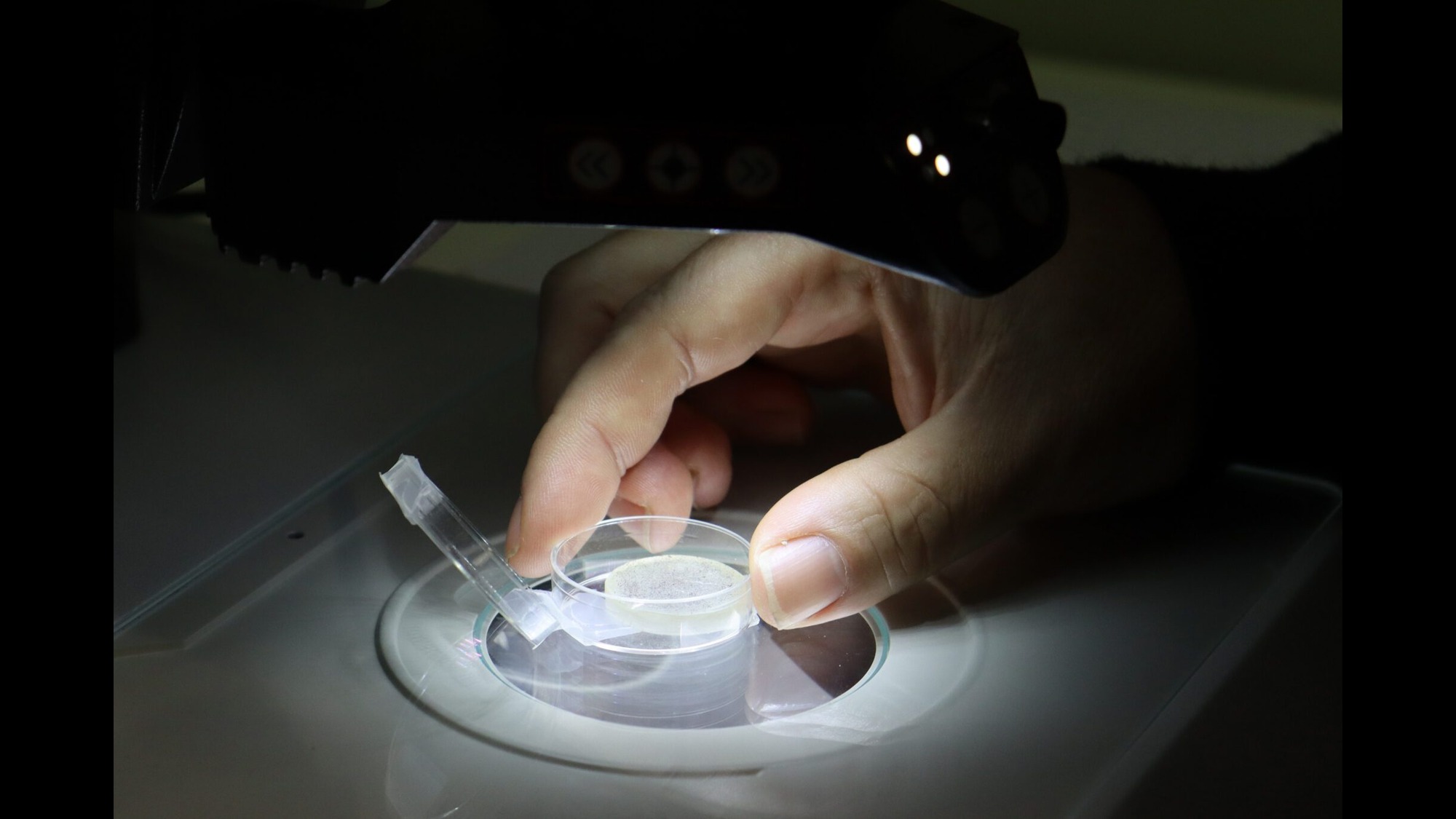
“While the site had previously been identified as an ancient impact crater, its exact age remained uncertain.”
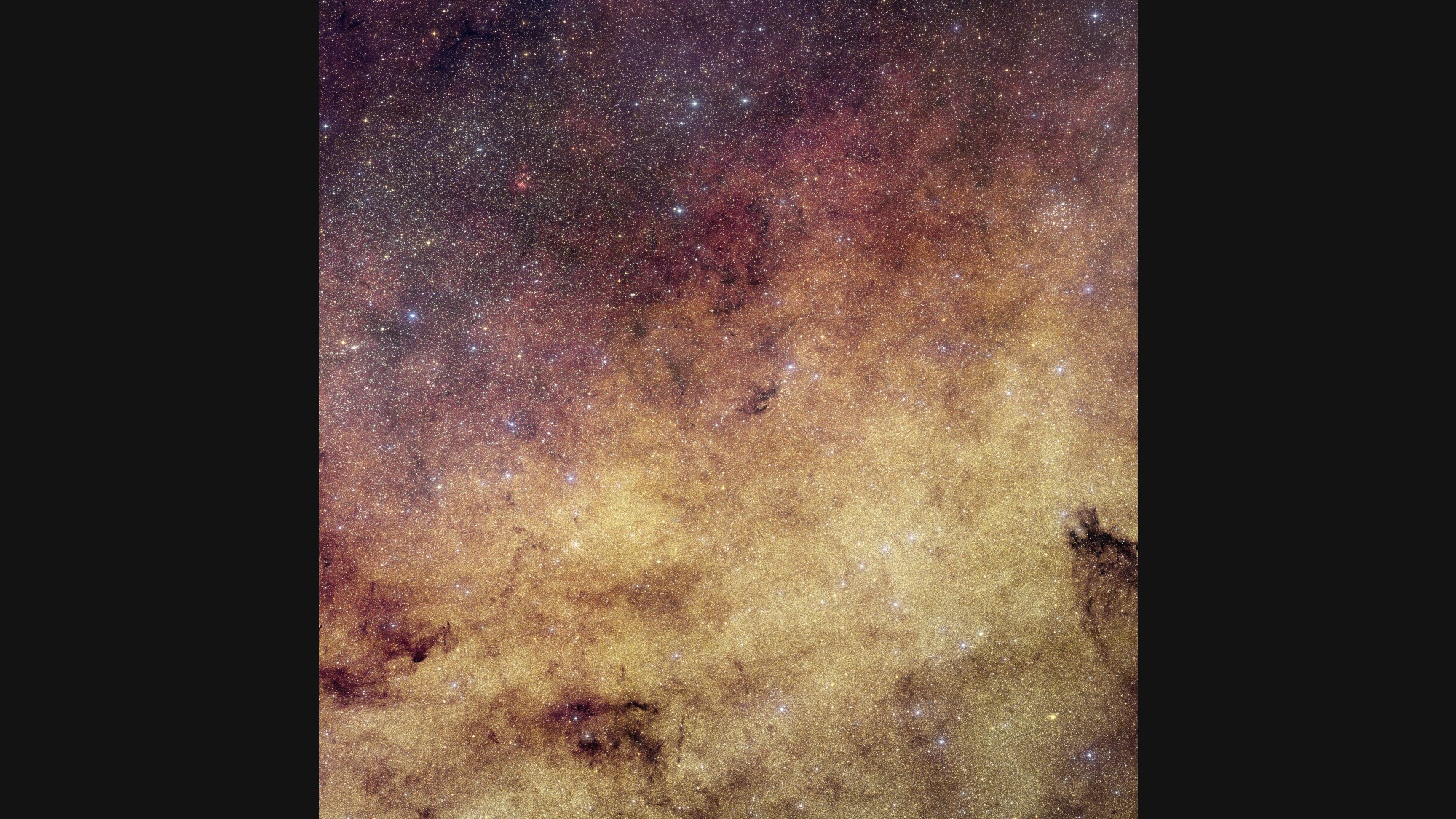
The ESA’s dark universe detective spacecraft Euclid, has studied the heart of the Milky Way, creating the largest and most detailed photo of this region ever made.
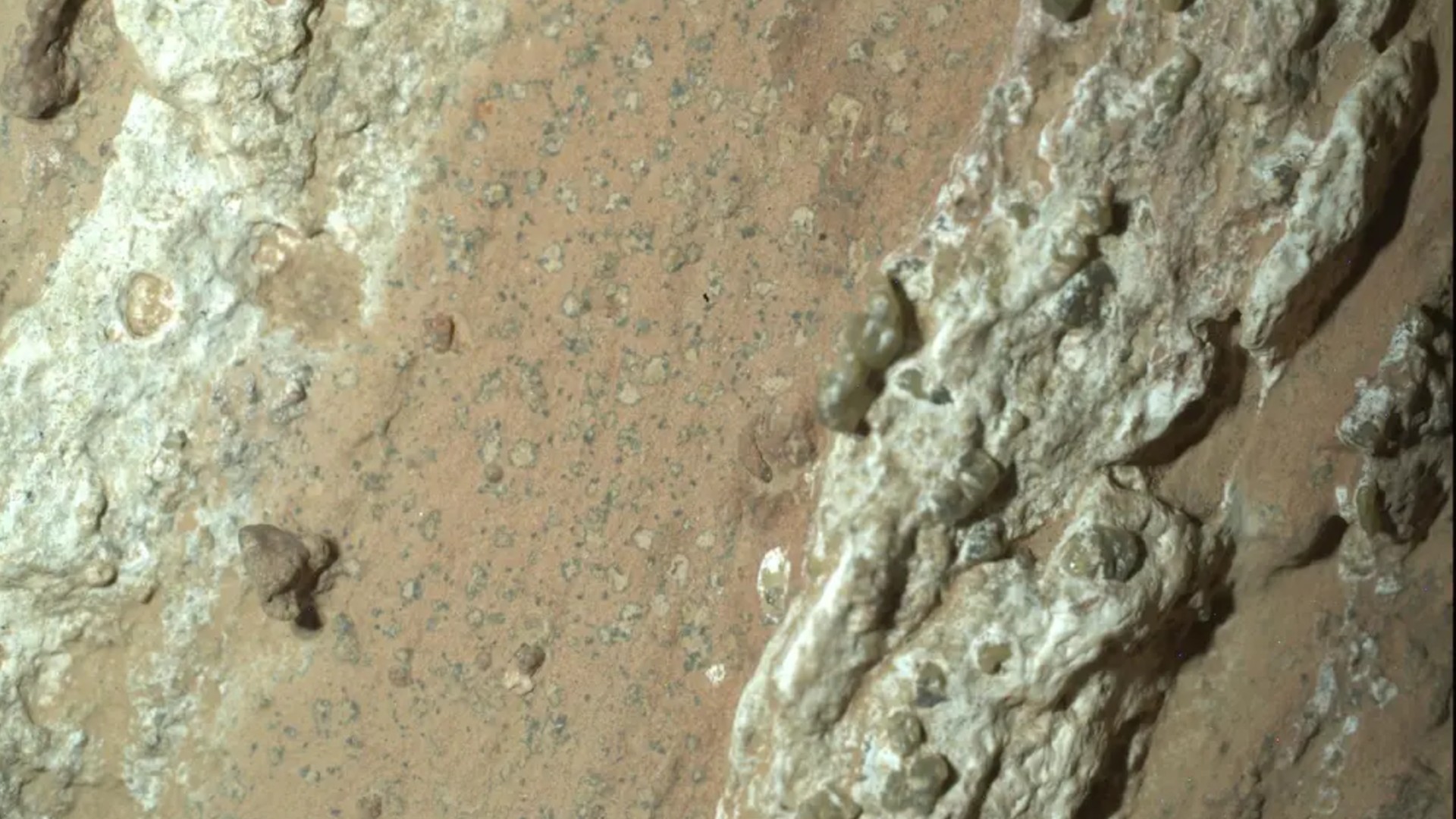
“Measurements of two mudstones show hundreds of organic detections, making this the most robust organic detection in Jezero crater.”
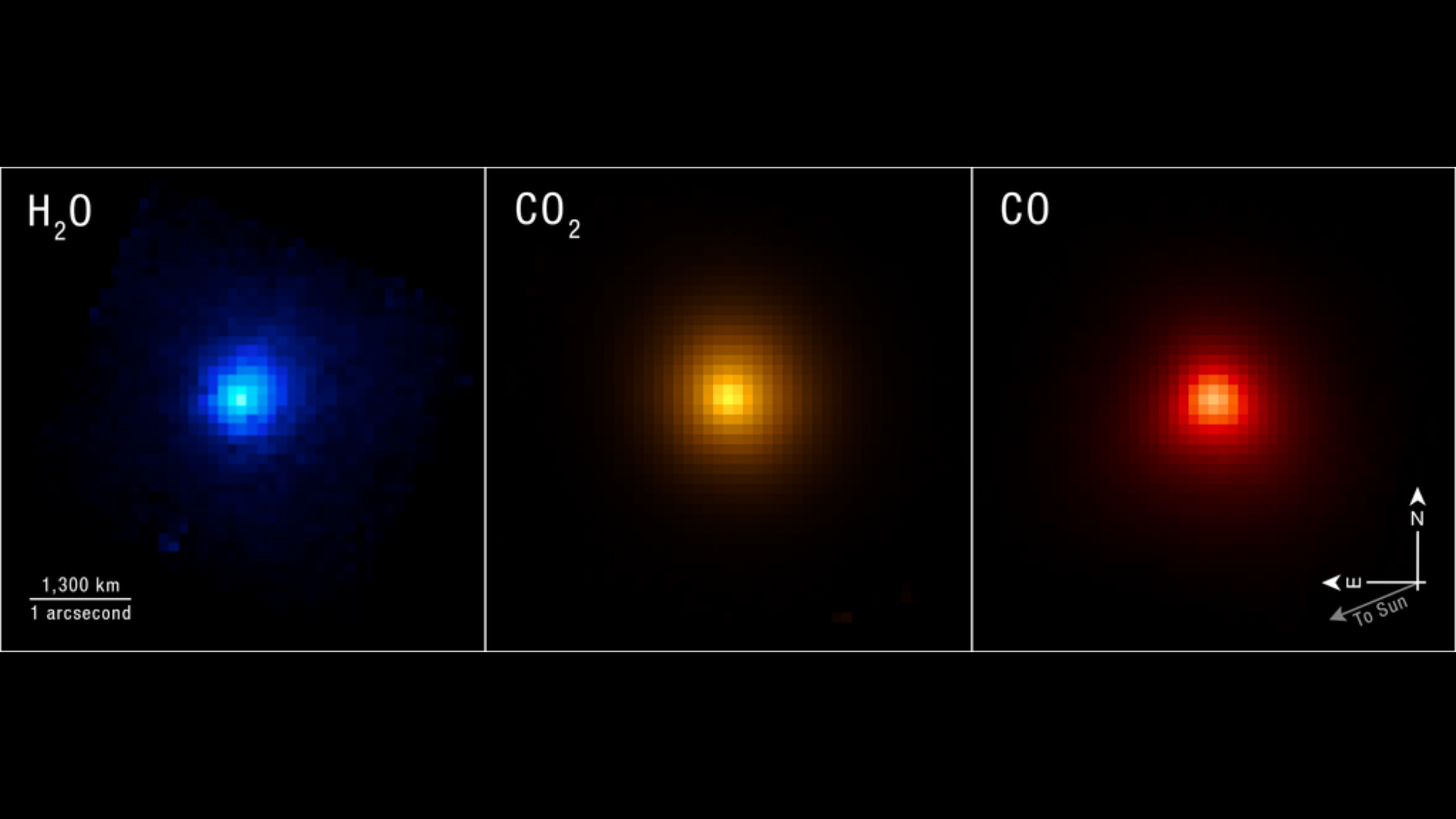
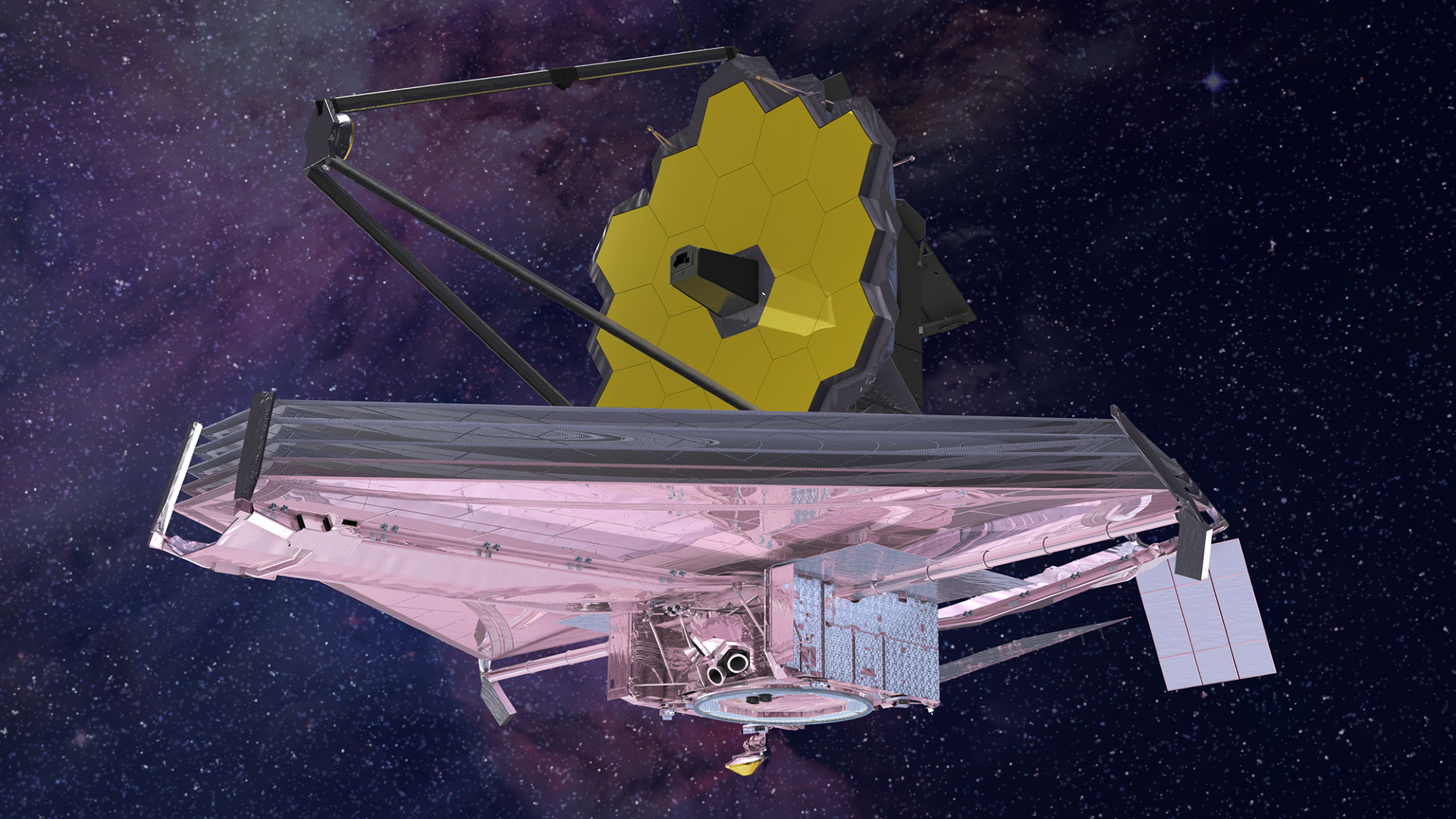
NASA’s James Webb Space Telescope is finding clues that are leading scientists toward the origins of the interstellar comet 3I/ATLAS.
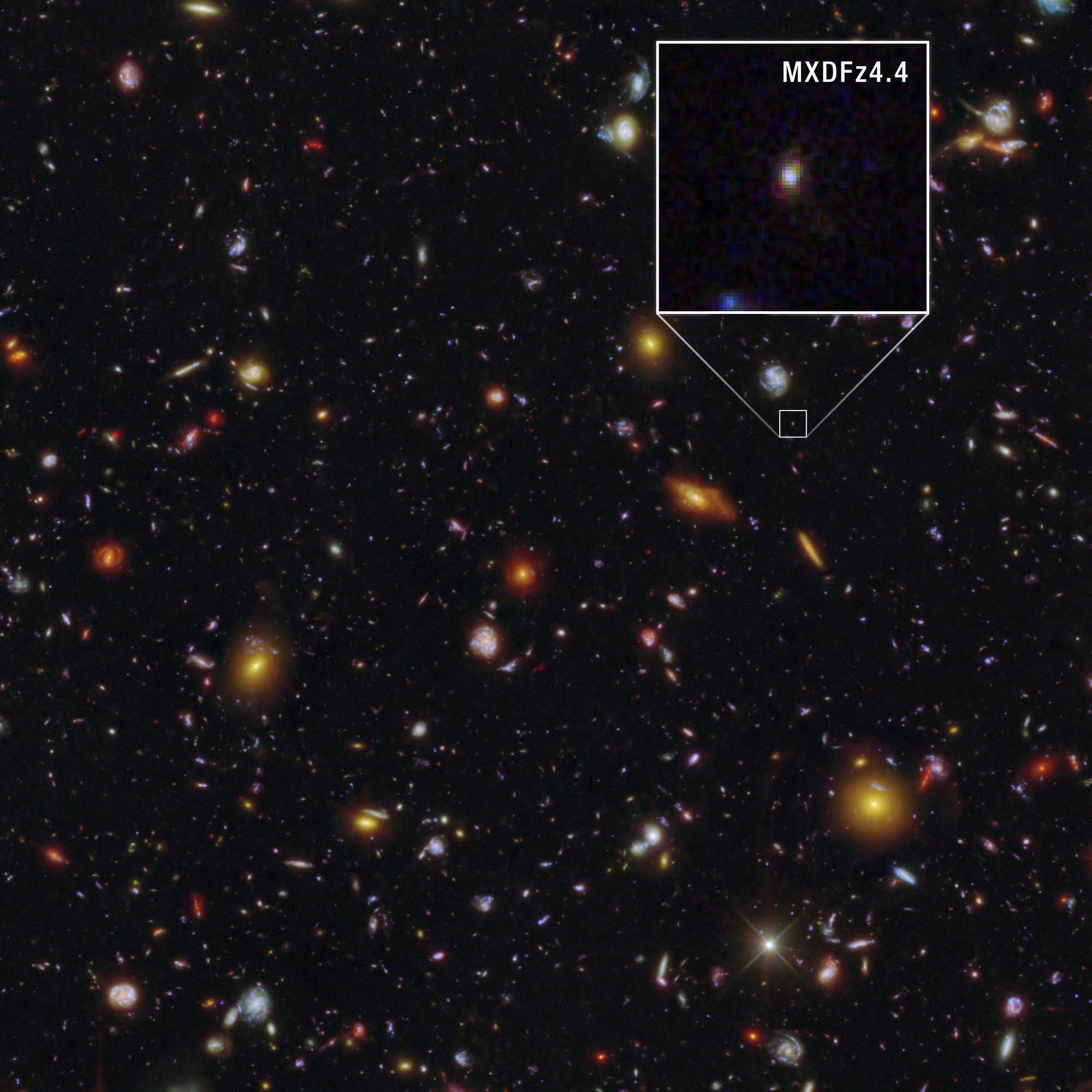
A faraway galaxy has been caught blowing away the cosmic fog of hydrogen that filled the universe once upon a time.
“This discovery provides a crucial insight into how planets form even around massive, eccentric objects.”
Terzan 5 is a globular cluster with some unusual properties that have led a team of astronomers to suspect that it is more than meets the eye.
The expansion of the universe is still accelerating under the influence of dark energy, despite recent claims to the contrary averting a cosmological crisis, according to new research.