Anthropic has published a paper wherein it envisions a future for the economy where AI is deeply ingrained. In the most extreme scenarios, U.S. GDP is up, but unemployment simmers as others are put out of work.
Companies are concerned that their intellectual property may be used by Anthropic and OpenAI to help improve their AI models.
Micron is offering Taiwan employees a NT$1 million cash bonus, but unions have rejected the package and are demanding permanent profit sharing as strike talks continue.

Russia turned Claude into a tool for weapons development, espionage, and propaganda, Anthropic’s new threat report claims.
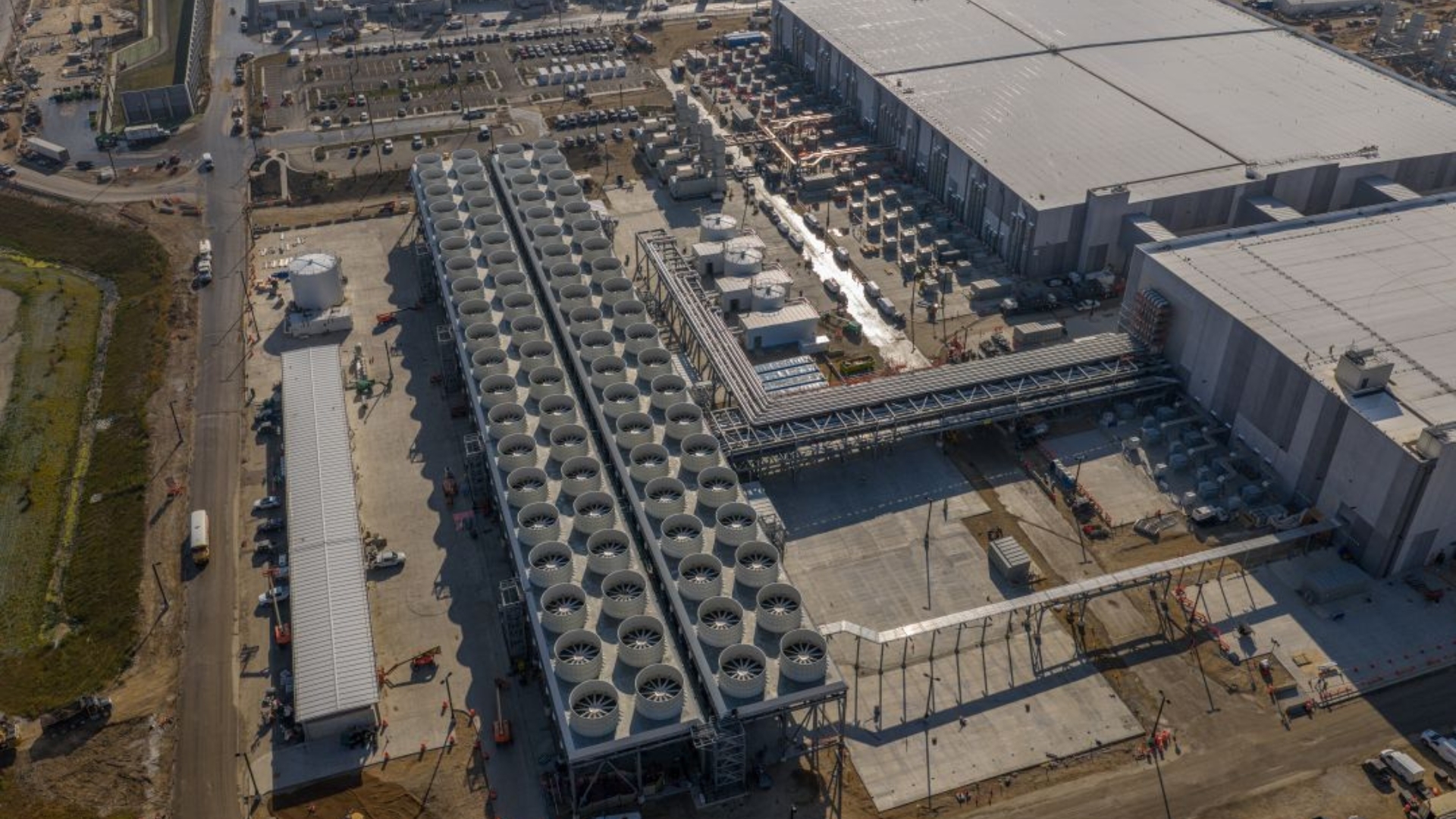
A new report claims AI data center builders are getting more savvy about offering communities tangible benefits to get their projects approved.
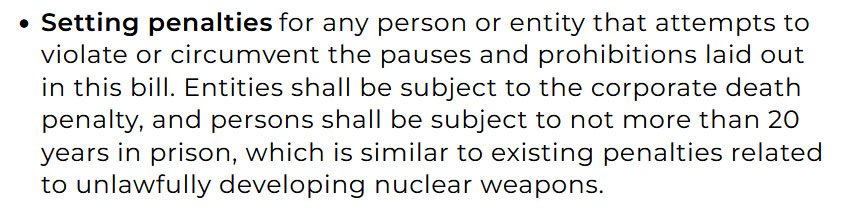
Senators Bernie Sanders and Greg Cezar have announced their Ban Artificial Superintelligence Act which threatens 20-year prison sentences for rule breakers.
As an Ex-Anthropic warns AI will get self-sufficient and kill our posterity.
Intel’s decision to archive its developer-focused One Mono font lasted only two days, with the company now restoring the open-source project despite its relatively limited development activity.
Anthropic accuses China-linked actors of using its Claude models of weapon development, intelligence activities, distilling AI models.

There is increasing evidence that Mexican drug cartels are diversifying into cryptocurrency mining and are using crypto platforms to launder their ill-gotten gains.