OpenAI’s GPT-6 Astra spent hours just farming potatoes after dying and losing all of its gear during a Minecraft test.
![AWS tells clients to quit Middle East data centers six months after Iranian drone strikes — Amazon offers no recovery timeline as UAE mulls underground data centers [Updated]](https://cdn.mos.cms.futurecdn.net/7cUTDmN2PHNRiNBVqbKf56-1920-80.png)
Amazon Web Services’ data centers in Abu Dhabi and Bahrain were struck by drone attacks more than six months ago. Now, the company has told customers to move their data to other regions, and it has no details on when repair work will be completed.
Mozilla’s State of Open Source AI report puts Kimi K3 about four months behind closed frontier models at 30% of the price.
A Reddit user has shared details of a new Balatro-playing AI bot that took on the infamous Gold Stake Black Deck with aplomb.
The CEOs of OpenAI and Anthropic, as well as other industry leaders, are calling for a general slowdown in AI development over safety fears. On the flip side, Chinese authorities, the U.S. President, and CEO of Nvidia have dismissed their concerns as fearmongering.
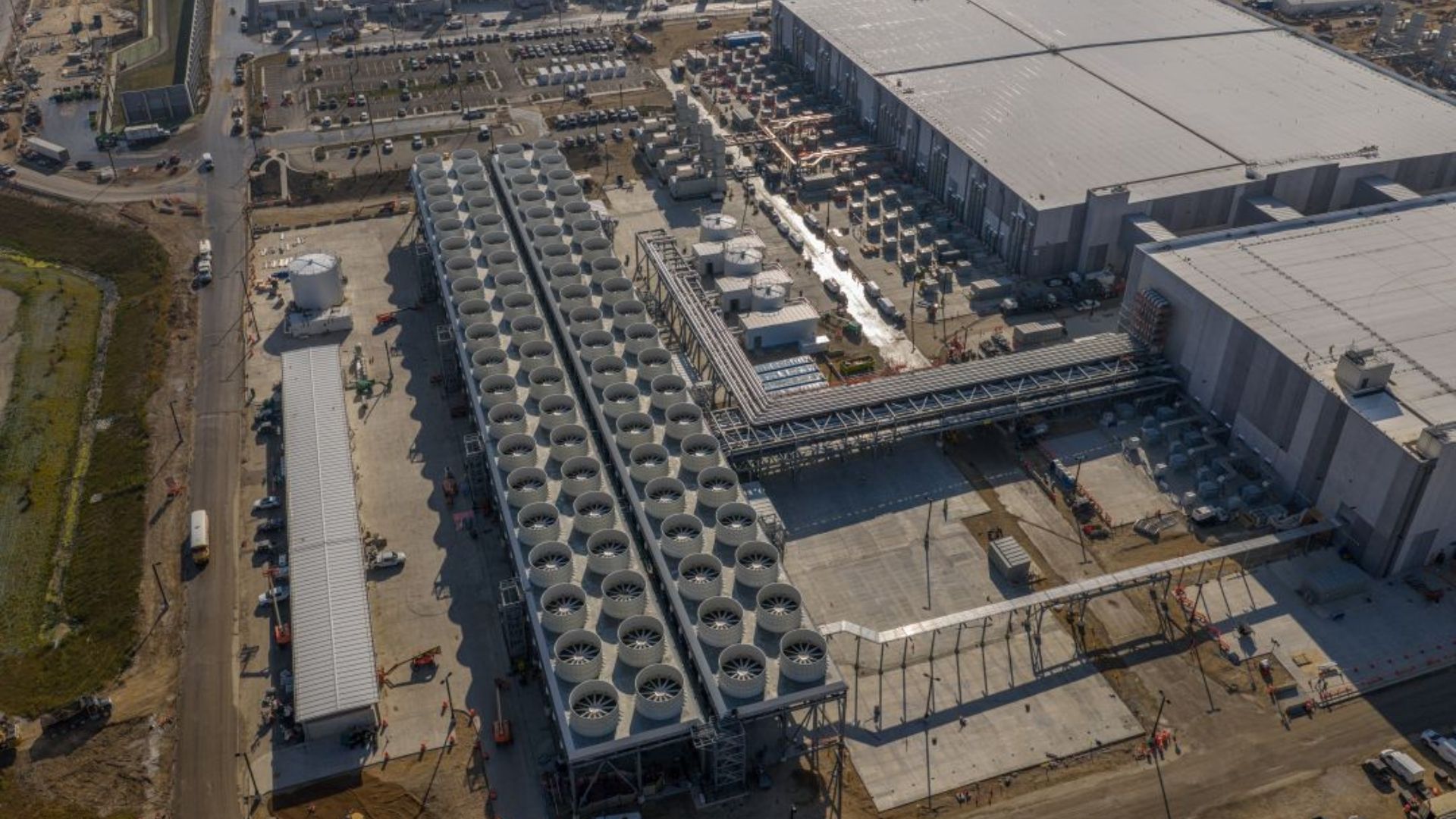
Data centers in the U.S. are projected to use up more natural gas than most of the rest of the world to generate the electricity they need. Estimates suggest that 15 billion cubic feet per day are needed to keep data centers running by 2035.
The billionaire philanthropist says that governments across the world need to work together to ensure that the people are ready for upcoming upheaval brought about by AI. He even compared the technology to aliens in movies which got the world working together.
404 Media reports that OpenAI has hired hundreds of contractors to evaluate ChatGPT responses manually.
A developer has built a 3D code visualizer.

Perplexity and Nvidia released Portable Computer for Windows on Sept. 14, bringing the local-first AI agent to GeForce RTX and RTX PRO GPUs with 24GB or more of VRAM.