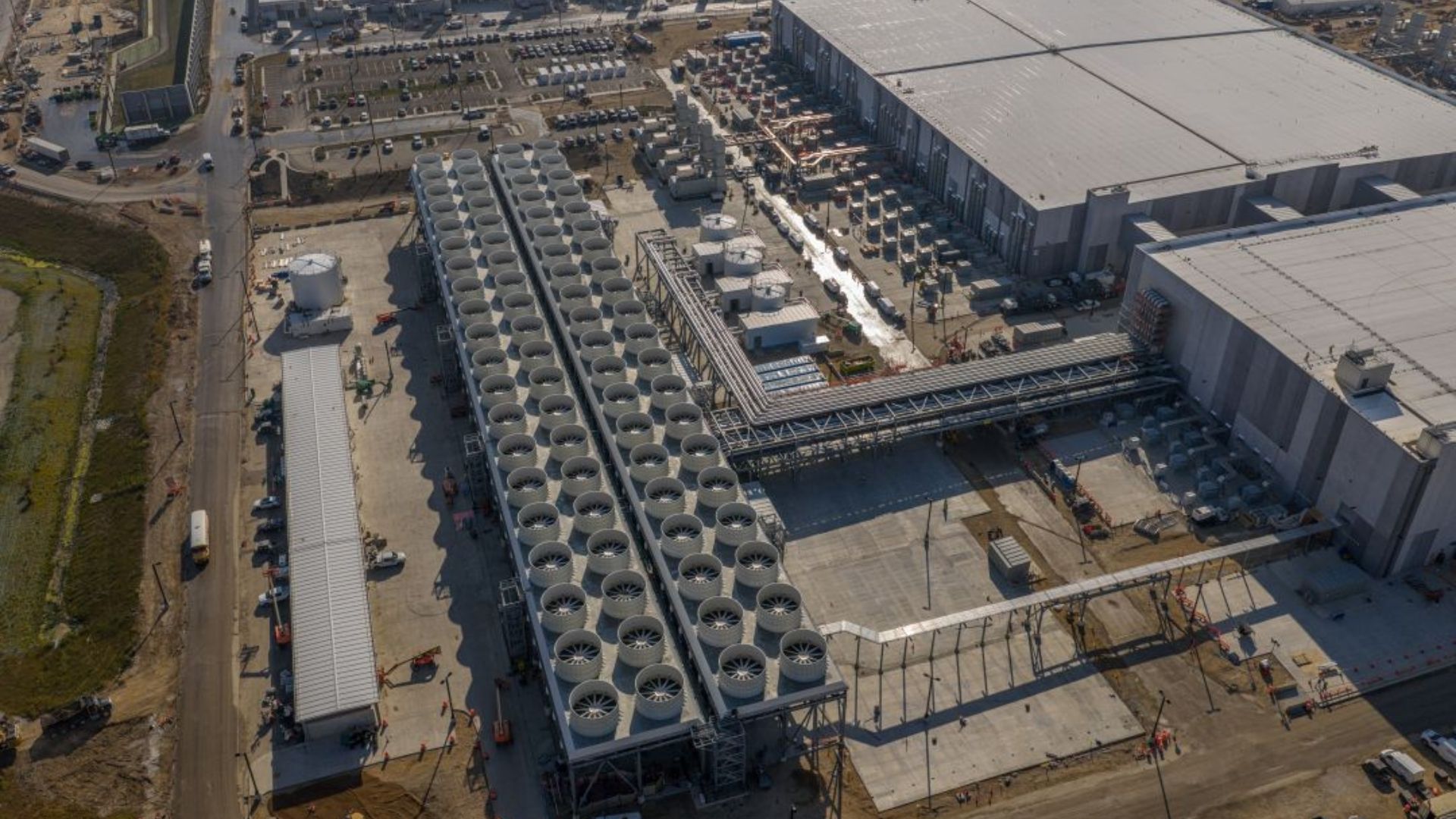
The U.S. government is helping fund projects to bring nuclear reactors back online in an attempt to provide more energy capacity to AI data centers.
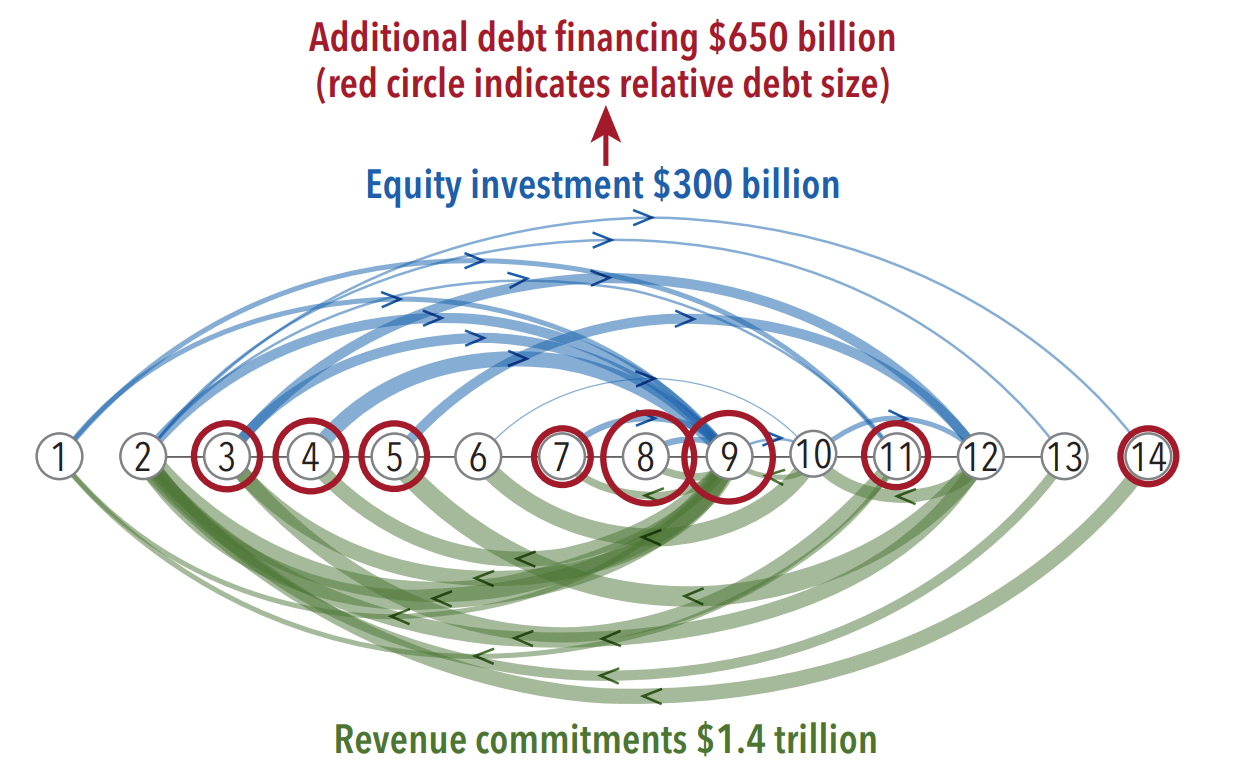
The International Monetary Fund has produced a report examining how financing for the global AI buildout could result in contagion should the industry fail to produce its promised profits.
Former Nvidia advisor Eric Gullichsen says a 1993 stock option grant leaves him owed about $1 billion in stock.
In a recent interview, Nvidia CEO Jensen Huang said that if frontier labs have unsafe models, they should shut the labs down, calling the current calls for regulation a “distraction.”
A proposed class action lawsuit has been lodged against the four big AI tech companies after they agreed to slow AI development for safety reasons. The lead counsel on the lawsuit says that ‘AI will quickly spin out of control and could kill us all if we allow AI safety and protocol … to be controlled by private self-serving agreements between the world’s most powerful ‘for profit’ technology companies.’
LG has strongly denied recent security and privacy concerns raised regarding its smart TVs.
Proxy advisers kick against Arm’s proposal to approve a performance pay plan that could award CEO Rene Haas about $800 million if the chip designer reaches a $2 trillion valuation.
Taiwanese prosecutors are investigating Unimicron, one of the world’s largest PCB and chip substrate makers and a key supplier to Nvidia, Intel, Google, and Amazon, over allegations that it shipped China-made PCBs back to Taiwan and relabeled them as Taiwanese products.

Nvidia establishes its employees federal political action committee (PAC) to fund politicians whose positions are favorable to Nvidia’s interests.
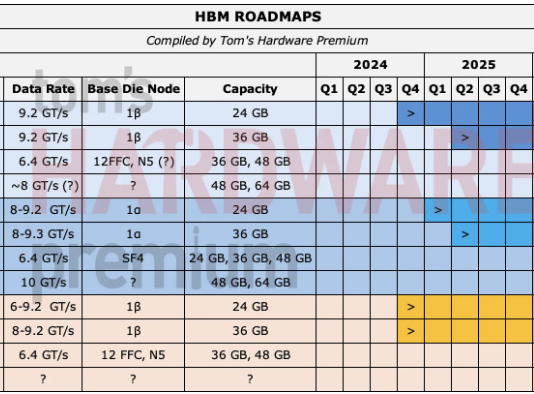
Nvidia’s Q2 FY2027 revenue tops $96 billion as the company commits to buy up to $160 billion worth of memory, increasing its total commitments to $279 billion ahead of a major demand bump.