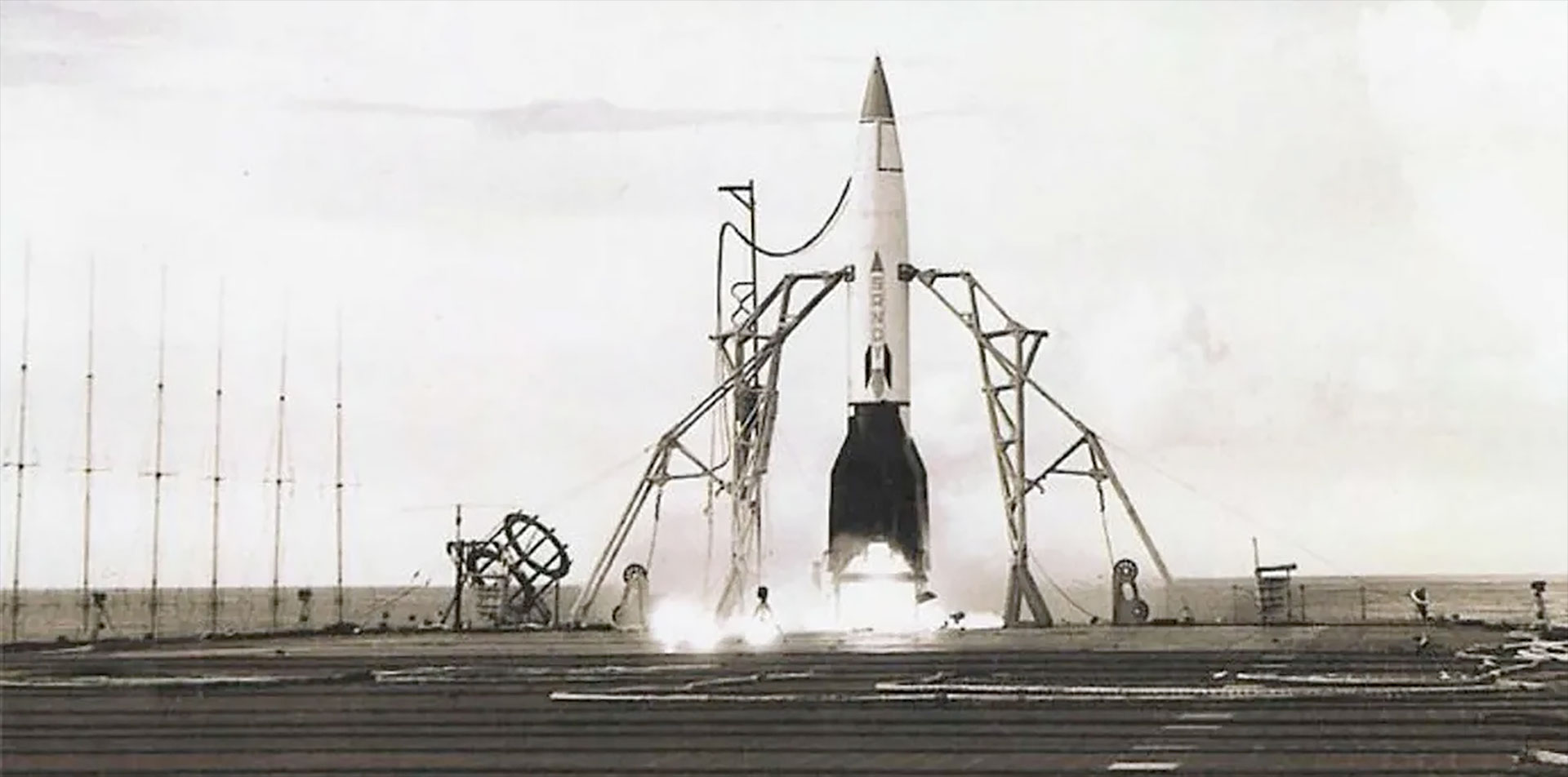
On Sept. 6, 1947, a V-2 rocket launched from an U.S. Navy aircraft carrier for the first time. Here’s why it mattered.
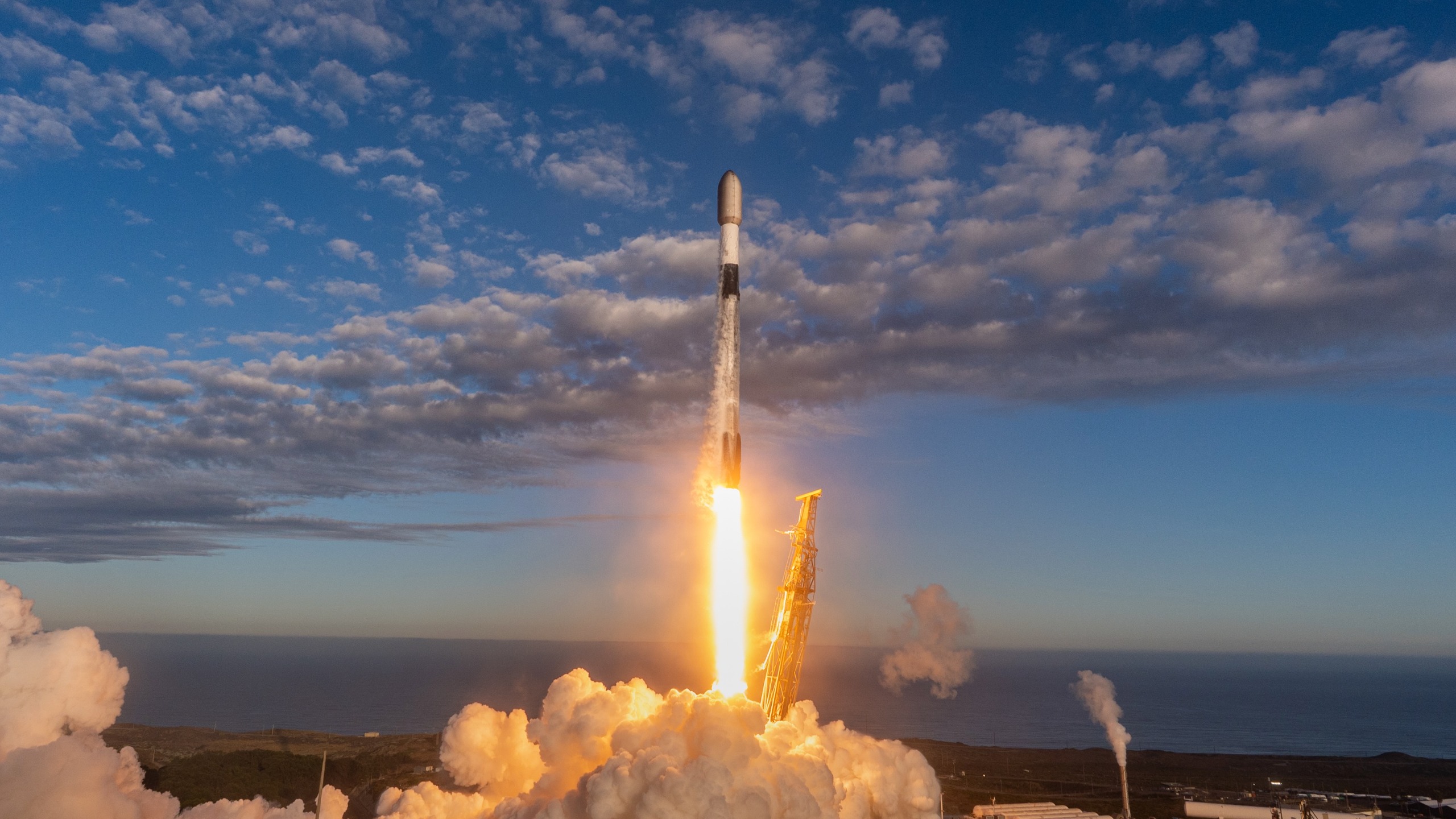
SpaceX launched yet another batch of its Starlink internet satellites today (Sept. 6), sending them up from California’s central coast.
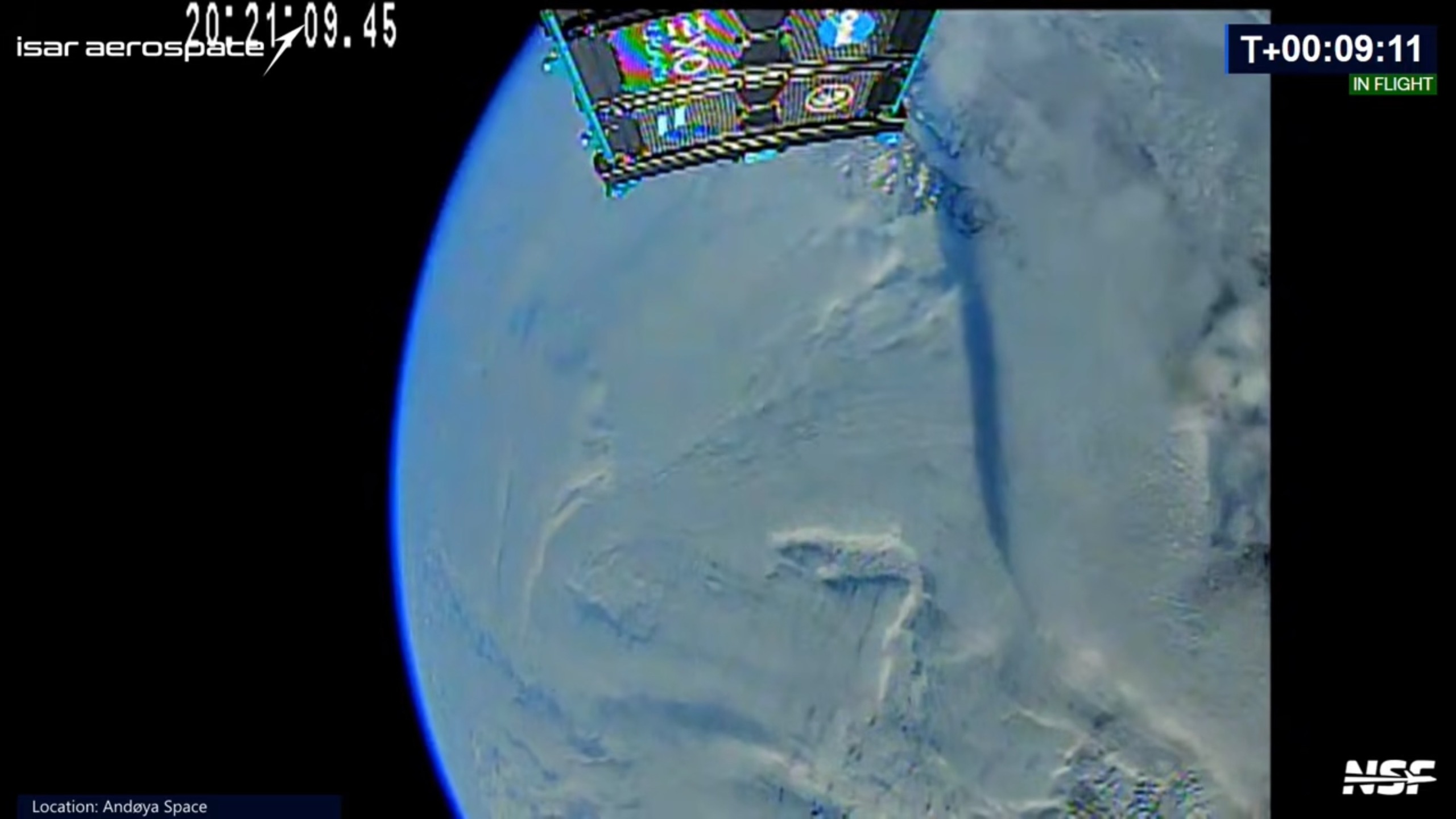
Isar Aerospace’s Spectrum rocket made history today (Sept. 5), becoming the first vehicle ever to reach orbit from European soil.
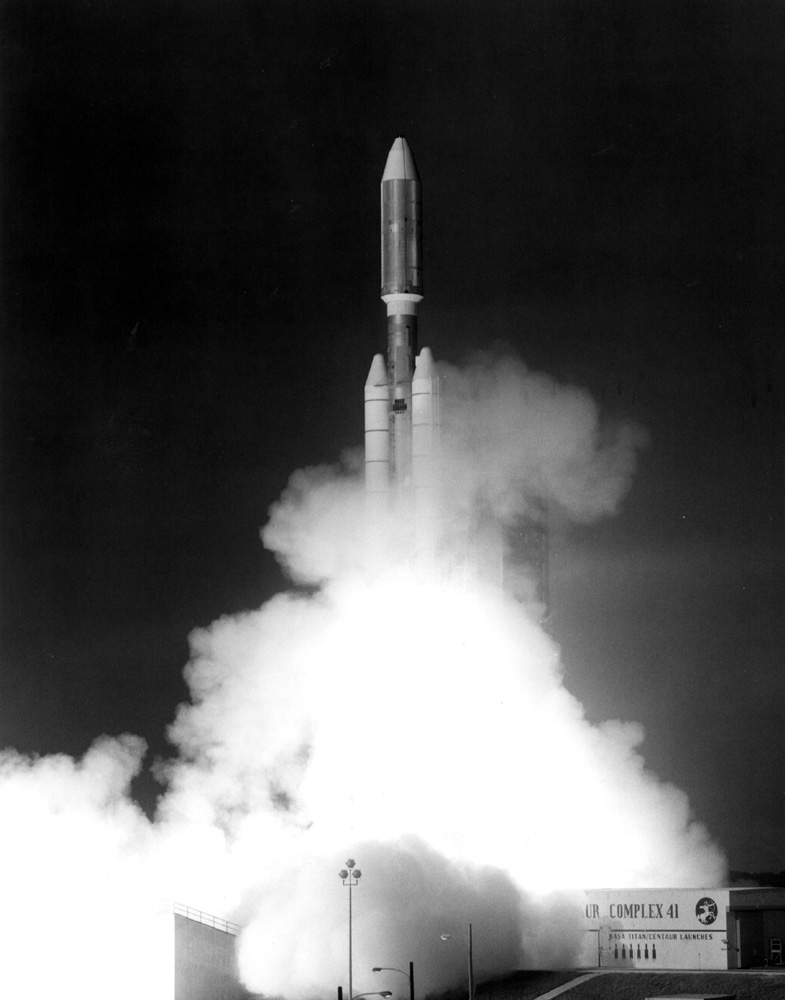
On Sept. 5, 1977, Voyager 1 began its epic journey through deep space with a glorious morning launch from Cape Canaveral, Florida. Here’s why it mattered.
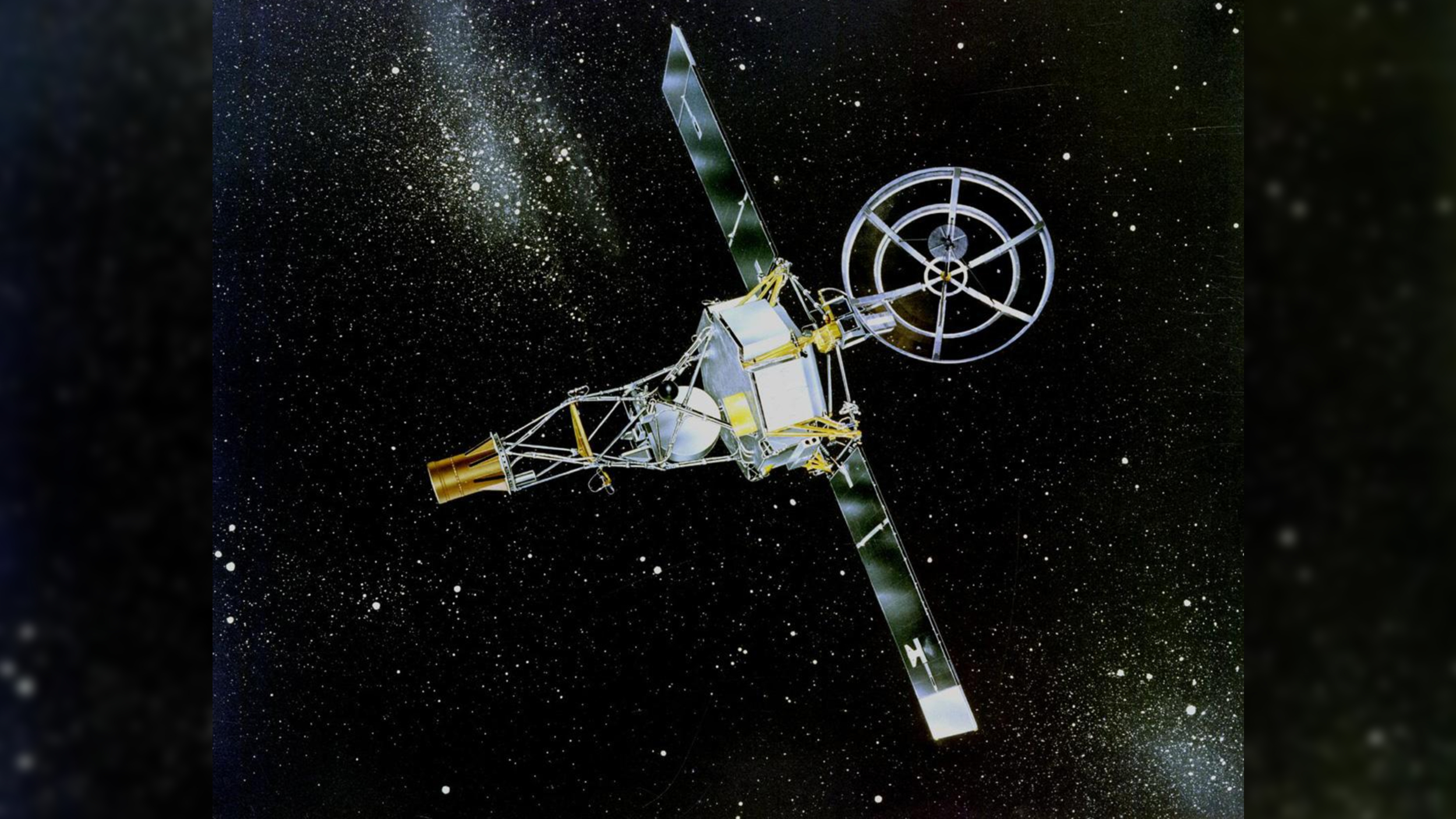
On Sept. 4, 1962, NASA’s Mariner 2 spacecraft performed the first-ever rocket maneuver in deep space as it did a quick mid-course correction on its way to Venus. Here’s why it mattered.
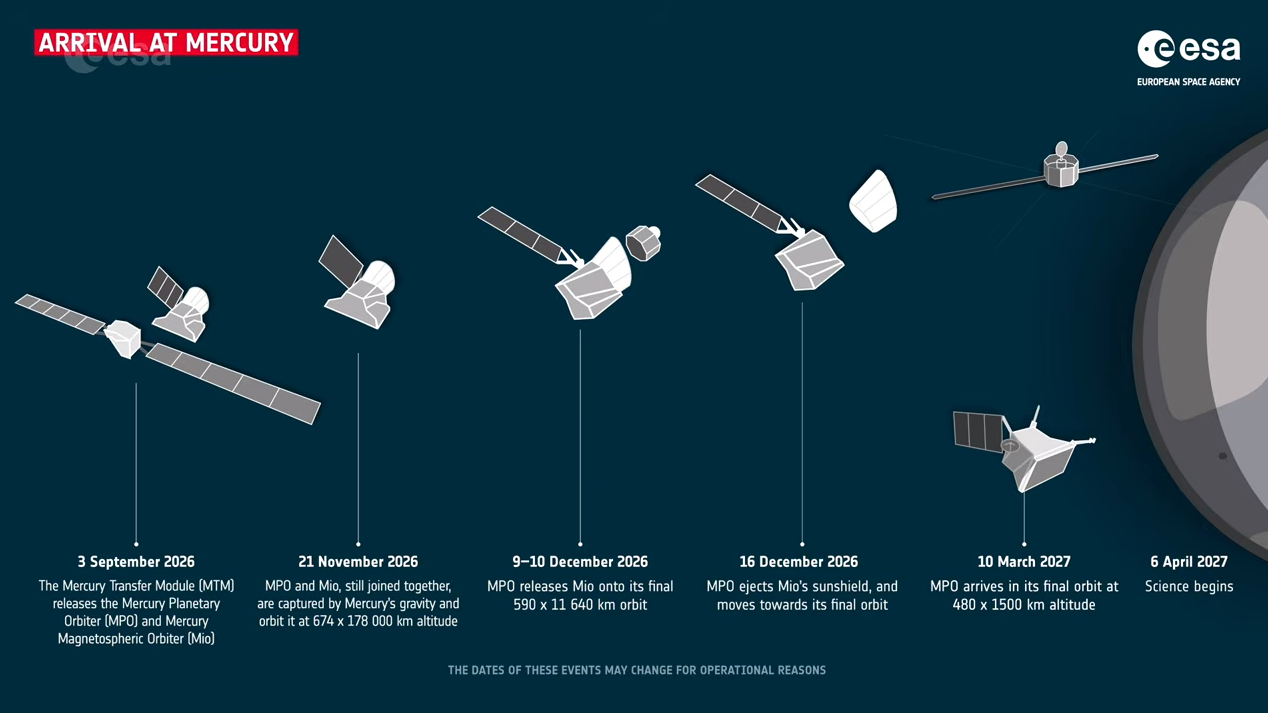
After nearly eight years traveling through the inner solar system, the trailblazing BepiColombo spacecraft has finally begun its arrival at Mercury.
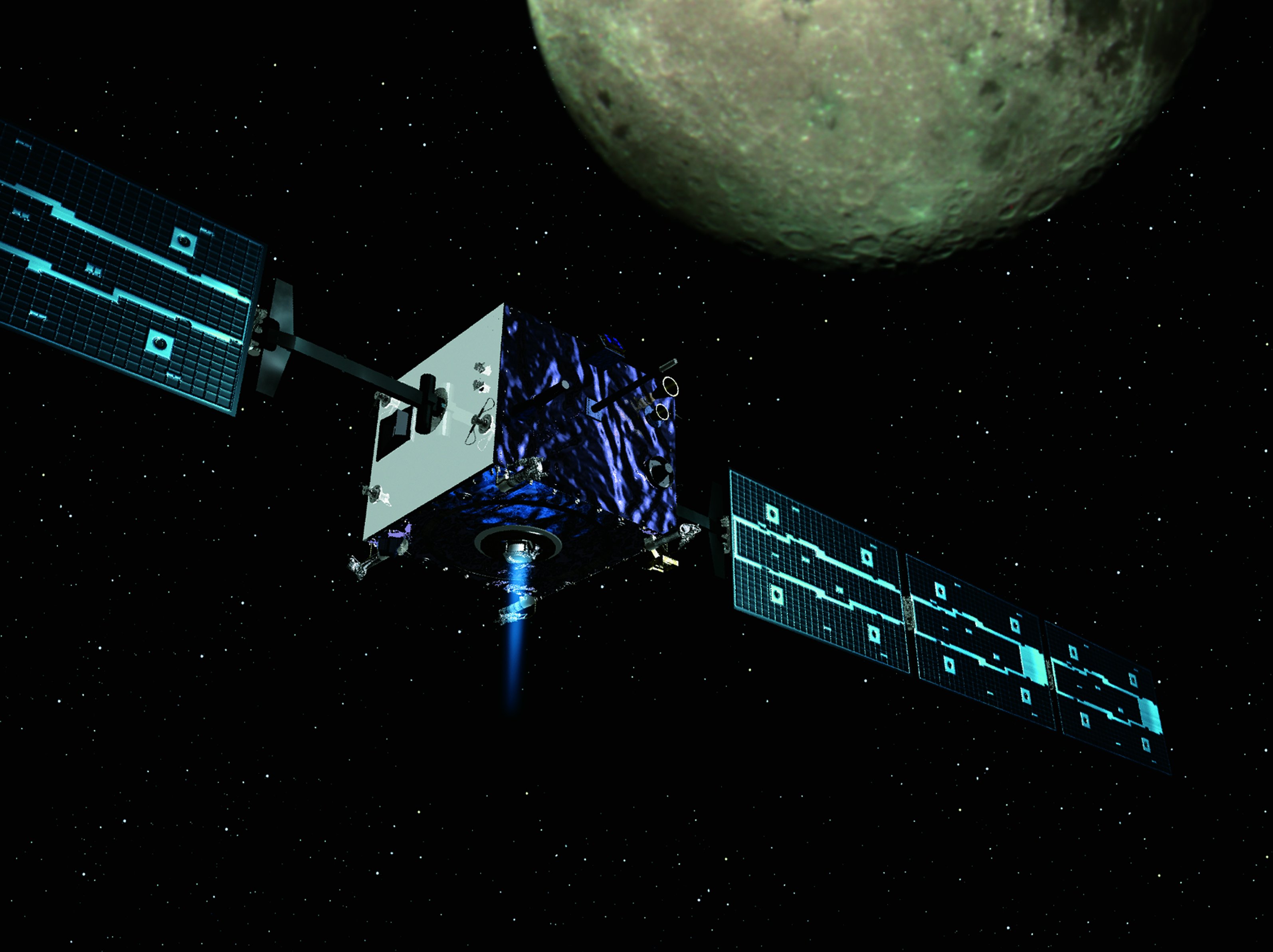
On Sept. 3, 2006, a European satellite named SMART-1 crashed into the moon! Here’s why it mattered.
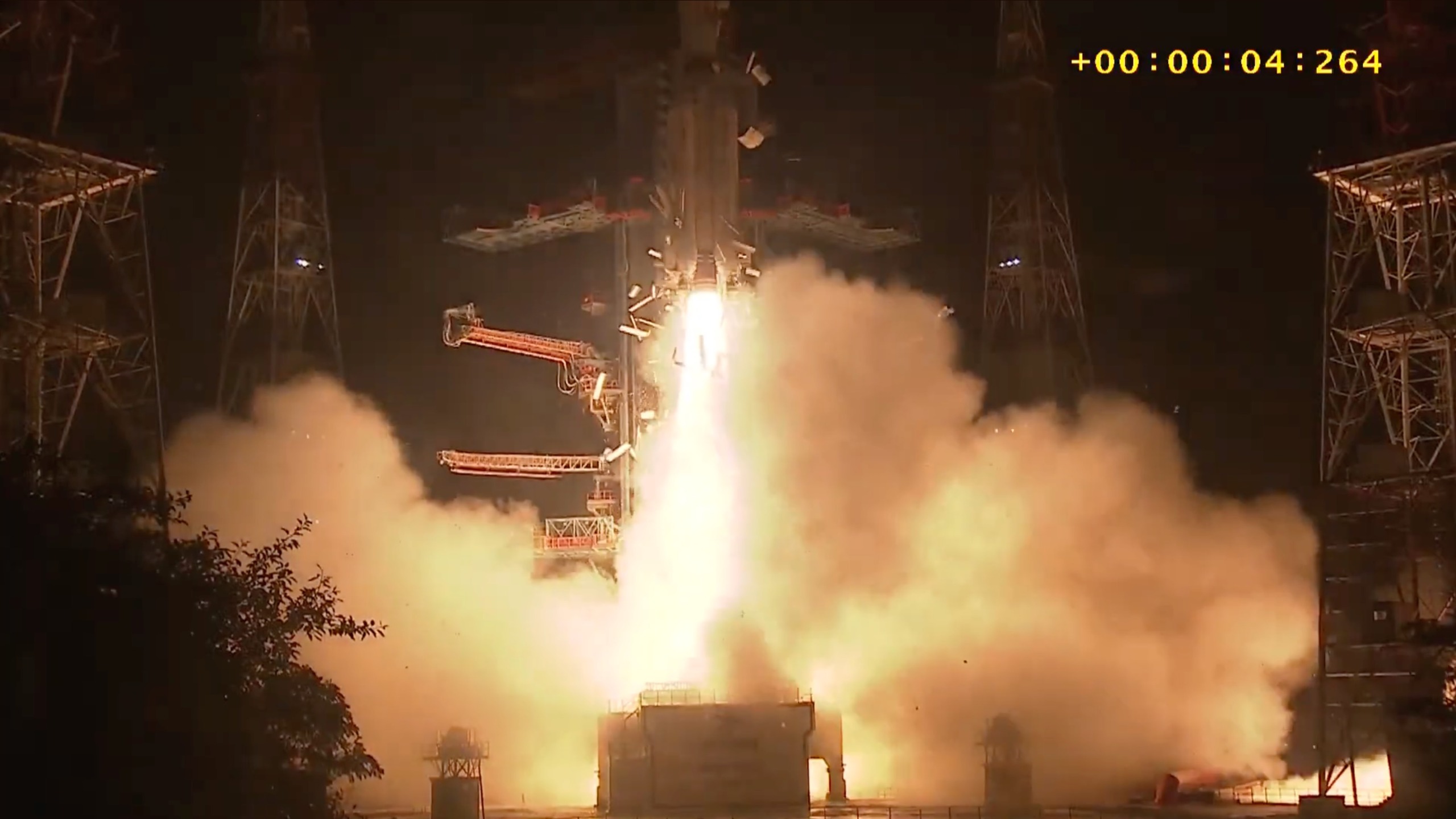
India launched an Earth-imaging satellite toward geosynchronous orbit today (Sept. 3) —something it had not previously done successfully.
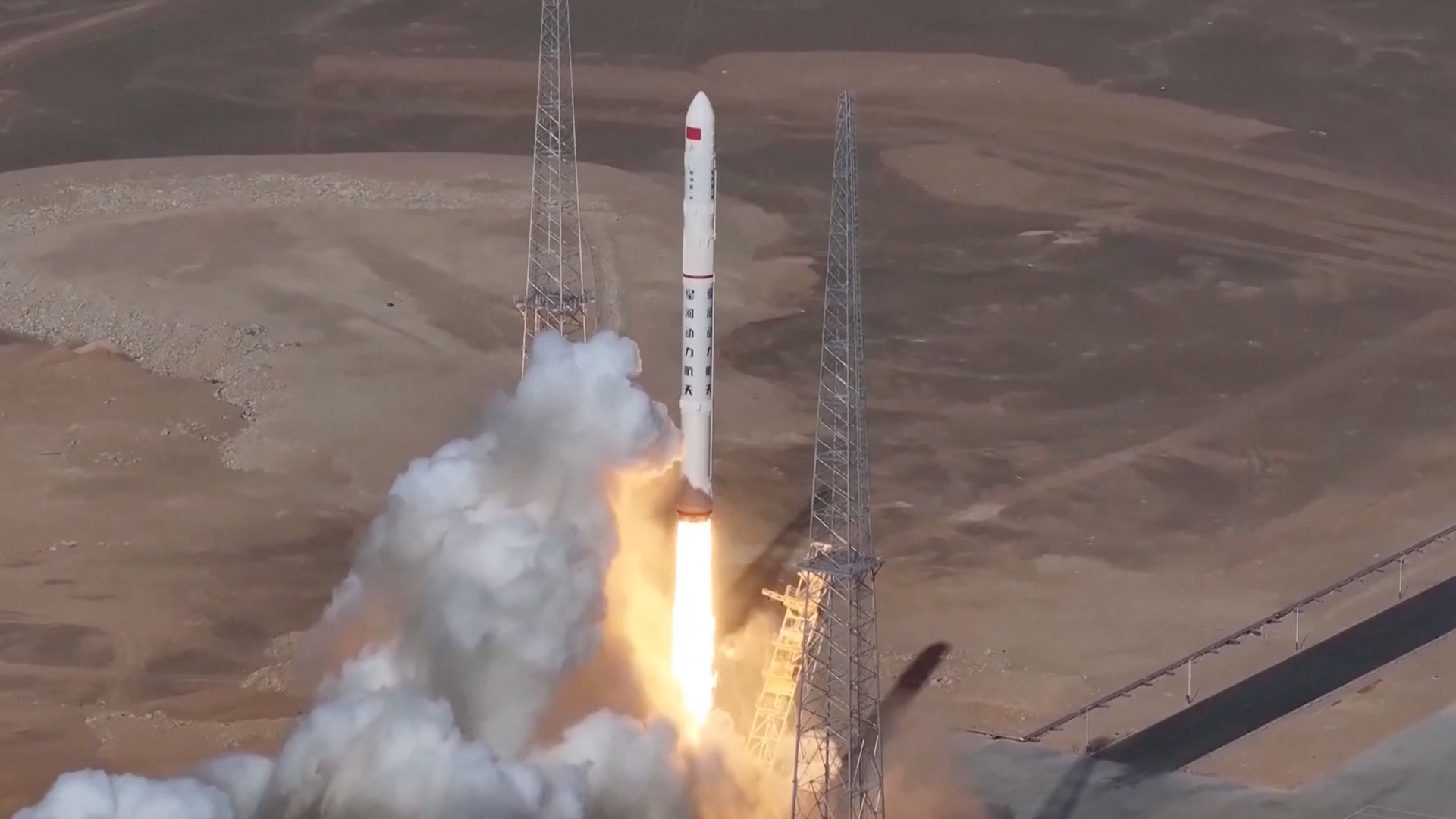
Galactic Energy’s new Pallas-1 rocket aced its debut launch on Monday (Aug. 31), successfully reaching orbit. The vehicle’s first stage did not attempt a landing, however.
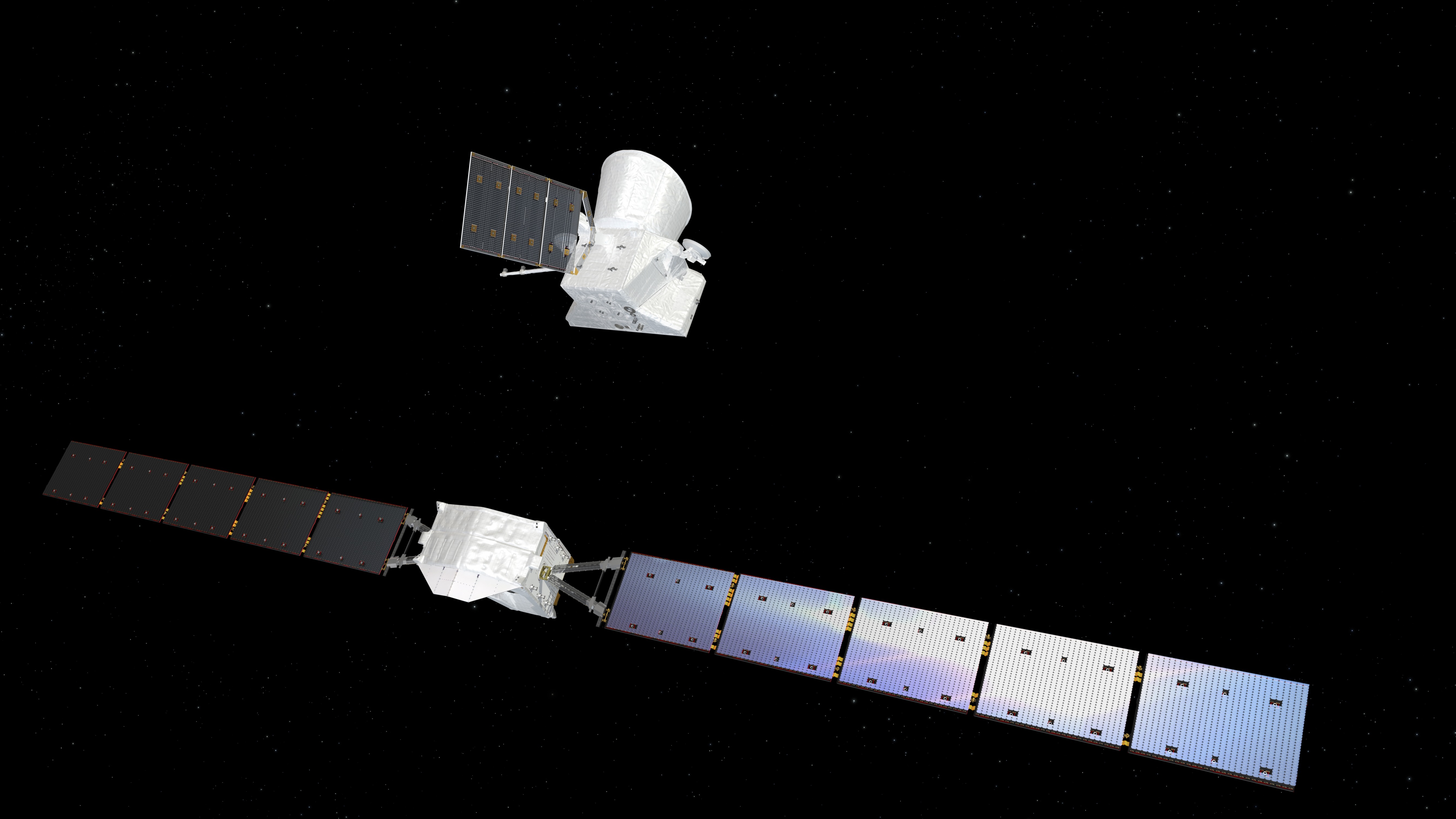
The European-Japanese BepiColombo mission will begin its drawn-out Mercury arrival phase on Sept. 3, and you can watch the action live.