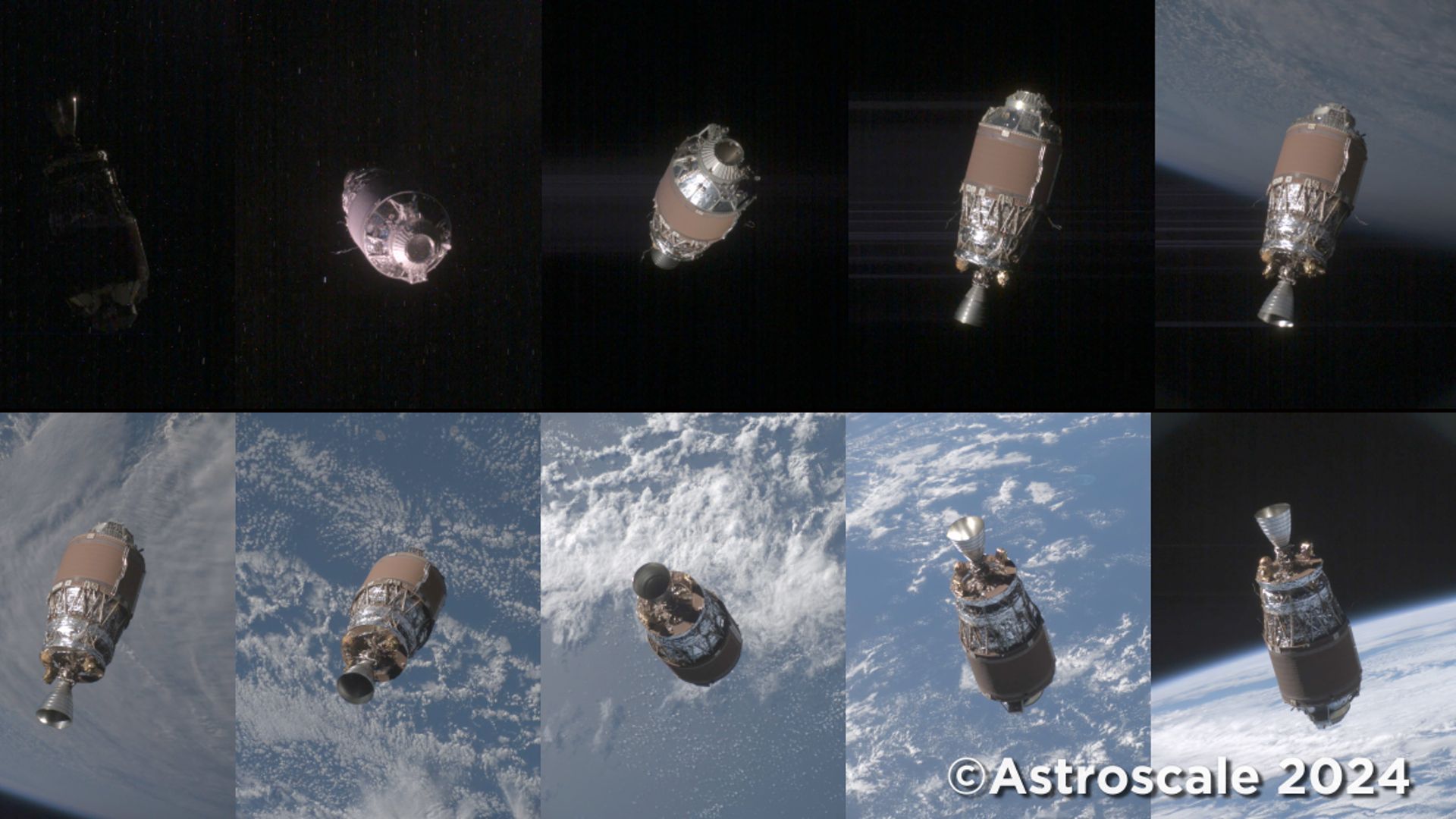
The space around Earth is turning into a junkyard. Researchers think a refundable deposit scheme could force satellite operators to clean up their act before a tipping point is reached.
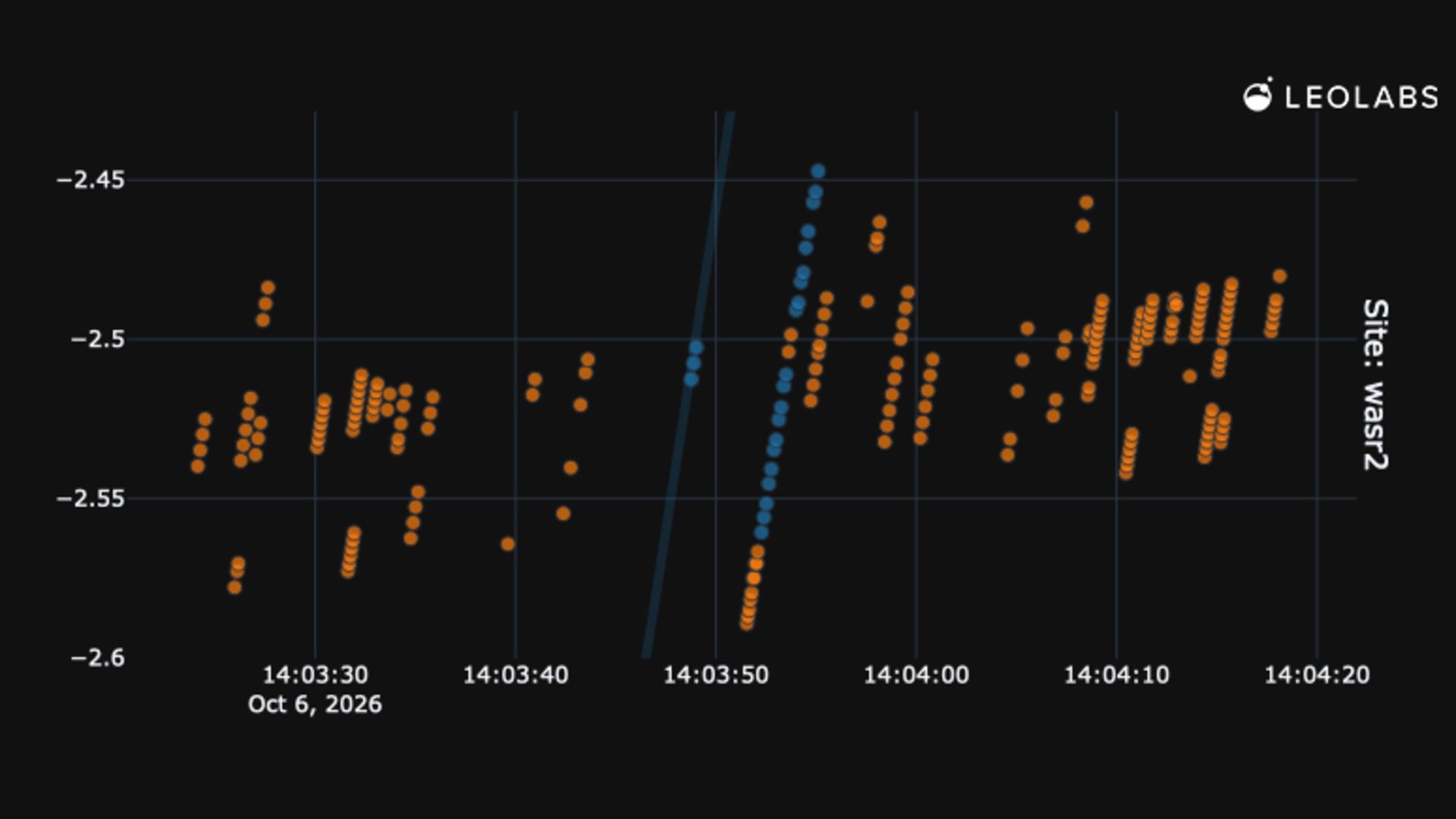
An old Soviet satellite has fragmented into multiple pieces in low Earth orbit, the latest in a string of recent breakup events.
Satlyt wants to be the Android of orbital computing, offering open software that works on many companies’ satellites, versus SpaceX’s closed, all-in-one iPhone-style approach.
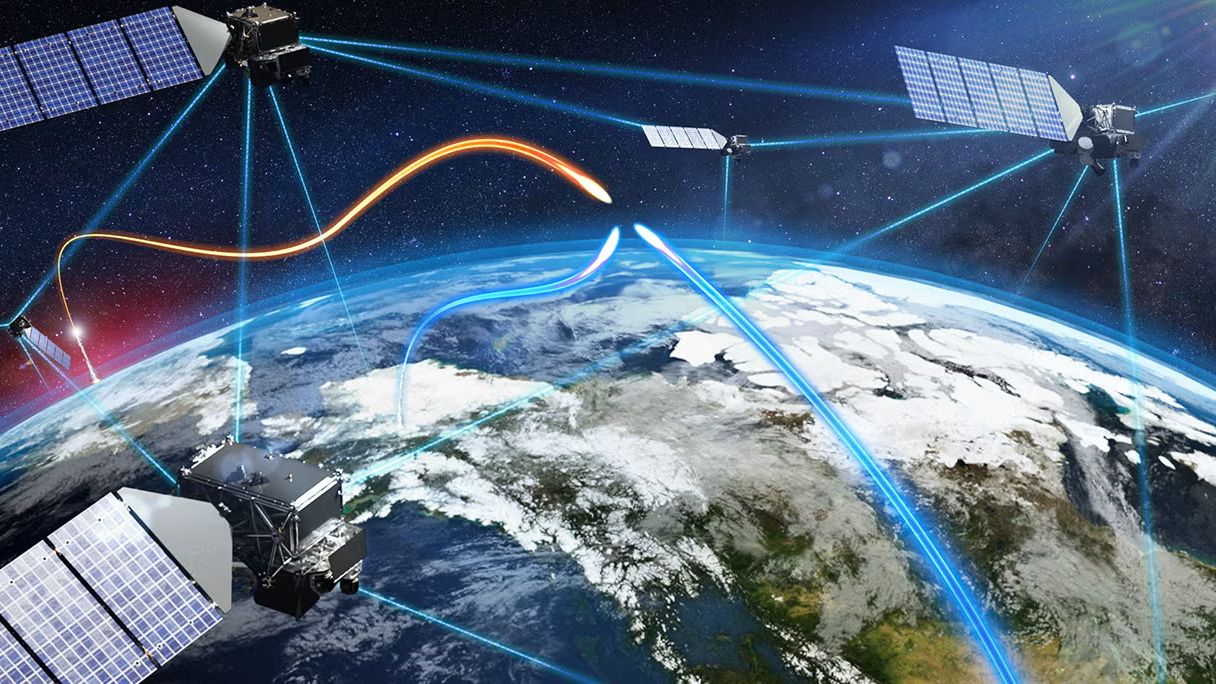
The U.S. Space Force is opening up about its operation of orbital weapons, “that can defend the joint force against space-enabled attacks.”
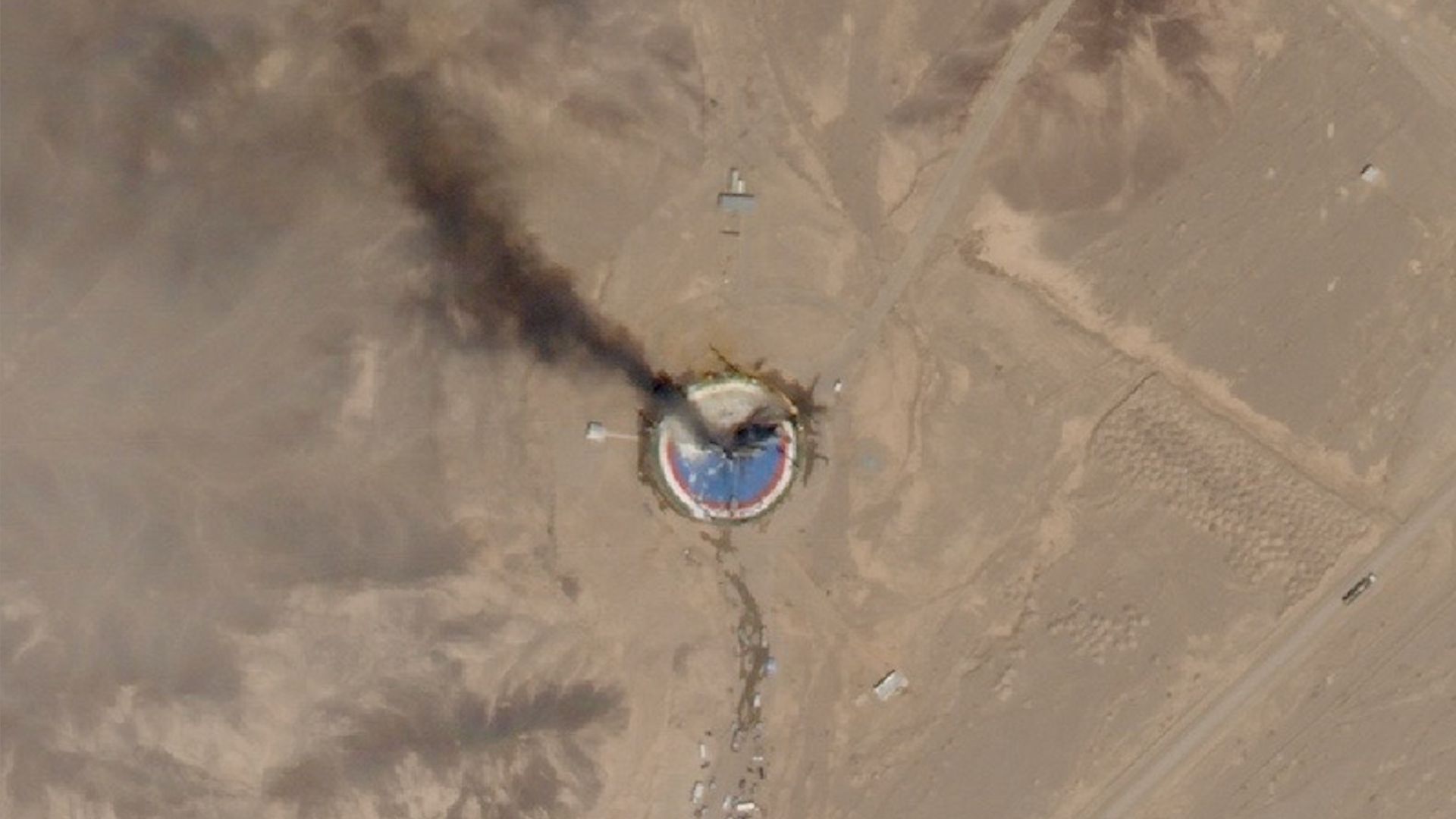
A satellite’s view from above fills the gaps in our understanding of the grim realities of war and makes it harder for totalitarian regimes to hide their crimes. But challenges exist.

Two spacecraft operated by the company Impulse Space pulled off an impressive orbital feat recently, coming within less than 650 feet of each other.

United States Space Command just held its first-ever “Apollo Maneuvers” exercise, which saw spacecraft maneuvering in orbit through simulated contested environments.
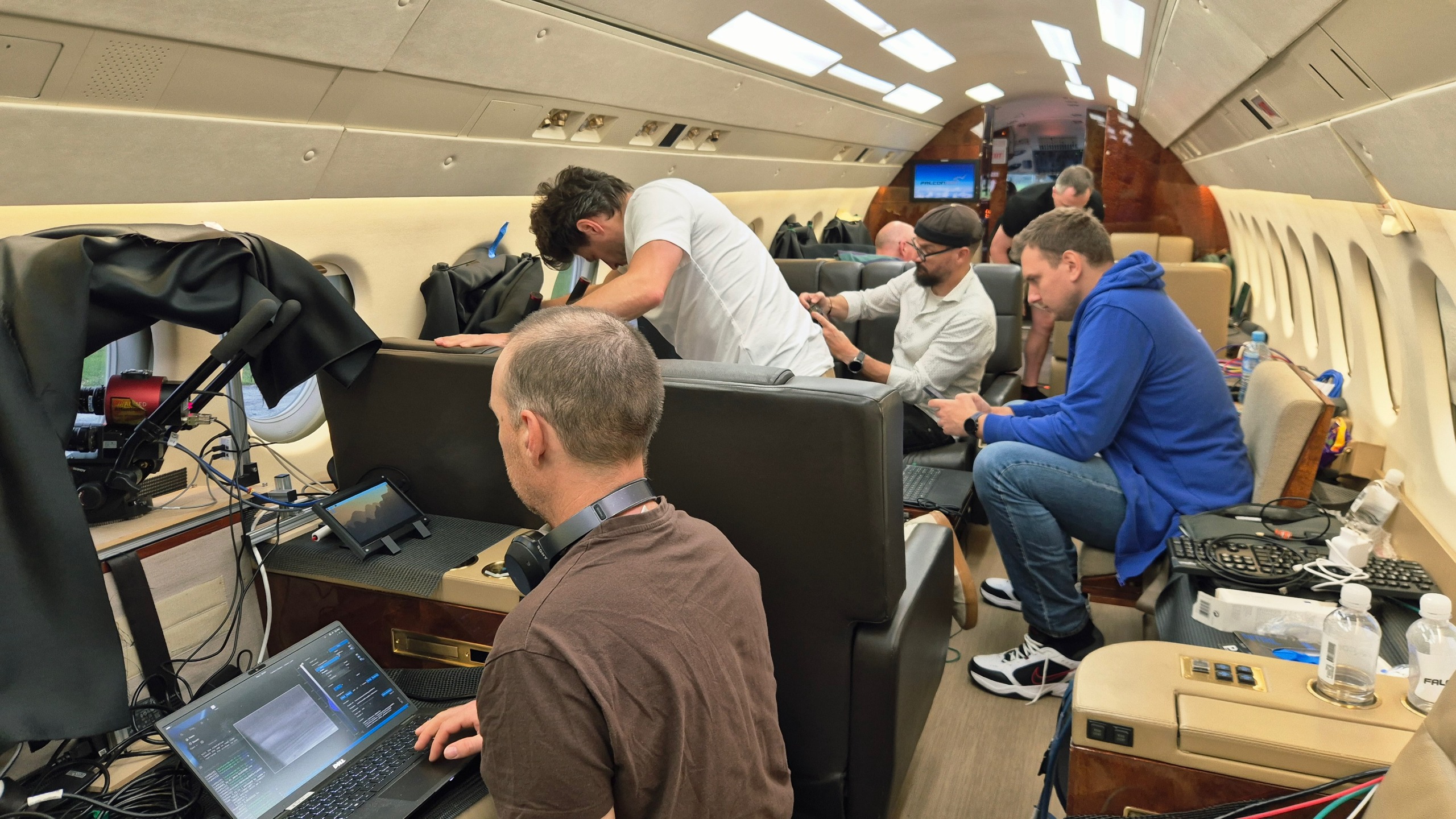
A team of researchers just chased a pair of reentering satellites in a private jet to learn about the pollution caused by space debris burning up in Earth’s atmosphere.

Was an usual flash detected off the coast of South Africa by an American satellite caused by a secretive atmospheric nuclear test?
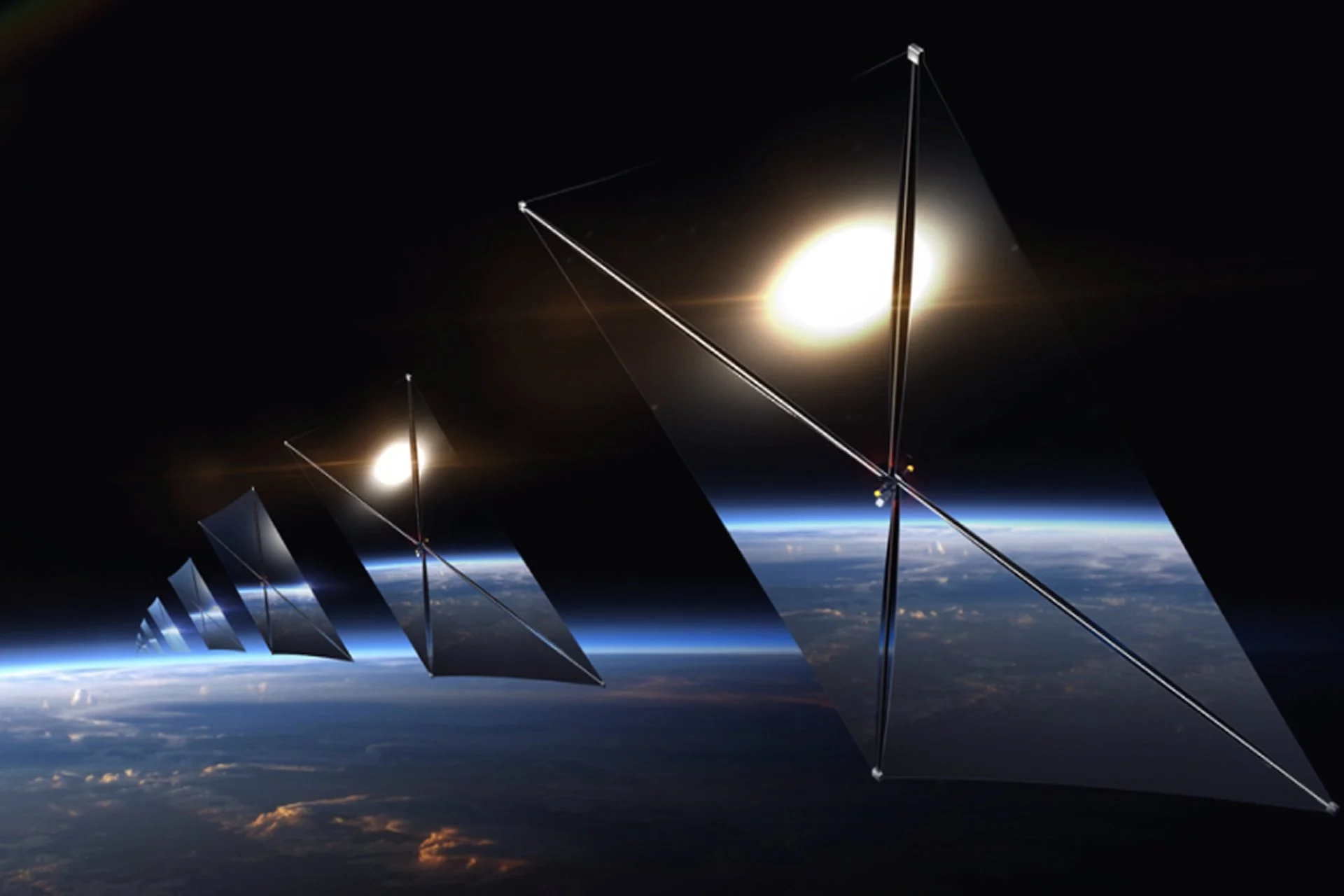
Sun-reflecting space mirrors proposed by U.S. startup Reflect Orbital will have an even more devastating effect on the night sky around the world than previously thought, a study has found.