Florida-based Lonestar Data Holdings has contracted Polish startup Ares Shield to provide protection for its off-Earth data centers, in a deal worth up to $6 million.
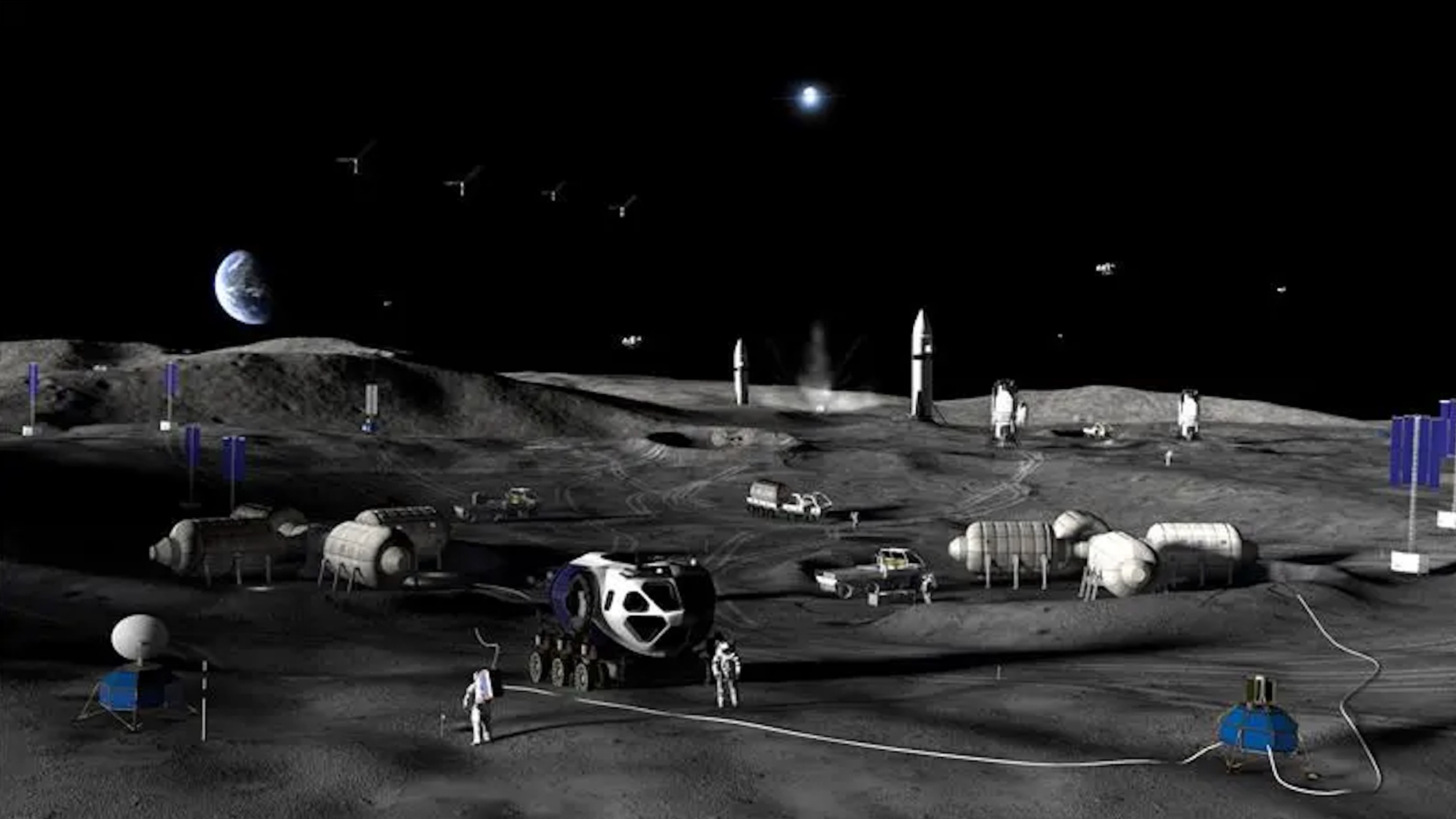
No GPS? No problem. A team of NASA satellites are extending their stay in space after successfully proving out navigation by other means.
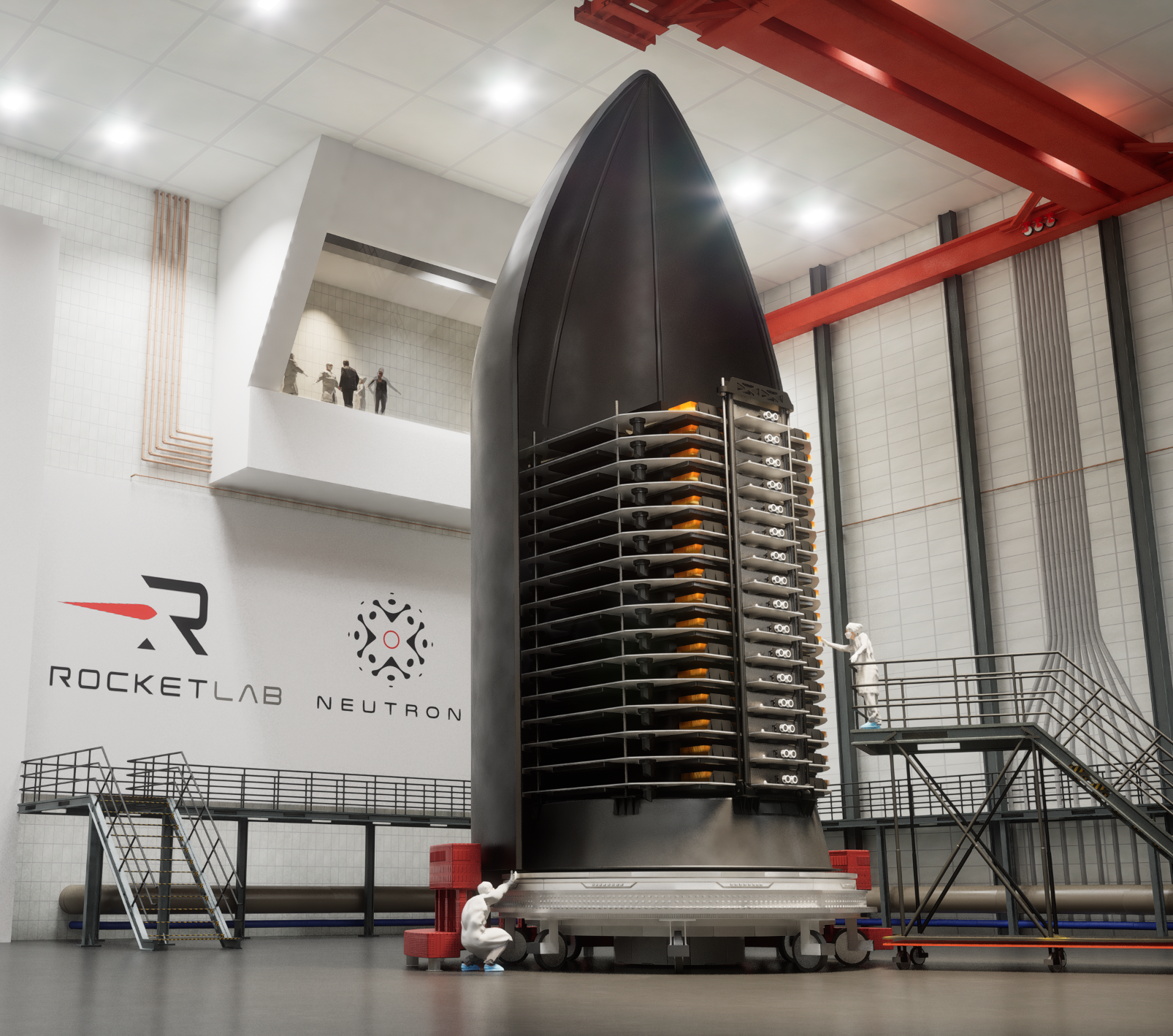
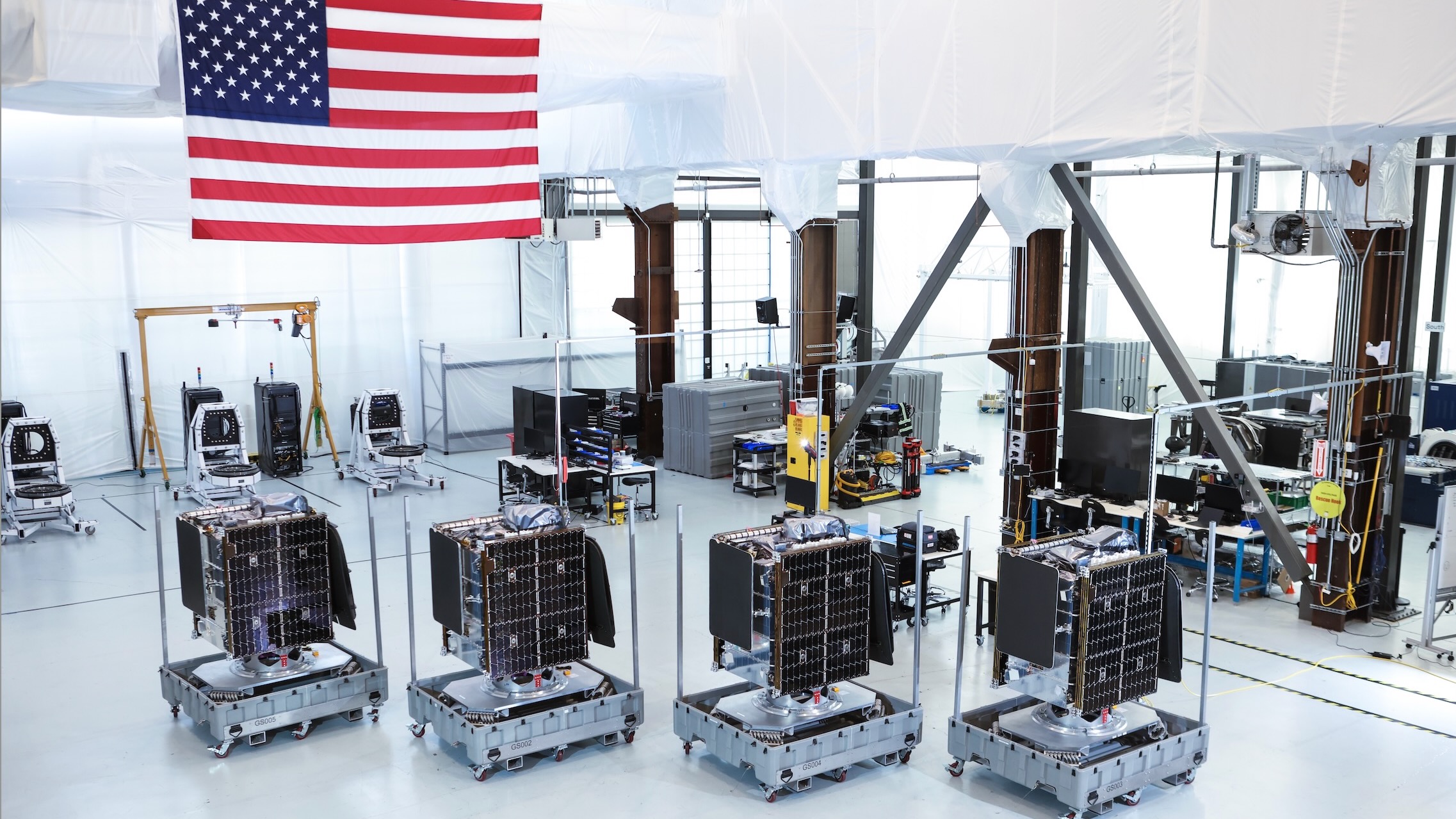
The U.S. Space Force has awarded Rocket Lab $397 million to manufacture a new fleet of “Flatellites” designed to detect and track airborne threats from space.
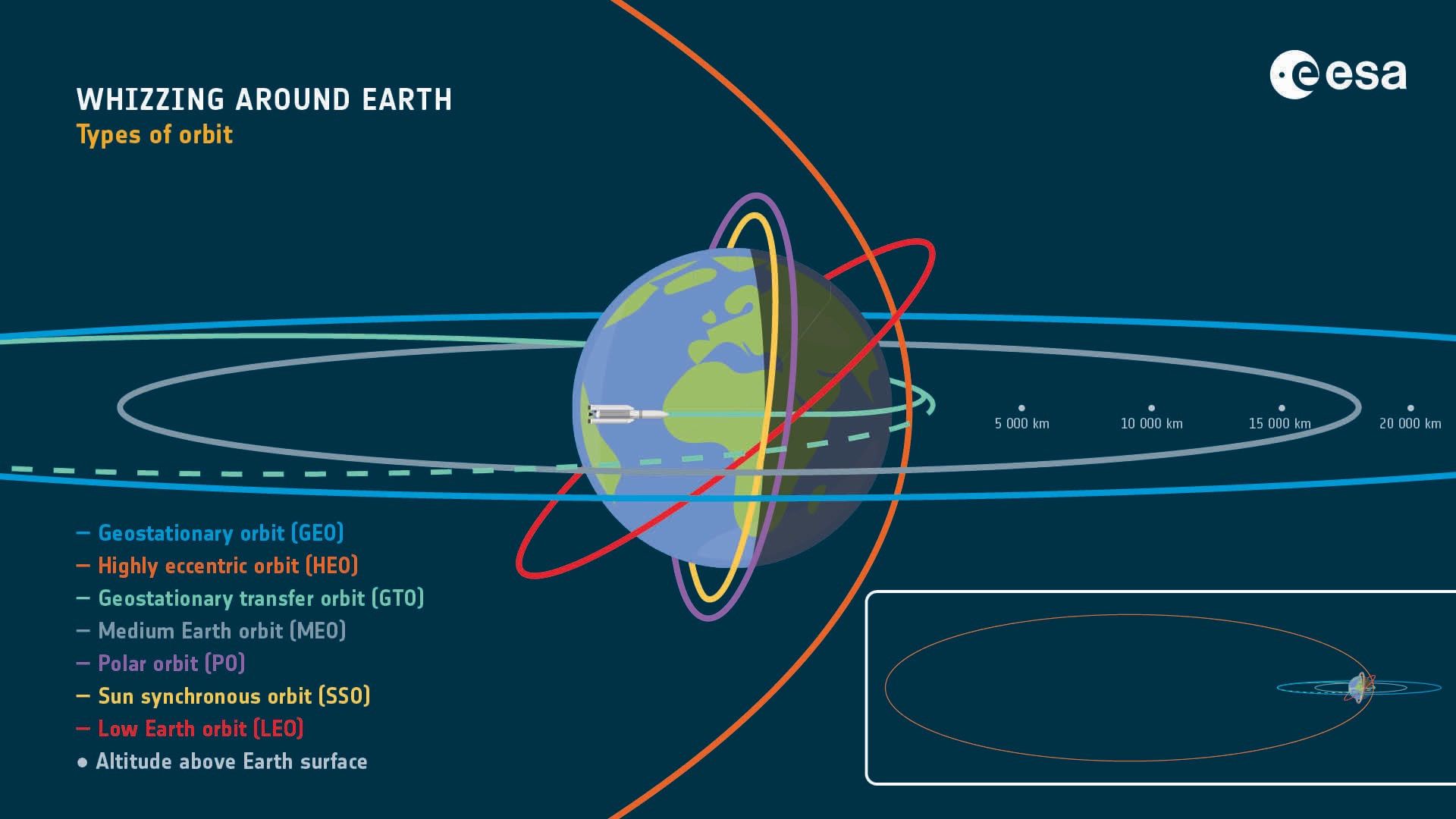
Astranis’ newly announced Perceptor spacecraft will monitor satellite activity in geostationary orbit, a distant and increasingly contested domain.
Air-breathing electric propulsion could help satellites explore a new frontier, one that lies quite close to our planet.
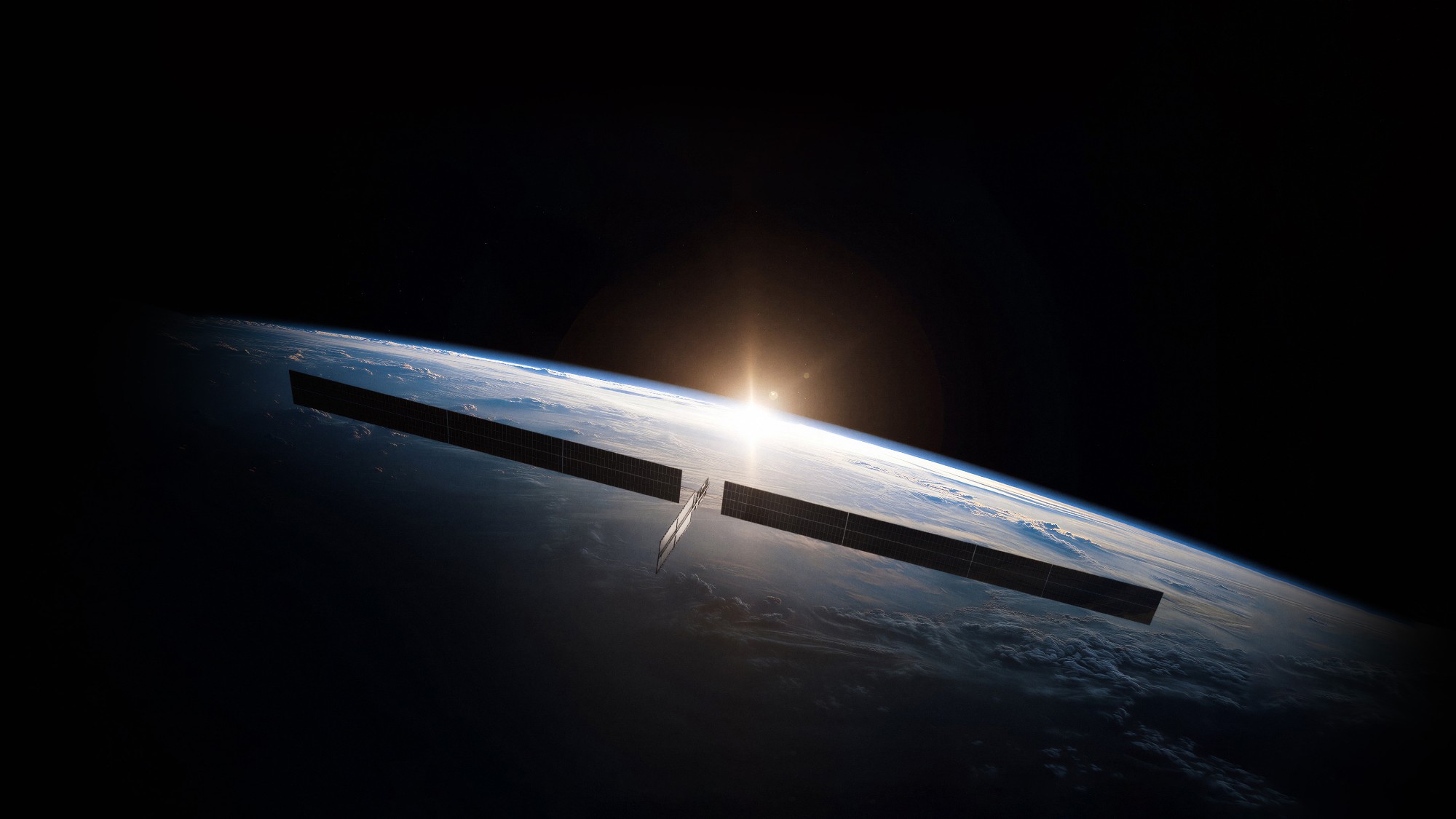
Satellite constellations are getting bigger and increasingly difficult for human operators to manage. Artificial intelligence will soon be able to help, but will the space industry let it happen?

The U.S. Federal Communications Commission (FCC) can single-handedly approve space projects that will change the night sky around the world. The international community can do very little against it.
The outgoing head of the U.S. Space Force had some stark words in his last public speech, stating that “none of us will be able to avoid the war zone” should conflict extend to space.
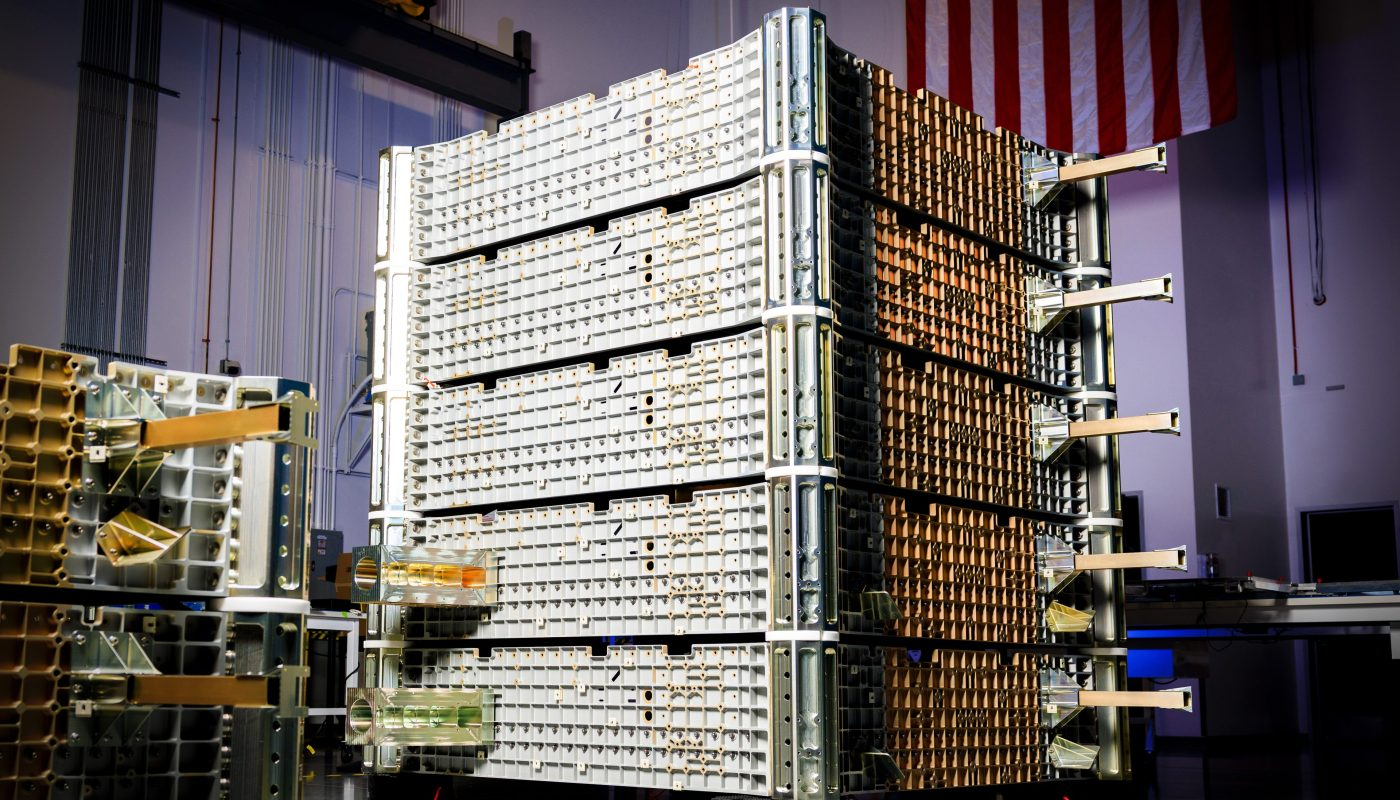
The Space Development Agency announced partnerships with two companies worth up to $1.75 billion total, to develop 36 satellites for the Trump administration’s Golden Dome missile-defense initiative.
A bright Saturn’s ring of satellites will encircle Earth if plans to launch a million orbiting data centers and tens of thousands of space mirrors will come to pass.