
Experts are analyzing decades of images from Landsat satellites for clues about how the iconic birds have responded to sea ice disruptions in the past.

A large iceberg, observed in summer 2026, had drifted more than 1,000 kilometers south from the northeastern Greenland bay where it likely originated.

Western Iceland and northern Spain are among the few Northern Hemisphere locations experiencing a total solar eclipse on August 12, 2026.
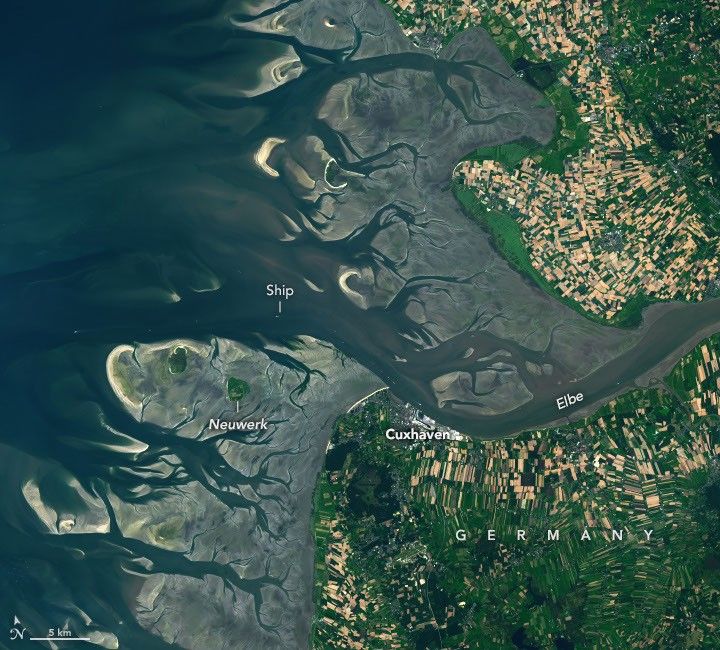
The ocean’s ebbs and flows reveal dynamic tidal flats and a well-traveled shipping route along the coast of Germany.

The expanse of glacial ice on Canada’s Baffin Island lost its snow cover quickly and early in summer 2026, revealing a network of melt features.

Stewart Island/Rakiura, New Zealand’s third-largest island, is known for its vibrant birdlife, unique forests, wilderness beaches, and views of the night sky.

Differences in the underlying bedrock and how rivers distribute sediment make the coastlines west of Portland look unlike those northeast of the city.

Sediment eroded from ice-capped mountains splays out across a broad river valley on Russia’s Severny Island.

Apollo astronauts previewed their roles as lunar field geologists in Alaska’s Valley of Ten Thousand Smokes.
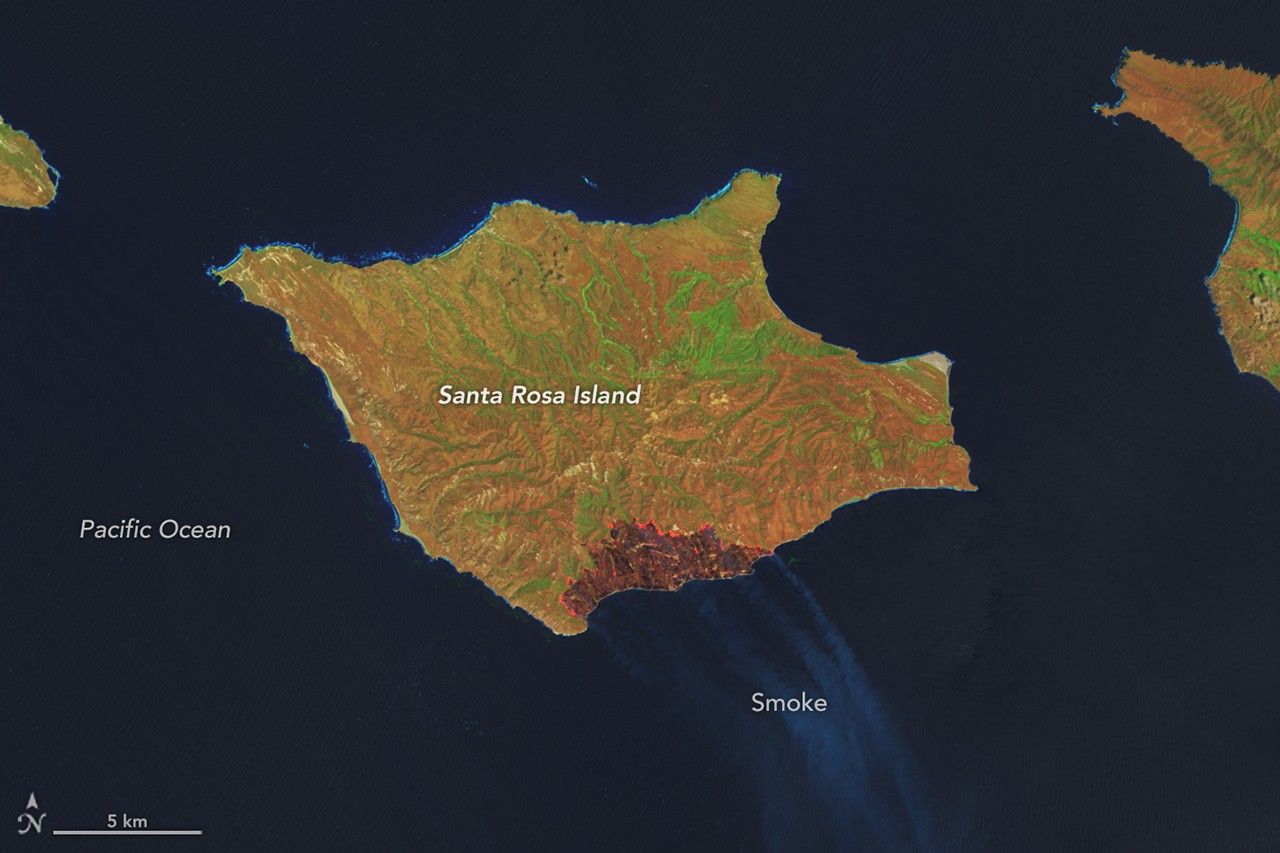
A wildland fire charred grassland, coastal sage scrub, and chaparral across one-third of the island, the second largest of the Channel Islands.