
New Hubble data shows definitive evidence of a dwarf galaxy merging with the young Milky Way in the earliest phases of its evolution.
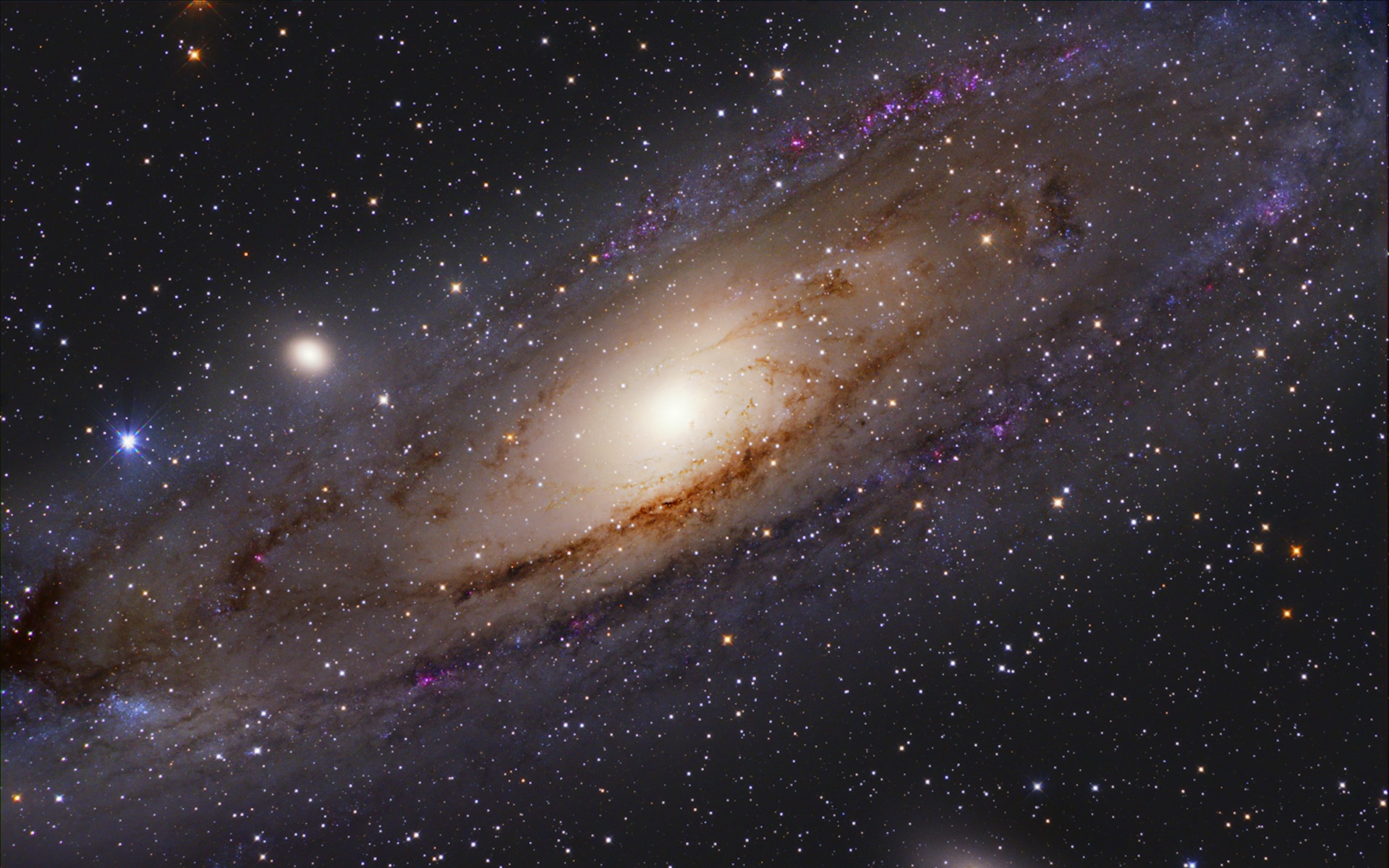
Andromeda has slowed its star-forming rate over the last 40 million years. Scientists think they finally know why.
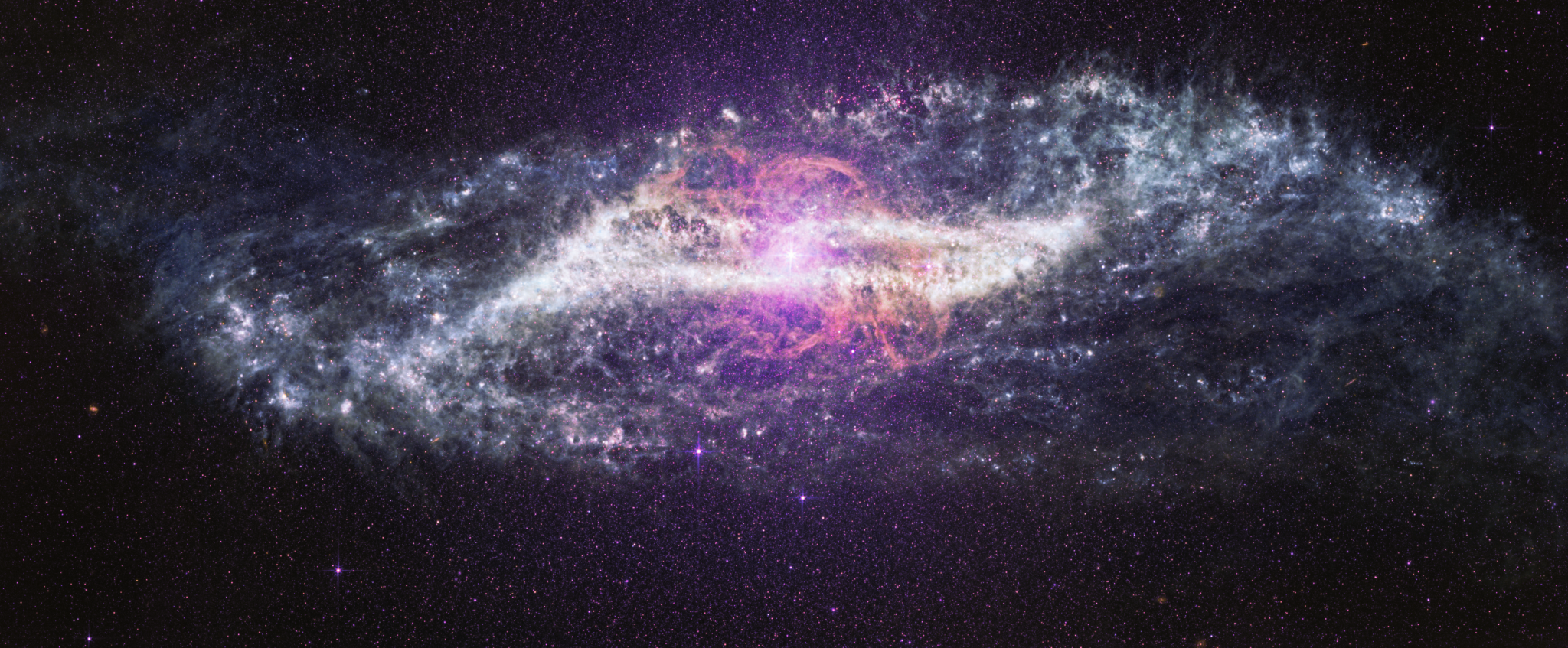
In this July 6, 2026, image, NASA’s James Webb Space Telescope’s Mid-Infrared Instrument (MIRI) reveals the nearby galaxy Centaurus A, exposing the dusty structures and hidden activity that shape this unusual system. Centaurus A is 11 million light-years away from Earth, relatively close in cosmic terms. Yet, unlike most nearby galaxies, it is very active, […]

Since their discovery by NASA’s James Webb Space Telescope in 2022, little red dots (LRDs) have been the subject of great interest to astronomers. Understanding the nature of these extremely distant, compact red sources has been a puzzling scientific endeavor. One popular theory is that little red dots are supermassive black holes known as active […]
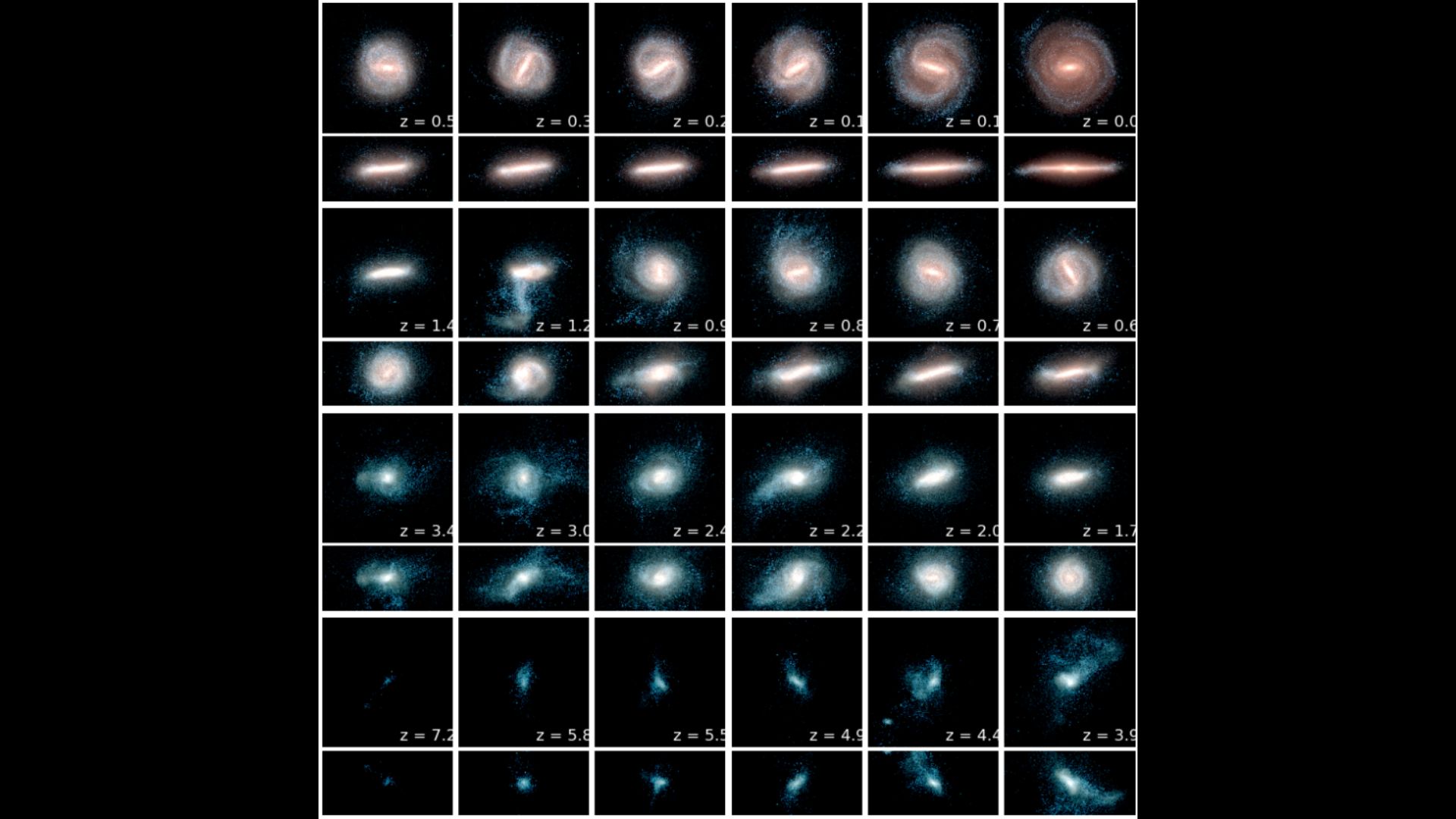
A slowly rotating stellar halo was the clue to a major and unknown event in the Milky Way’s history that saw the spiral disc flip over by more than 90 degrees.

NASA’s Hubble finds that star formation in the Andromeda galaxy has undergone a 500-million-year decline.

This Hubble image features spiral galaxy NGC 4654, located 72 million light-years away in the constellation Virgo (the Maiden).
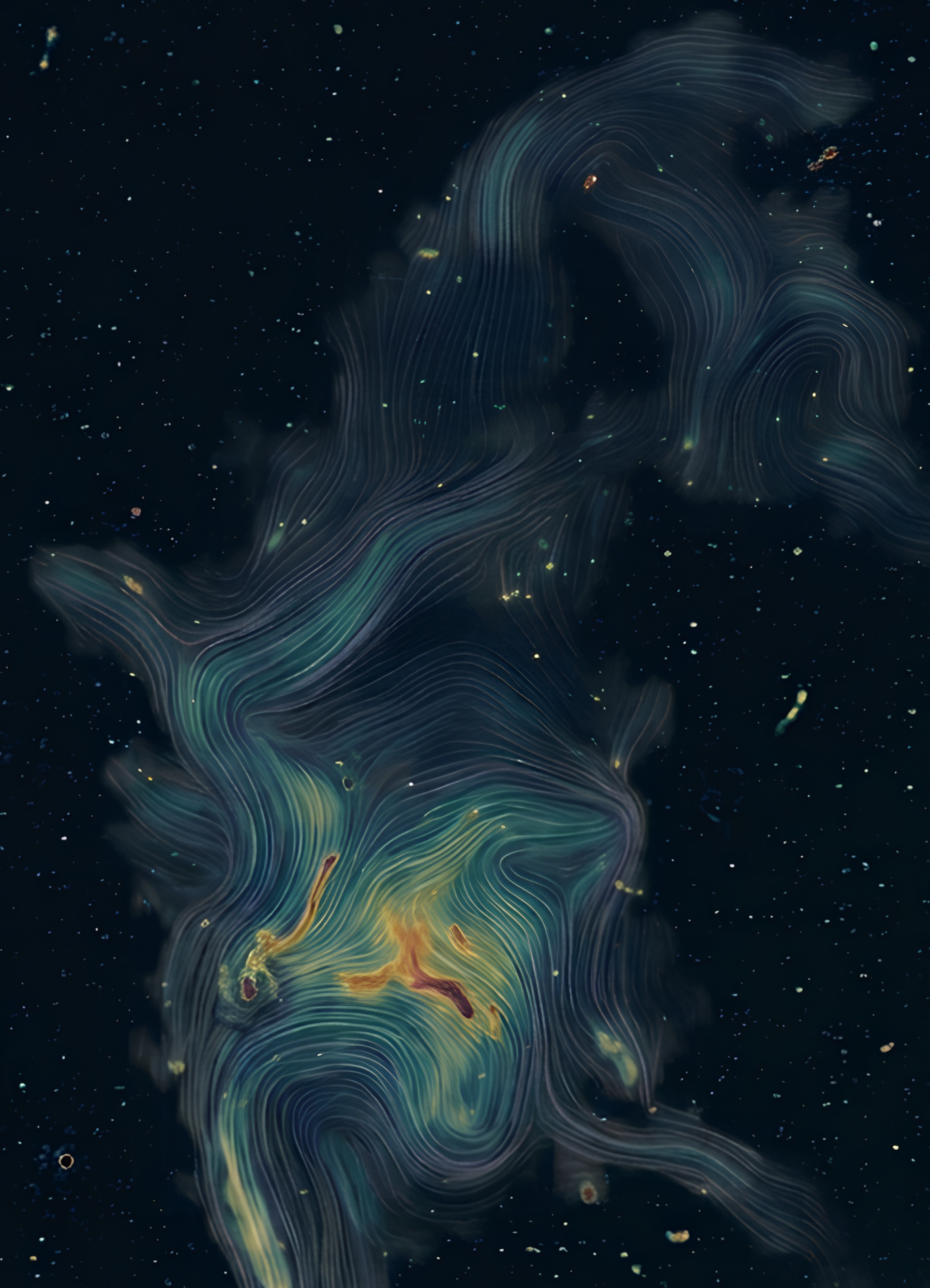
“We believe that the mechanism that ‘turns on’ these gigantic radio emissions is linked to the formation process of galaxy clusters.”

In new images from NASA’s James Webb Space Telescope to celebrate its fourth science anniversary, a familiar galaxy transforms into something far richer, and far more complex, than ever seen before. Webb’s unprecedented sensitivity across near- and mid-infrared wavelengths cuts through the thick lanes of dust that obscure Centaurus A’s center in visible light, showing […]
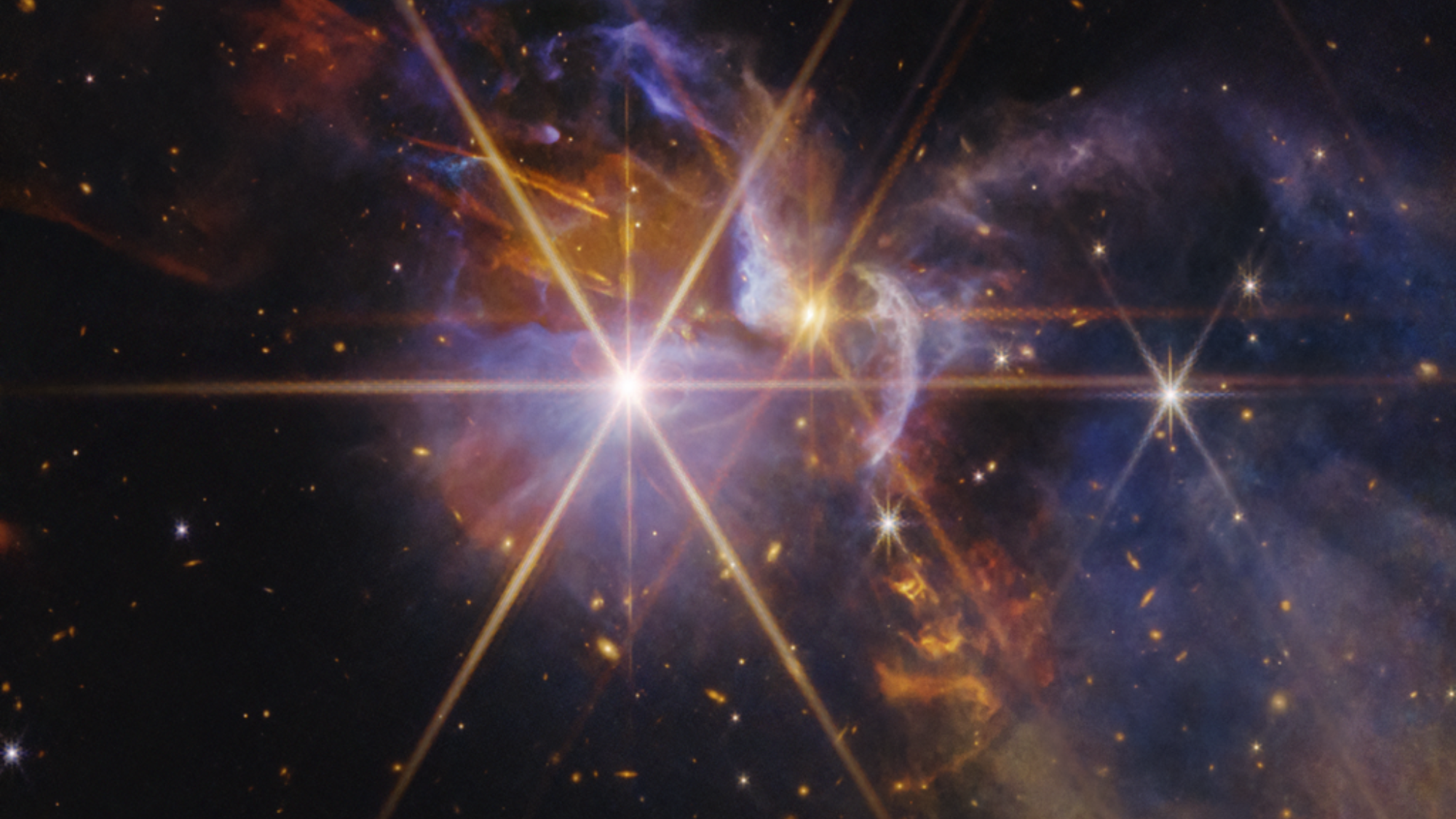
Infant stars celebrate their independence with cosmic fireworks in a stunning new image from the James Webb Space Telescope.