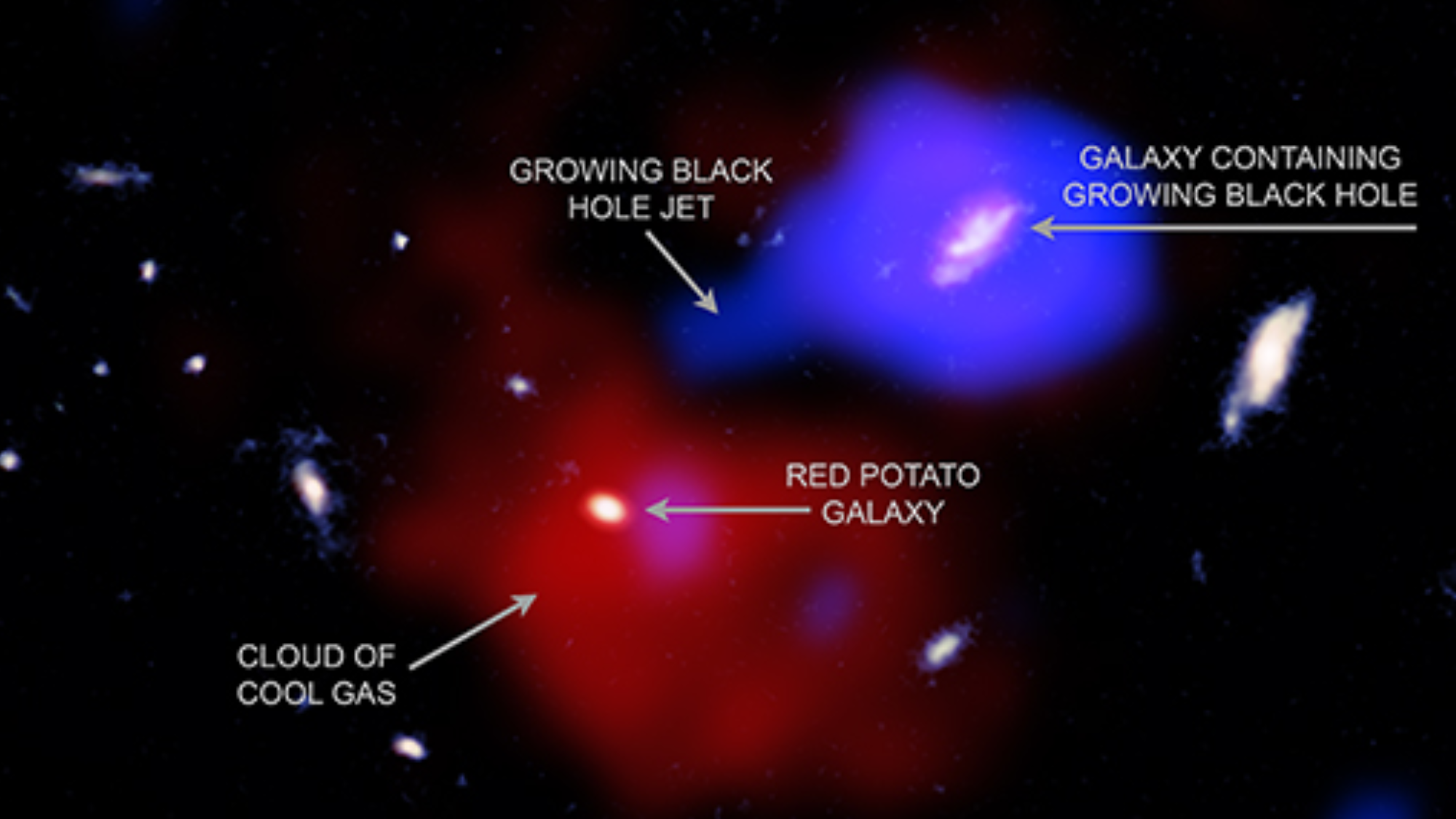
Using the Chandra X-ray spacecraft, astronomers have seen a jet from a feeding supermassive black hole churning gas surrounding a galaxy nicknamed the “red potato.”
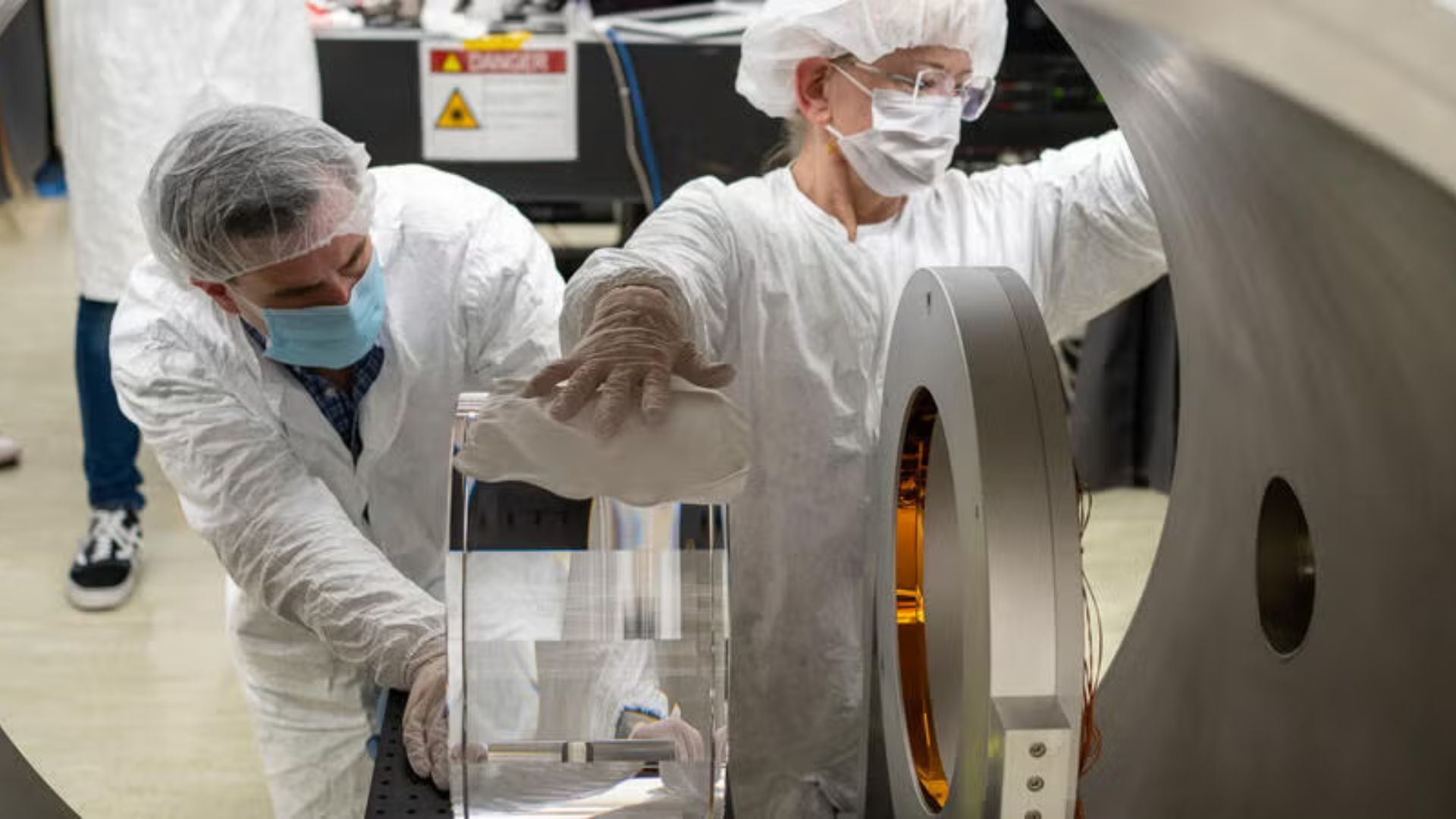
“It doesn’t require any new technology development, which is almost unheard of for solving a LIGO instrumentation problem.”
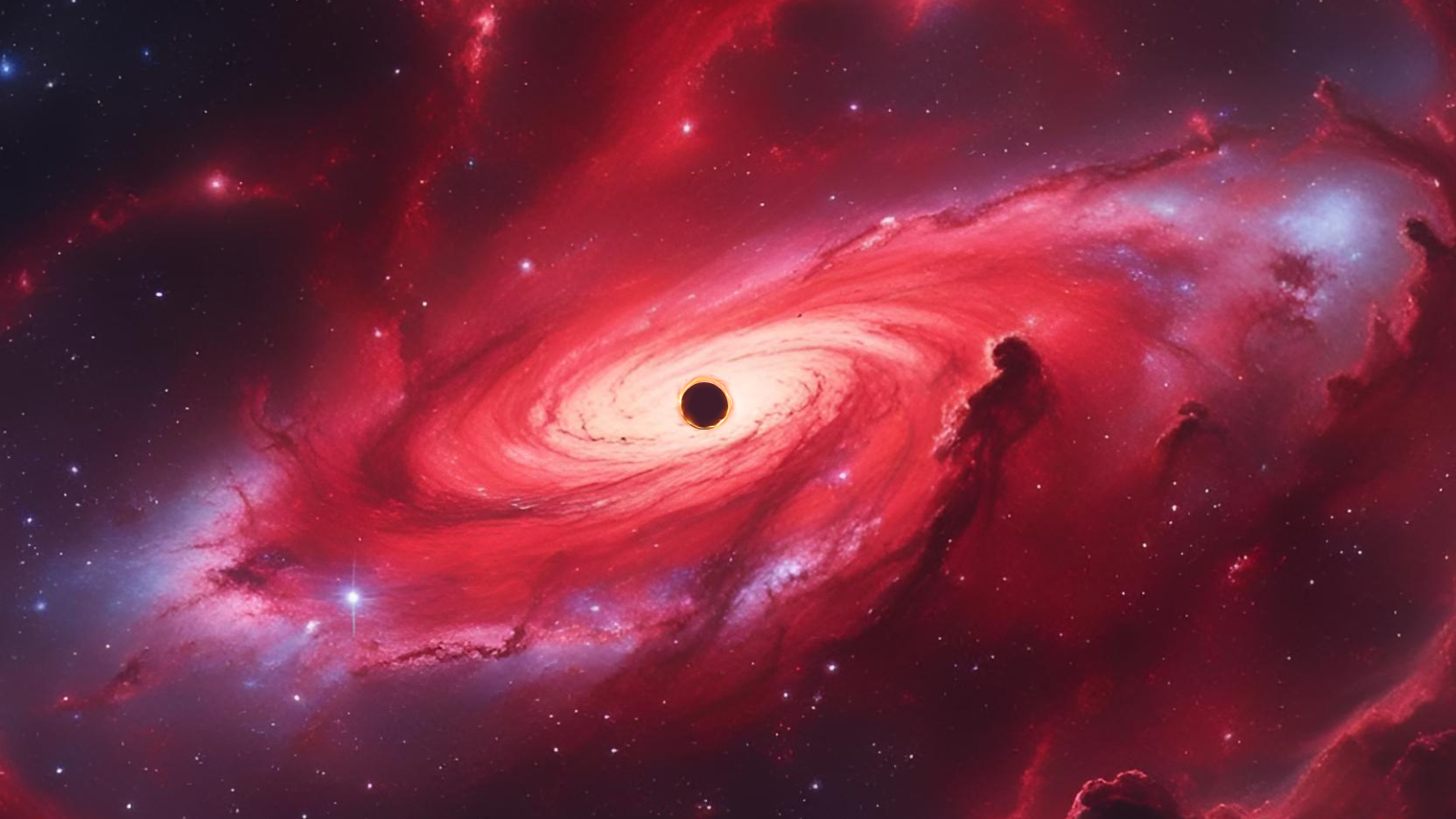
NASA’s next super telescope, the Nancy Grace Roman Space Telescope, may leave nowhere to hide for black holes that violently murder and devour stars, not even cosmic noon.
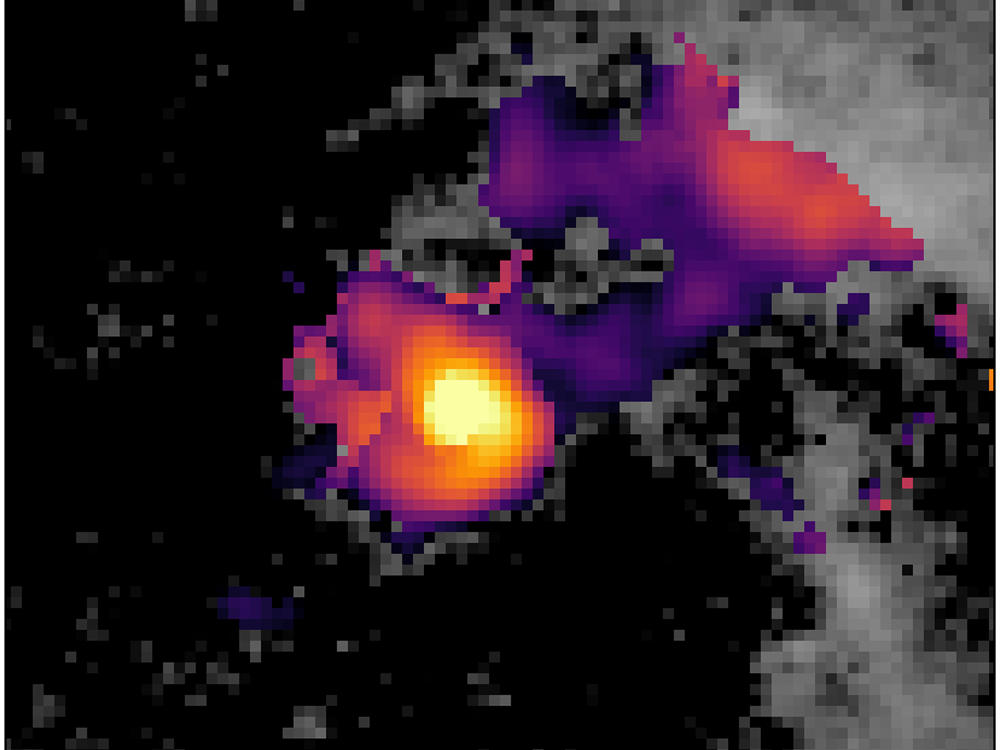
Using the James Webb Space Telescope (JWST), astronomers have gotten a glimpse at the mechanisms that supermassive black holes use to feed themselves.
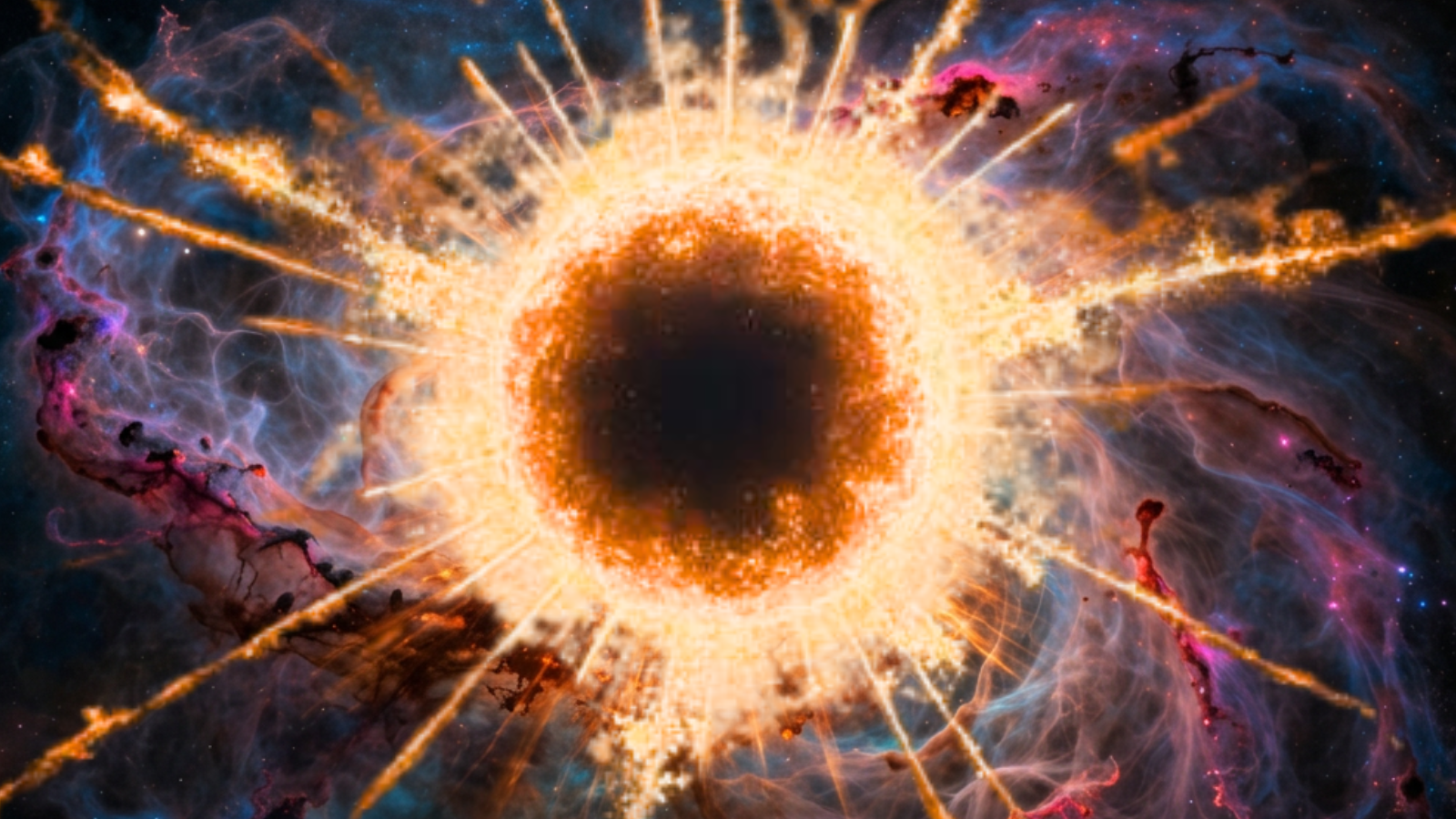
“Hawking’s laws of black hole mechanics provided a satisfying connection between extreme and ordinary physics and have been the paradigm for 50 years, but they have a serious limitation.”
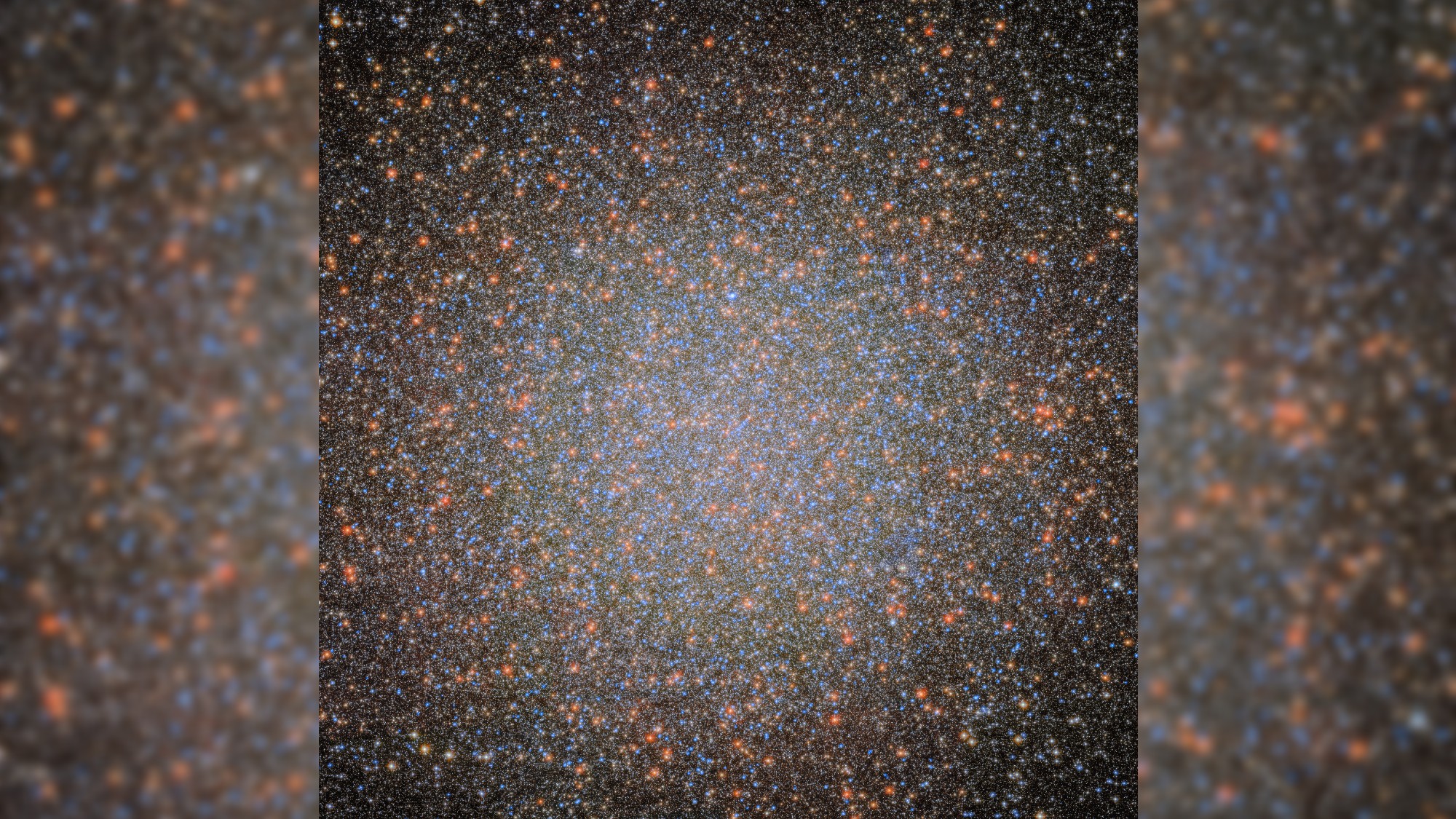
The first of 10,000 missing black holes in the Omega Centauri globular cluster has been found thanks to teamwork by the Hubble and James Webb space telescopes.
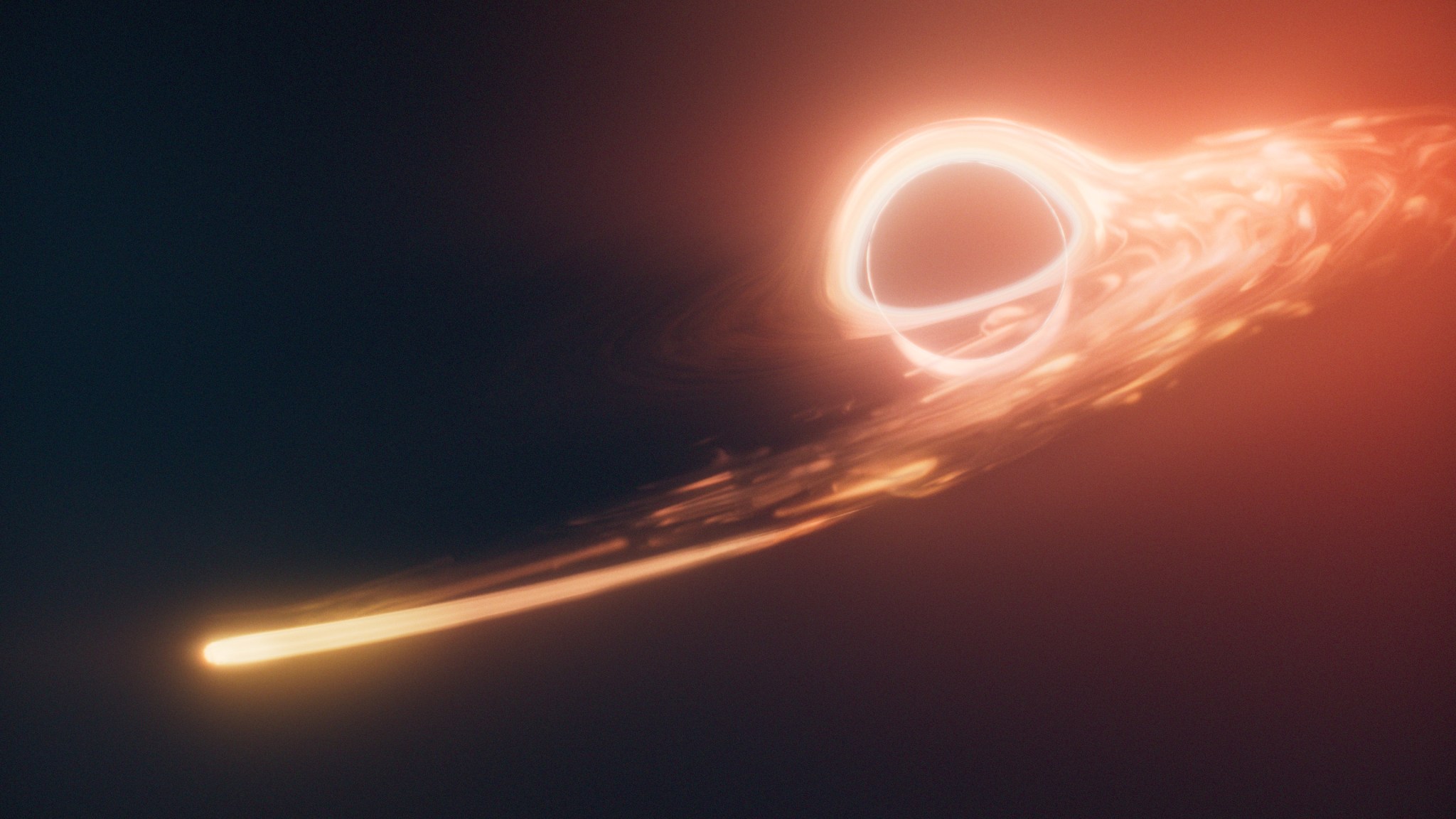
Lee esta nota de prensa en español aquí. How do black holes at the center of galaxies form and grow over time? To answer this question, scientists need to detect and study supermassive black holes at great distances, which existed much earlier in the universe’s history. New research suggests NASA’s Nancy Grace Roman Space Telescope, which […]
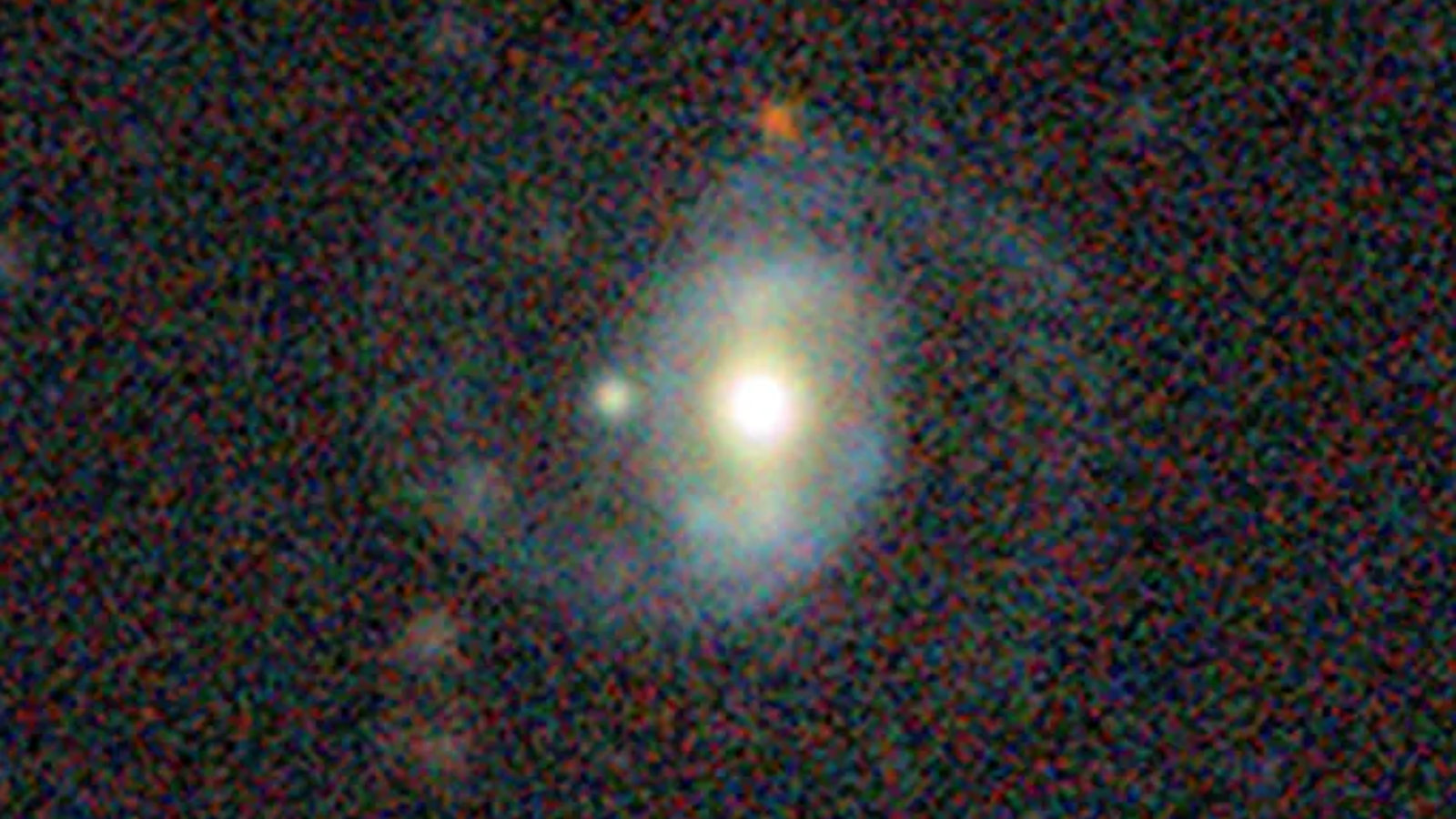
A feeding black hole at the heart of a nearby galaxy is behaving similarly to cosmic titans that existed just after the Big Bang.
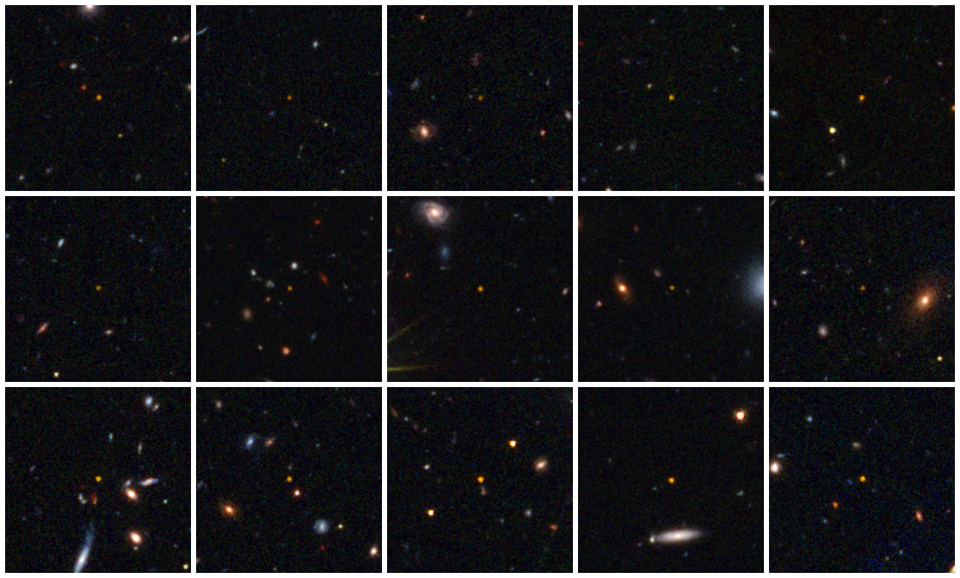
Using the ESA’s Euclid space telescope, astronomers have discovered a treasure trove of black hole-powered quasars in the early universe, including the most ancient and distant ever seen.
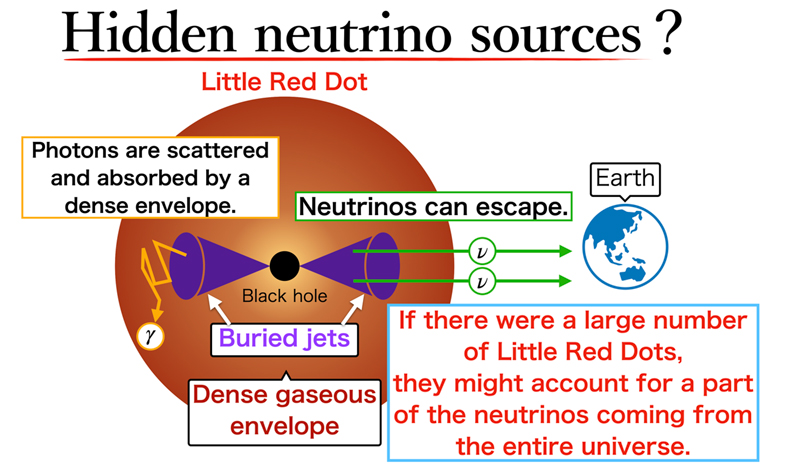
Mysterious “little red dots” discovered in the early universe by the James Webb Space Telescope could harbor buried black holes that fire high-energy neutrinos through the cosmos.