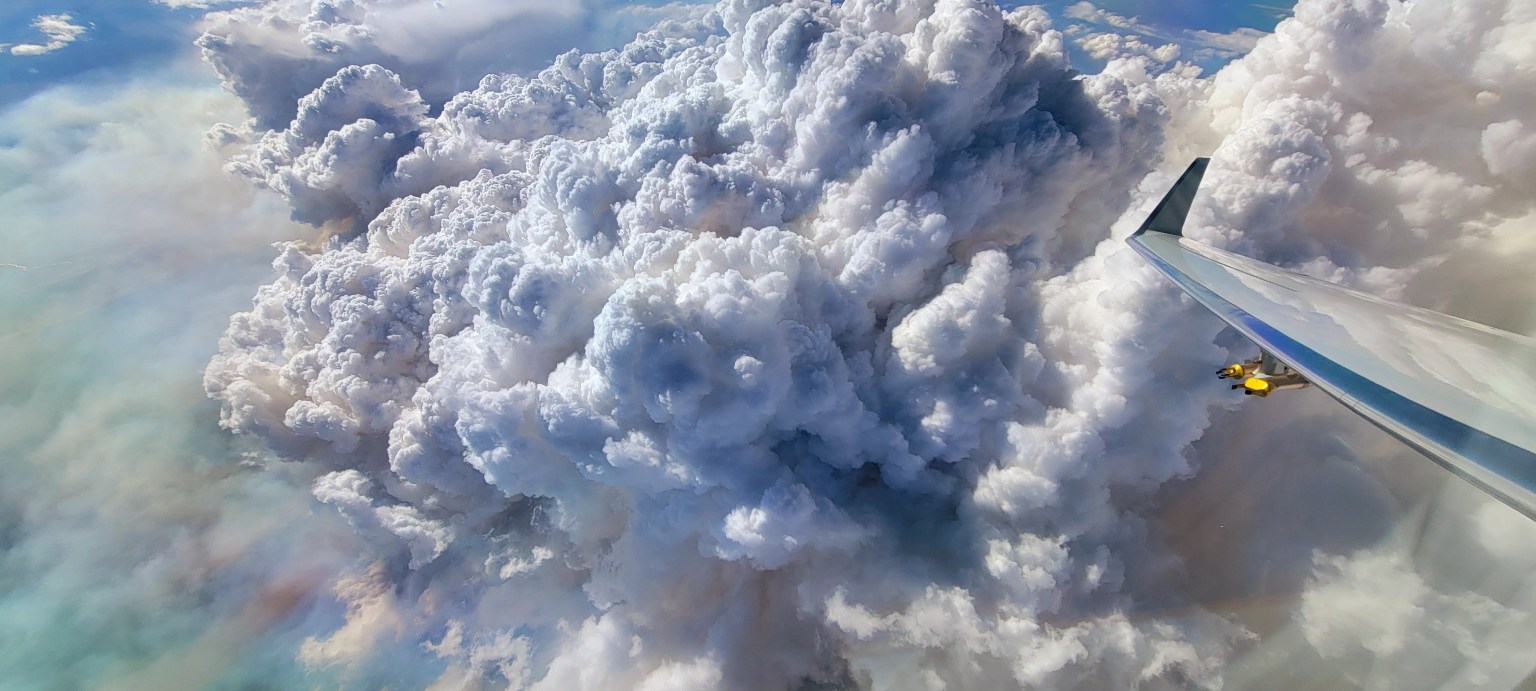
The Wildhorse grass fire in eastern Idaho erupted with a massive pulse of smoke. No one had expected it, but the wildfire had launched what’s known as a pyrocumulonimbus cloud, or pyroCb. It was an elusive weather phenomenon that scientists on NASA’s INSPYRE (INjected Smoke and PYRocumulonimbus Experiment) campaign spent weeks this summer hunting across […]
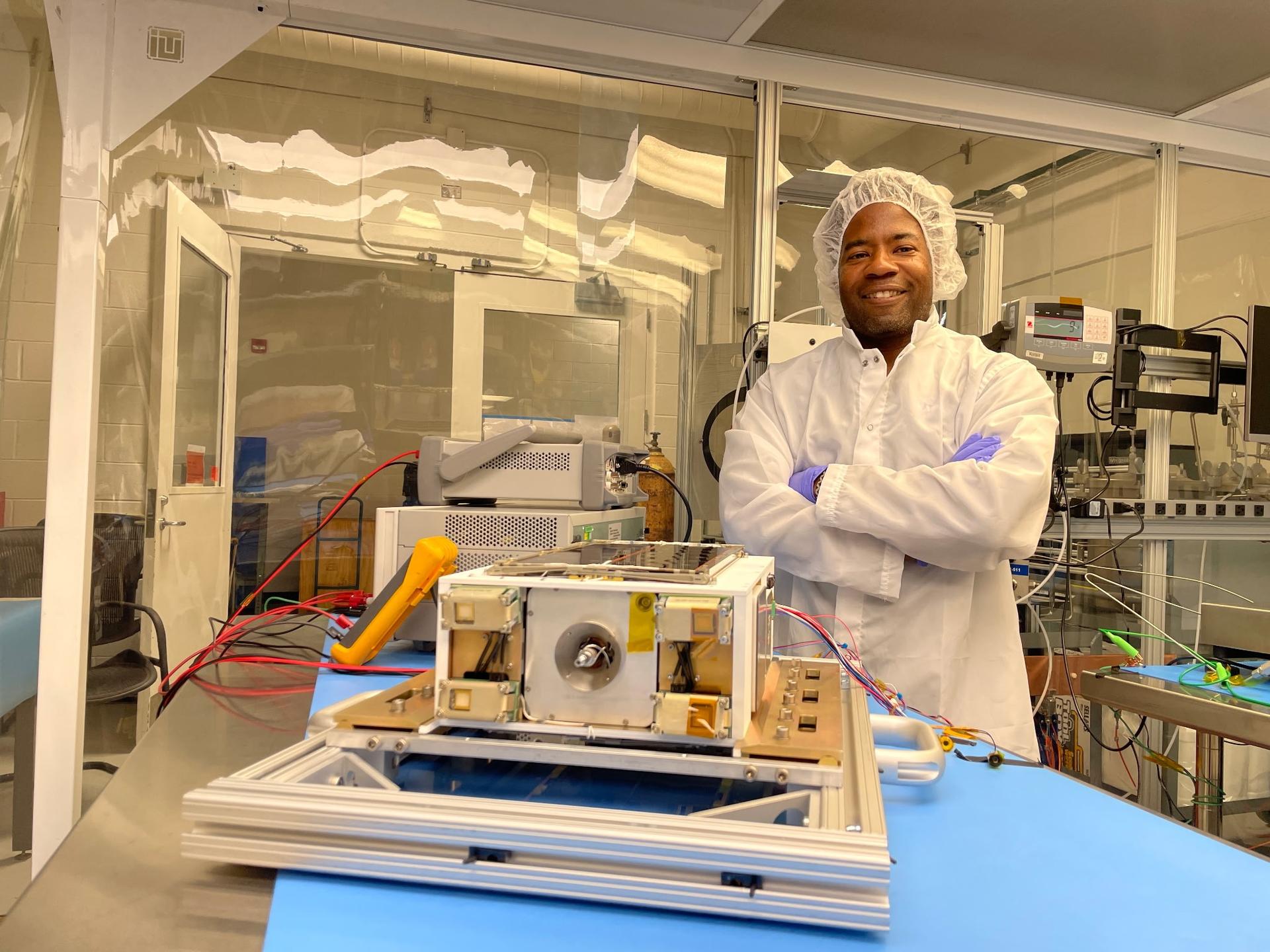
On Sept. 30, 1946, five National Advisory Committee of Aeronautics (NACA) engineers arrived at Muroc Army Airfield in California’s high desert to achieve supersonic flight for the first time. In less than two years, NACA flew the X-1 aircraft faster than the speed of sound, marking an important milestone in aviation history. Fast forward 80 […]

Long before they helped shape NASA’s future aerospace breakthroughs, Derek Abramson, Justin Hall, and Justin Link were in their garages and homes building radio‑controlled aircraft, testing new ideas, and flying their creations at hobby events. That early passion now fuels the work of NASA’s Dale Reed Subscale Flight Research Laboratory at the agency’s Armstrong Flight […]
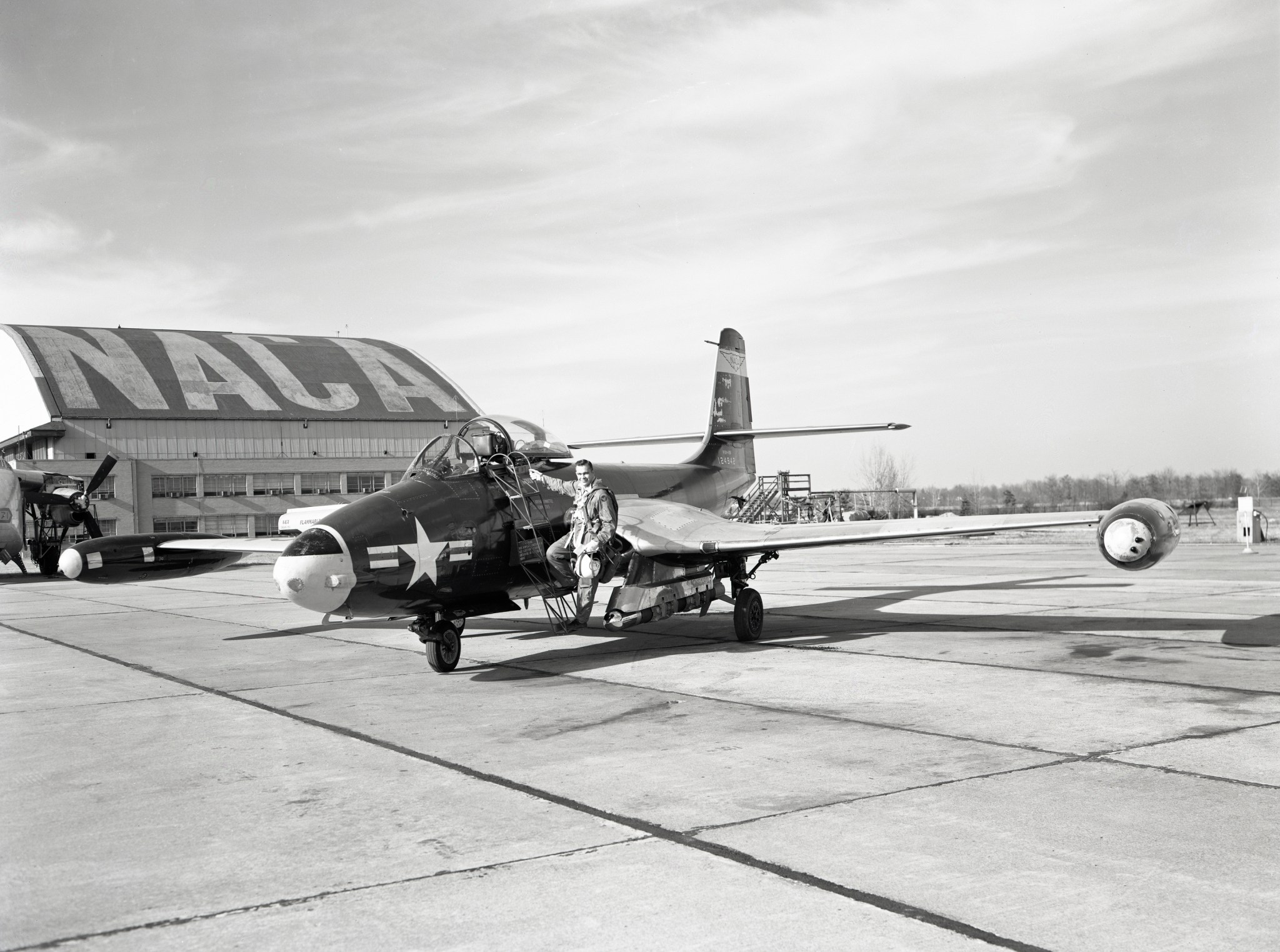
Many of NASA’s most important aerospace breakthroughs that began in the laboratory were ultimately proven in the sky. For decades, experts at NASA’s Glenn Research Center in Cleveland conducted flight tests — piloting aircraft into targeted environments such as icing clouds and carefully defined atmospheric routes. This approach allowed them to collect measurements directly in flight, providing critical data […]
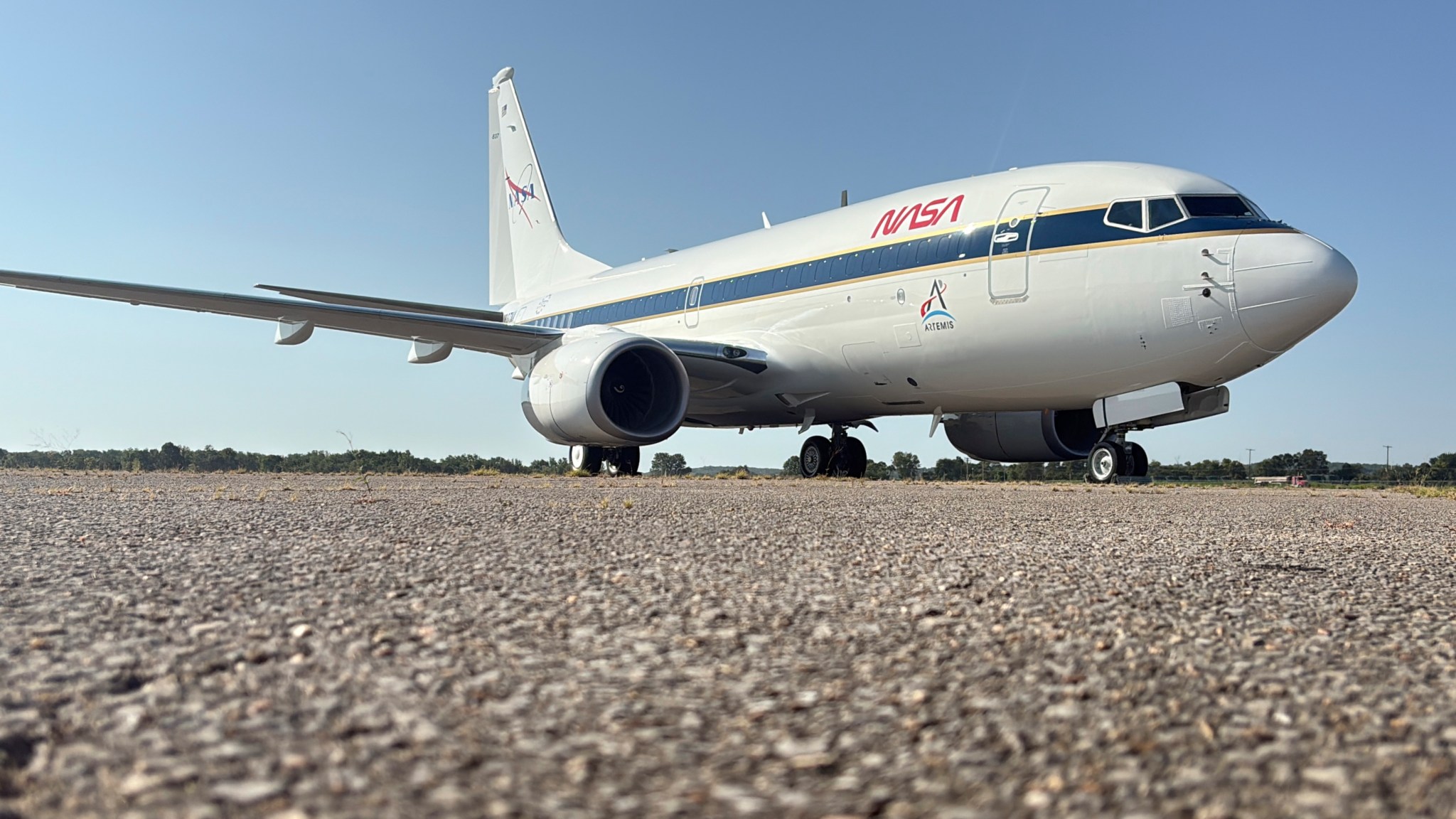
NASA’s 737 aircraft was painted this week in Oklahoma as it progresses with modifications for use as a reduced gravity test aircraft for the agency. NASA’s Armstrong Flight Research Center in Edwards, California, took ownership of the aircraft from the United States Air Force in June. The aircraft will perform lunar-gravity parabolic flights to validate […]
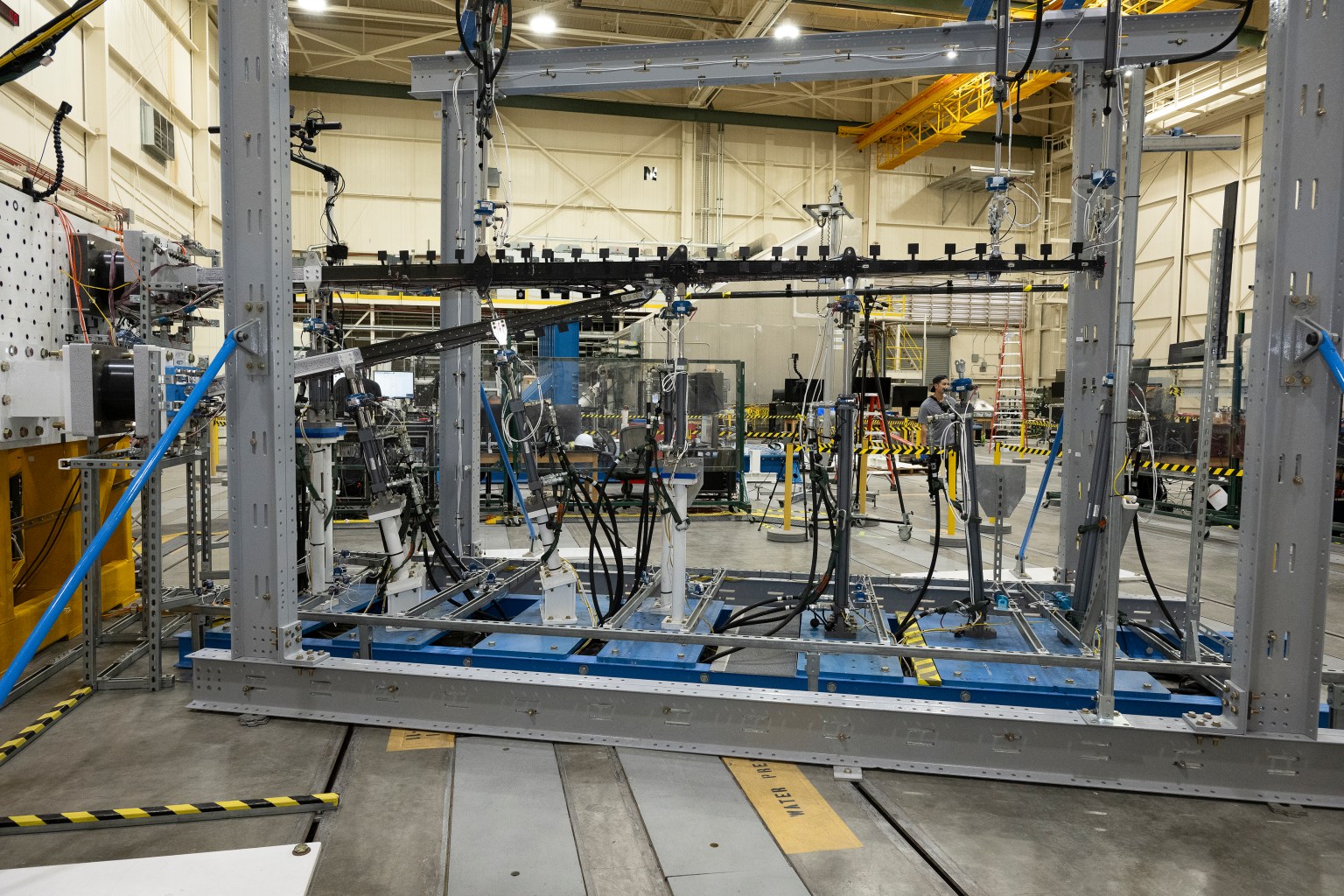
NASA researchers recently put a new wing design, appearing long and thin with a lightweight structural design, through a series of grueling tests to find its structural limits. What they found left them encouraged about the wing’s potential, even when they pushed it past its intended limits. The 15-foot Structural Wing Experiment Evaluating Truss-bracing (SWEET-15) […]
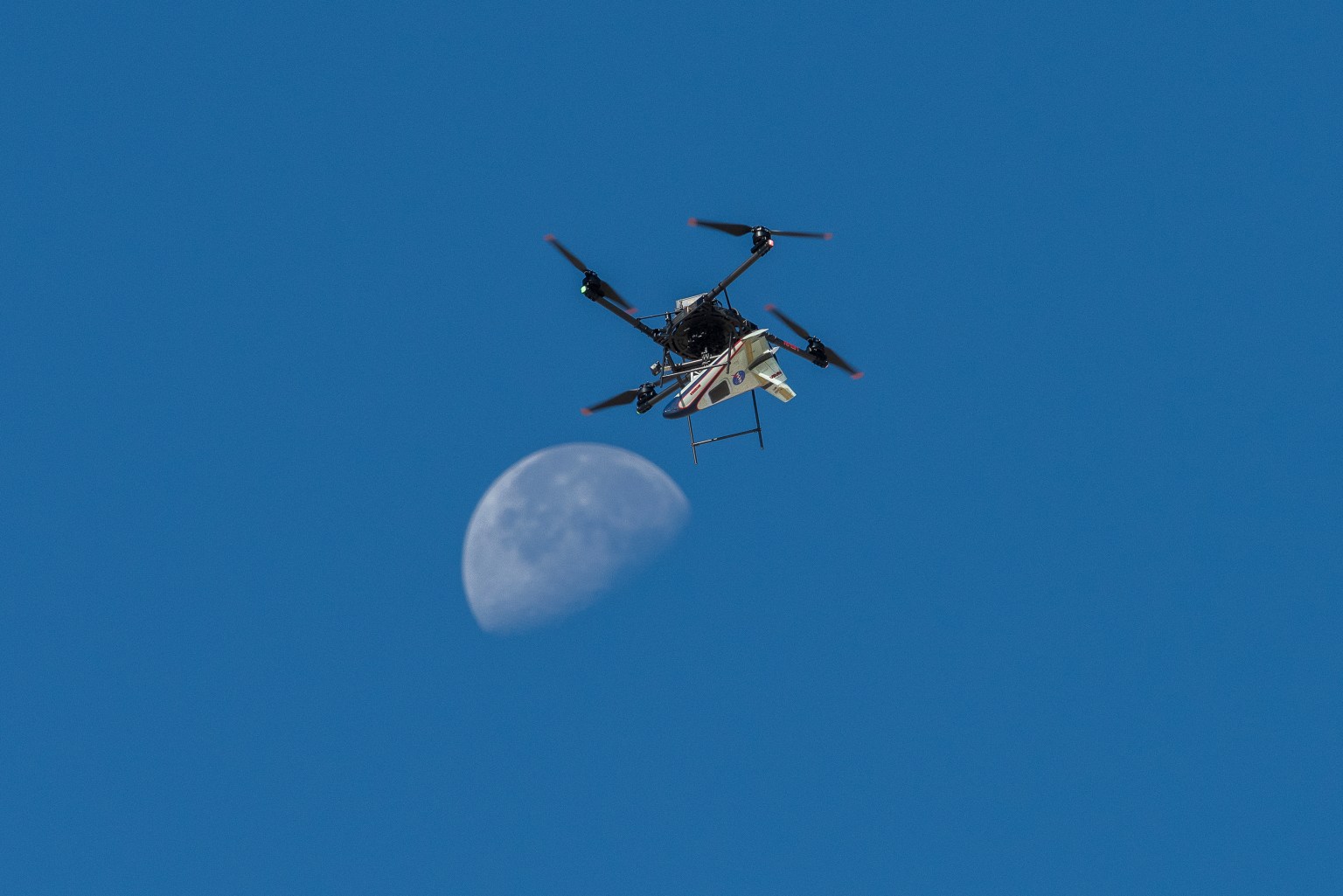
Testing new aerospace concepts in flight remains one of NASA’s most effective ways to advance knowledge and reduce risk. The Dale Reed Subscale Flight Research Laboratory at NASA’s Armstrong Flight Research Center in Edwards, California, supports this mission by using small, remotely piloted and autonomous aircraft as cost‑effective platforms to mature innovative ideas, accelerate learning, […]
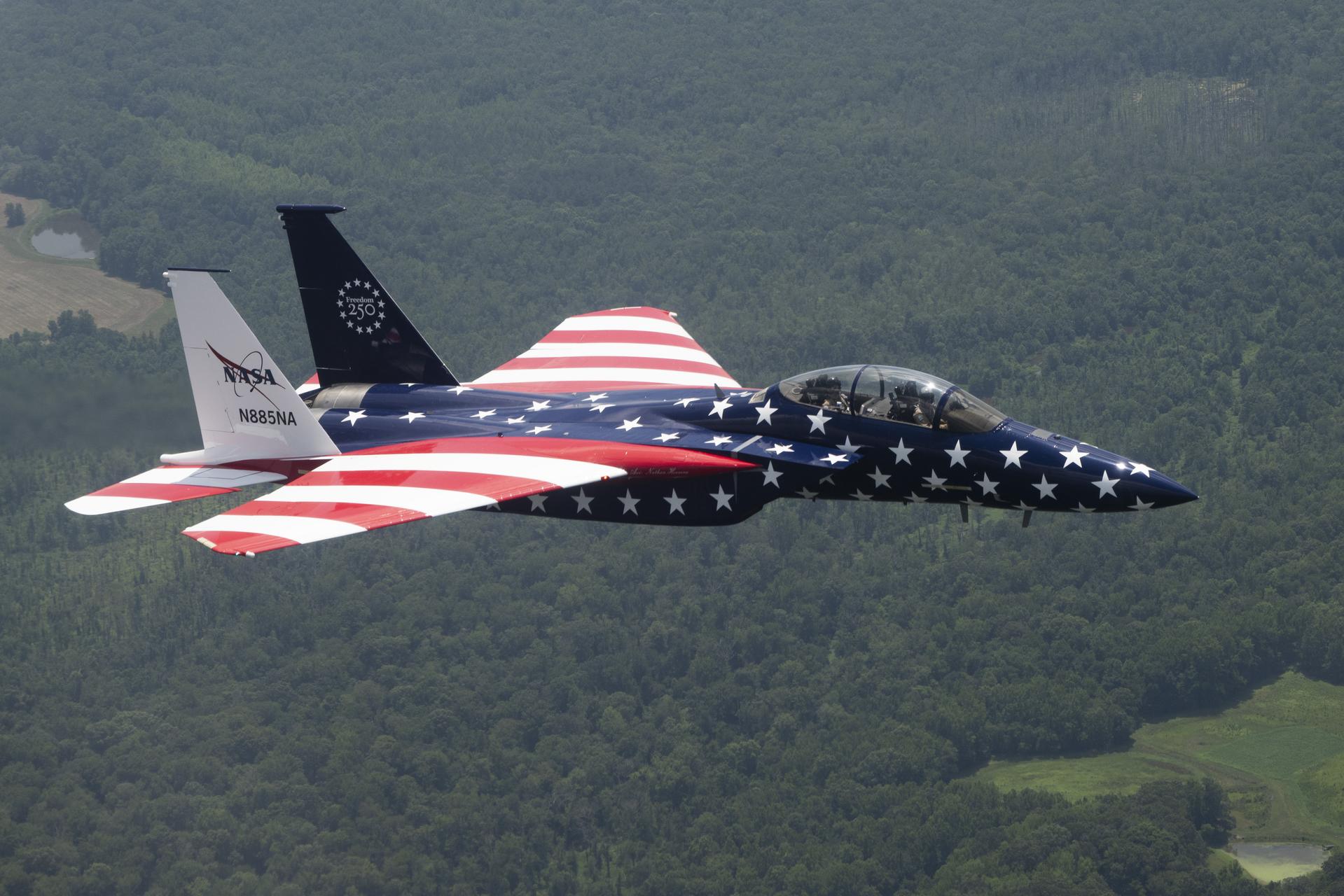
In honor of America’s 250th birthday, two of NASA’s most iconic aircraft got a fresh coat of red, white, and blue paint ahead of a flyover in Washington on July 4, 2026, with other NASA aircraft. An F-15 and an F/A-18 from NASA’s Armstrong Flight Research Center in Edwards, California, recently were repainted in […]
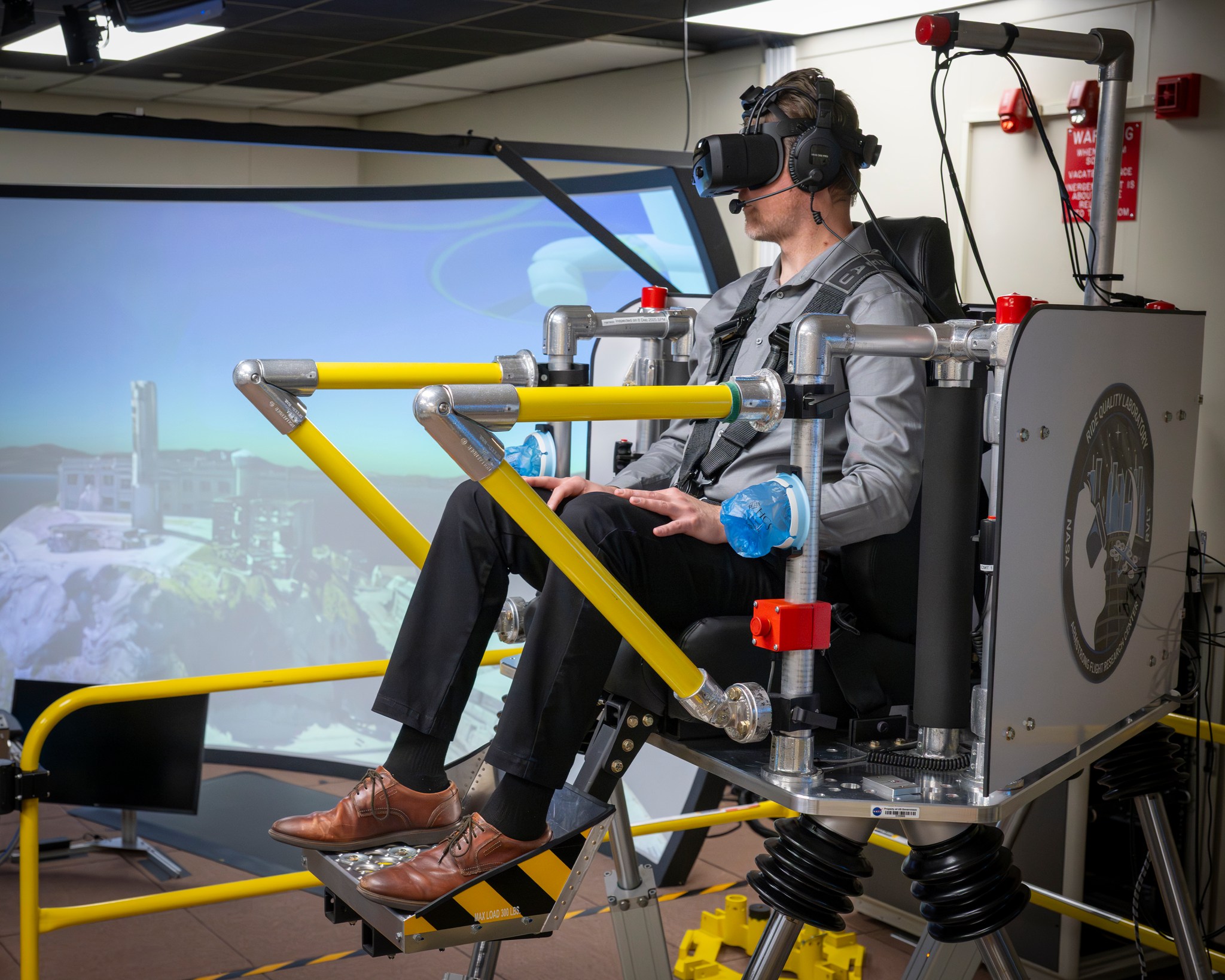
No one wants to get into an uncomfortable aircraft. NASA research could help the emerging industry of air taxis —small, vertical-takeoff-and-landing aircraft meant for short trips — understand the relationship between comfort and willingness to fly. That’s where NASA comes in, with data that can help identify how to plan air taxi rides that can […]
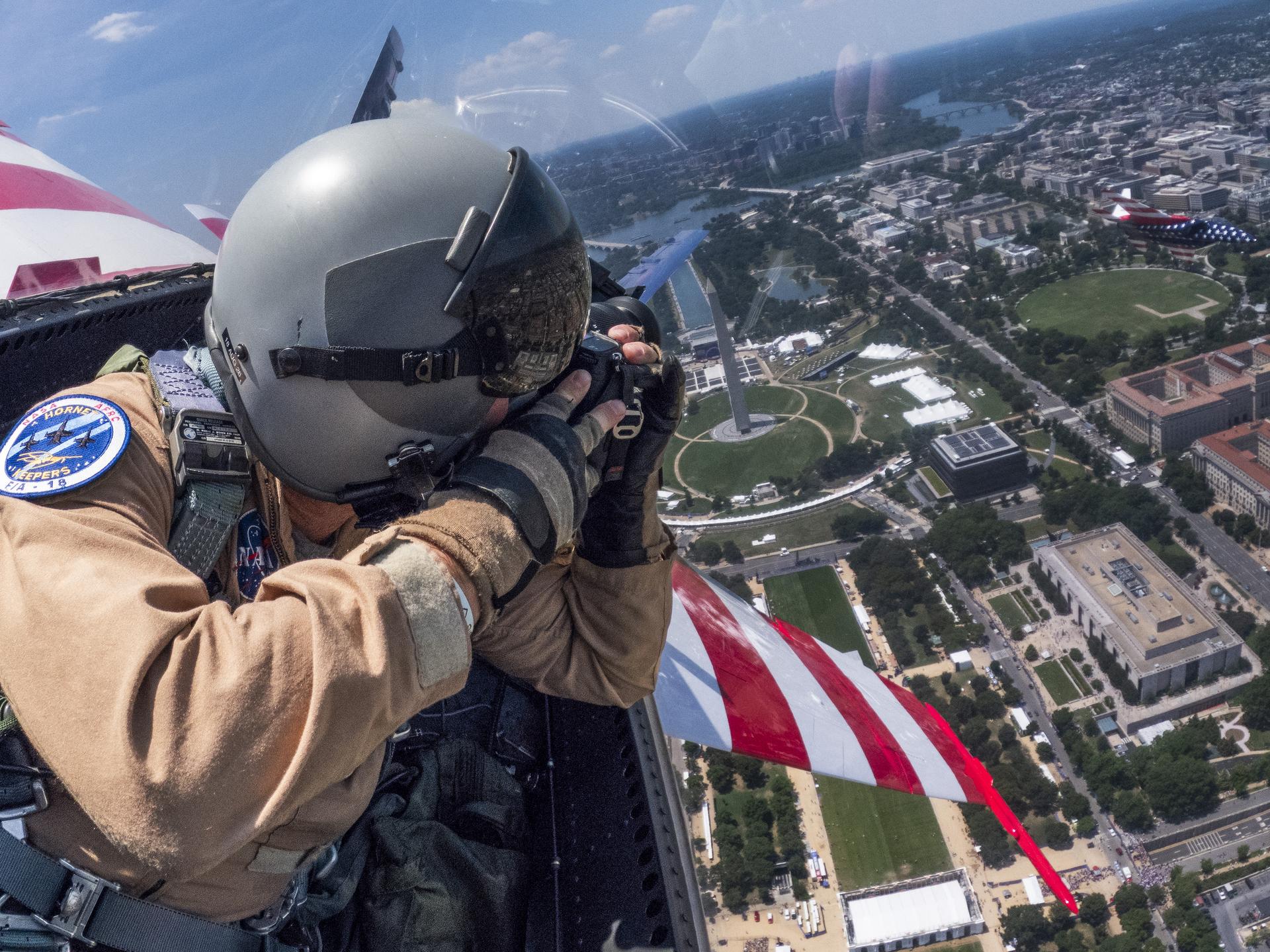
NASA flight photographers capture history from a perspective few ever experience, getting a rare bird’s-eye view of the agency’s missions in action. Their photos document key NASA research and give the public a front-row seat to the work happening behind the scenes. Jim Ross, a photographer at NASA’s Armstrong Flight Research Center in Edwards, California, […]