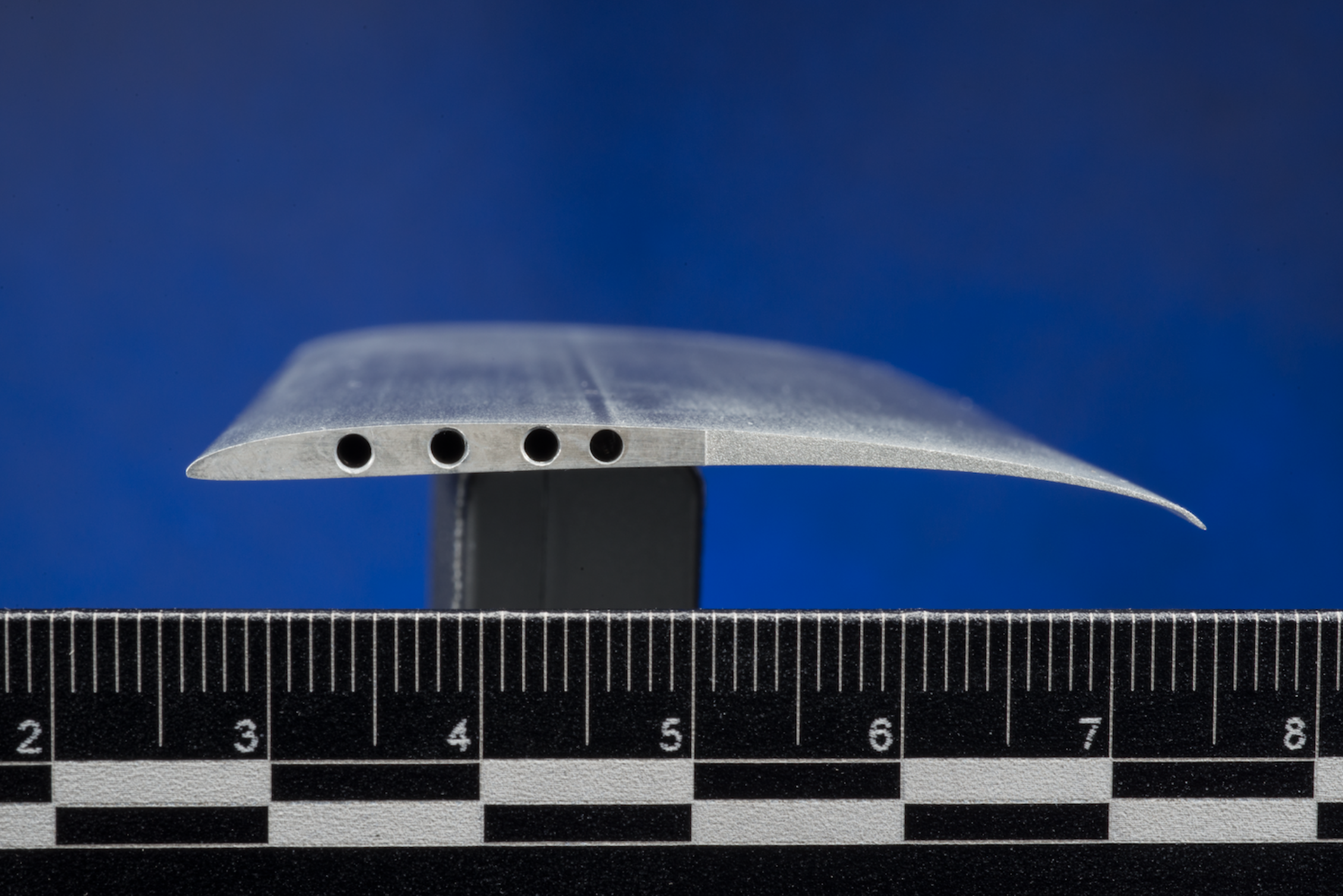
NASA researchers are developing the future of flight on Mars, laying the groundwork for helicopters with the ability to fly higher and farther while conducting science on the Red Planet. Using high-fidelity computer simulations and wind tunnel tests, engineers are reimagining the rotorcraft blades that could carry the next generation of Mars flyers.

Research teams at NASA’s Glenn Research Center are involved in developing theory and software to predict the noise from aircraft engines. This software helps engineers to design and analyze new and improved aircraft propulsion systems. Copies of our software can be requested from NASA’s Software Catalog. JeNo Development of jet noise prediction codes is multifaceted. […]
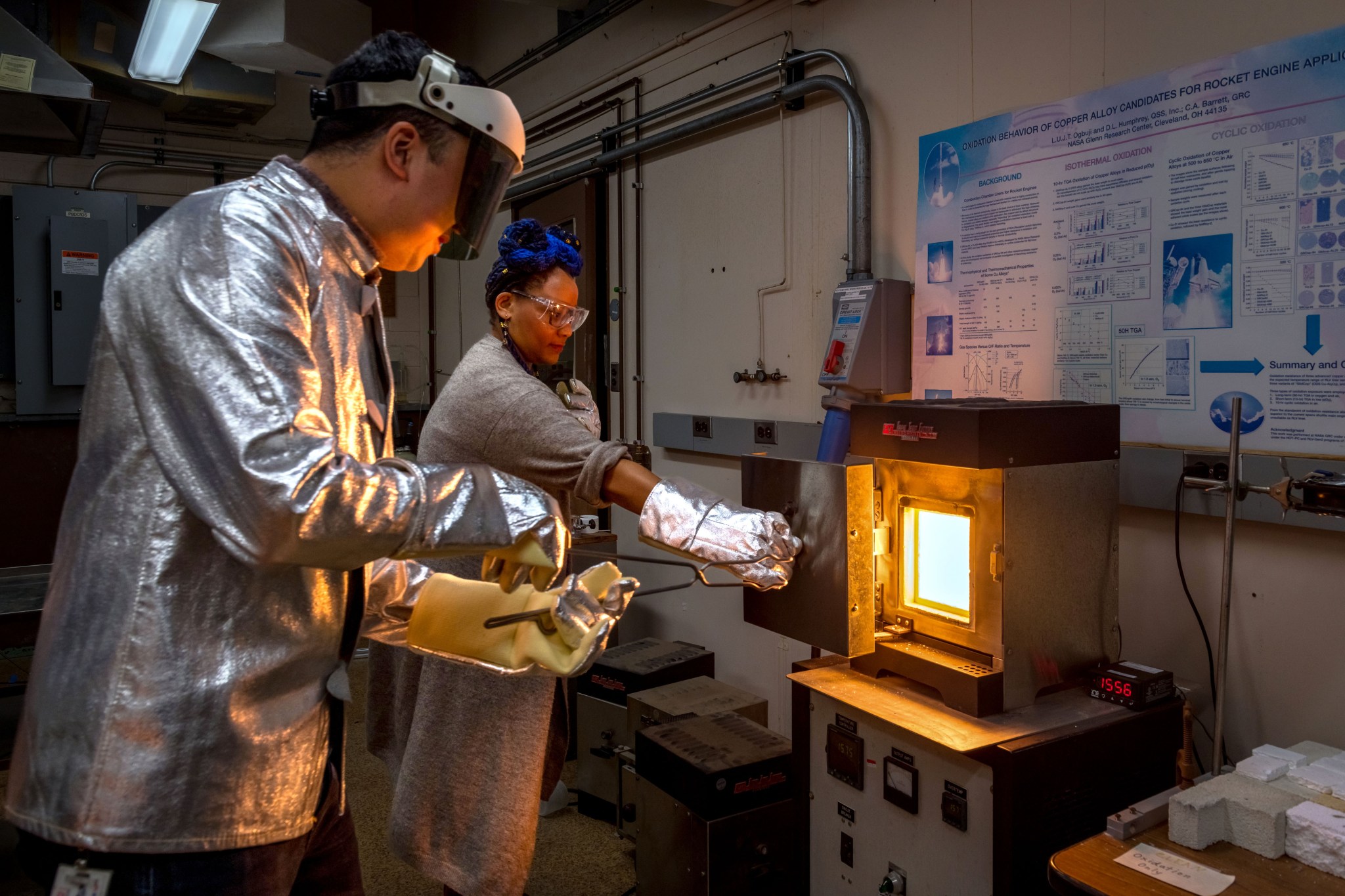
A material recently discovered and tested at NASA’s Glenn Research Center in Cleveland could help astronauts pack lighter for future missions to the Moon. NASA is researching ways explorers could “live off the land” by harnessing lunar resources, including melting Moon rocks to extract metals for building infrastructure and oxygen for fuel and life support. […]
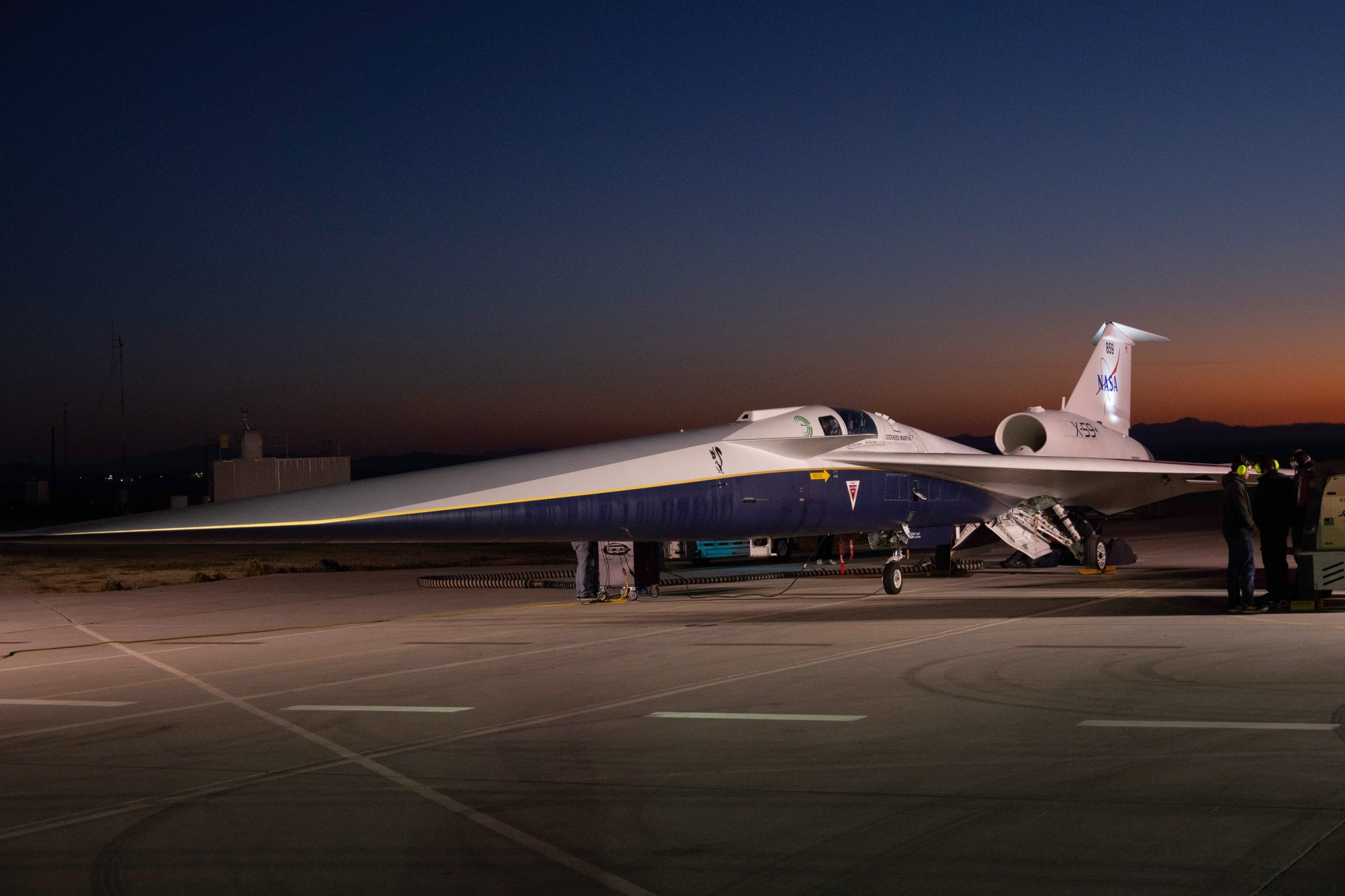
NASA will hold a media teleconference at 5:30 p.m. EDT on Thursday, March 19 to highlight plans for its X-59 quiet supersonic aircraft’s upcoming flight tests. The teleconference is set to take place after the X-59 is scheduled to complete its second flight, in California. For the media call, NASA leadership will join representatives from […]
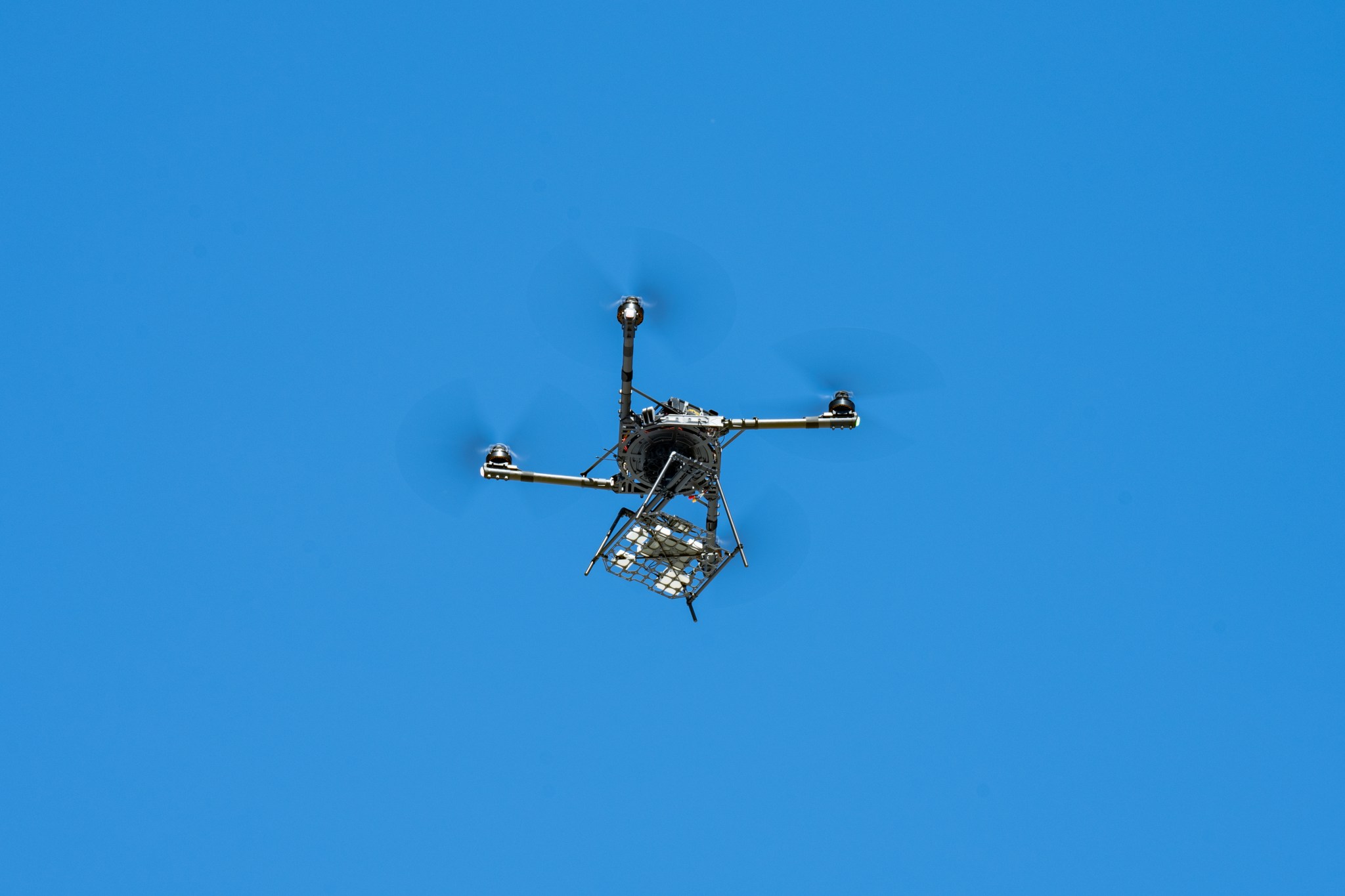
Through a drone flight test at NASA’s Ames Research Center, researchers tested a blockchain-based system for protecting flight data. The system aims to keep air traffic management safe from disruption and protect data transferred between aircraft and ground stations from being intercepted or manipulated.