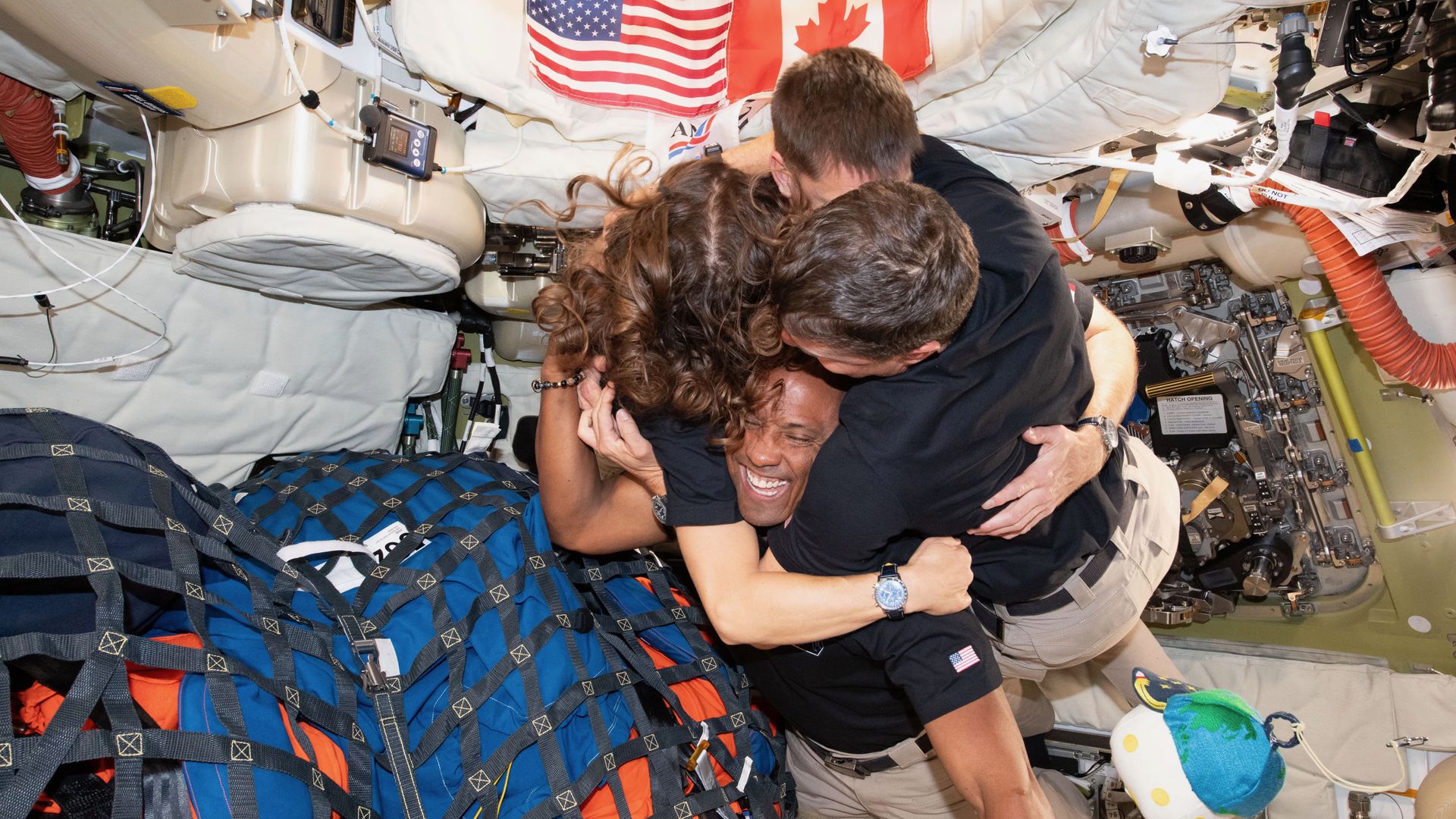
Artemis II mission specialist Christina Koch will become NASA’s acting deputy chief engineer on Nov. 1. All four Artemis II crewmates have now stepped away from active spaceflight duties.
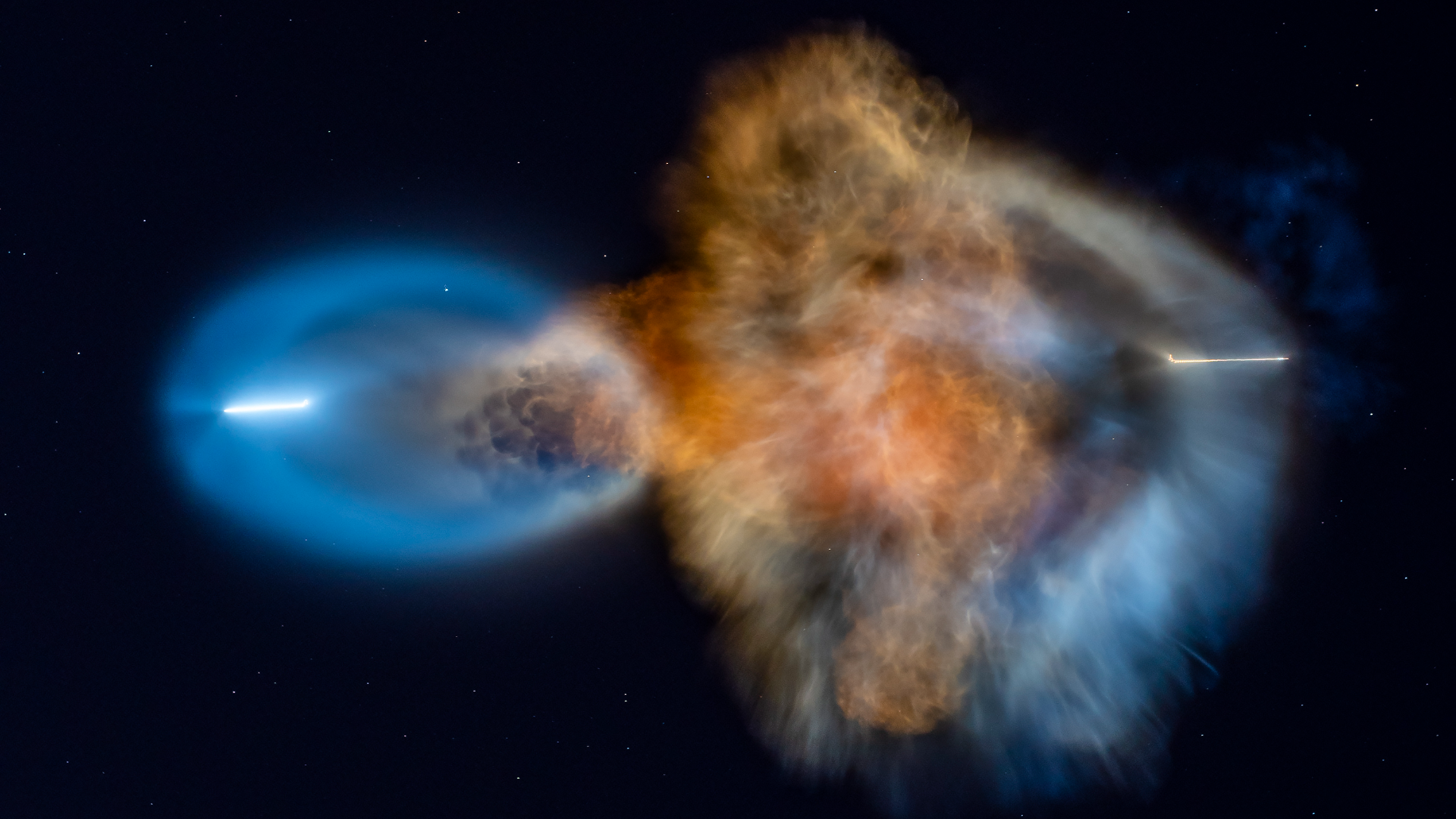
A “jellyfish” in the early-morning sky created by SpaceX’s launch of the CRS-35 cargo mission on Oct. 13, 2026.
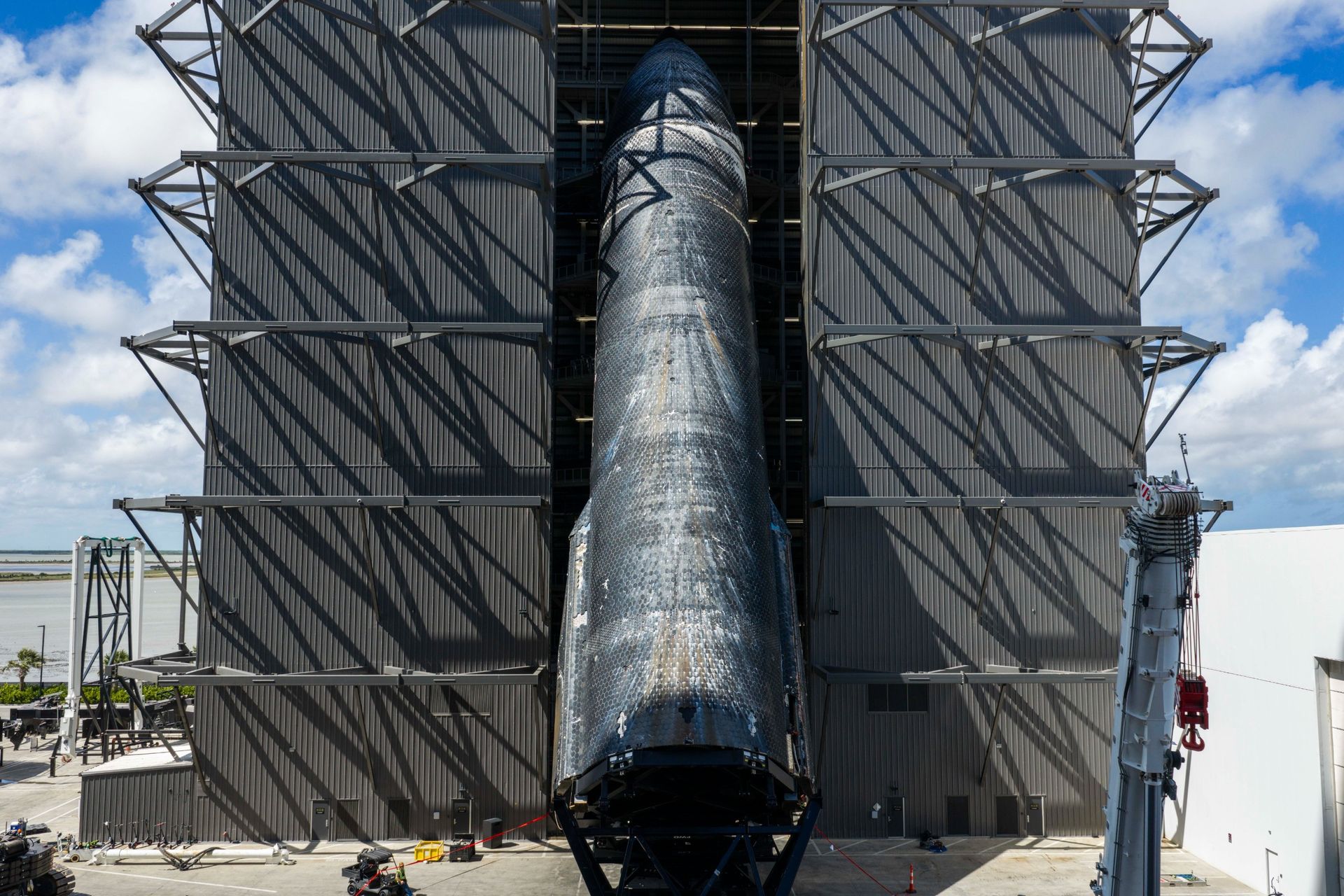
After surviving its splashdown and a grueling journey at sea, SpaceX’s Ship 40 has returned to Starbase, where engineers will study the first recovered Starship upper stage for clues to future reusability.
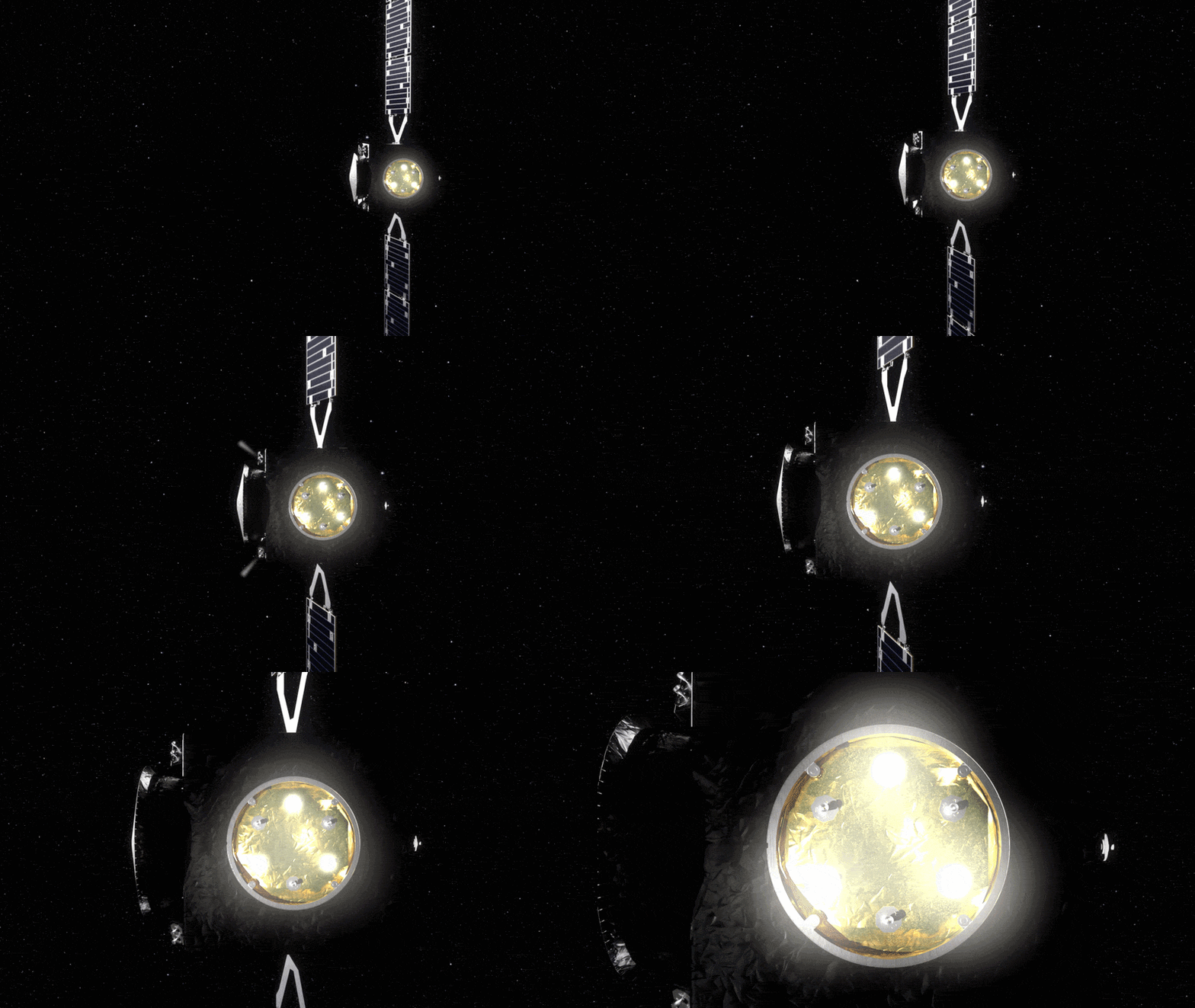
NASA’s DART mission made a cosmic mess four years ago — and now a new spacecraft is ready to scout out exactly what the first-of-its-kind collision accomplished.
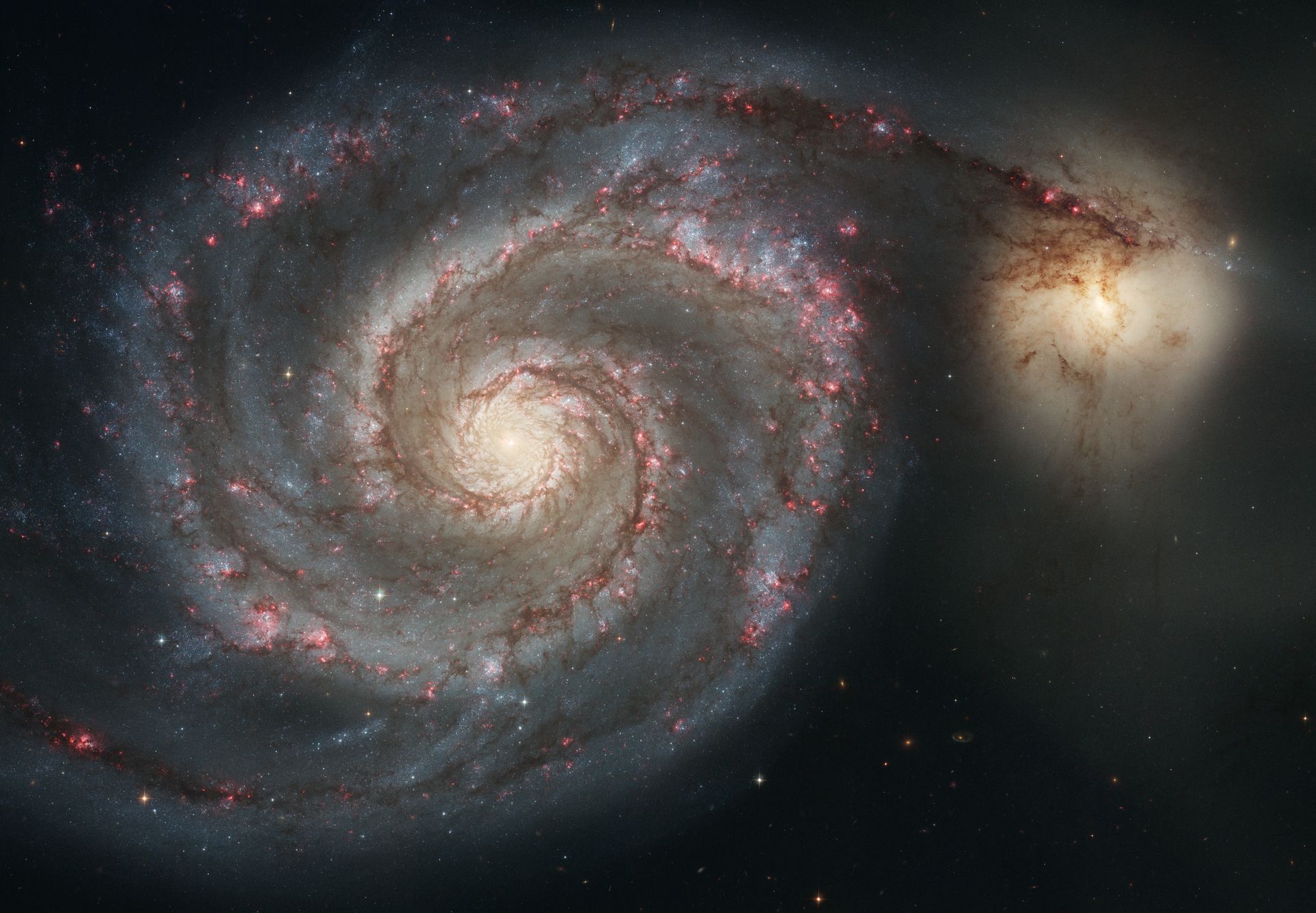
On Oct. 13, 1773, a French astronomer named Charles Messier discovered the “Whirlpool Galaxy,” also known as Messier 51, or M51. Here’s why it mattered.
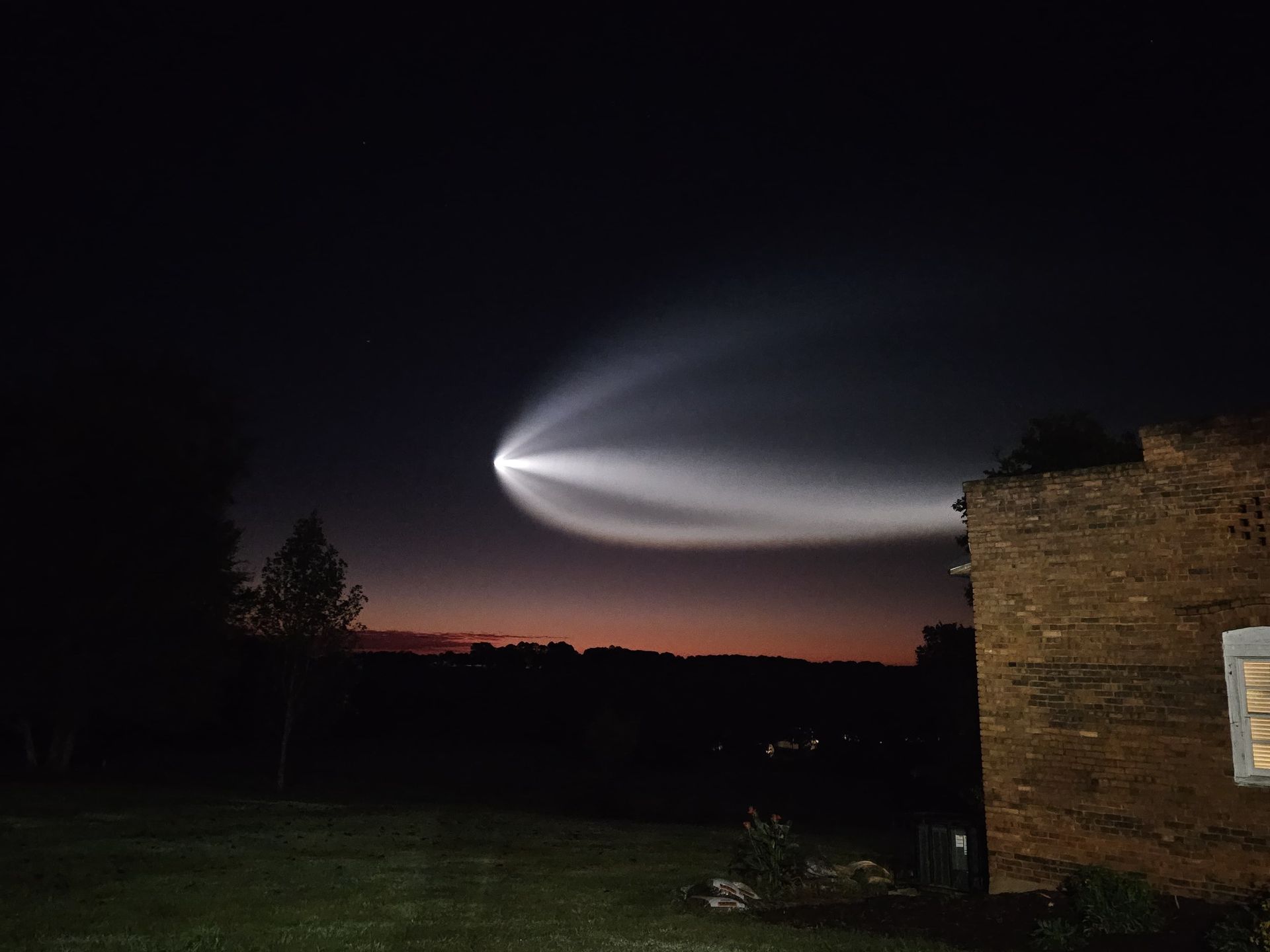
The SpaceX cargo launch to the International Space Station on Tuesday morning (Oct. 13) created a dazzling display seen up and down the US East Coast.
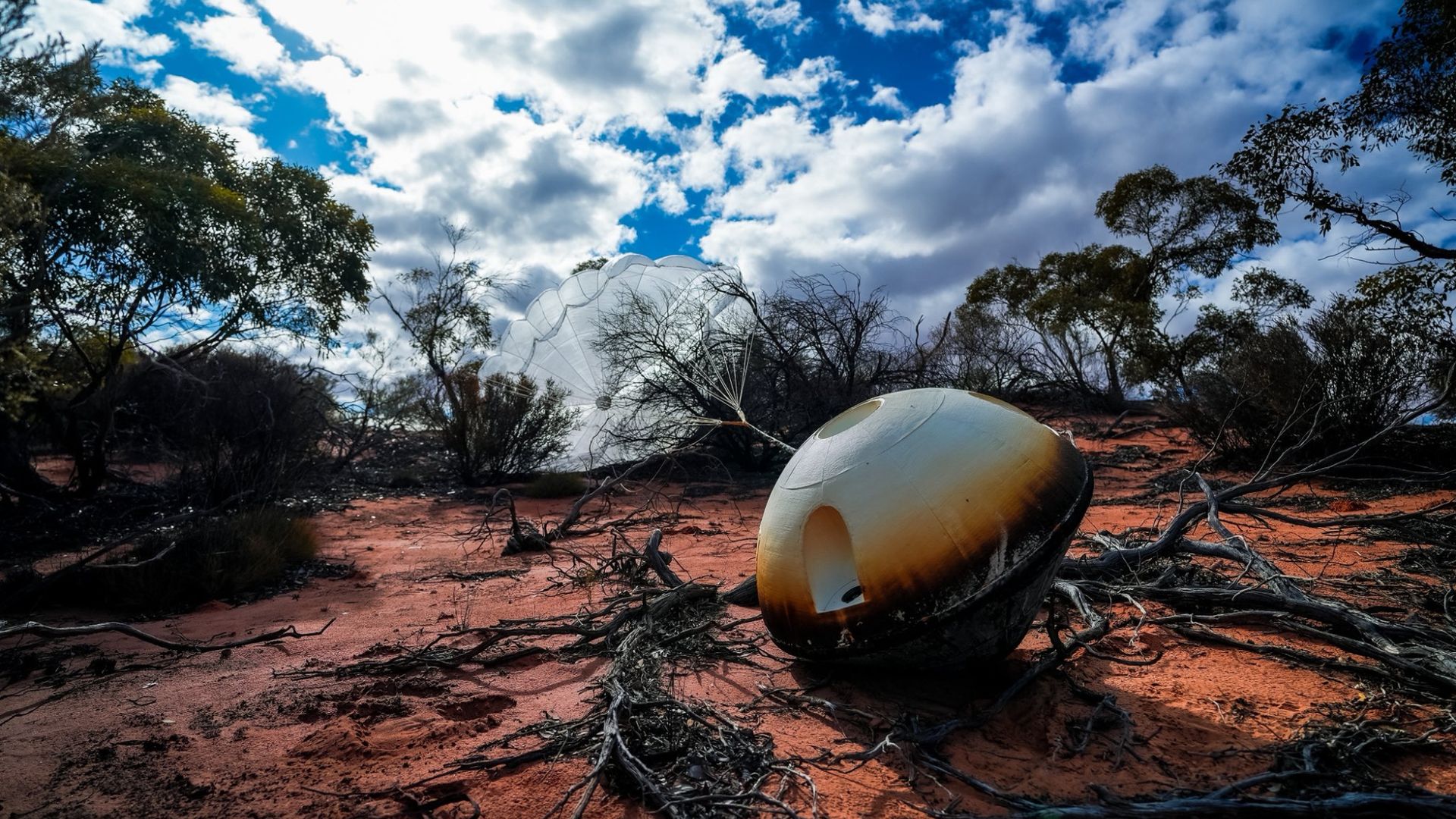
Reentry provider Varda Space Industries is currently flying two spacecraft in Earth orbit and has eight more missions planned in the next year.
NASA’s Perseverance Mars rover has broken the record for the farthest distance driven on a world beyond Earth, passing its smaller cousin Opportunity.
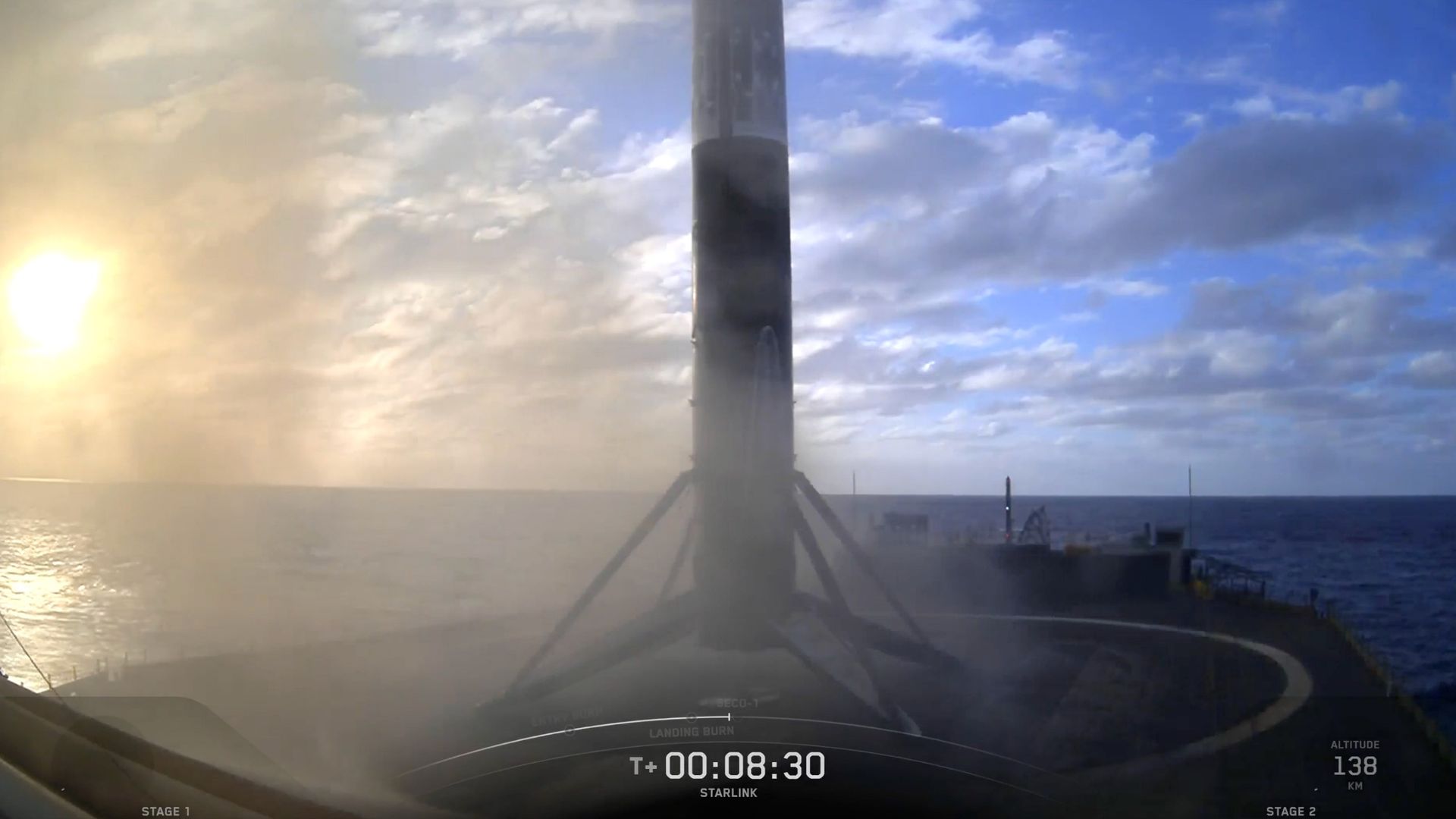
SpaceX launched 27 of its Starlink broadband satellites to orbit today (Oct. 12), the first such mission for a Falcon 9 rocket since Sept. 19.
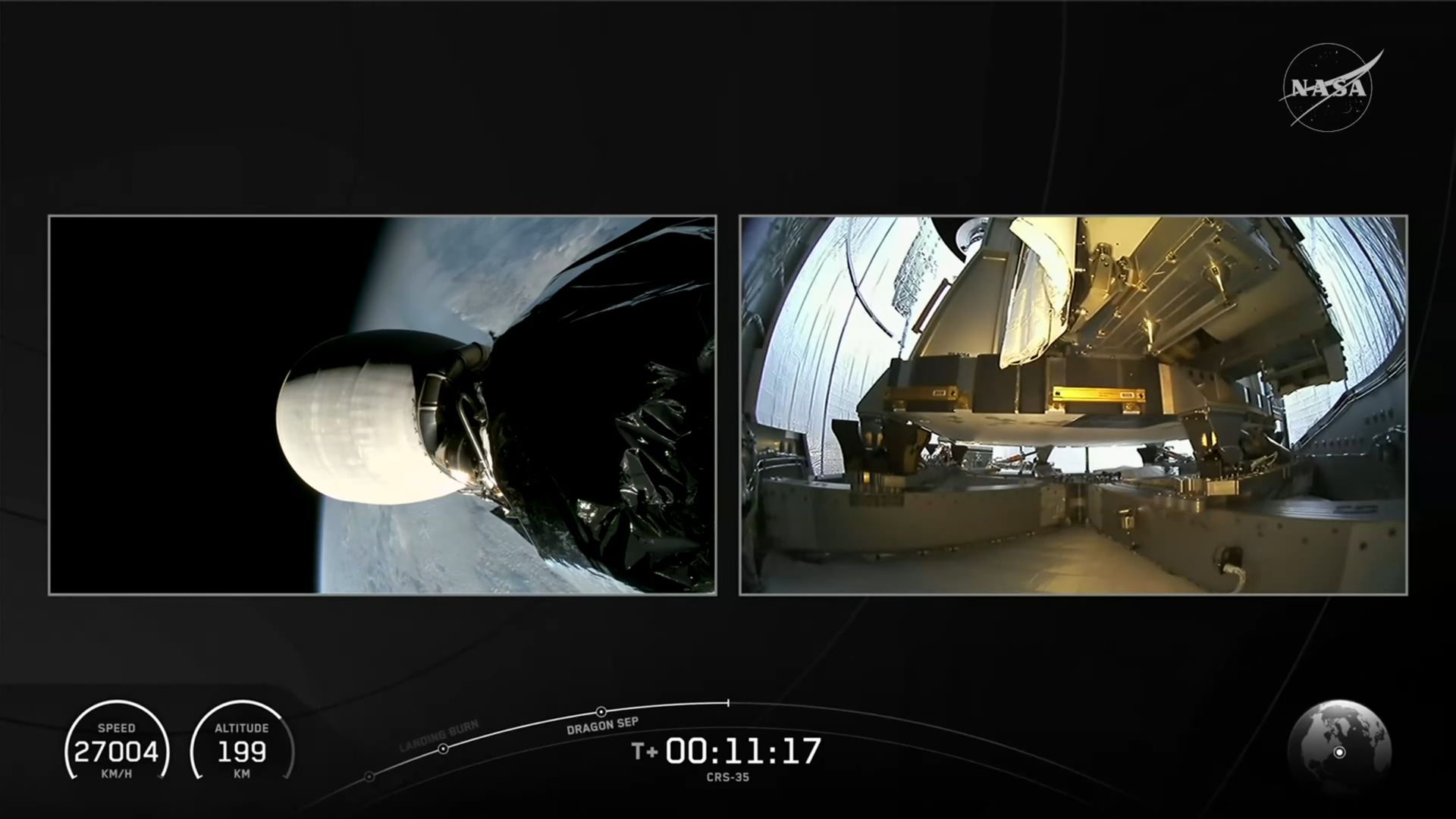
SpaceX successfully launched more than 3 tons of cargo toward the International Space Station on Tuesday morning (Oct. 13).