
On Aug. 26, 1978, cosmonaut and pilot Sigmund Jähn became the first German to fly in space. Here’s why it mattered.

The biggest threat to any crewed expedition to Mars is time. NASA’s shortest blueprint for sending people to the Red Planet and back requires spending 620 days in space and 30 days on Mars. Even setting aside the compounding challenges of building lif…
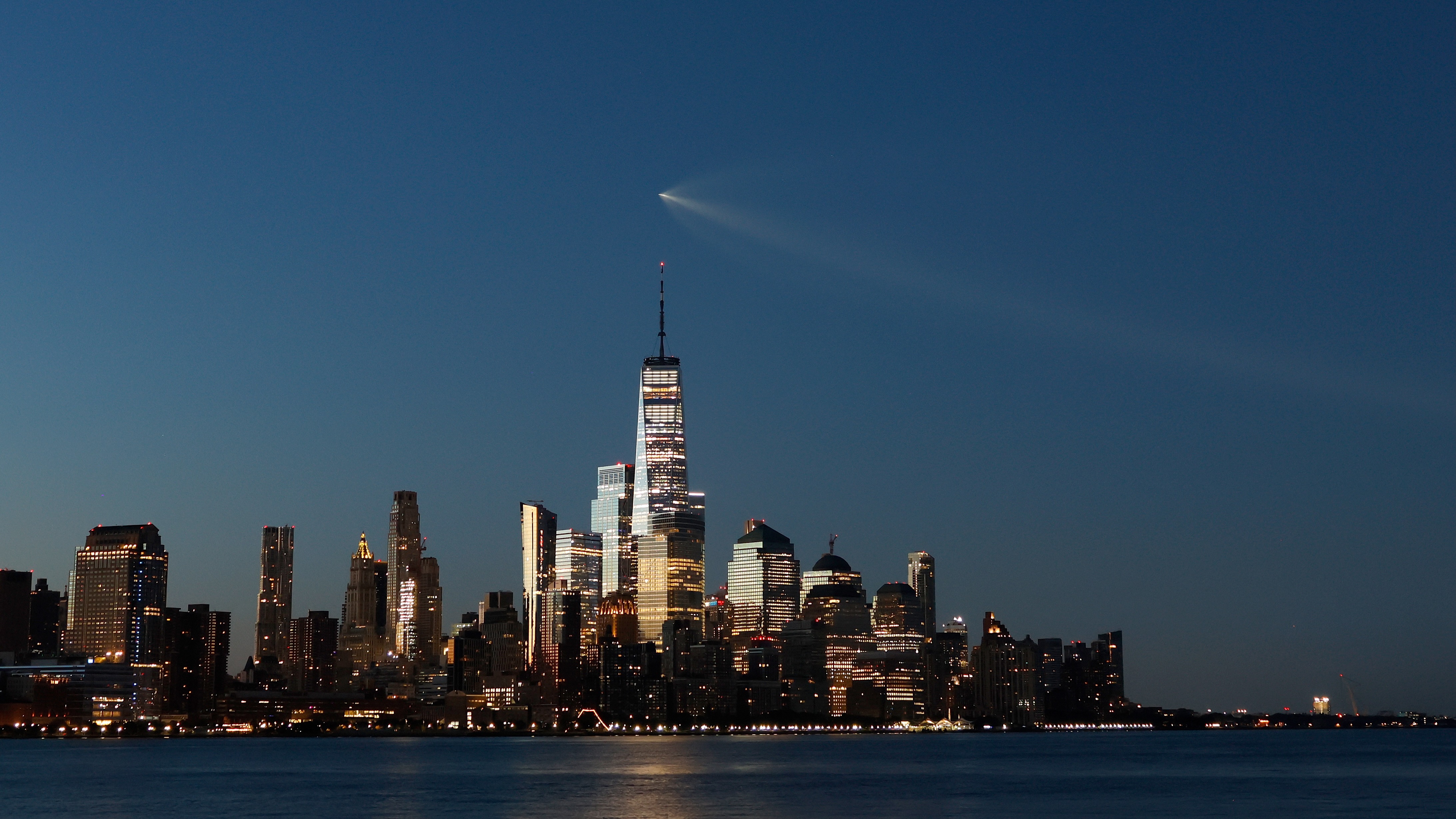
SpaceX’s last planned Falcon 9 Starlink launch from Florida created a memorable sight for folks hundreds of miles away — a glowing “jellyfish” high in the sky.
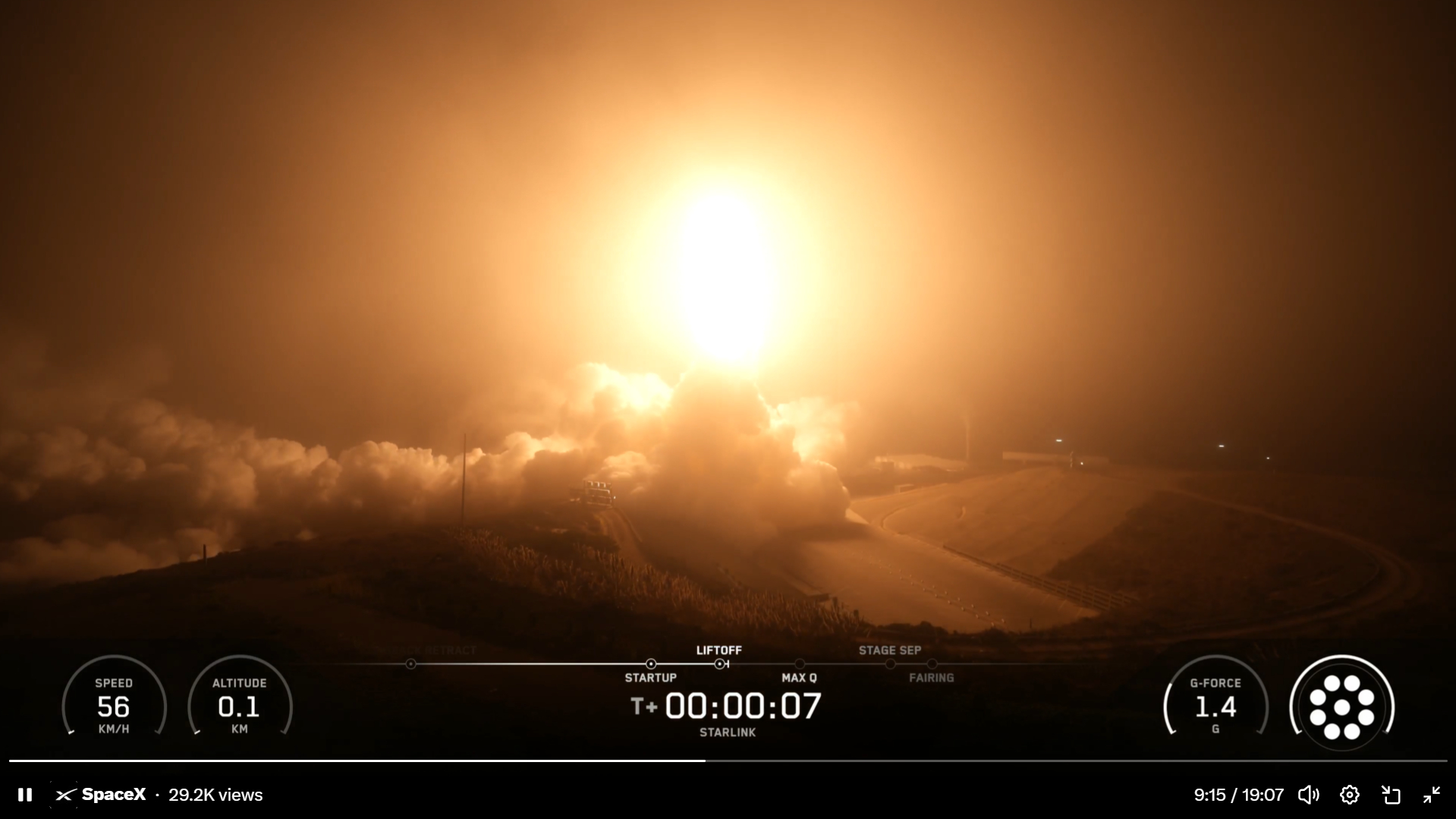
SpaceX launched 27 more of its Starlink broadband satellites to orbit today (Aug. 26), in a predawn liftoff from California’s central coast.
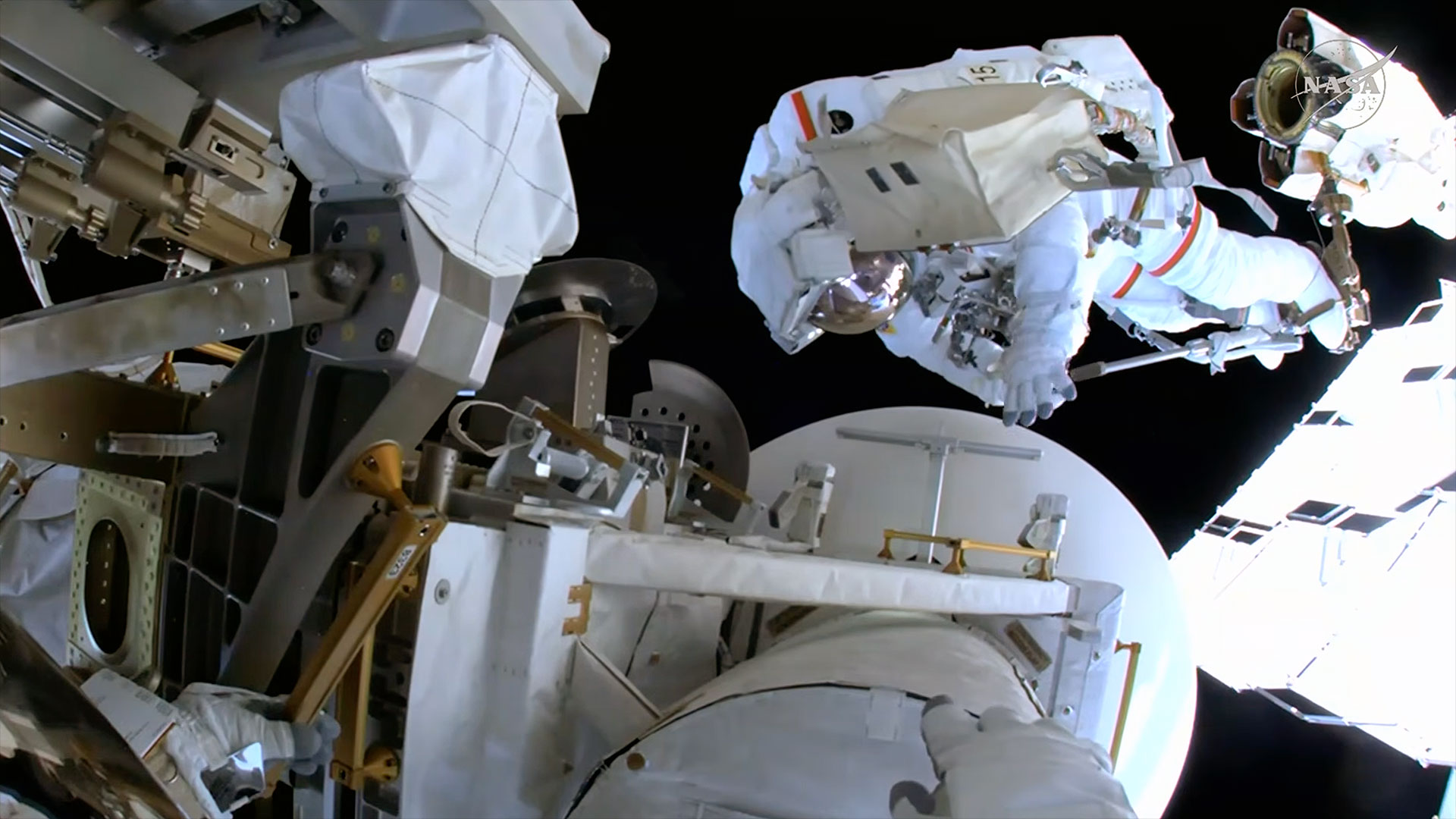
Astronauts Anil Menon and Sophie Adenot completed a 6.5-hour spacewalk on Tuesday, (Aug. 25), installing a replacement Space-to-Ground antenna on the outside of the International Space Station.
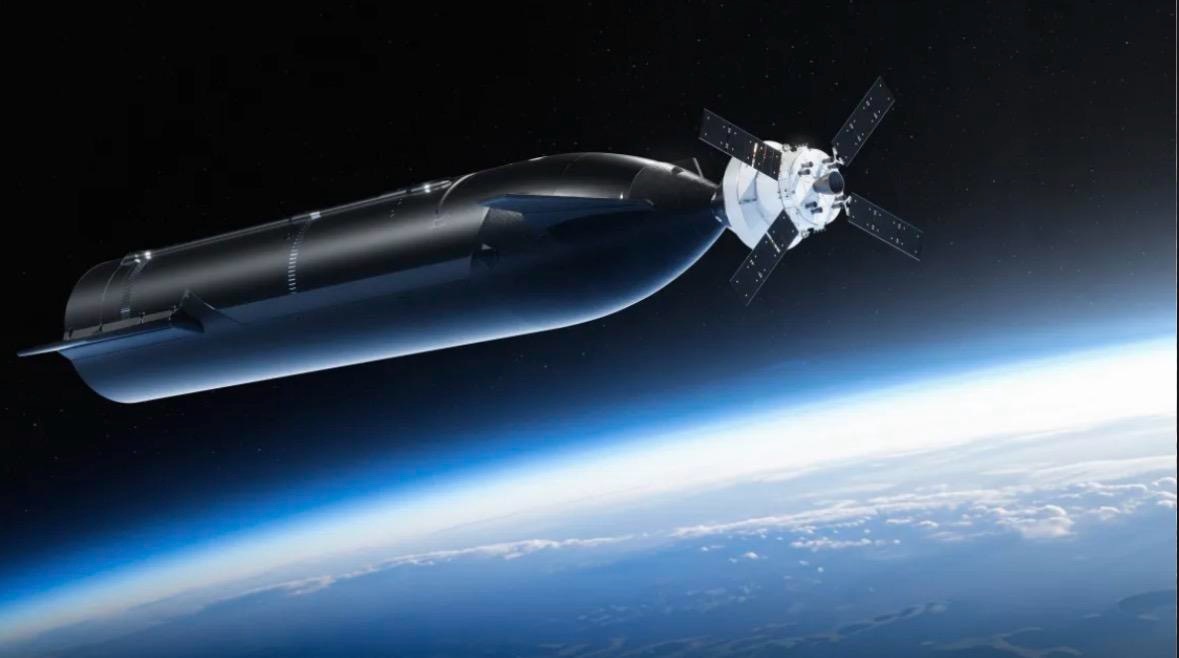
A new spaceport will bring 10 launch pads to Louisiana’s Gulf Coast and support thousands of Starship launches per year.
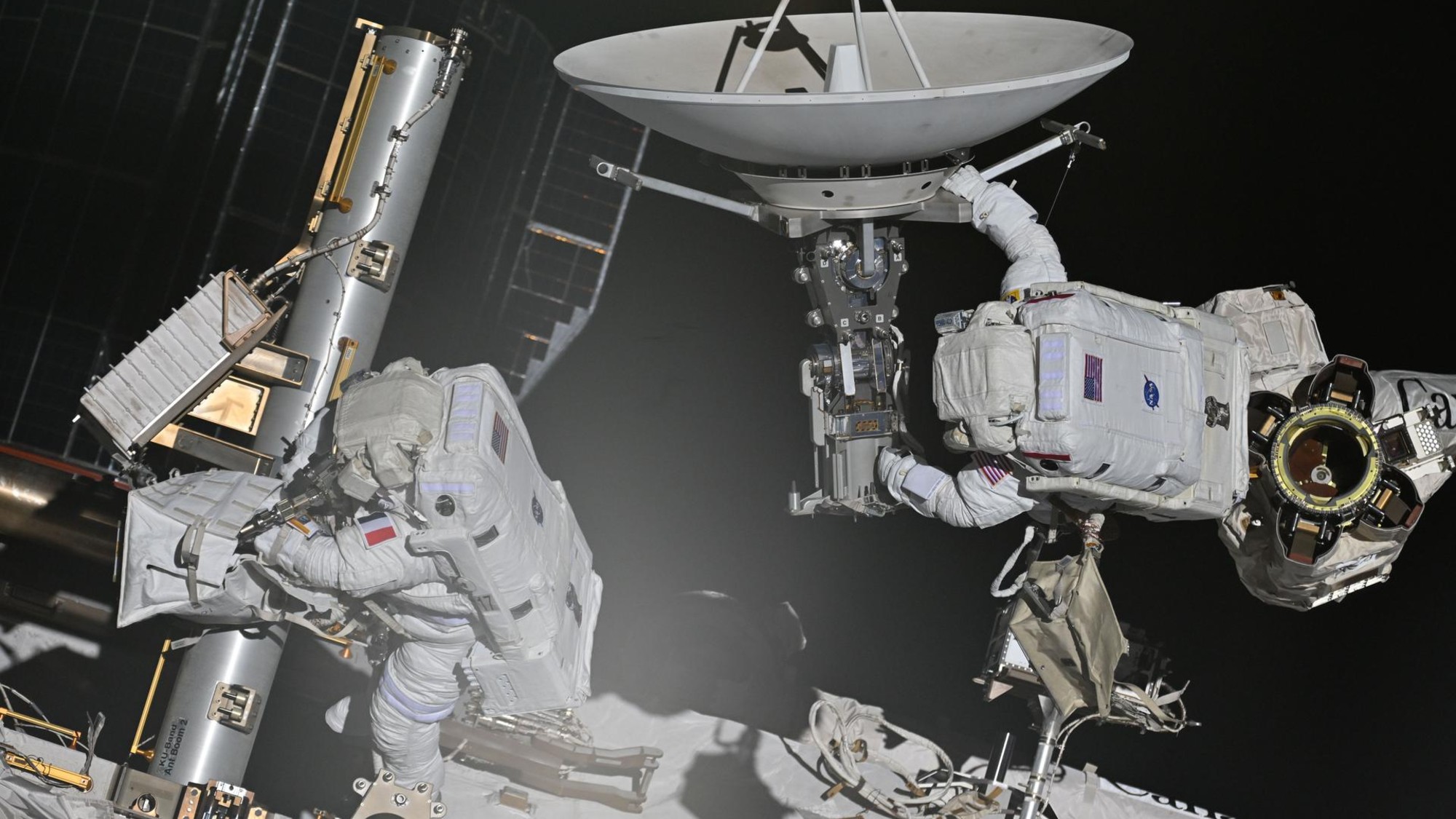
ESA astronaut Sophie Adenot and NASA astronaut Anil Menon complete a spacewalk on Aug. 18, 2026.

On Aug. 25, 1997, NASA launched the Advanced Composition Explorer, or ACE satellite to study energetic particles traveling through space, including solar wind and space weather. Here’s why it mattered.
Florida-based Lonestar Data Holdings has contracted Polish startup Ares Shield to provide protection for its off-Earth data centers, in a deal worth up to $6 million.
No GPS? No problem. A team of NASA satellites are extending their stay in space after successfully proving out navigation by other means.