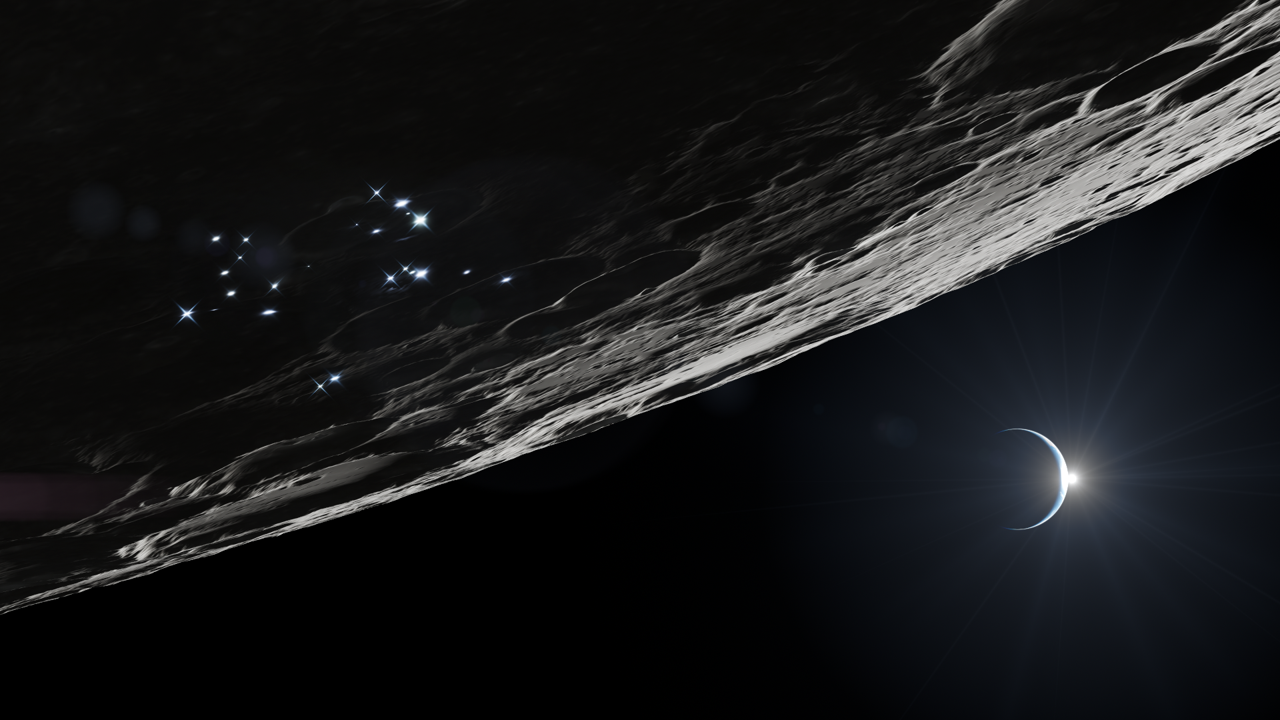
As an astronaut traverses the lunar South Pole, tribocharging from walking on the lunar surface and plasma charging from the ambient plasma generate electric charge on the spacesuit. This problem is severely compounded when entering lunar shadows and Permanently Shadowed Regions (PSRs). In these dark zones, the spacesuit can buildup a substantial negative potential due […]

The NASA ORBIT (Opportunities in Research, Business, Innovation, and Technology for the Workforce) Challenge invites university and community college students nationwide to work with real NASA intellectual property and mission challenges. Choose your path: develop commercial applications of NASA patents that solve problems here on Earth (ORBIT Earth), or design next-generation technologies for space exploration […]
The Orbital Clarity Challenge — the sixth in the NASA TechLeap Prize series — is a collaborative effort between NASA’s Heliophysics Division, Flight Opportunities program, and Center of Excellence for Collaborative Innovation. The Heliophysics Division studies space weather, including how it heats and expands Earth’s outer atmosphere during intense solar activity, creating orbital drag through atmospheric density changes. The […]
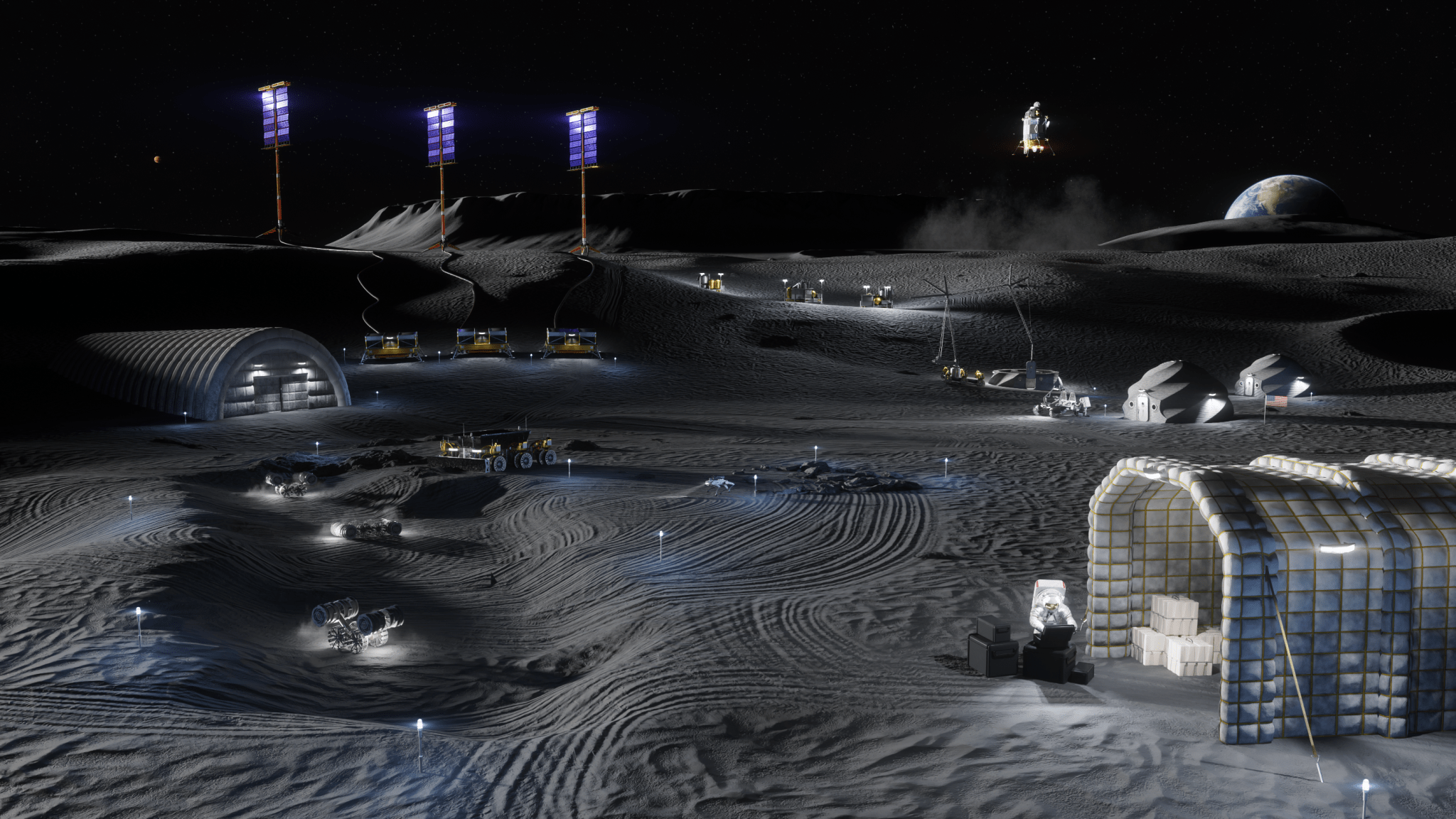
NASA is asking U.S.-based collegiate teams to submit bold, original concepts to the 2027 edition of a student challenge focused on aerospace innovation that could help the agency envision a future on the Moon shaped by new technology. The latest NASA Revolutionary Aerospace Systems Concepts – Academic Linkage (RASC-AL) competition invites student teams to explore new operations paradigms and advance the technologies needed to […]
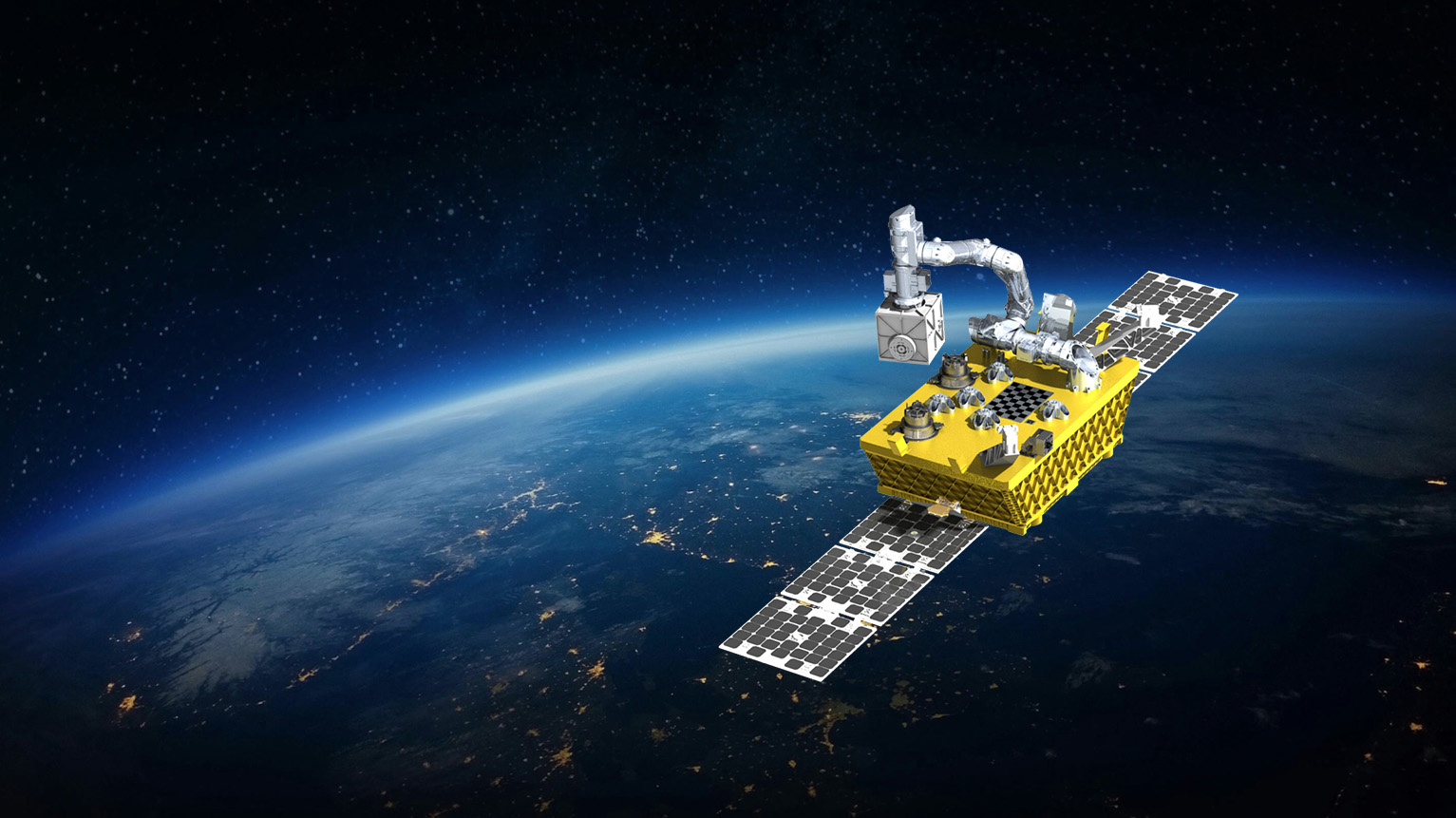
The Fly Foundational Robots (FFR) mission will launch a robotic arm, with seven degrees of freedom, to low Earth orbit. NASA is opening access to the robotic arm to a select group of U.S. researchers — principal investigators, post-doctoral researchers, professors, and highly qualified graduate students — who have a compelling experiment and the capability […]
The Robotically Manipulated Payload Challenge — the fifth in the NASA TechLeap Prize series — is a competition to advance persistent infrastructure for in-space servicing, assembly, and manufacturing. NASA Flight Opportunities invites applicants to propose a payload that can be manipulated by a robotic arm in low Earth orbit. Up to three winners will each receive up […]
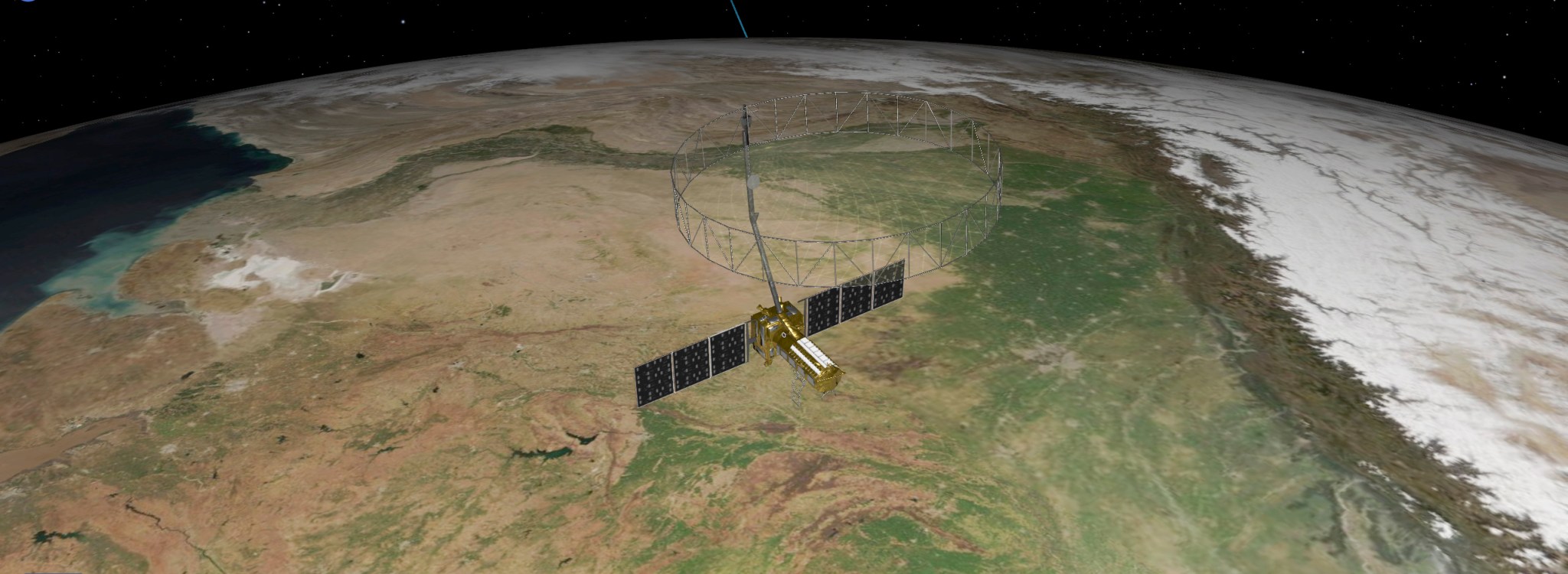
Rapid advances in commercial space, artificial intelligence, and edge computing are transforming what is possible for Earth observation. By pushing more intelligence onboard, missions can move from passively collecting data to actively interpreting and responding to changing surface conditions in near-real time, enabling more targeted observations and dramatically improving the value of data returned to […]

NASA has identified a list of 32 technology shortfalls and invites you to give input on your critical technology needs using this feedback mechanism. Whether you’re part of the space technology community or an interested member of the public, your input is invaluable. By registering and providing your feedback, you could help inform of national space technology priorities. […]