
Twin Travelers In 1977, NASA launched twin spacecraft Voyager 1 and 2, taking advantage of a once-every-175-year planetary alignment of the four largest planets in our solar system: Jupiter, Saturn, Uranus, and Neptune. Using six gravity assists between them, this Grand Tour gave us up-close views of the gas and ice giants, including several moons. […]

The Ghoul Located within the constellation Perseus lies a star called Algol, also known as ‘Demon Star’ or ‘The Ghoul’. You can spot this star during the autumn months, along with Cassiopeia and Andromeda in the northeastern sky, beginning after 9 PM. In Greek mythology, this star represents the ‘blinking eye’ of the gorgon Medusa. […]

Depending on your locale, equinoxes can be seen as harbingers of longer nights and gloomy weather, or promising beacons of nicer temperatures and more sunlight. Observing and predicting equinoxes is one of the earliest skills in humanity’s astronomical toolkit. Many ancient observatories around the world observed equinoxes along with the more pronounced solstices. These days, […]

Bird constellations abound in the night sky, including Cygnus, the majestic swan. Easy to find with its dazzling stars, it is one of the few constellations that look like its namesake, and it is full of treasures. Visible in the Northern Hemisphere all summer long, there’s so much to see and even some things that […]
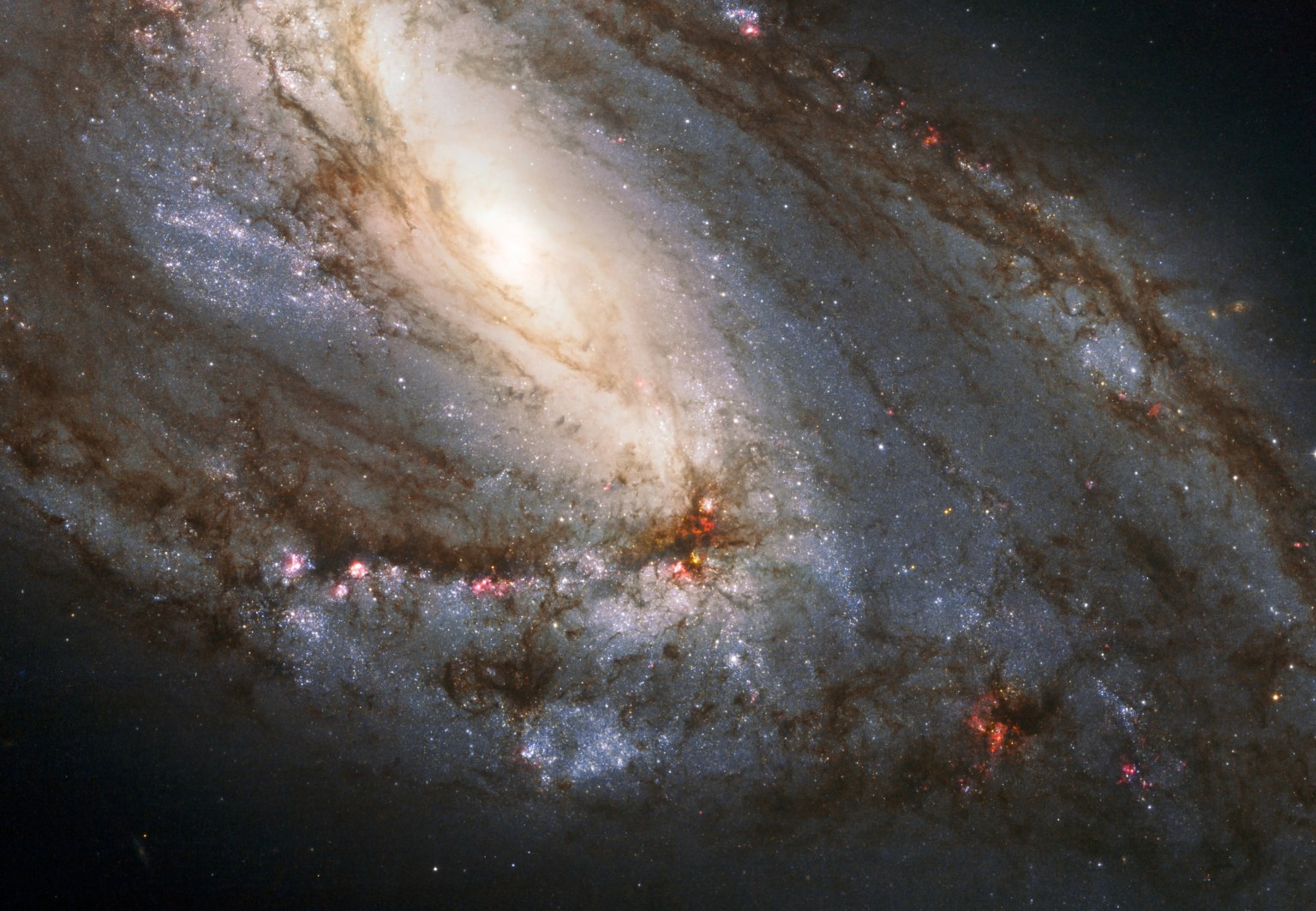
Leo is a prominent sight for stargazers in April. Its famous sickle, punctuated by the bright star Regulus, draws many a beginning stargazer’s eyes, inviting deeper looks into some of Leo’s celestial delights, including a great double star and a famous galactic trio. Leo’s distinctive forward sickle, or “reverse question mark,” is easy to spot […]
Today, the crew of Artemis II reaches a milestone, traveling farther than any humans in recorded history, as they orbit the far side of the Moon, roughly 4,000 miles above the lunar surface. You can watch this historic broadcast on NASA’s YouTube channel today, April 6, 2026, at 10 AM Pacific (1 PM Eastern), or on NASA+. […]
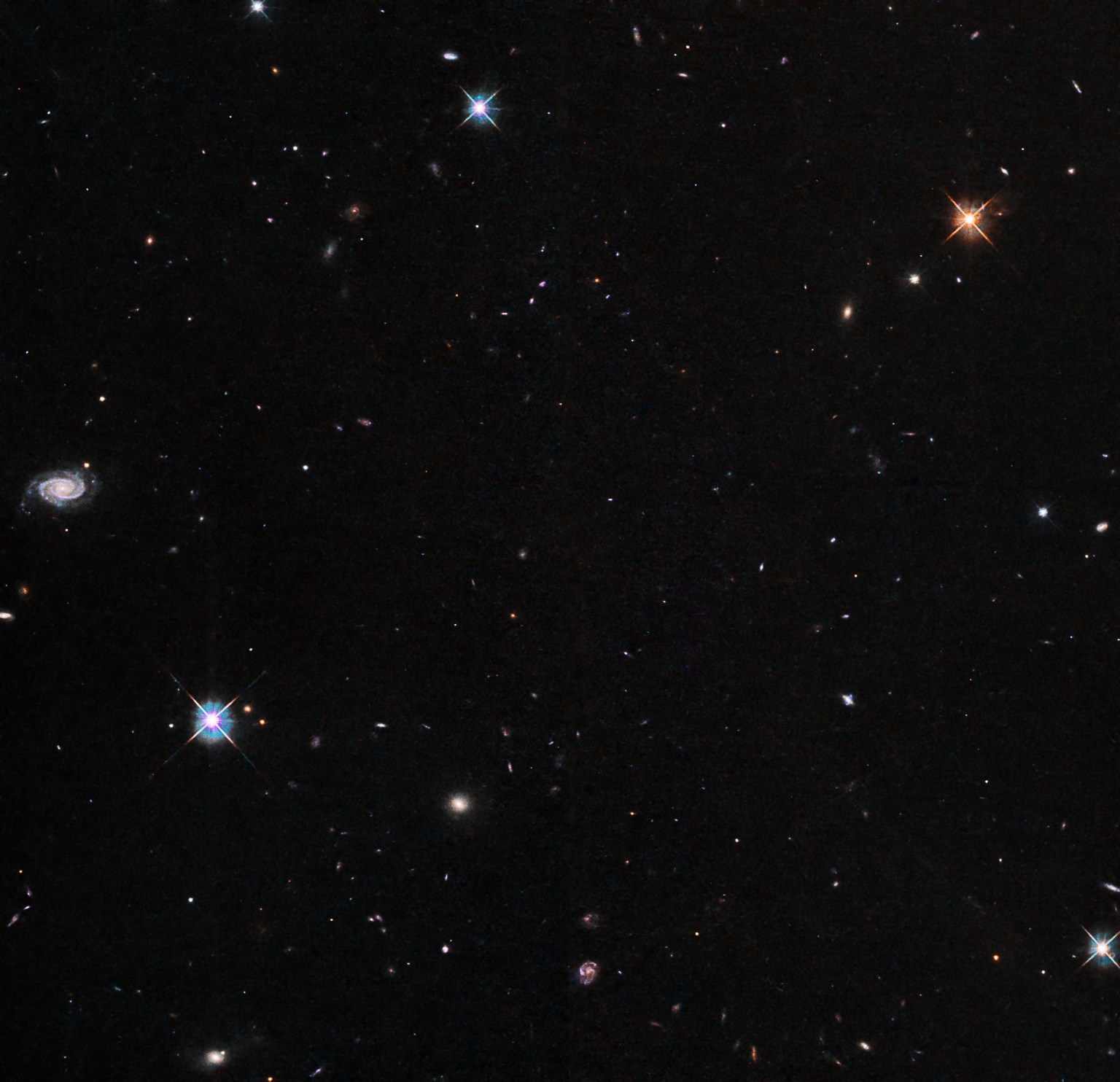
Cancer the Crab is a dim constellation, yet it contains one of the most beautiful and easy-to-spot star clusters in our sky: the Beehive Cluster. Cancer also possesses one of the most studied exoplanets: the superhot super-Earth, 55 Cancri e. Find Cancer’s dim stars by looking in between the brighter neighboring constellations of Gemini and […]