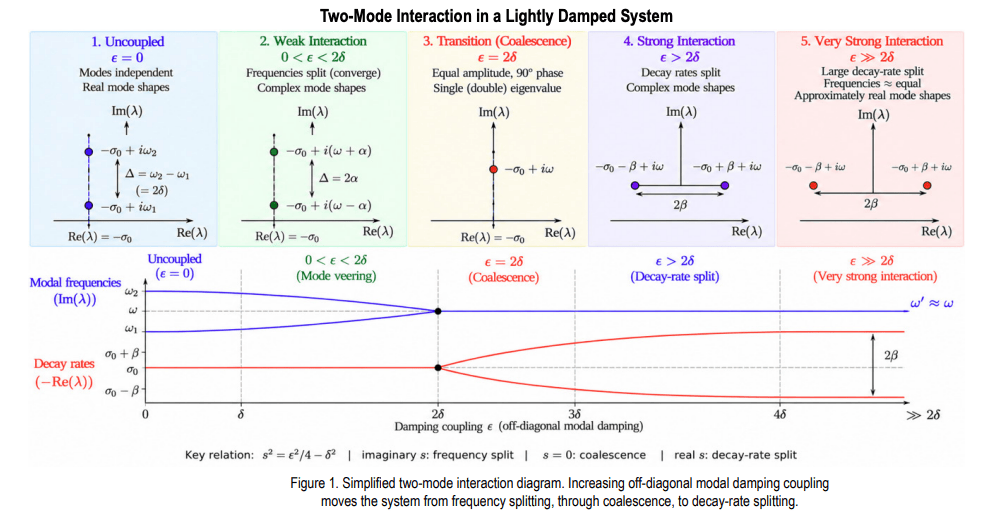
For more information, contact Joel W. Sills, Langley Research Center, joel.w.sills@nasa.gov Download the PDF version Complex mode shapes can emerge in a linear structure even when overall damping is low. This behavior can occur when two structural modes are closely spaced in frequency and are coupled through nonproportional damping. As the damping interaction increases, the […]
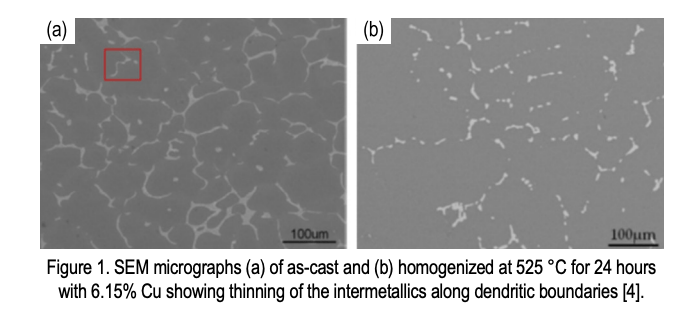
For more information, contact Donald S. Parker, Kennedy Space Center, donald.s.parker@nasa.gov Download the PDF version Improper casting and forging processes in the manufacture of aluminum alloy 2219 can lead to microstructural defects that result in a sub-optimal response to anodic surface treatments and an increase in corrosion susceptibility. This Technical Bulletin communicates the risks of […]
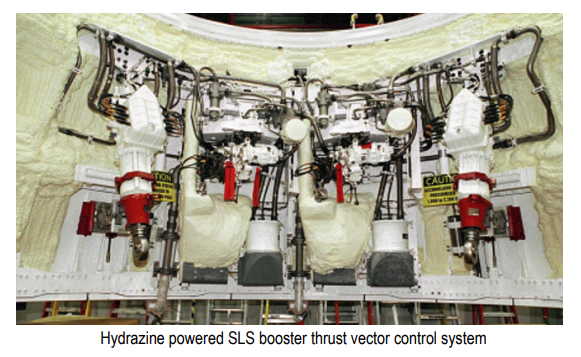
For more information, contact Jonathan E. Jones, Langley Research Center, jonathan.e.jones@nasa.gov Download the PDF version The purpose of this Technical Bulletin is to communicate the risks associated with freeze–thaw cycles in hydrazine monopropellant systems and to provide general recommendations for mitigating damage, operational hazards, and loss of system reliability in propulsion and auxiliary hydrazine systems. […]
For more information, contact Mark K. Leader, Glenn Research Center, mark.leader@nasa.gov Download the PDF version NASA’s Chemical Equilibrium with Applications (CEA) code is a foundational tool for propulsion system analysis. It provides equilibrium chemistry, rocket performance, shock, and detonation calculations used across NASA and the broader aerospace community. NASA Engineering and Safety Center (NESC) Activity […]
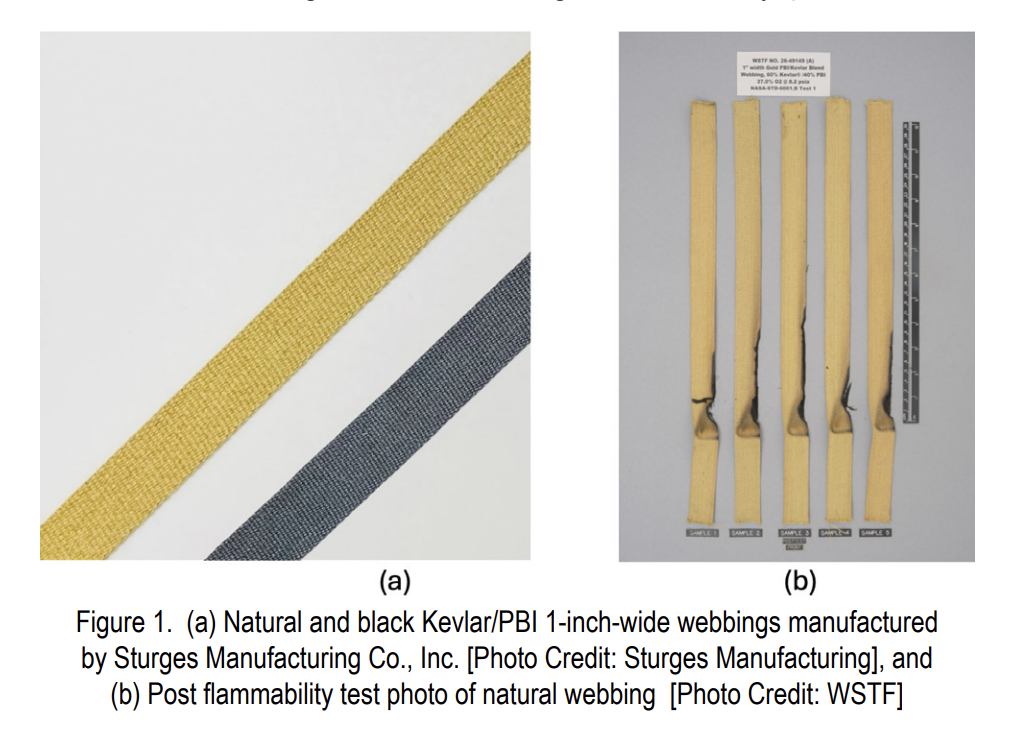
Flammability test results for commercial-off-the-shelf webbings that meet NASA flammability requirements are reported for use in elevated oxygen environments anticipated for future lunar and Martian missions. Testing demonstrated that a webbing composed of 60% Kevlar®/40% polybenzimidazole (PBI) from Sturges Manufacturing Company, Inc., specifically the natural version, passed flammability testing per NASA-STD-6001B Test 1 using a […]
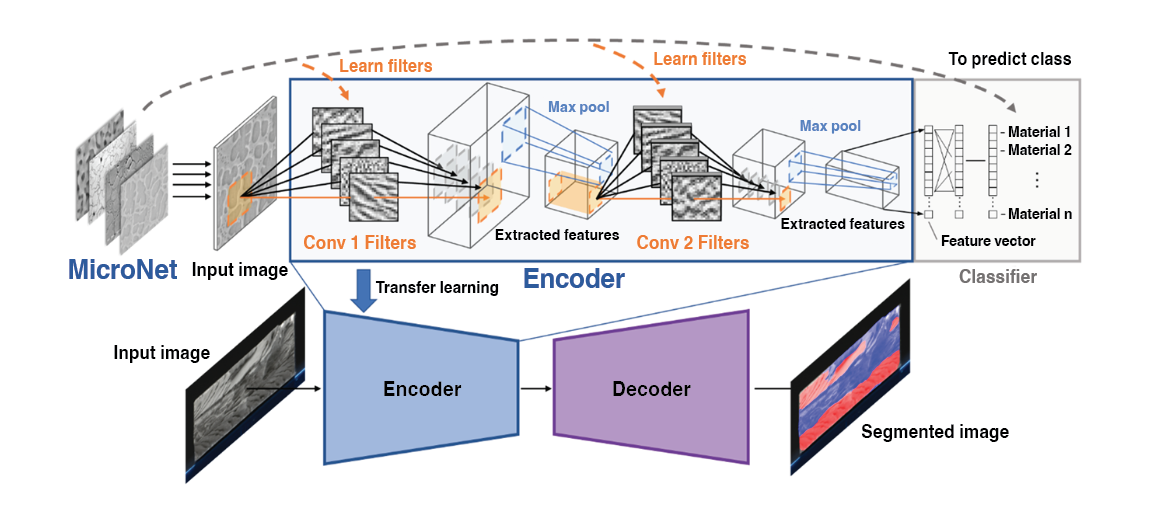
Download PDF: A Combination of Techniques Leads to Improved Friction Stir Welding The NESC developed several innovative tools and techniques during an assessment to find the root cause of poor tensile strength and low topography anomalies (LTA) in welds formed using a solid-state welding process called self-reacting friction stir welding (SRFSW). Using a combination of […]
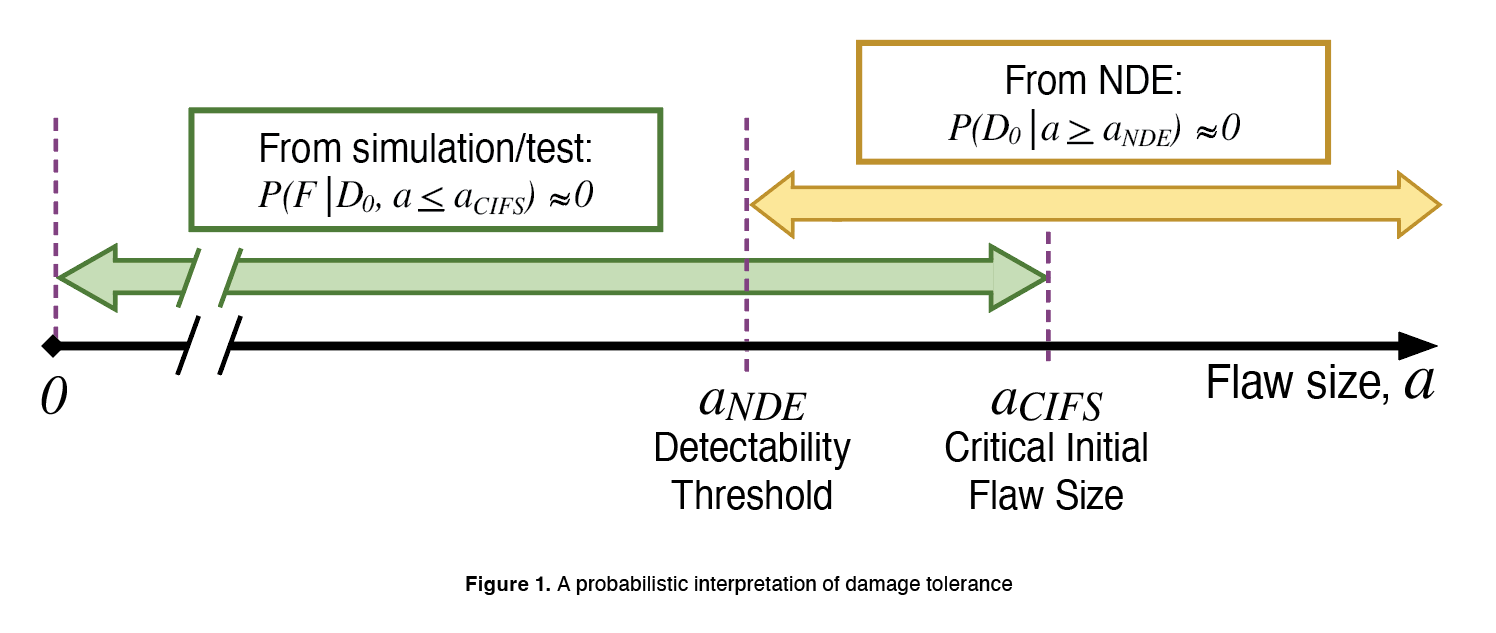
Download PDF: NESC Develops Method for Estimating Risk When Reducing NDE Performing nondestructive evaluation (NDE) can have both cost and schedule impacts, leading some to question whether descoping (i.e., reducing or eliminating) NDE inspections on certain spaceflight hardware could be possible. However, this approach would be counter to NASA’s Technical Standard NASA-STD-5019A, which outlines the spaceflight […]
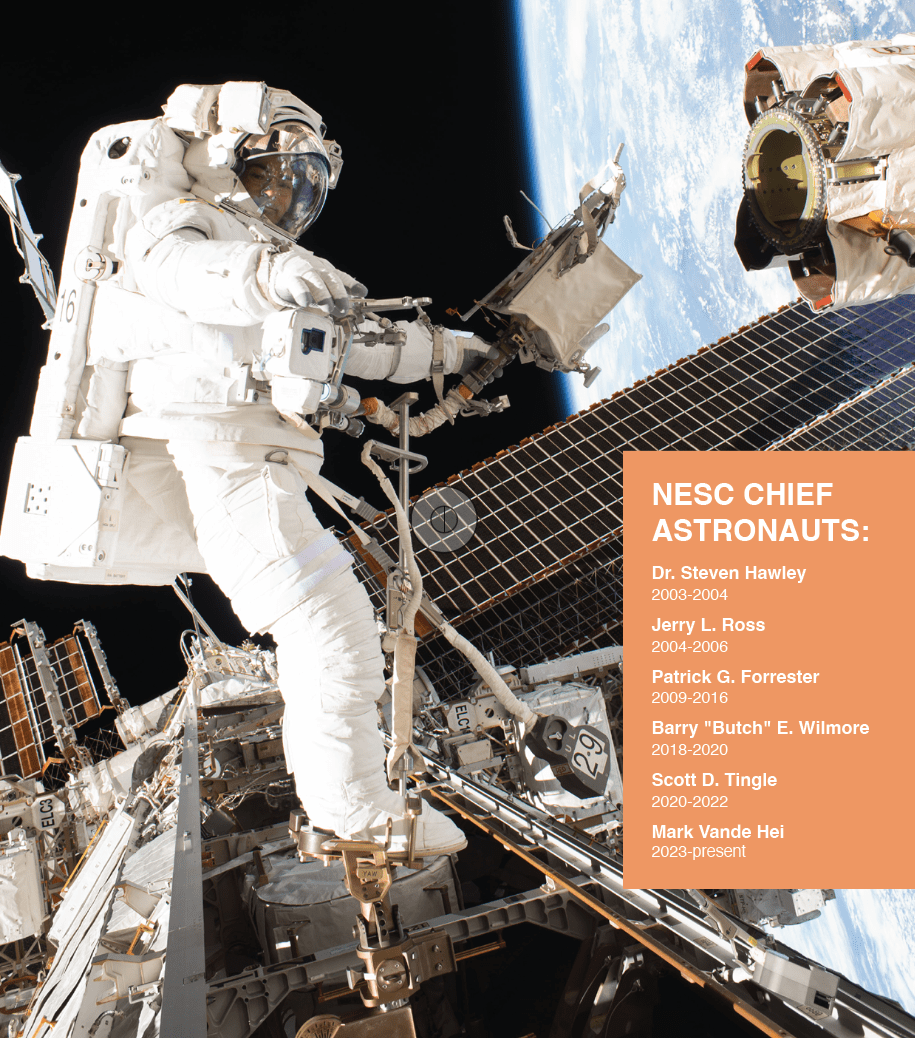
This article is from the 2025 Technical Update. The exact date when the crew of Space Shuttle Columbia was lost is readily recalled by Patrick Forrester, as it likely would be for any NASA employee in service that Saturday morning when the Shuttle broke up during reentry. Forrester had flown to ISS for the first […]
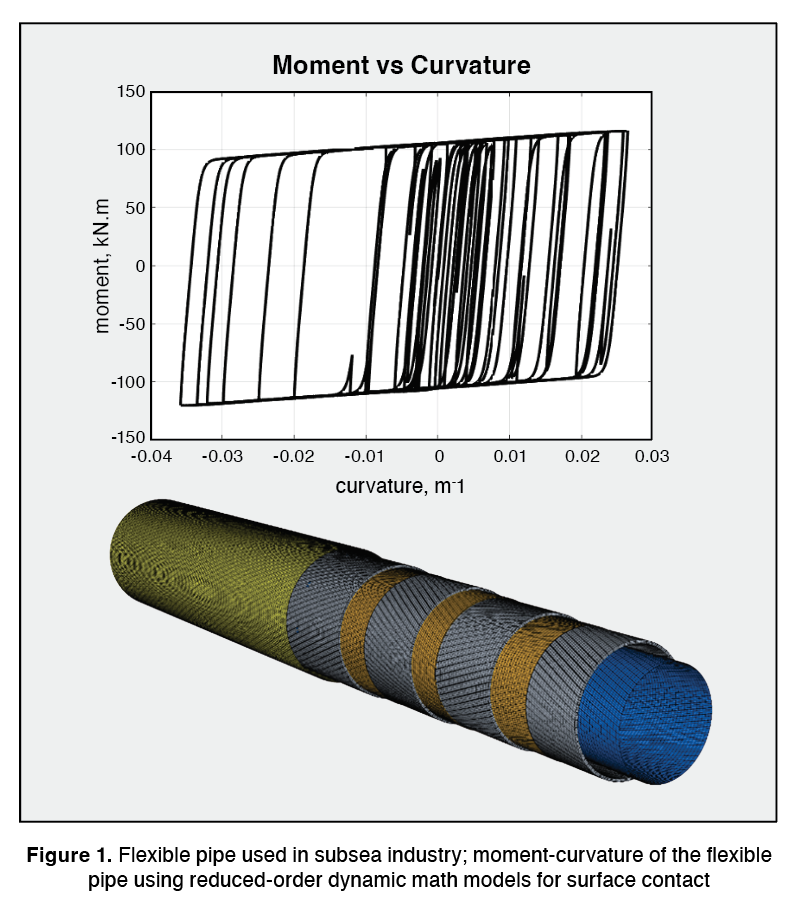
Download PDF: Efficient Large Displacement/Large Rotation Dynamic Simulations Using Nonlinear Dynamic Substructures Utilizing reduced-order dynamic math models (DMM) in linear system-level dynamic analyses is a well-known practice that enables extreme computational efficiencies. But what about nonlinear system dynamics? Reduced-order DMMs have found their way into contact dynamics. The engineer must look no further than the […]
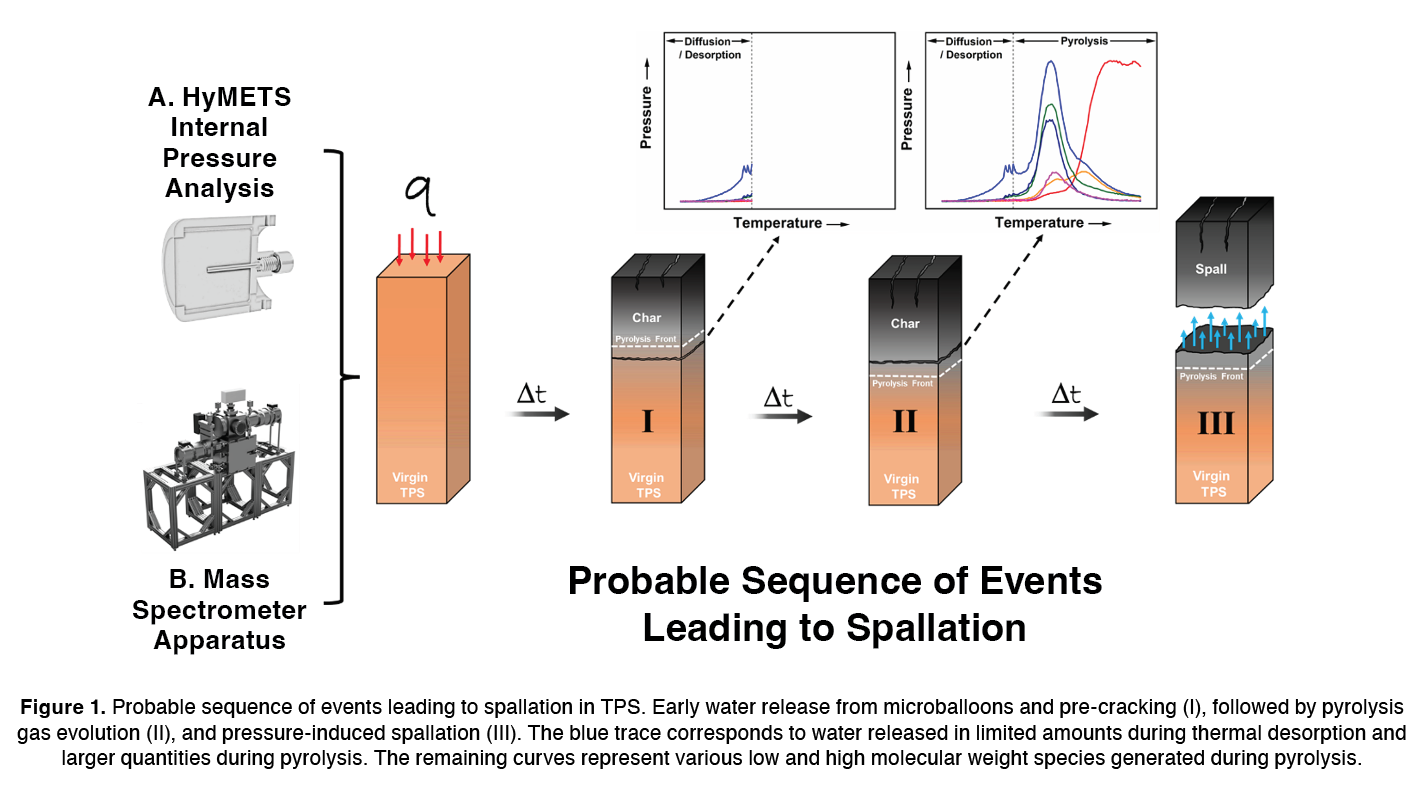
Download PDF: Insights into Spallation Mechanisms of Thermal Protection System Materials from Mass Spectrometry and HyMETS Testing An effort was undertaken to investigate the mechanisms responsible for internal pressure build up within thermal protection system (TPS) materials subjected to high-enthalpy environments. Understanding how gases evolve, migrate, and interact with the microstructure of a TPS is essential for […]