
A dune field on Mars, as seen by the Mars Reconnaissance Orbiter.
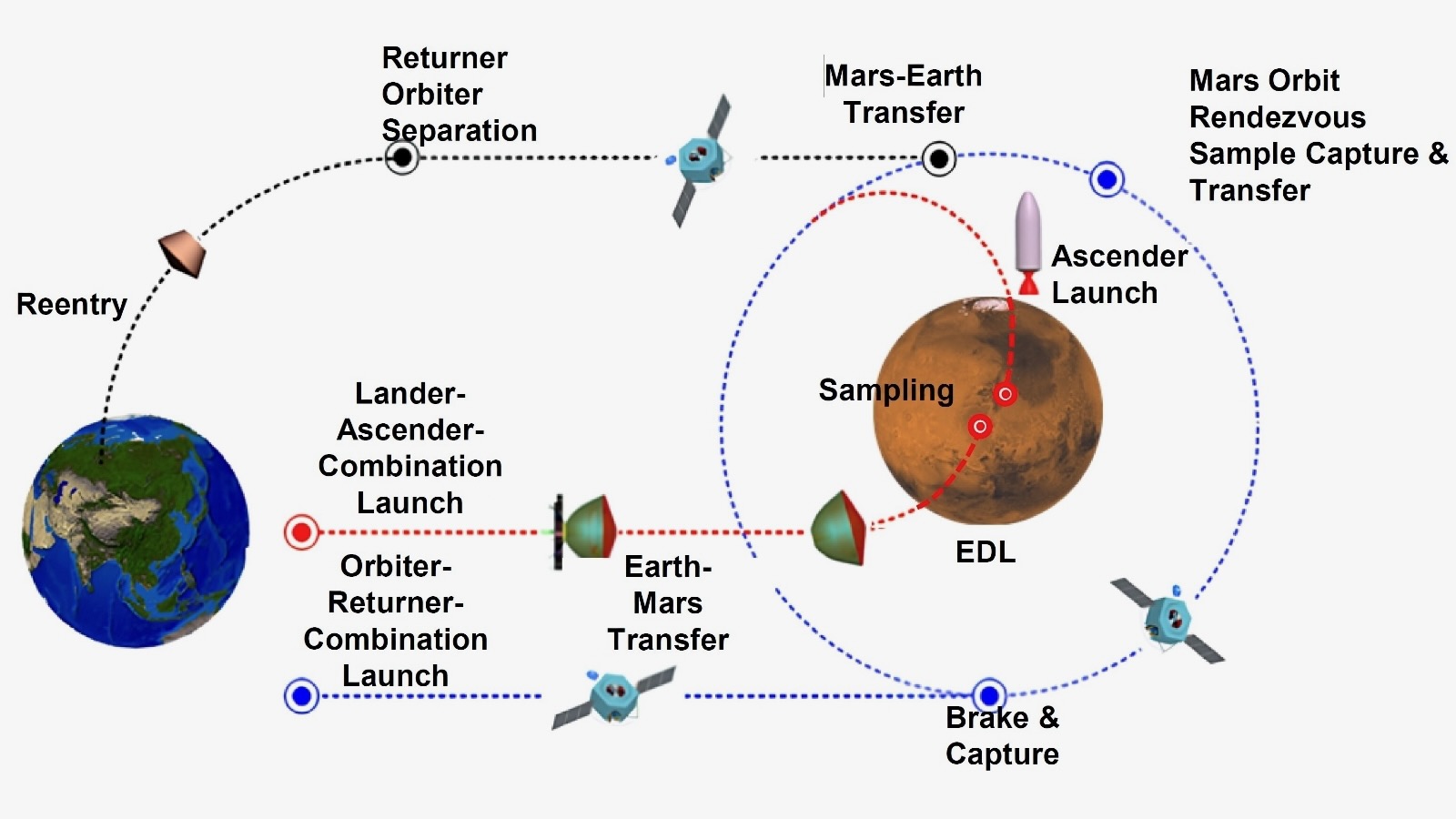
China is making progress on its Tianwen 3 Mars sample-return mission, which aims to launch in 2028 and return a collection of Red Planet dirt and rock to Earth in 2031.

NASA awarded Blue Origin a contract Tuesday to develop the agency’s Mars Telecommunications Network, a next-generation communications system that will enable reliable, high-bandwidth communications and navigation services for current and future Mars missions. The firm-fixed-price contract has a maximum potential value of approximately $700 million to deliver a high-performance Mars telecommunications orbiter to NASA no […]
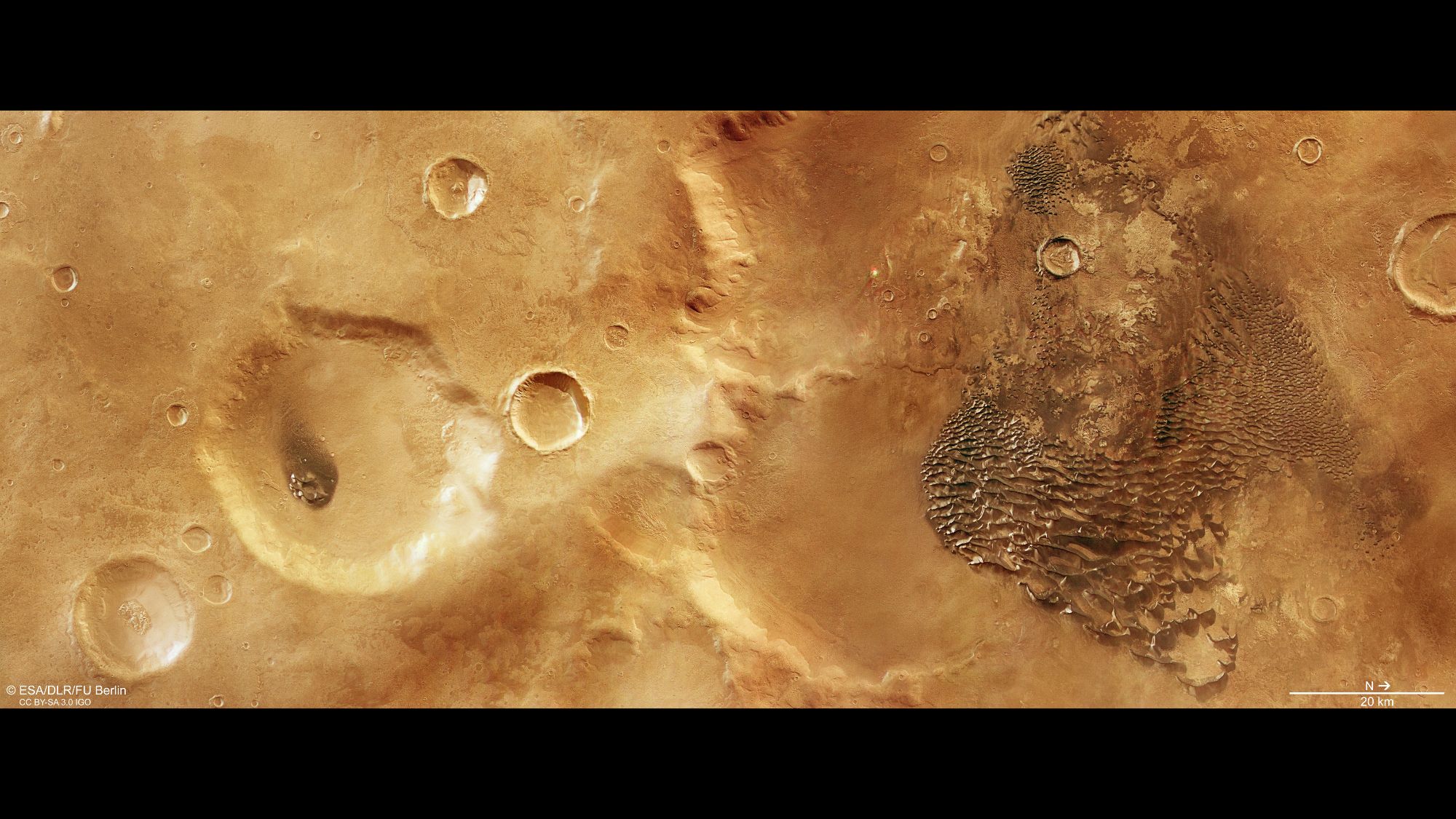
New research into the interior of Mars further emphasizes that the Red Planet is a world of two very different halves.

One day in 1982, Joseph “Rod” Canion and two colleagues from Texas Instruments sat down at the House of Pies in Houston and used a napkin to sketch out what would become Compaq’s portable PC. In 1996, Felix Zandman, founder of Vishay Intertechnology, …
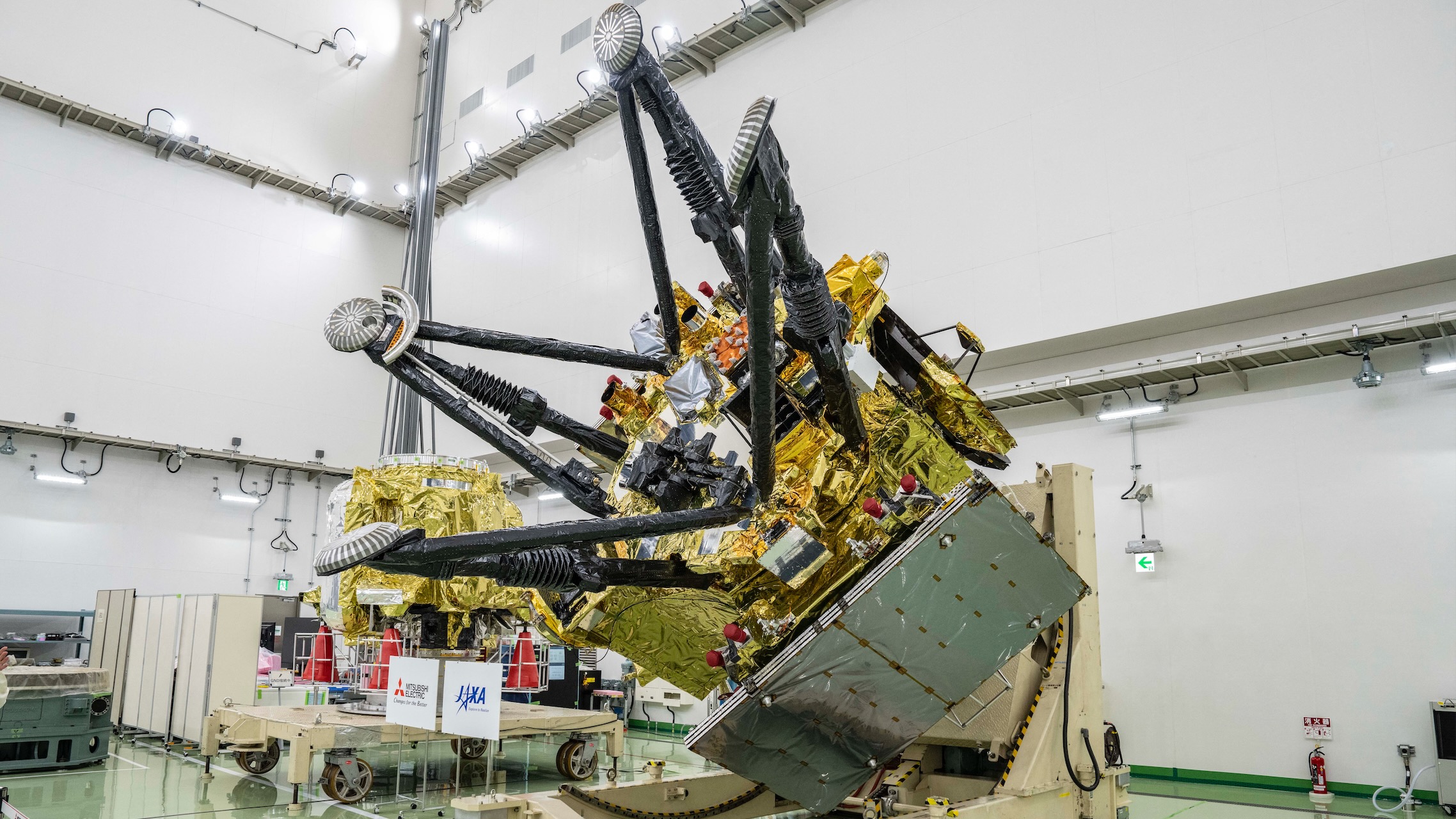
Japan recently gave the world a look at the spacecraft of its MMX mission, which will launch on Oct. 19 to grab pieces of the Mars moon Phobos and haul them back to Earth.
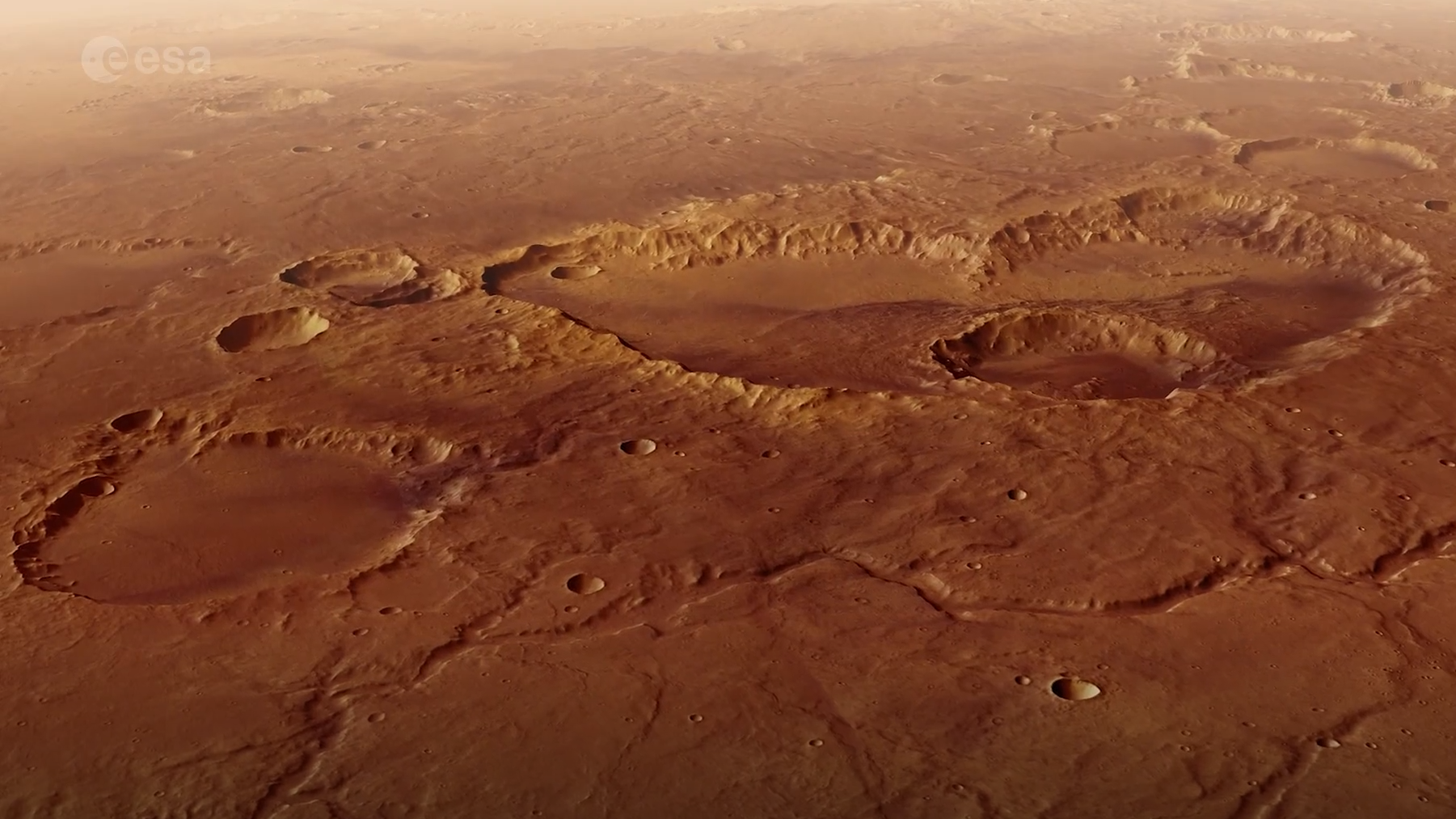
Europe’s Mars Express orbiter has captured stunning telemetry to create a new flyover visualization of the Red Planet’s Southern Highlands and Schiaparelli Crater in magnificent detail.


On this day in space, Aug. 17, 1877: American astronomer Asaph Hall discovered Mars’s moon Phobos.
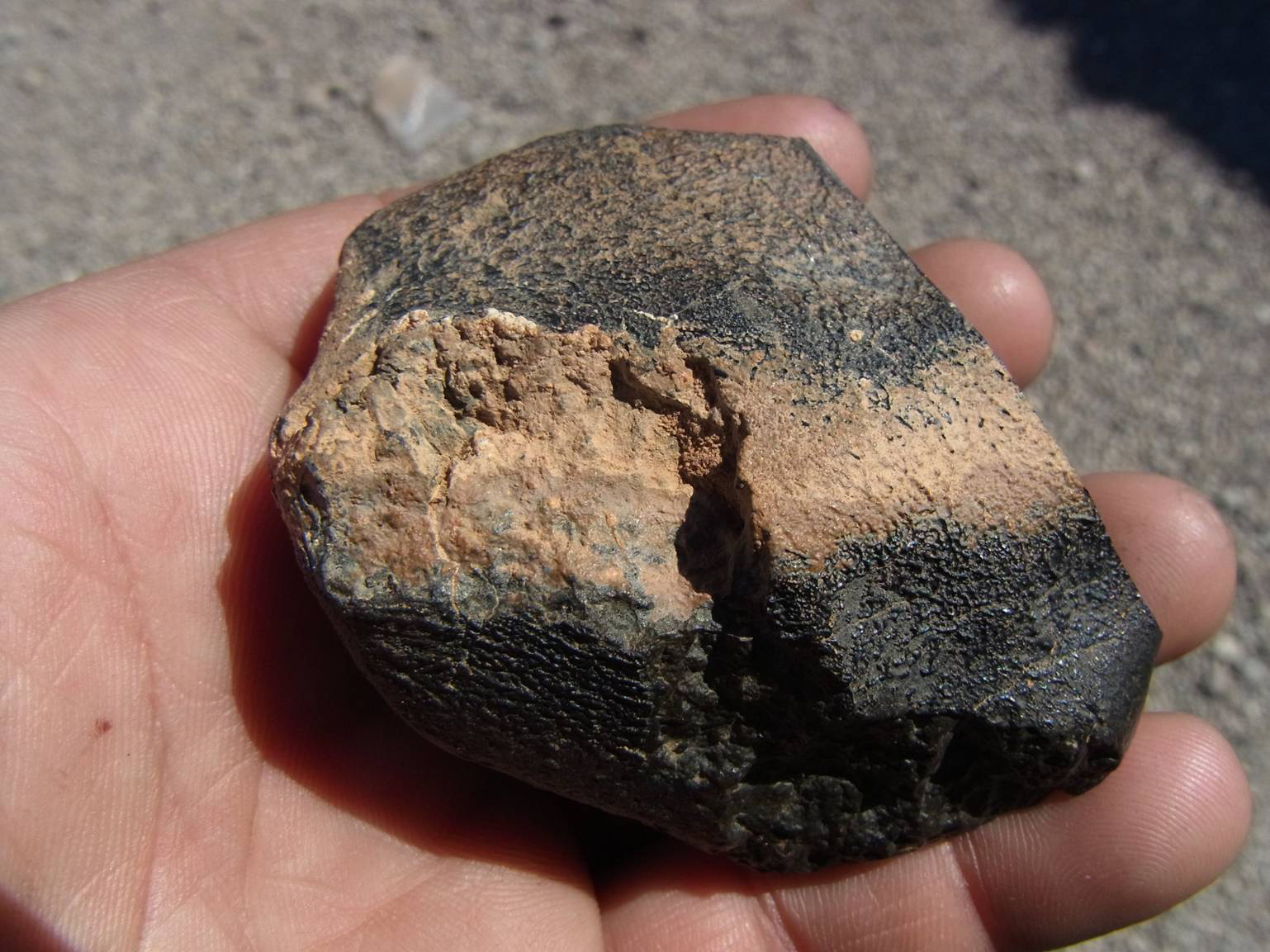
Scientists found a Martian meteorite on Earth that is finally filling in a nearly 2-billion-year-old geology-history gap on the Red Planet.