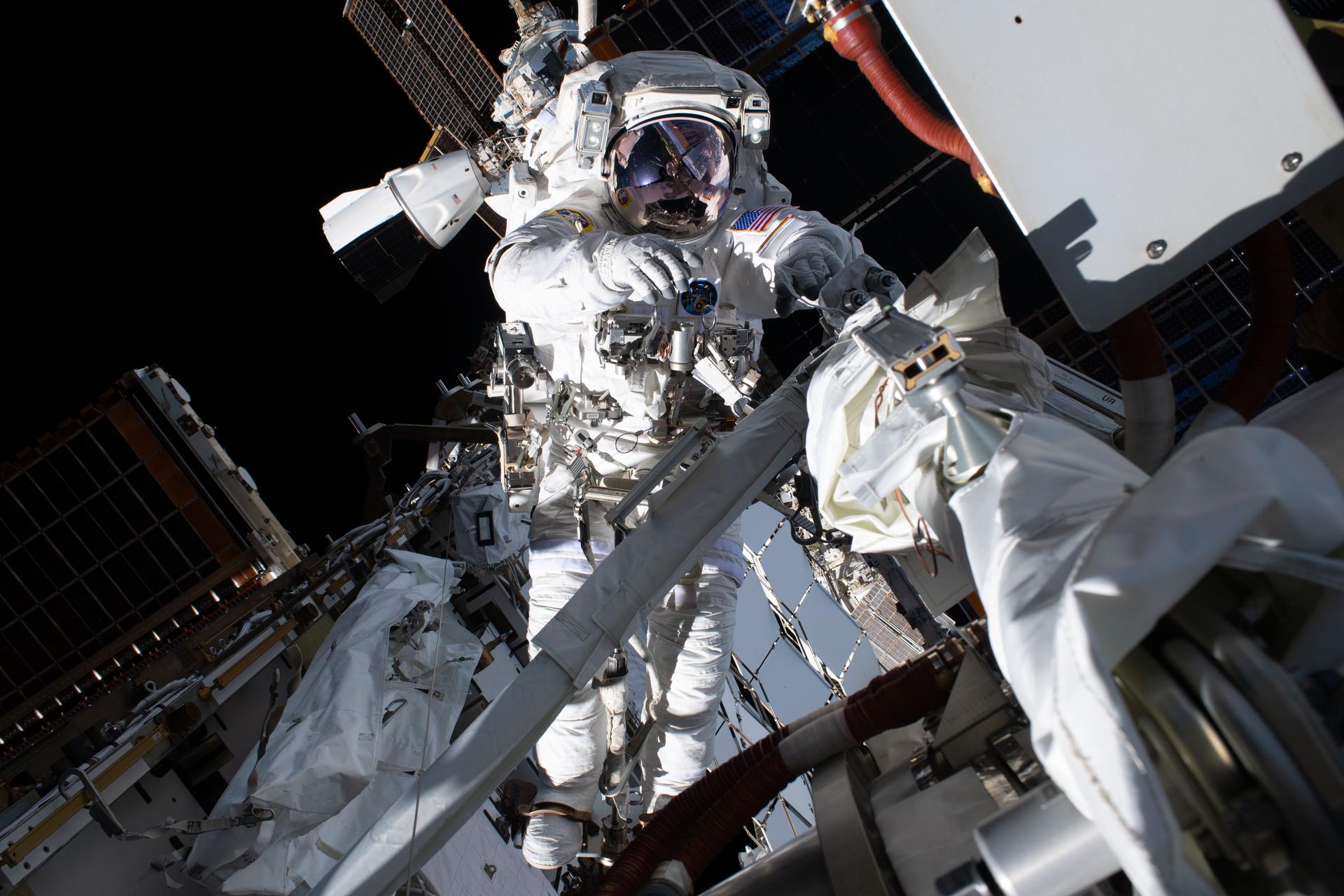
NASA will preview two upcoming spacewalks to complete solar array installation and power augmentation of the International Space Station during a news conference at 2 p.m. EDT, Tuesday, Oct. 20, from NASA’s Johnson Space Center in Houston. NASA will stream the event through a variety of platforms. Learn where to watch online: https://www.nasa.gov/live NASA participants […]
NASA is advancing American leadership in space by taking the next step toward a future where commercial space stations lead the way in low Earth orbit. On Friday, the agency released its final Request for Proposals inviting industry to submit plans for the next generation of commercial space stations. “In alignment with the President’s National […]
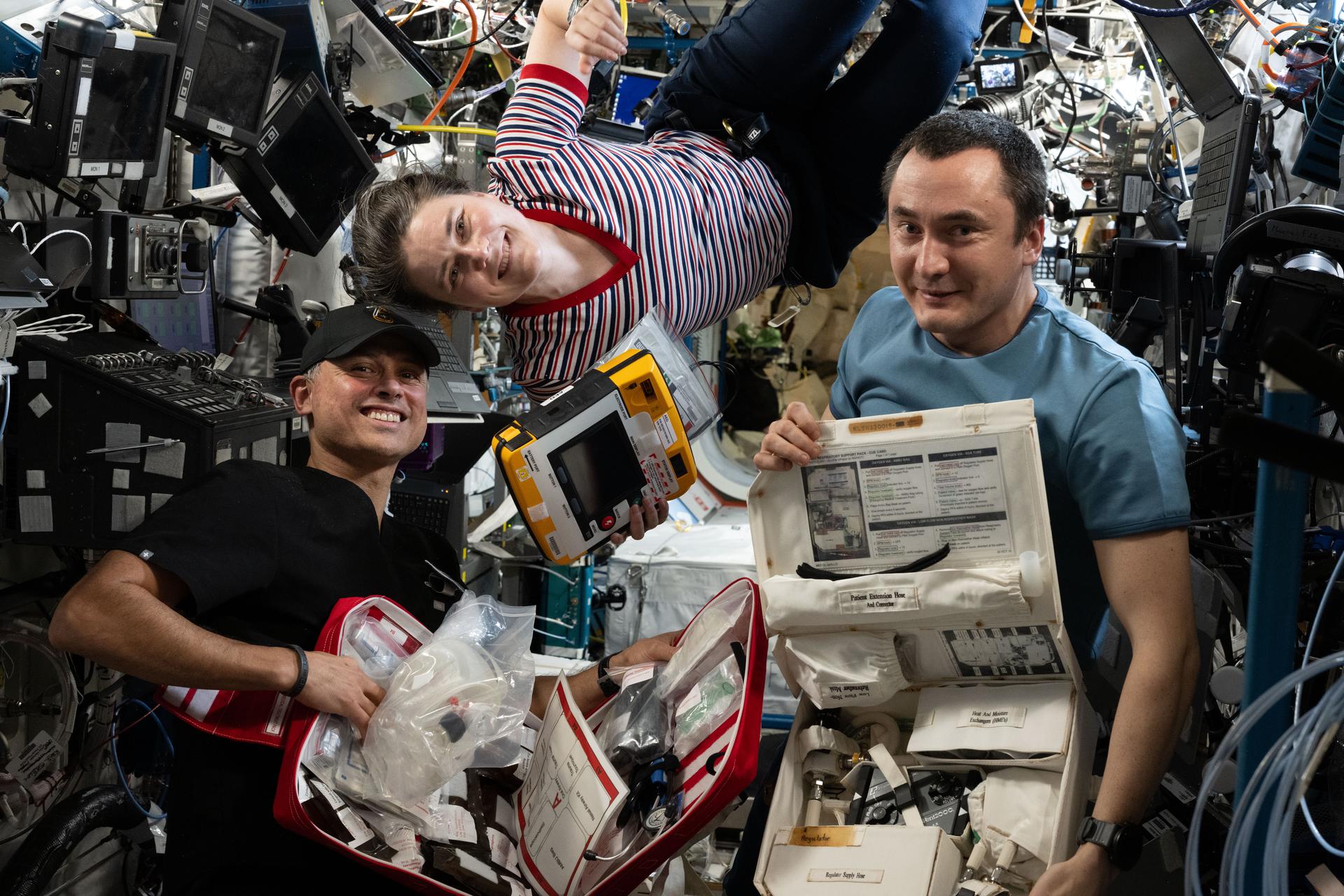
Planning crewed missions to the Moon and Mars involves preparing for the medical realities of long-duration space travel. Factors like cosmic radiation, microgravity, and distance from Earth create unique health considerations for astronauts. To anticipate these needs ahead of time, NASA developed the Integrated Medical Model (IMM). The IMM is a decision-support tool that uses […]

Lee esta historia en español aquí. Some of Earth’s microbes likely to hitch a ride to space with human explorers could survive in the shaded nooks and crannies of the Moon’s South Pole region, NASA scientists say. Published on Aug. 19, 2026, in Science Advances, these findings highlight a need to better understand microbial persistence […]
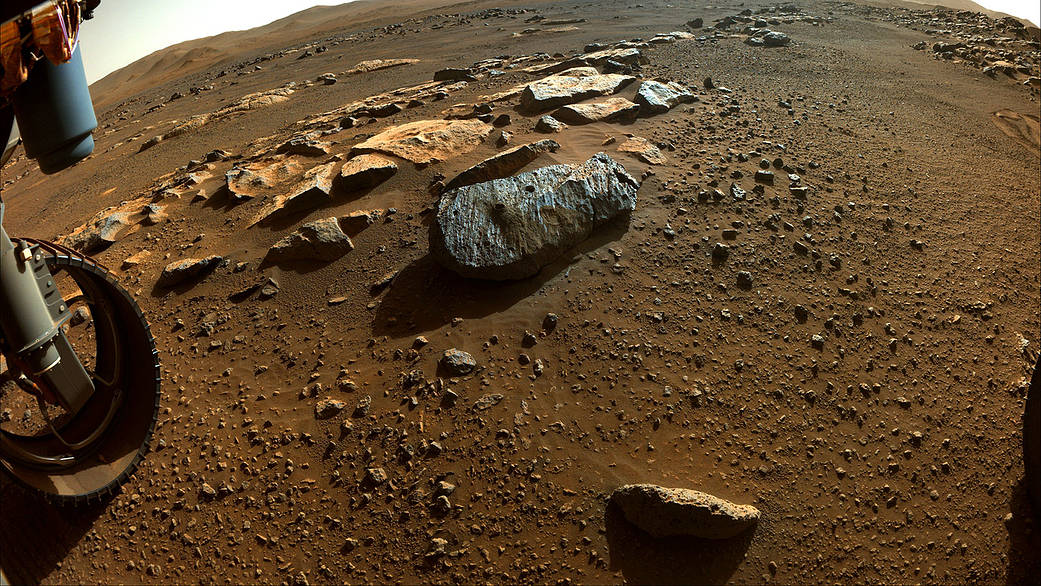
Background Human exploration of Mars will expose crews to a persistent, fine particulate environment whose physicochemical properties and health implications remain only partly understood. Because no samples of authentic Martian airborne dust have been returned to Earth, NASA must rely on lunar dust toxicology, Martian regolith simulants, and extensive rover/lander geochemical and mineralogical datasets to […]