
Stewart Island/Rakiura, New Zealand’s third-largest island, is known for its vibrant birdlife, unique forests, wilderness beaches, and views of the night sky.

Seaweed composing the Great Atlantic Sargassum Belt hit near-record levels in June 2026, with the Caribbean Sea and Gulf of America both reaching all-time highs.

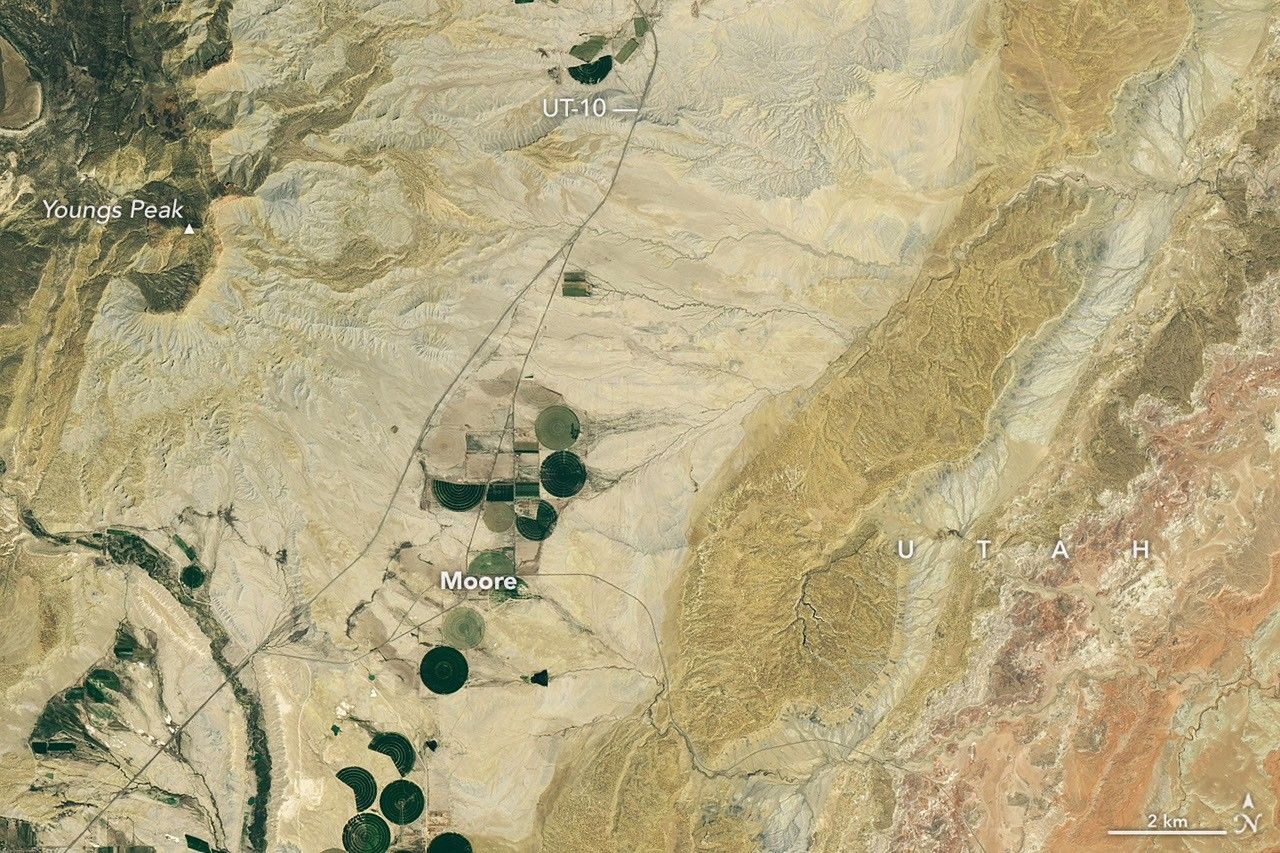
Utah’s new solar power and battery storage facility is among the largest in the region.

Snow-capped mountains carved by deep river valleys preside over northwestern Washington state.

Brown carbon, emitted by wildland fires and tracked over the span of a week in July 2026, worsened air quality in parts of the U.S. and Canada.

Differences in the underlying bedrock and how rivers distribute sediment make the coastlines west of Portland look unlike those northeast of the city.

The hills and basins of Seattle, Washington, have been sculpted by glaciers and modified by humans.

The expansive mudflats, sandy beaches, and mangrove forests of the Bijagós archipelago support an array of migratory shorebirds and large numbers of sea turtles.

Canadian wildfires sent plumes of smoke streaming over Ontario, Quebec, and parts of the U.S. Midwest and Northeast.