Windscribe has told users its logging and privacy policies will not change under Canada’s Bill C-22, as the surveillance bill heads to the Senate this autumn.
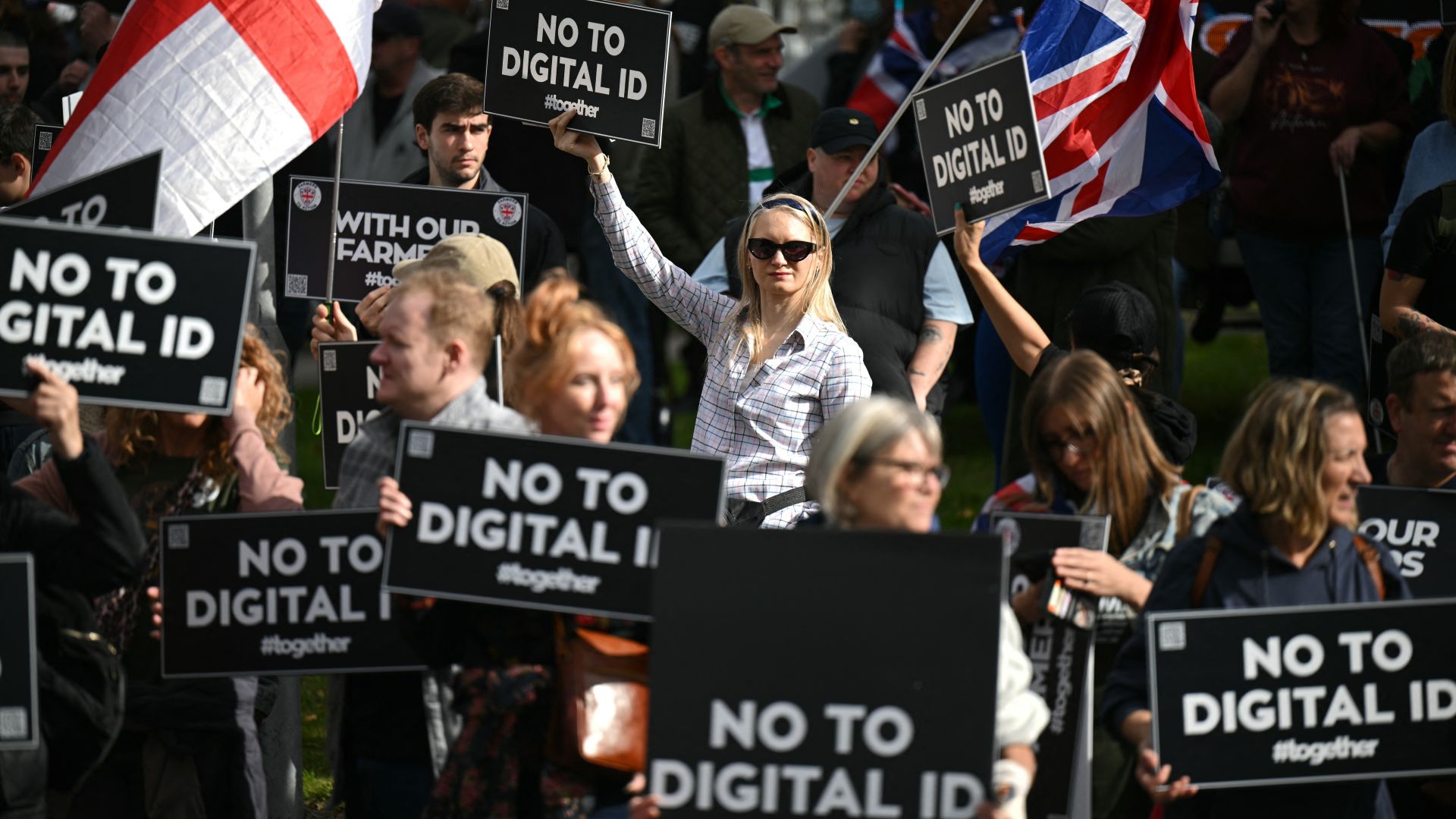
The new UK Prime Minister promises a new future for Britain, and the digital rights community sees it as a chance to rewrite Starmer’s divisive digital policing legacy. But will Burnham seize the opportunity to really “do better” for digital privacy?
NordVPN’s experimental hub, NordLabs, has launched NordBot, a free-to-use AI agent that acts as your personal scam checker for suspicious links, messages, and images on platforms like WhatsApp and Instagram.
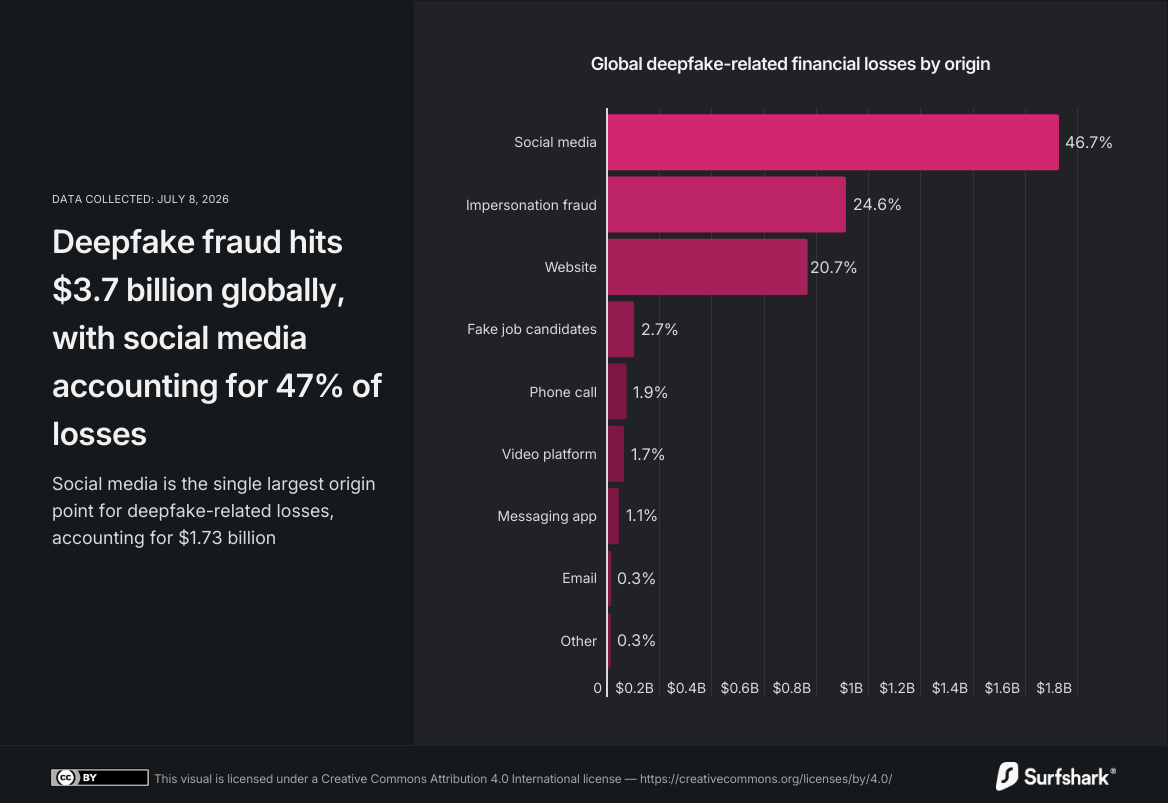
From fake celebrity endorsements to phone calls, video meetings, and messaging apps, new Surfshark research finds people have lost at least $3.7 billion to deepfake fraud — and social media is the single biggest origin point. Here’s how to stay safe.
Are VPNs to blame for copyright infringement? The EU’s highest court just weighed in on a complex dispute over Anne Frank’s diary, officially recognizing VPNs as “lawful technical tools” and protecting publishers who use effective geo-blocking. Here’s what you need to know.
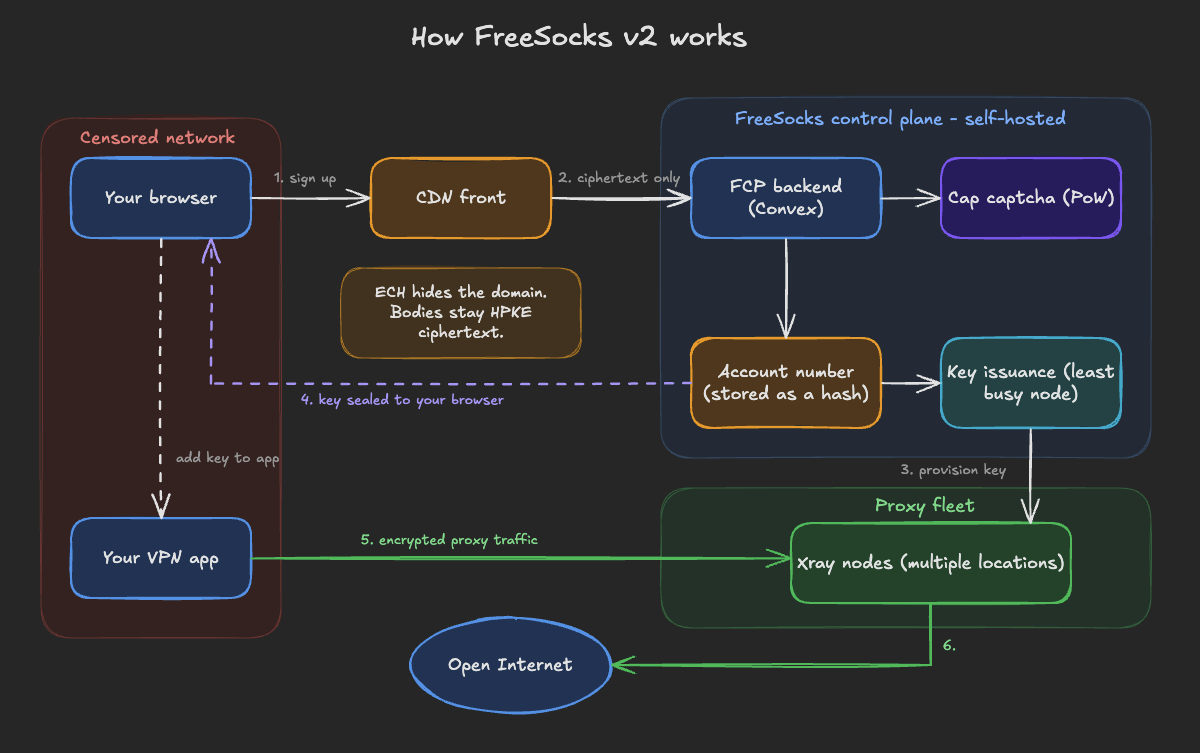
Unredacted’s FreeSocks v2 is here with upgraded stealth protocols, zero IP logging, and full server ownership. Discover how this free VPN is staying one step ahead of global state censors.
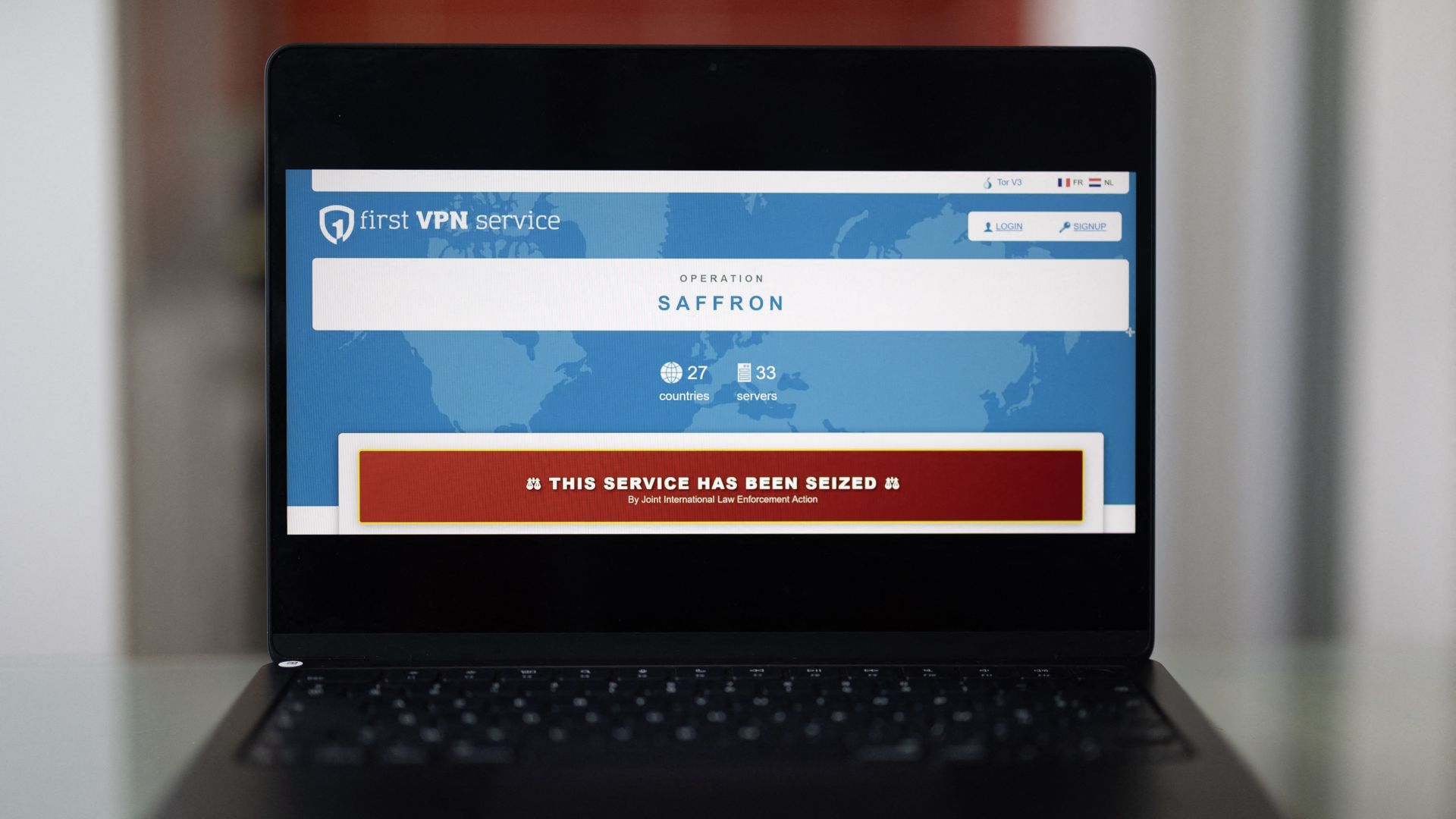
Telegram’s t.me domain was swept up in a global outage following US Treasury sanctions against First VPN services, causing millions of web links to break worldwide.

UK officials have confirmed that VPN restrictions are off the cards. Data proves that only a minority of kids use them to bypass age checks, with privacy being the most popular use. The VPN industry now urges the EU to follow suit.
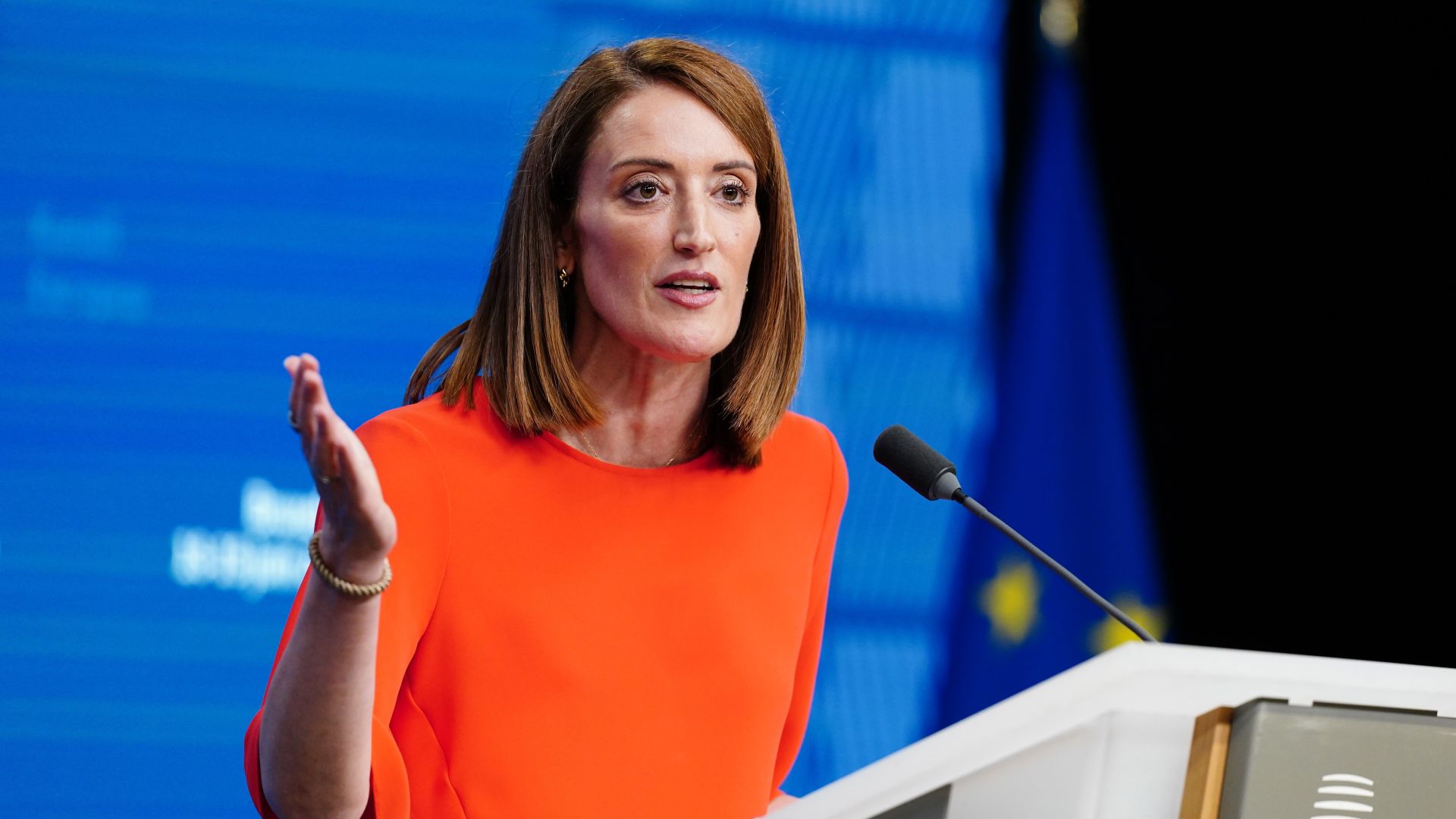
Temporary CSAM chat scanning got the green light in Europe, three months after Parliament voted it down. Opponents now warn it could pave the way for lasting legislation that’s unfit to protect our privacy.
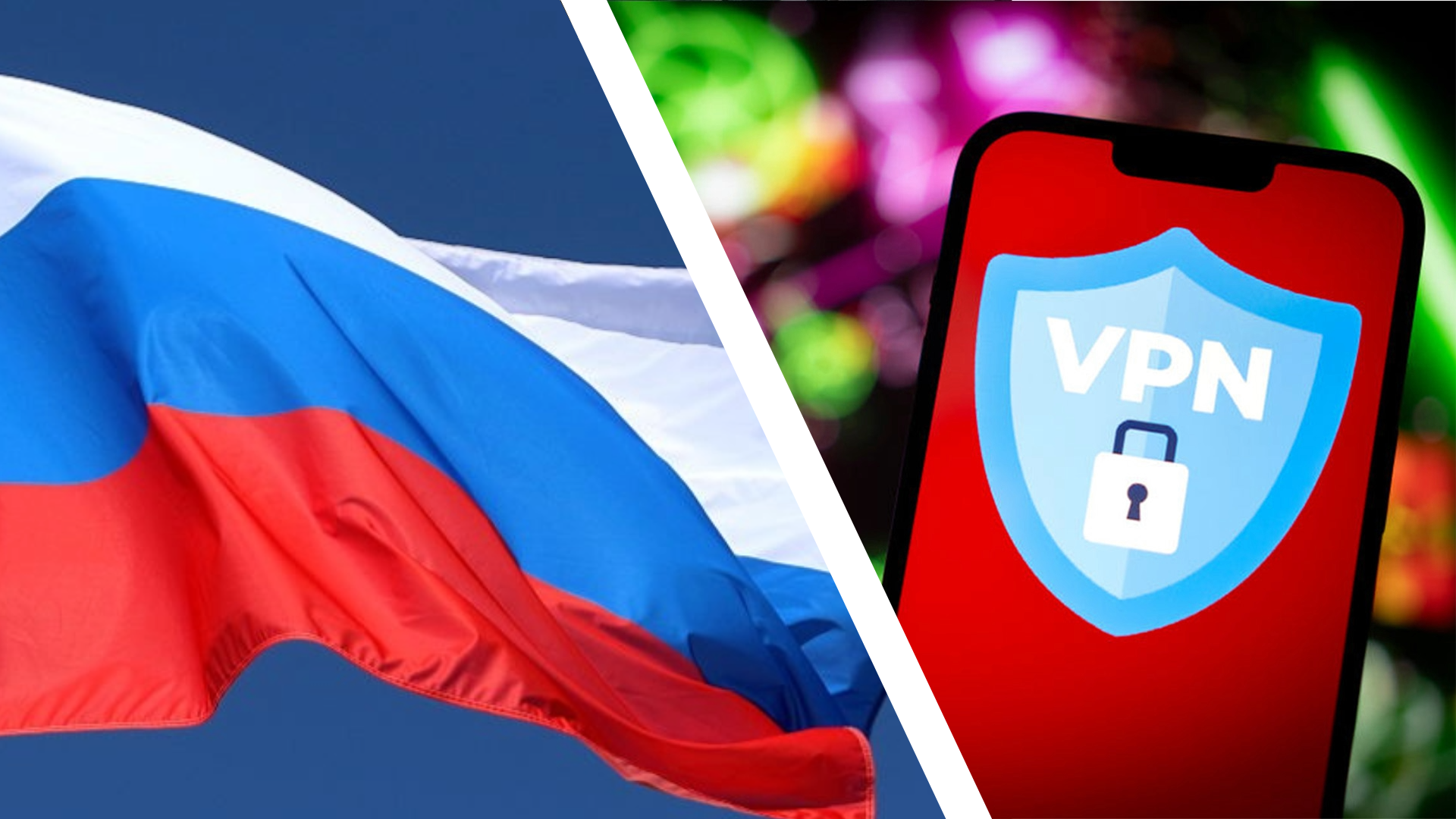
Russian internet users awoke to broken connections across Google, Apple, and GitHub websites. While state censors deny involvement, the outages highlight why VPNs are more crucial than ever.