
This week on Tom’s Hardware Premium, we covered how the AI buildout is affecting the industry supporting it across all axioms, including in law, chip design, manufacturing, and finance.
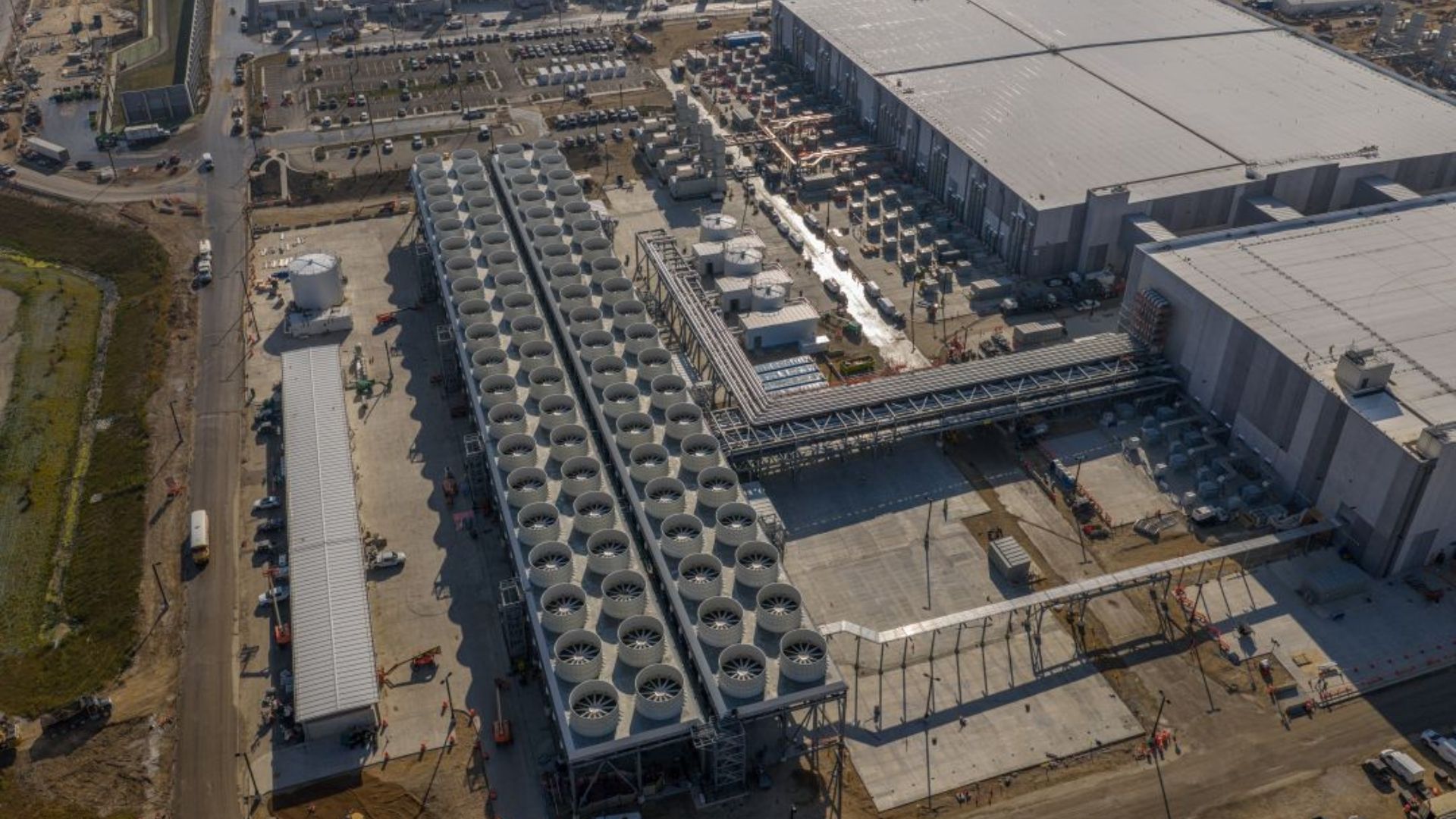
A Senate investigation on AI data centers question that costs and benefits that AI hyperscalers show when they apply for permits to put up their developments. The report says that these claims are misleading and that they don’t show the real impact of these sites on the local economy.
One focus of these contingency plans is how to manage Congress after a catastrophic event puts these labs in the spotlight.
Following a Ukrainian drone strike on a D.C. in Sasovo, Russia, a Yandex facility in Kaluga has suffered a similar fate with multiple modules completely out of service.
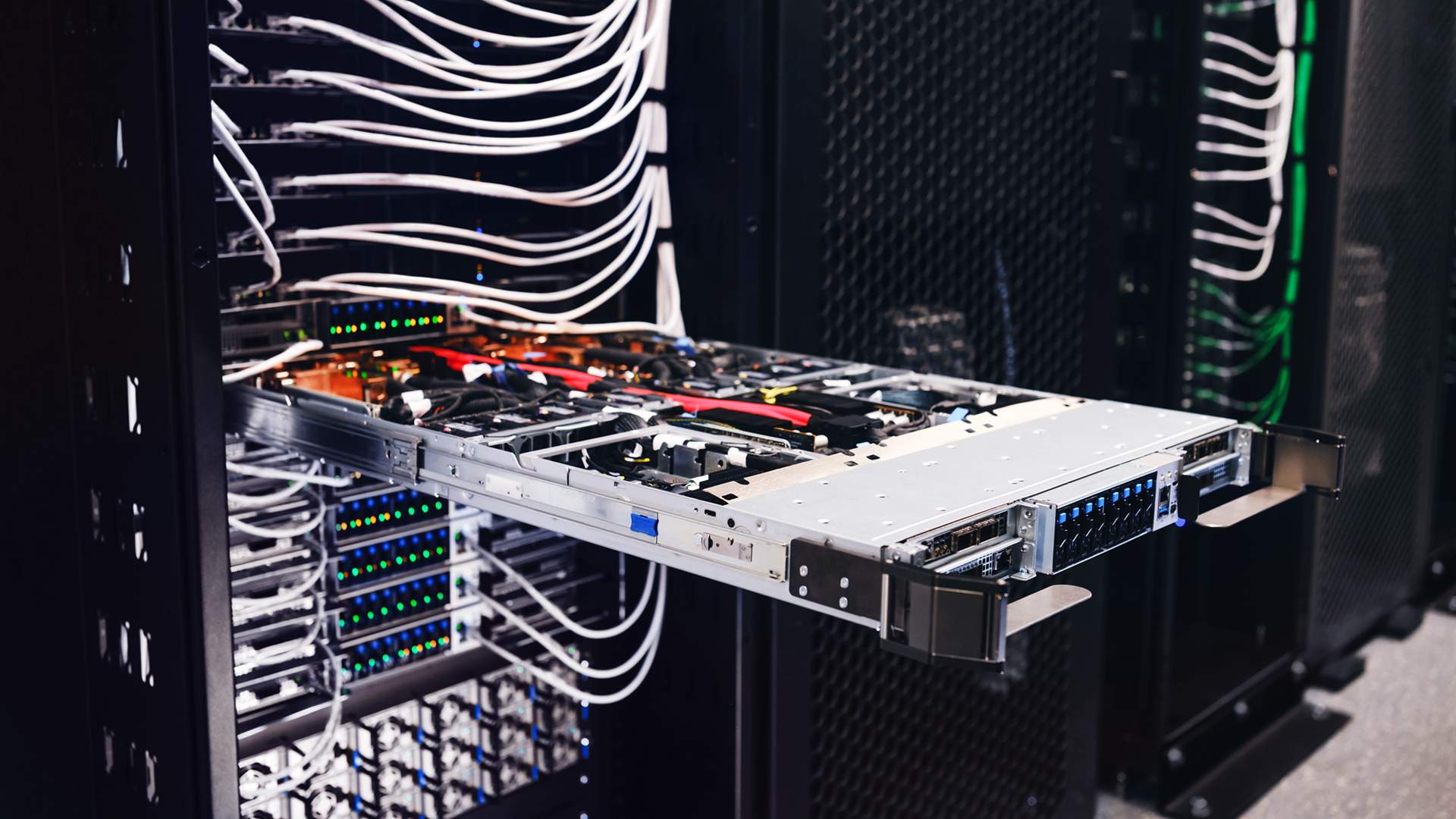
PC shipments for the third quarter of 2026 drop by 15.8 million units, with Lenovo, HP, and Dell being hit the hardest. Memory chip manufacturers estimate that the situation will not improve until 2028 or 2029, even as Acer believes that PC prices will decline by late 2027.
Artificial Analysis scores Mistral’s new Large 4 at 38, behind open models from Xiaomi, Z.ai, Moonshot, and DeepSeek.

GlobalFoundries becomes a part of TSMC’s CoWoS supply chain in the U.S.: set to participate in production of leading-edge AI and HPC accelerators without investing in leading-edge process technologies.
U.S. suspends green card path for H-1B workers at Microsoft, Adobe, and IT outsourcing companies — PERM program blocked due to alleged fraud
Wolfspeed has secured a conditional $1.5 billion, 30-year loan commitment from the U.S. Department of War to expand GaN epitaxy and radiation-hardened SiC and GaN technologies for U.S. national security applications
Finnish authorities say they cannot conduct a proper environmental assessment after the site has already been changed.