CERT/CC has disclosed a critical authentication backdoor affecting multiple Tenda router firmware versions. Tracked as CVE-2026-11405, the flaw grants full administrator access without valid credentials, and no vendor patch is currently available after CERT failed to reach Tenda.
Oregon approves the 29.7% price hike that Portland General Electric (PGE), the state’s largest power provider, will impose on users that consume 20MW or more. This move is backed by Oregon’s POWER Act, which helps ensure that data centers in PGE’s coverage area pay their fair share.
A software house known as ‘Slopfix’ has launched a fixed-price service that refactors AI-generated codebases, charging $10,000 for one week of work.
While the use of Windows’ GDID to catch Scattered Spider hacking group member Peter Stokes is unusual, that device identifier is only one bit of telemetry that can be used to fingerprint a user across the wider Internet these days.
Space Force has announced that the first high-energy ‘Meadowlands’ electronic warfare system has been delivered for operational duty.
The ₩1,350 trillion total combines a $520 billion semiconductor program with AI data center and robotics spending, mostly made up of corporate capex.
Chinese memory and storage manufacturer Longsys expects to post a massive increase in profits due to the AI-driven chip shortage.
The British government ruled that nationally significant infrastructure projects, which include data centers, can bypass local council approvals. This move is expected to speed up developments by up to a year and save more than a billion dollars.
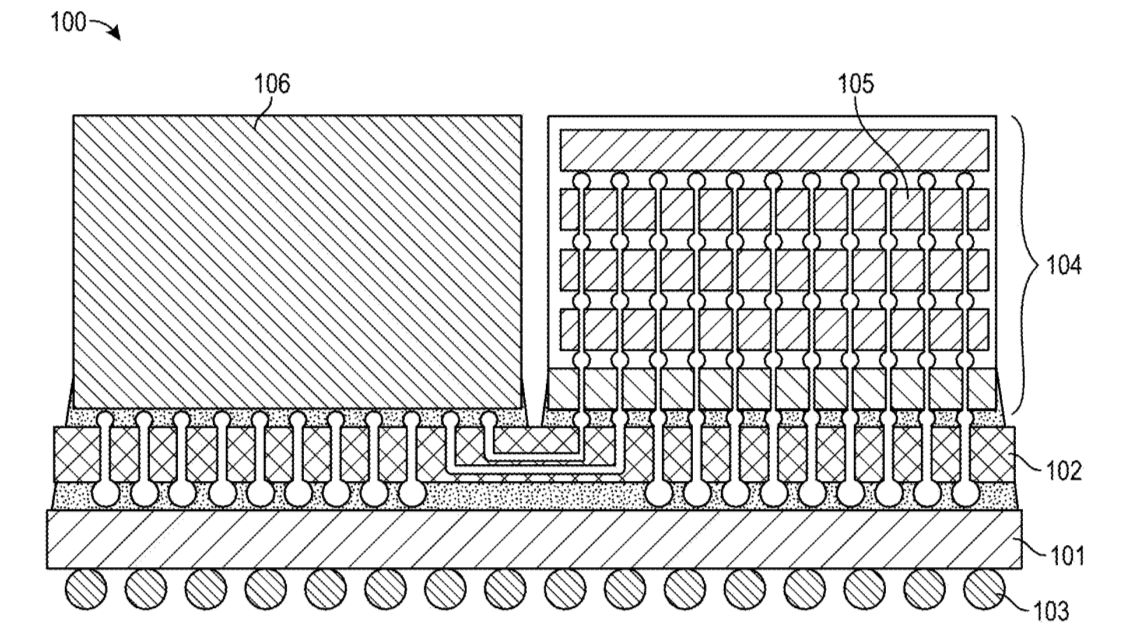
Intel’s XBM patent proposes an HBM alternative that uses backend-transistor DRAM, UCIe chiplet links, and repair logic to reduce packaging costs and complexity.
Brokerage consensus puts Samsung’s full-year 2026 operating profit near 300 trillion won.