ASML says customers are already placing orders for advanced chipmaking tools years in advance, with AI-driven semiconductor demand remaining strong enough to strain capacity despite planned expansions
TSMC’s management confirms that the company is looking forward to expand U.S. capacity beyond Arizona and Texas is one of its options. However, to become a part of the Terafab project, it insists on running the whole fab.
Russian semiconductor players shows off bespoke CPU and SoC designs — Arm and Elbrus architectures on display
The Challenge Sweden’s season 2 edit was deleted by an AI agent put on the production server. The program director blames “the human factor” instead of AI.
Two workers have died in an explosion at Intel’s Kiryat Gat chip plant; police suspect a gas cylinder malfunction.
AnitaB.org canceled this month’s Grace Hopper Celebration in Anaheim, saying registrations and sponsorships couldn’t cover its costs.
CrowdStrike has helped the FBI identify these sites, which Pyongyang uses to earn as much as $500 million annually to help fund its nuclear and other weapons programs.
Ukrainian officials say SpaceX imposed new speed restrictions on military-grade Starlink terminals without warning, disrupting drone and logistics missions and forcing some operations to be canceled
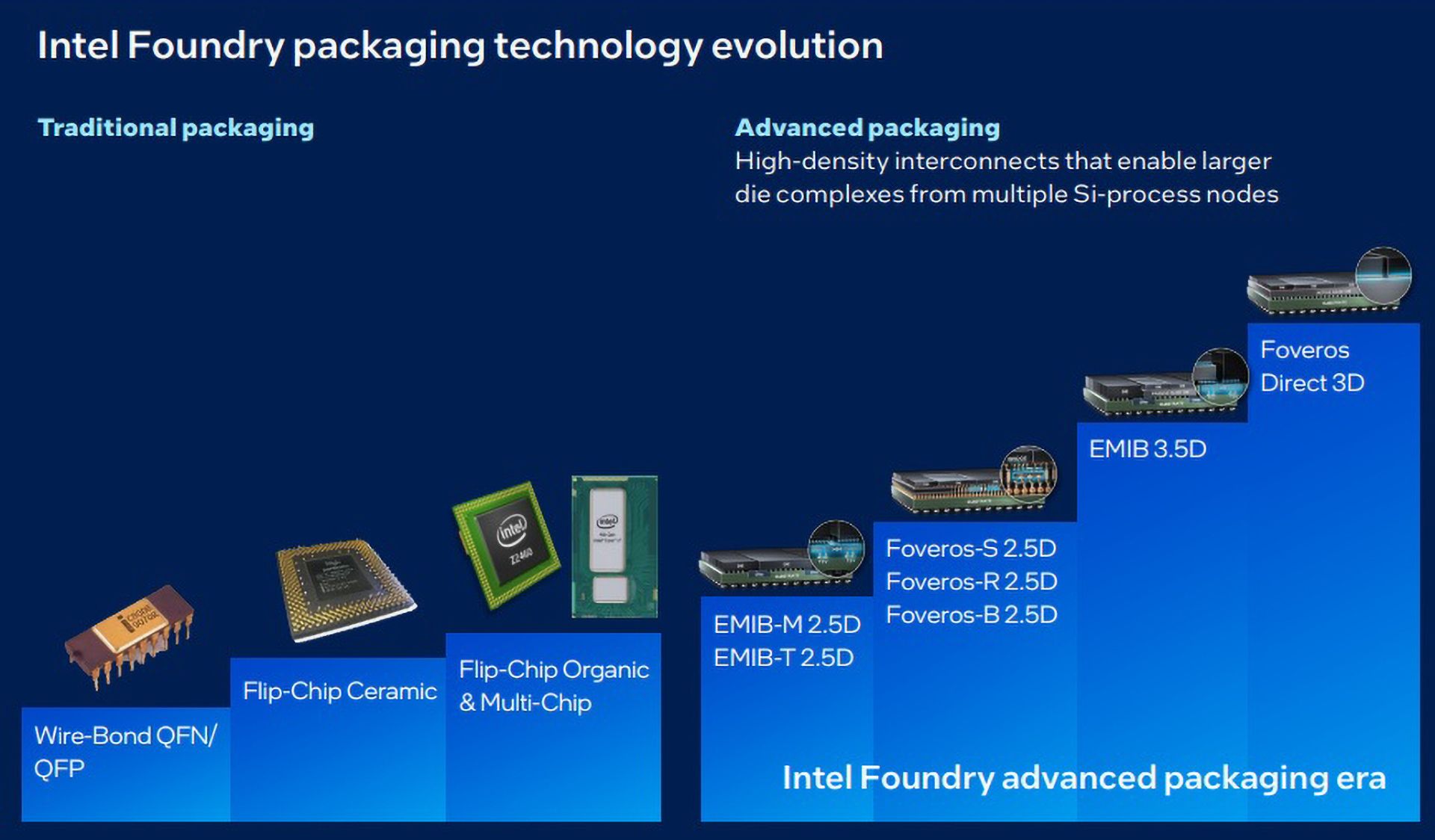
Intel was the first large chipmaker to start using advanced packaging methods in 2017 – 2019. But where are Intel’s EMIB and Foveros technologies today and where are they heading?
Elon Musk may prefer FEL light sources for in-house chip production, but Terafab will start with proven tech from ASML.