A team of white-hat hackers from cybersecurity startup Hackron AI has successfully hacked OpenAI using Claude tools.
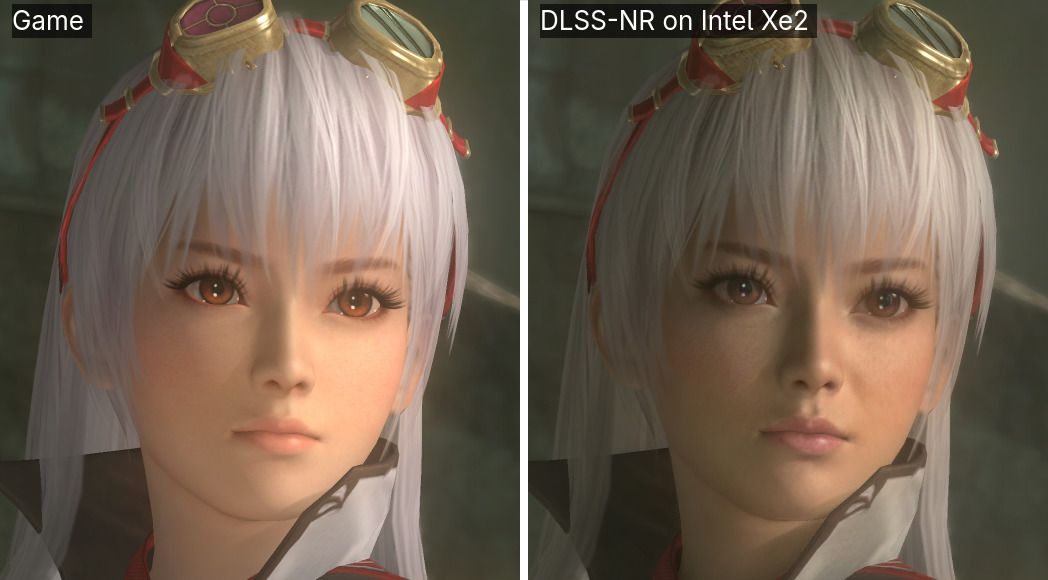
Using AI tools, a new developer has managed to get DLSS 5 neural rendering running on Intel Lunar Lake’s integrated Arc graphics, albeit with abysmal performance.
The NYT filed a legal brief revealing potentially damaging statements from Microsoft and OpenAI regarding the copyright infringement case it brought against the two companies. The publication is now seeking a summary judgment from the court, almost three years since it started the case.
U.S. AI companies and the government are increasingly concerned about the effectiveness of international competition using distillation attacks to glean valuable data from frontier models to train cheaper, faster alternatives overseas.
As many semiconductor fabs and facilities go online in the 2030s and beyond, a global consulting firm said that these sites will need thousands of engineers and technicians that the U.S. will be hard-pressed to fill.

With progress that ASML makes with its LPP EUV light sources for its scanners, the company is barely interesting in adopting particle accelerator-based FEL sources.

Huawei’s mimics Nvidia’s approach to AI factories, unveils details about next-generation Ascend NPUs, Kunpeng CPUs, scale-up and scale-out connectivity solutions.
Symbiosis DeFi network gets hacked for at least $770,000 worth of Bitcoin — DeFi exchange bit by lack of basic bounds checking in smart contract
One Balatro player says they’ve taken Google’s mapped fruit fly brain and trained it to play Balatro, currently at a 20% success rate with plans for further refinement.
American nonprofit C4ADS, a monitoring organization funded mostly by the U.S. government, produced a report shedding light on the many ways that American AI accelerators reach China.