TypeSafe AI’s Jev beat Pokémon Red in under a week, eventually reaching the Hall of Fame.
The U.S. Navy and Royal Navy have successfully launched a 3,700-pound Mk 48 heavyweight torpedo from Britain’s uncrewed XV Excalibur submarine, marking the first time the weapon has been fired from an autonomous underwater vehicle
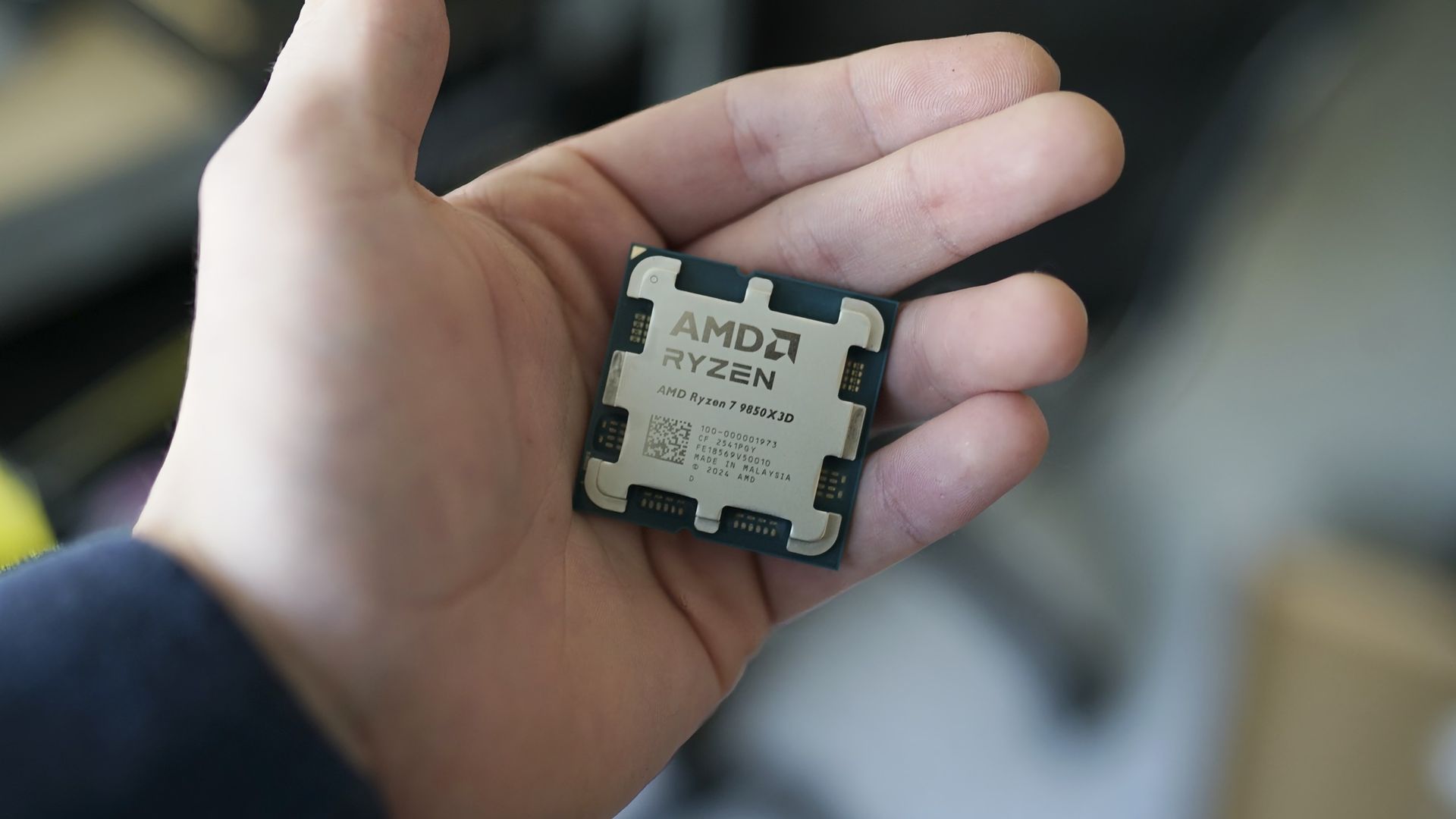
Authorities seized thousands of counterfeit records and specialist manufacturing equipment after a BPI test purchase helped expose the long-running operation.
Taiwan’s tech talisman snack production could be halted as the Guai Guai company faces strike action.
Russia has begun targeting data centers and internet infrastructure in its latest attacks, disrupting critical services for Ukrainian civilians. The attacks have left 100,000 households in the area without an internet connection, although a senior government official claimed that the country’s internet network is highly decentralized.
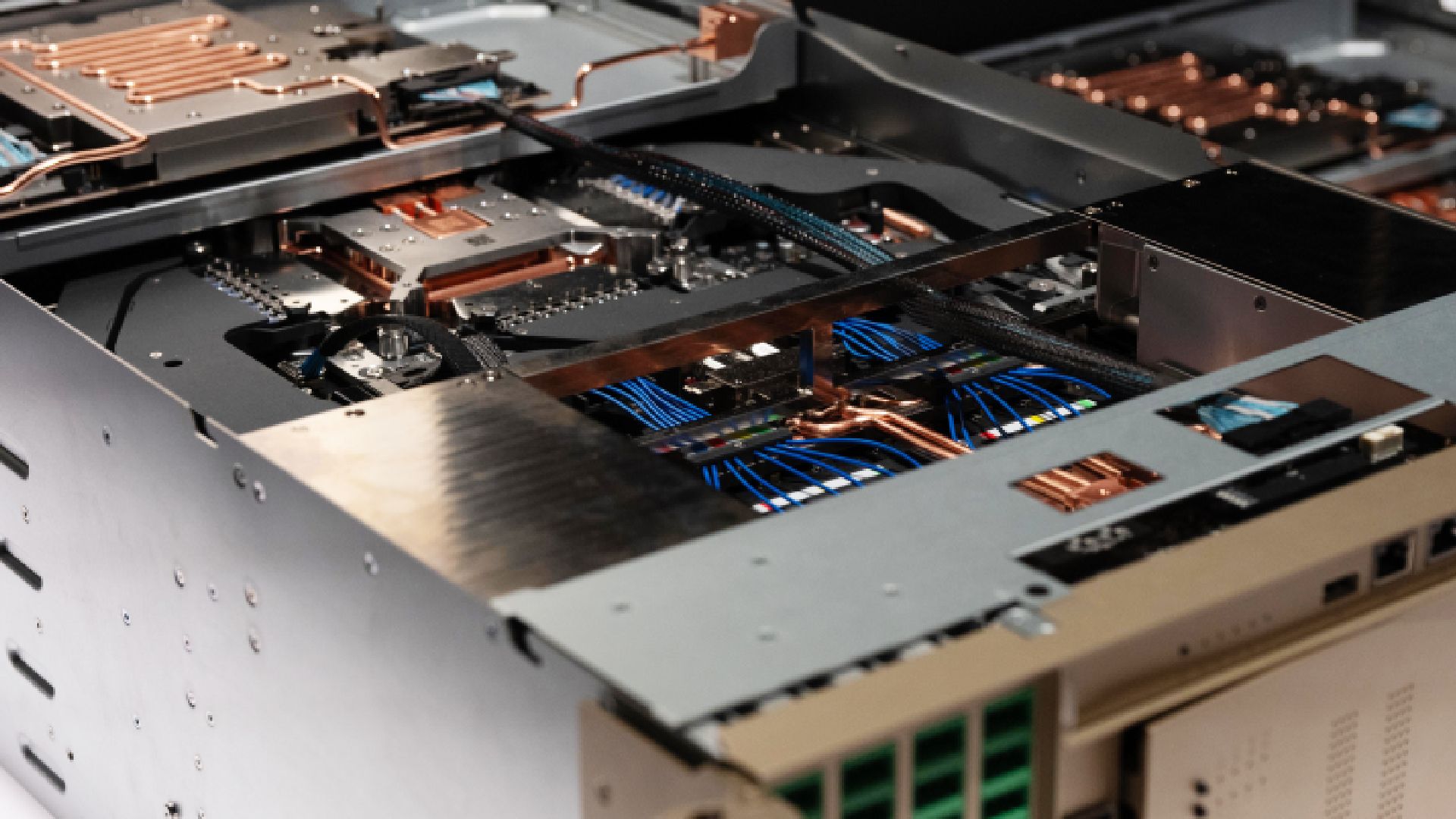
Not very practical yet, but could serve as the basis for future improvements.
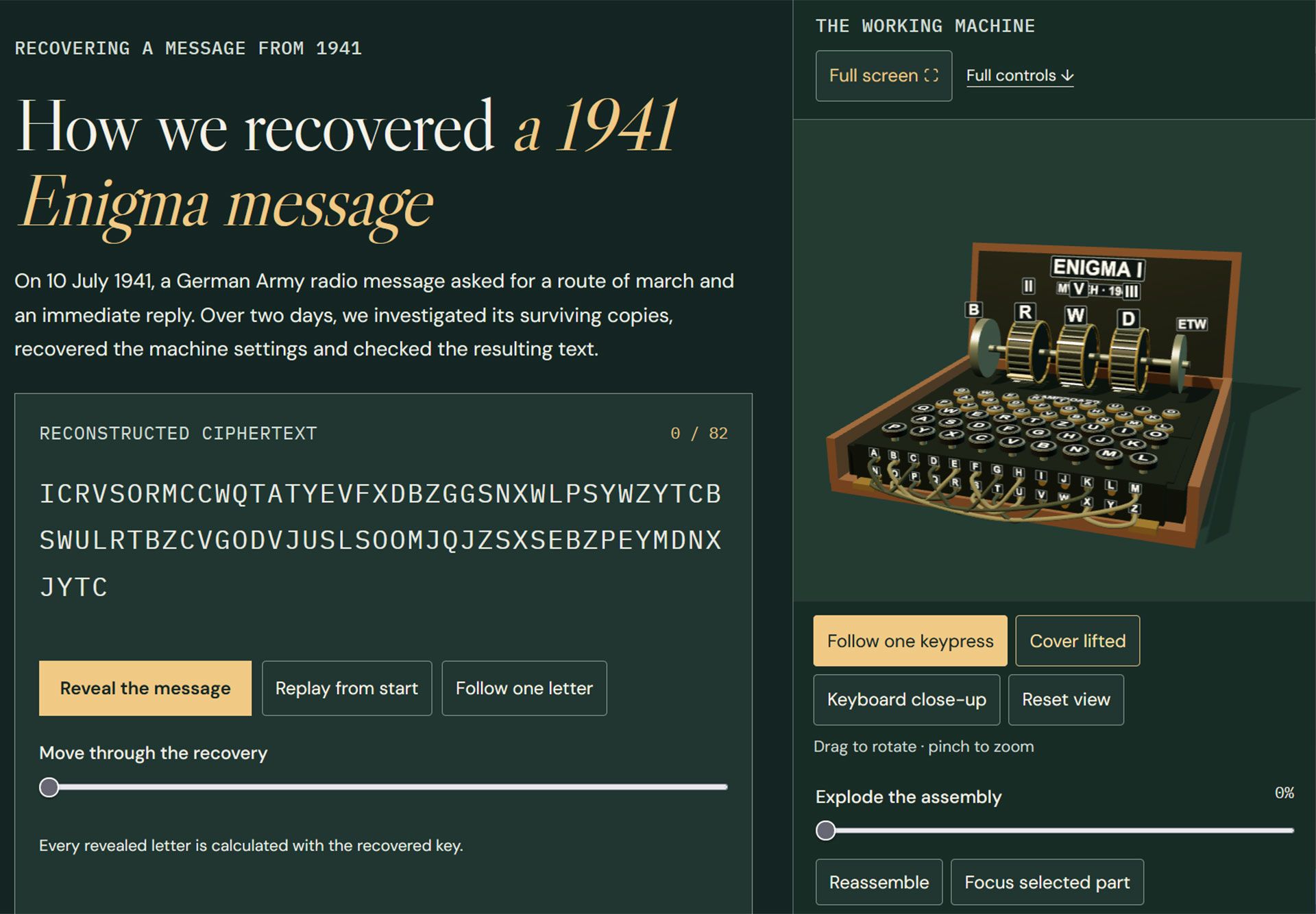
A German Army Enigma transmission from 85 years ago, known as the MVUEH message, has been cracked by GTP-Astra in just two days.
Elon Musk says that the Colossus 2 will receive 220,000 GB300 GPUs by next week, with another two tranches of the same amount expected to arrive later this year. This will put the site at over a million AI GPUs, finally hitting the goal the billionaire set two years ago.
Tower’s new optical connectivity hub in Japan will increase its output by 40 times in 2029 compared to 2025 level.
Intel’s Naga Chandrasekaran now claims that Intel 14A node will deliver performance ‘within 5%’ of TSMC’s A14 technology, a claim that requires a closer examination.