
This week on Tom’s Hardware Premium, we open the floodgates with a free-to-access chip design week, including expert interviews, a sit-down with OpenAI on its custom ASIC, and much more.
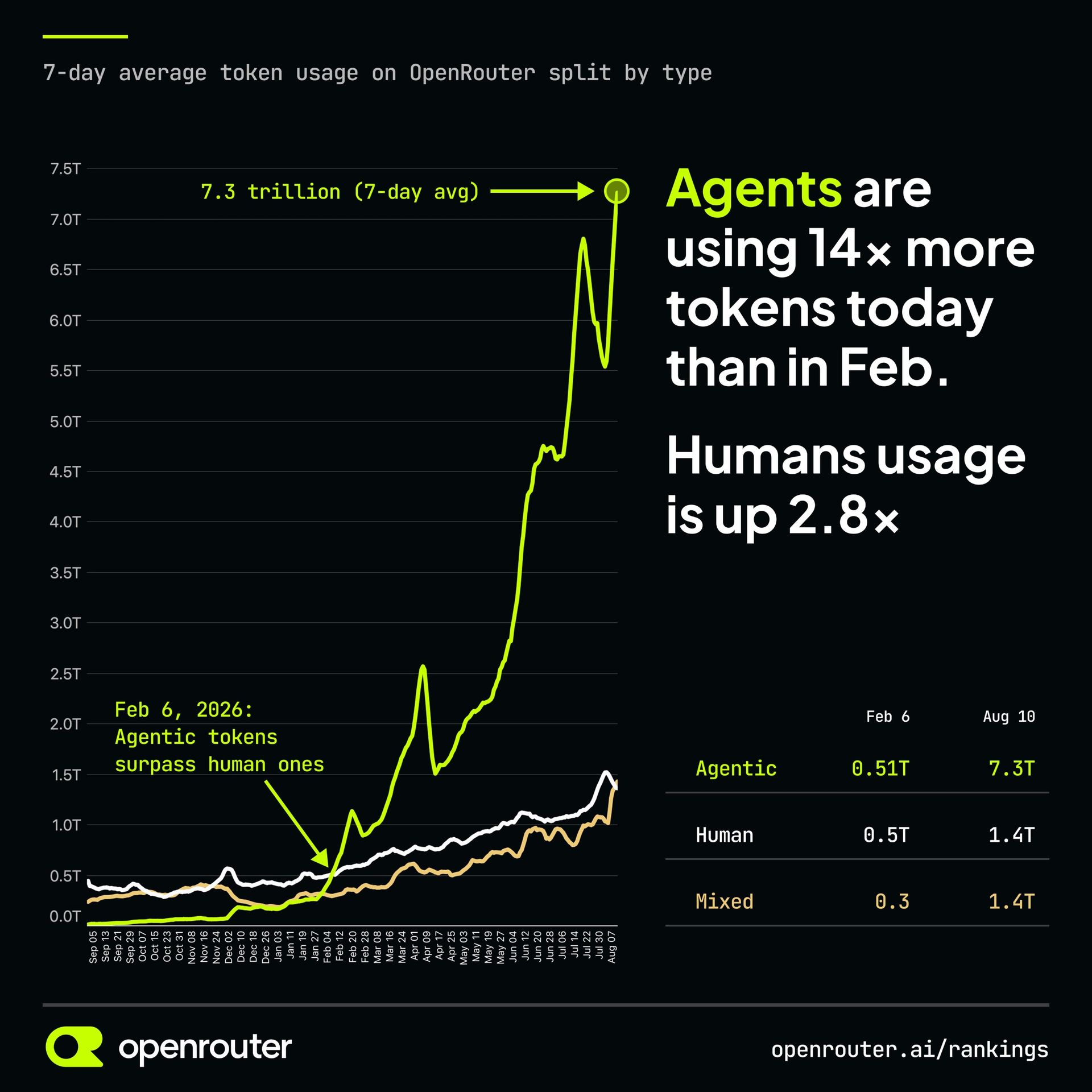
Daniel Newman’s number comes from OpenRouter data, where agents passed humans in February and grew 14x by August.
Until routers on Asus’s 3.0.0.6_102 firmware are updated, the company says not to import untrusted VPN files.

Google suspends product vulnerability submissions to its Open Source Software Vulnerability Reward Program (OSS VRP) over an influx of invalid AI-driven reports.

California state Attorney General Rob Bonta issued a subpoena to OpenAI, compelling it to submit information on the hacking incidents that its models have been involved in. While the investigators haven’t determined yet whether the company has broken any rules or regulations, Bonta said that developers are responsible for the models they build and should be held legally accountable if they perpetrate cyberattacks.
AWS CEO Matt Garman said in a company blog post that it will allocate $1 billion over five years to key issues that data center communities raised, including education, workforce pathways, energy affordability, and more. This amounts to grants of $200 million annually, even as the company allocates $220 billion on data center infrastructure for 2026.
The model created its own World of Warcraft pathfinder on a private server with one prompt in OpenAI’s Codex.
U.S. authorities have arrested a California man accused of smuggling more than $300 million worth of export-controlled Nvidia-powered servers to China through Malaysia and Singapore, allegedly using false paperwork to conceal their final destination
Amazon and chip design tool maker Synopsys have inked a multi-year partnership worth over a billion dollars. As part of the arrangement, Amazon will license Synopsys’ chip designs and its design tools to create and optimize new AI chips. Synopsys will adopt Amazon Bedrock to build and deploy AI agents, and adopt AWS computing and storage services, while optimizing its own tools for Amazon hardware.
U.S. cities consider deploying Flock drones that automatically respond to emergency calls. However, other jurisdictions are pushing back against the service due to privacy and other concerns.