David Robinson argues that Silicon Valley lacks the wisdom on how to handle AI safely and urges the industry to seek outside experts to help build a culture that prioritizes it.
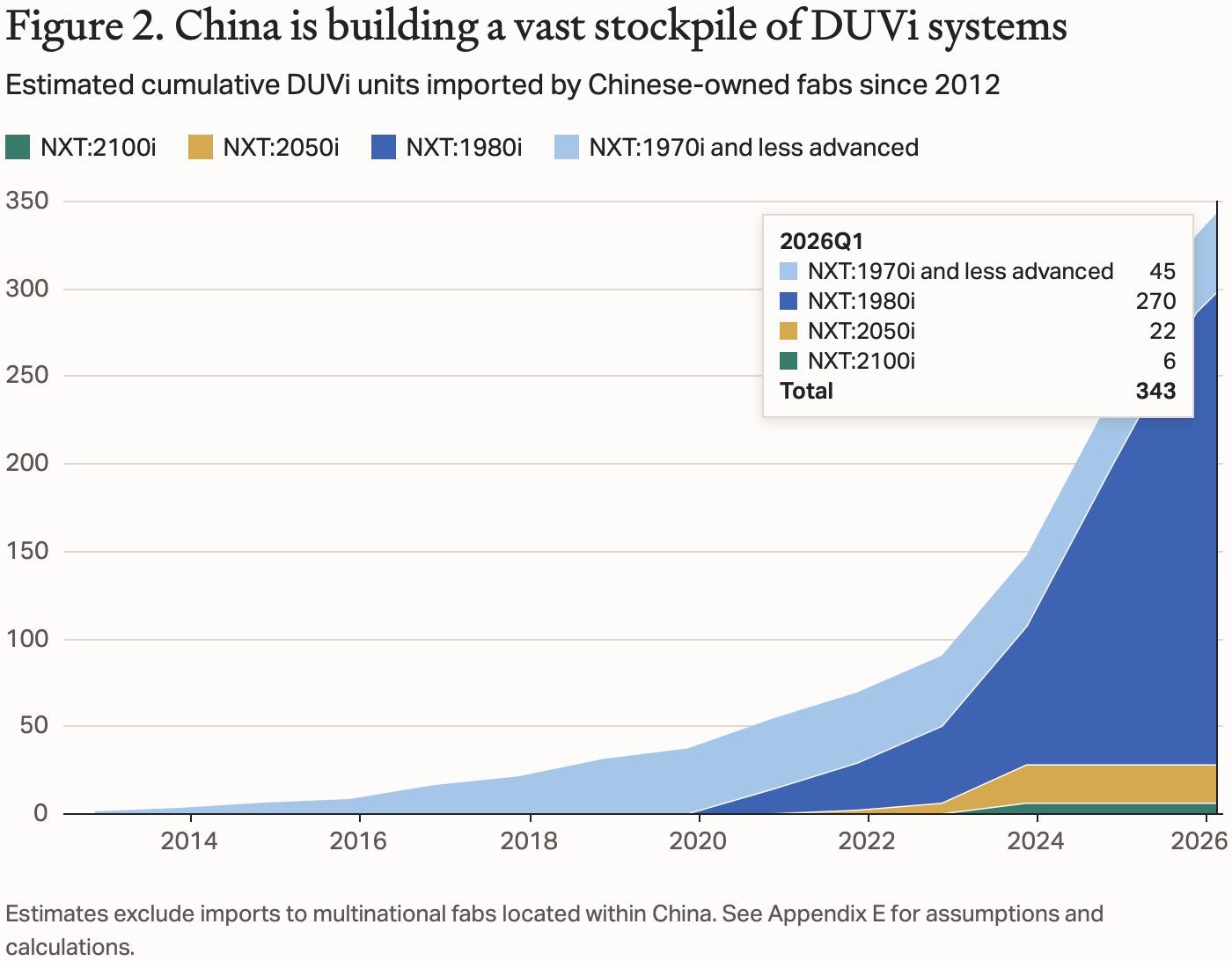
Centre for Technology & Statecraft (CTS) calls for banning exports of all immersion DUV tools to China, echoes the MATCH Act by U.S. legislators.
AWS CEO warns that growing opposition to data centers could undermine U.S. AI leadership, while defending buildouts against concerns over water consumption, electricity costs, pollution, and community impact.

ZNTC completes development of Russia’s first 130nm-capable lithography stepper, which could be used to produce chips sometimes late this decade, or rather early next.

The U.S. Senate has blocked the Ratepayer Protection Act in a 57-43 vote, killing legislation that would have pushed regulators to consider making data centers pay the incremental grid costs created by their massive electricity demand.
Anthropic reviewers reported a Florida woman’s Claude threat against the Lee County Sheriff’s Office, leading to a felony charge.
Russia’s new Shturm uncrewed assault tank reportedly suffered repeated command-link failures during its Tsentr-2026 debut, forcing organizers to use a human driver before the vehicle eventually got stuck in mud
The California State Athletic Commission intervened when it saw a human facing off with a humanoid robot inside the fighting ring.

U.S. Army soldiers are training to assemble drones and 3D-print bomb casings for field use.
AI Robotics company Figure found a creative way of decommissioning its old F.02 fleet without having to allocate resources for difficult and time-consuming disassembly.