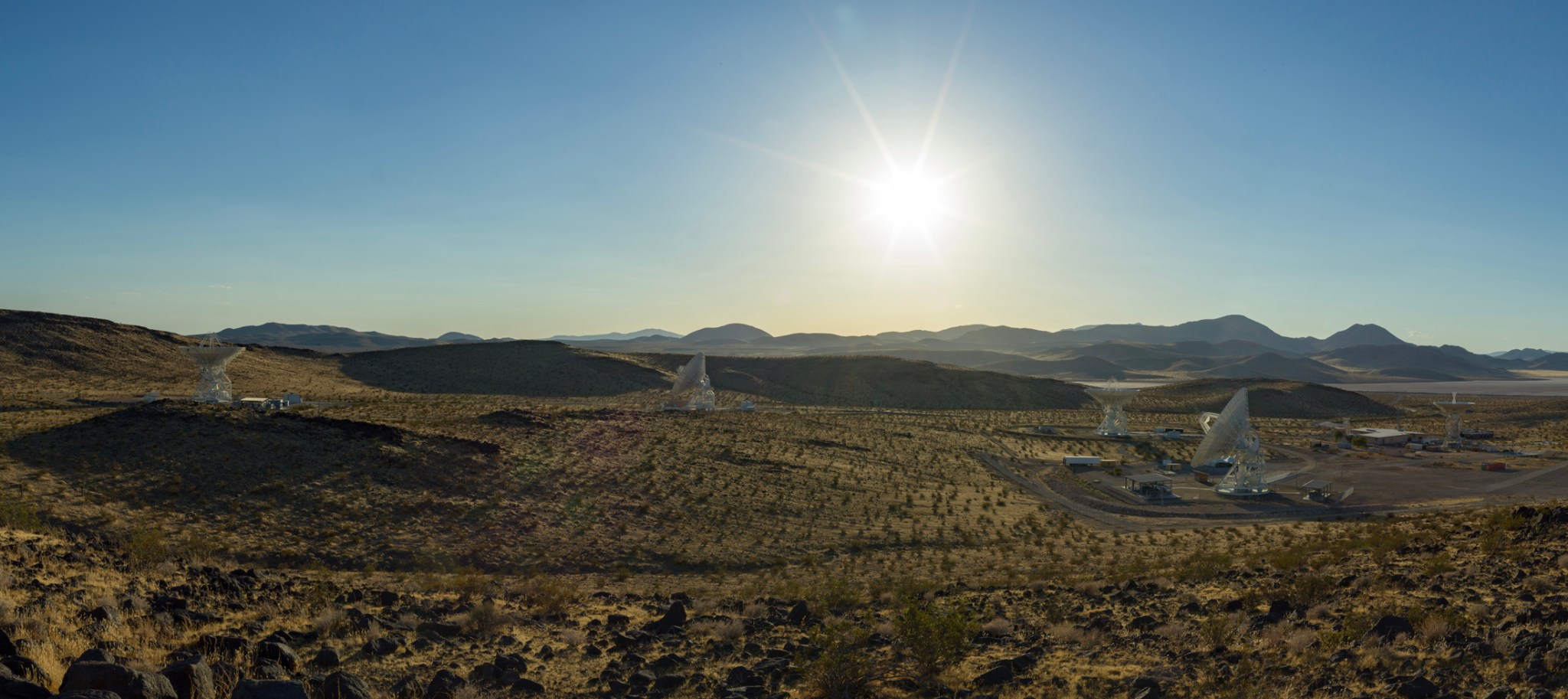
NASA’s Deep Space Network facility in California is marking the addition of a brand new 34-meter-wide (114-foot-wide) radio frequency antenna to the agency’s deep space communications and navigation system. The network uses giant dish antennas located at three global facilities to support more than 40 spacecraft exploring the solar system and interstellar space. The new […]

NASA has selected four university teams to help the agency transform the future of aviation through projects ranging from high-supersonic propulsion systems to low-noise routes for small aircraft flying through cities. The agency made awards through its University Leadership Initiative, which offers student teams the opportunity to contribute to real-world flight research that advances NASA’s goals in aeronautics. […]
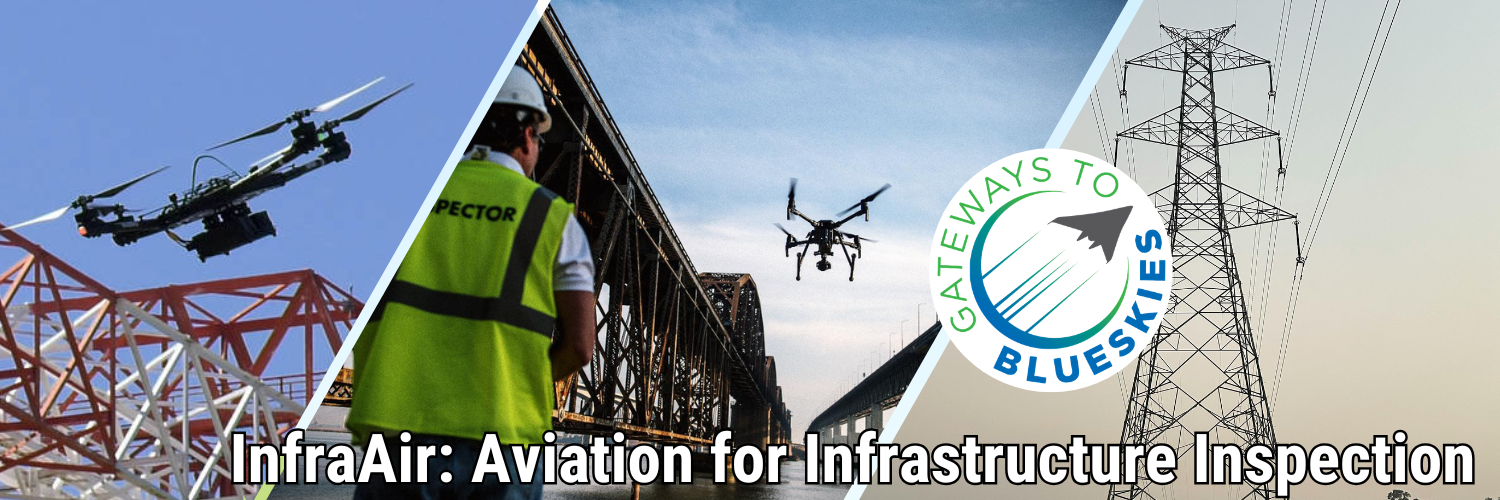
NASA’s next Gateways to Blue Skies competition invites collegiate teams to imagine innovative new ways aircraft could inspect land-based infrastructure, such as bridges and tunnels, to improve safety, reliability, and costs by 2035 or sooner. Infrastructure is the foundation of the nation’s strong economy, global competitiveness, and daily quality of life. When that infrastructure is […]
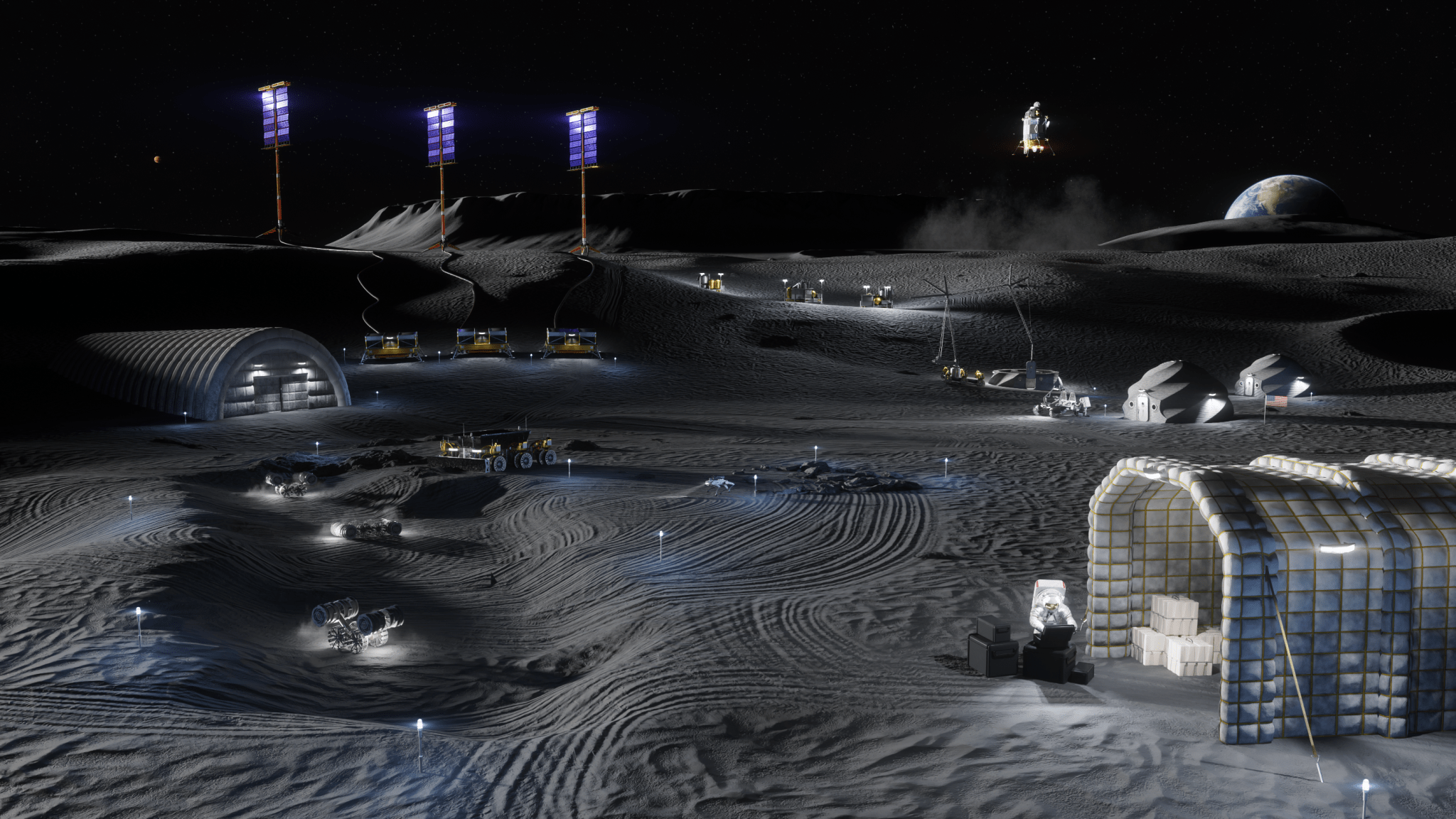
NASA is asking U.S.-based collegiate teams to submit bold, original concepts to the 2027 edition of a student challenge focused on aerospace innovation that could help the agency envision a future on the Moon shaped by new technology. The latest NASA Revolutionary Aerospace Systems Concepts – Academic Linkage (RASC-AL) competition invites student teams to explore new operations paradigms and advance the technologies needed to […]
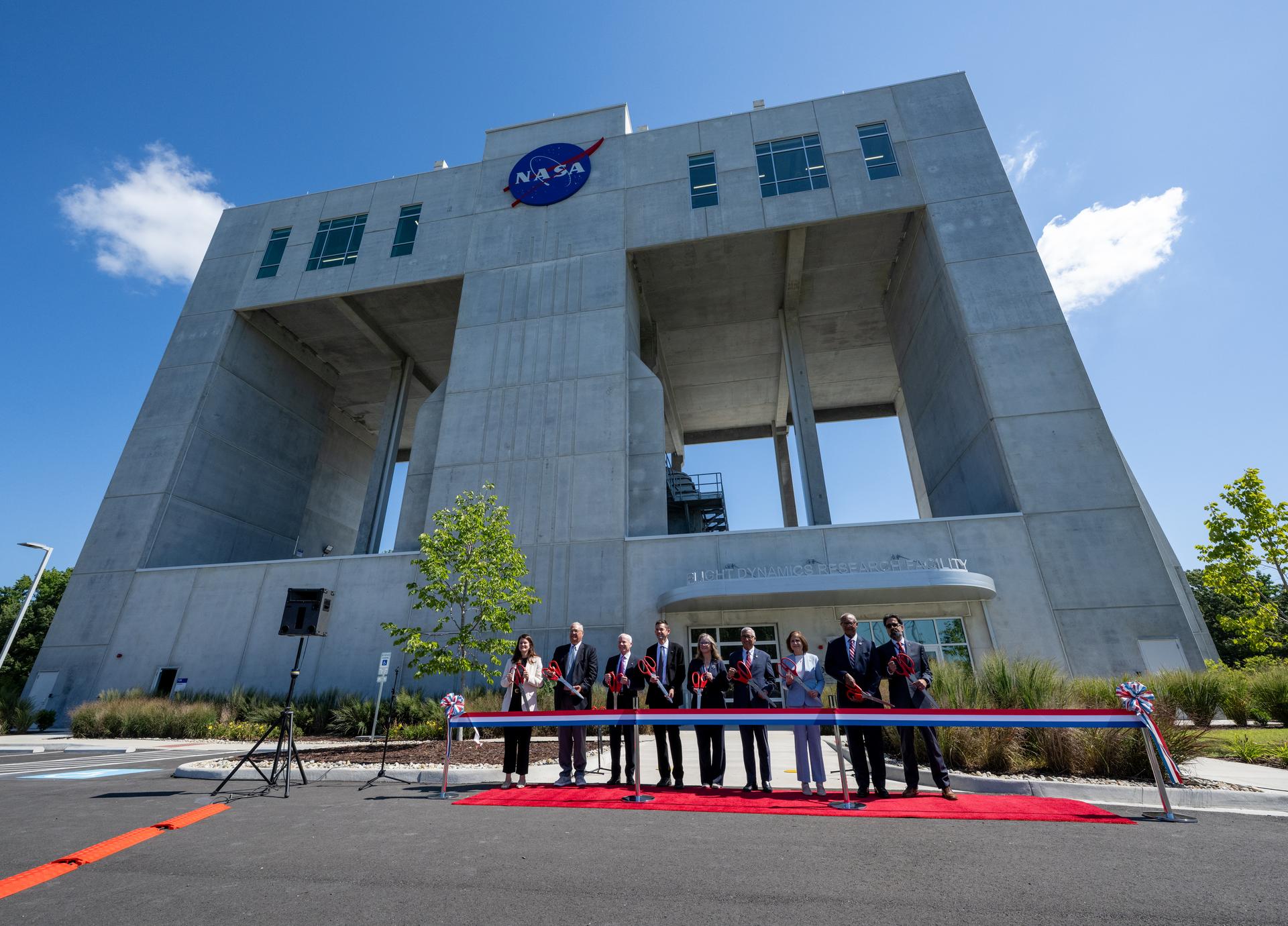
NASA opened its newest wind tunnel, the Flight Dynamics Research Facility, Friday, providing a critical resource for the agency and its partners to test the safety and performance of future generations of aircraft, rockets, and space exploration vehicles. Located at NASA’s Langley Research Center in Hampton, Virginia, the Flight Dynamics Research Facility will support advances […]
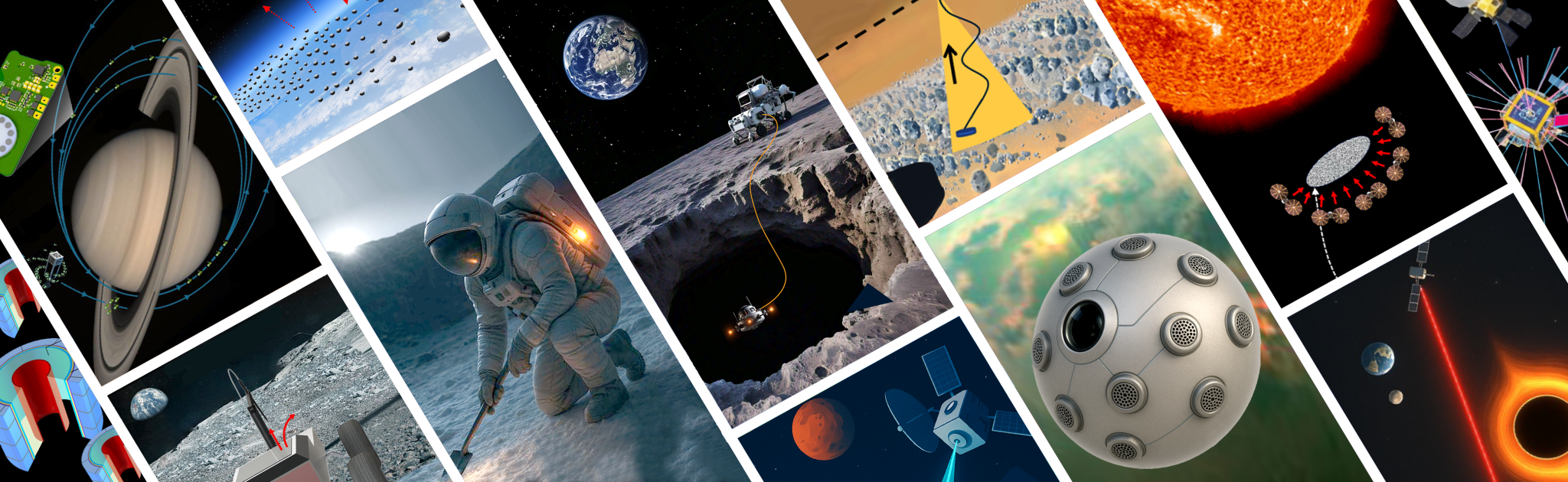
The NASA Innovative Advanced Concepts (NIAC) program has created 18 new awards to support visionary ideas to improve aerospace technologies in areas ranging from the exploration of the solar system to understanding the universe. The 18 NIAC Phase I awards total $3.2 million. Each award provides up to $175,000 for a nine-month initial investigation. The […]
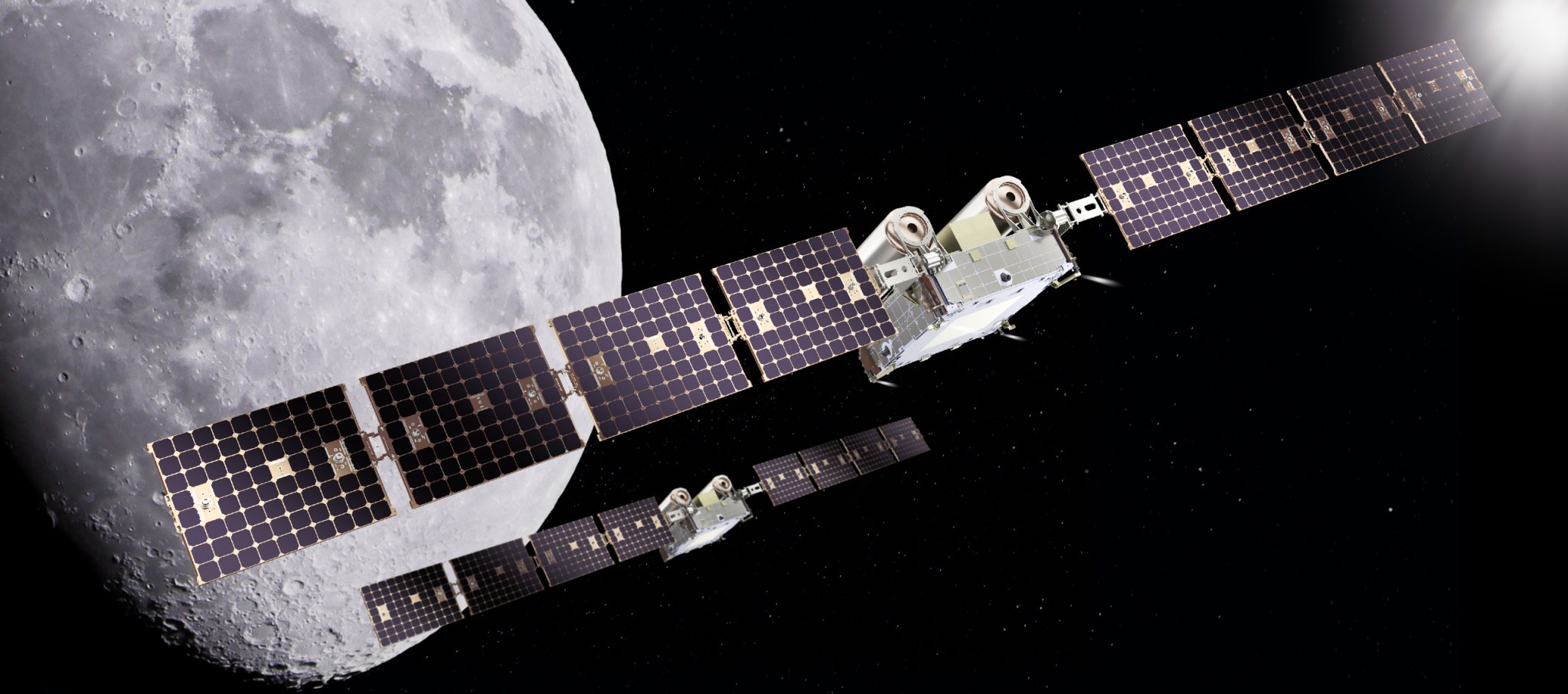
NASA is working with industry to advance the next phase of cislunar infrastructure for the agency’s Artemis program and Moon Base, including orbital assets and demonstrations. Under a contract awarded to Advanced Space, the agency’s CAPSTONE 02 mission will demonstrate rendezvous and proximity operations, autonomous navigation, and cislunar communication capabilities while continuing to characterize the […]
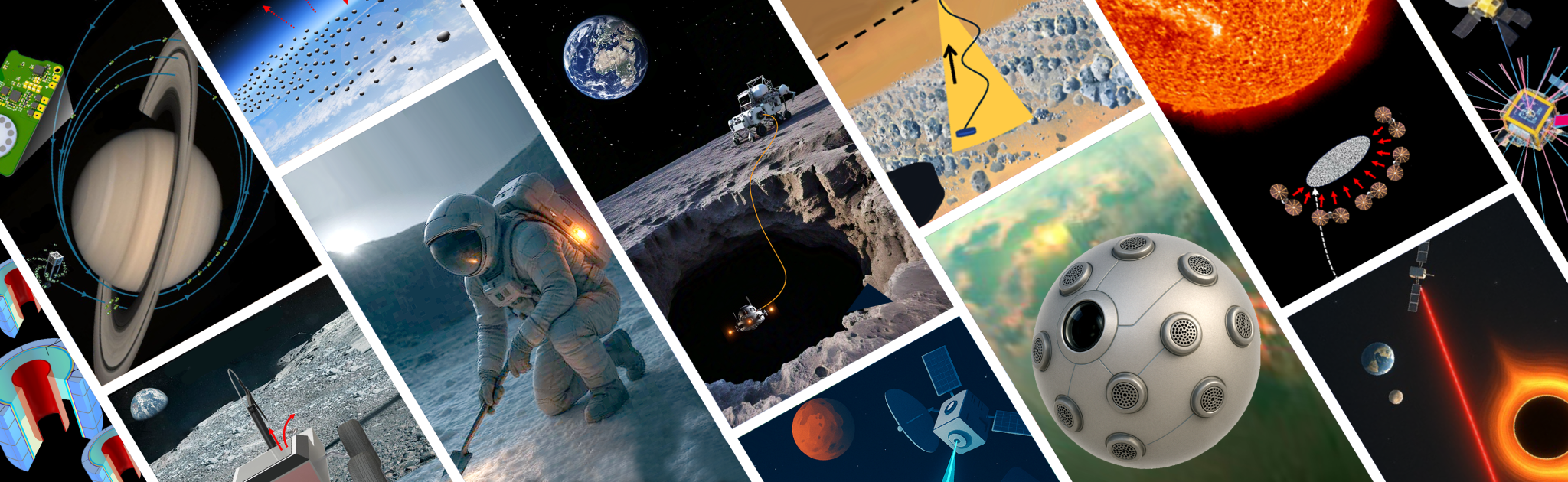
Phase I Saptarshi BandyopadhyayDimming the Sun (DimSun) Using Controllable Dust Cloud to Reduce Solar InsolationNASA Jet Propulsion LaboratoryPasadena, CA 91109-80012026 Phase I David BugbyCombinatory Architecture offering Neomobility, on-Venus Adaptability, and Survivability (CANVAS)NASA Jet Propulsion LaboratoryPasadena, CA 91109-80012026 Phase I Anish DamodaranPS21: Transforming Submillimeter Space Interferometry with Photonic TechnologiesUniversity of Central FloridaOrlando, FL 32826-29332026 Phase I […]
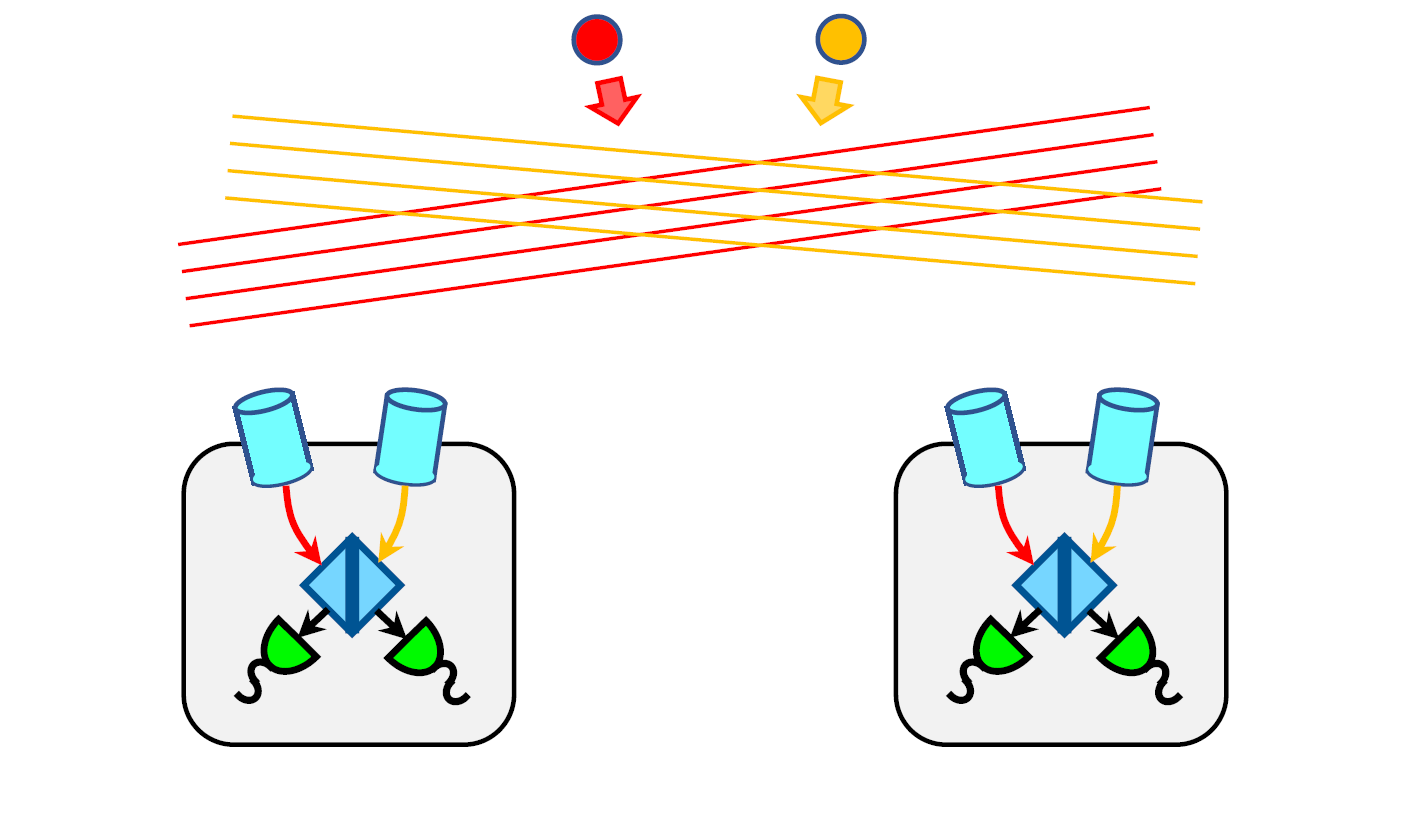
Paul StankusBrookhaven Science Associates The scientific goal is to enable a new method for observing gravitational waves at low frequencies, based on the astrometric GW signature — gravitational waves passing by the Earth will cause a (very small) coordinated apparent motion of all sky objects. Our innovation is to deploy a new approach to precision […]
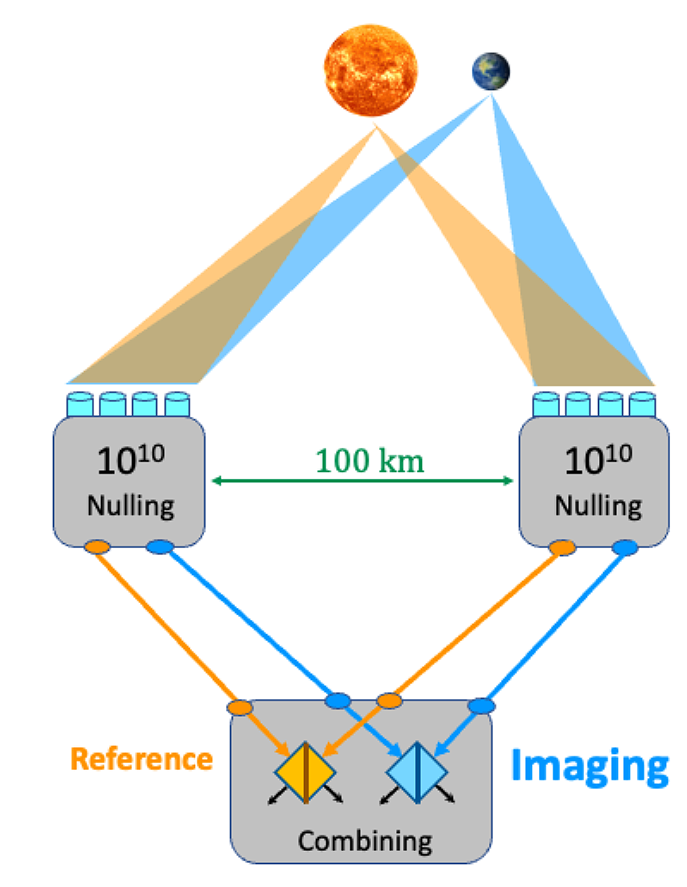
Paul StankusBrookhaven Science Associates The scientific goal of the proposed work will be reconstructing the image, ie resolving surface features, of an Earth-like exoplanet around a nearby star as seen in visible light. The innovation is in two stages. First, the design of a new kind of nulling interferometer — “dynamic hierarchical nulling” — combining inputs […]