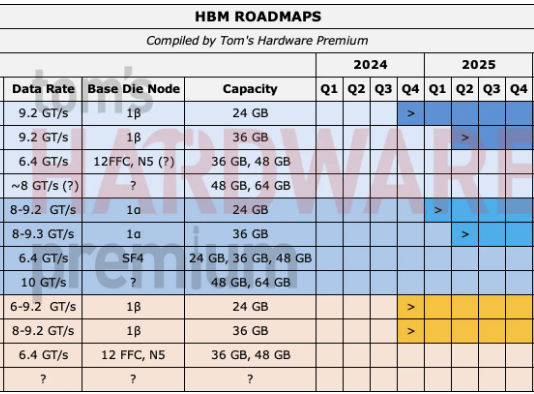
SK hynix breaks ground on HBM assembly plant in the U.S. that will form a connection between DRAM wafers produced in South Korea and their consumers among AI companies in the U.S.
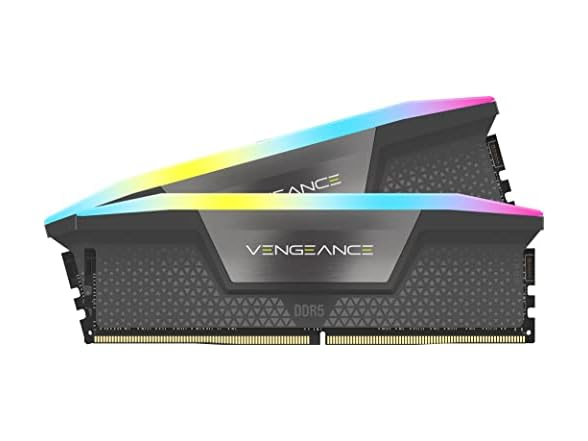
Corsair’s Vengeance DDR5-6000 memory kit becomes the cheapest 32GB kit you can buy after a large $215 discount.
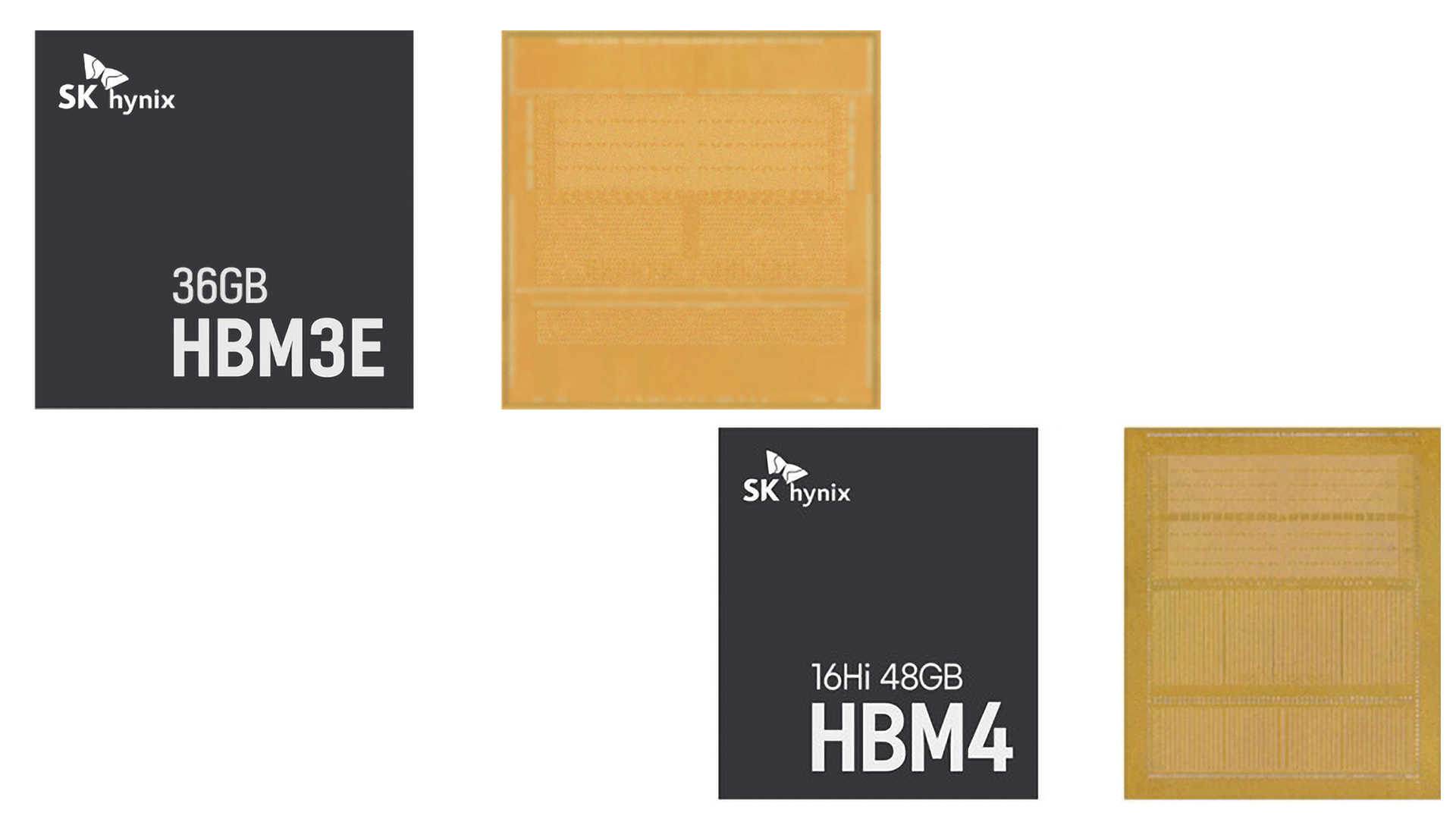
Nvidia has unveiled NVHBM, a custom high-bandwidth memory implementation that promises higher bandwidth and lower power for customers building chips within the NVLink Fusion partner program.
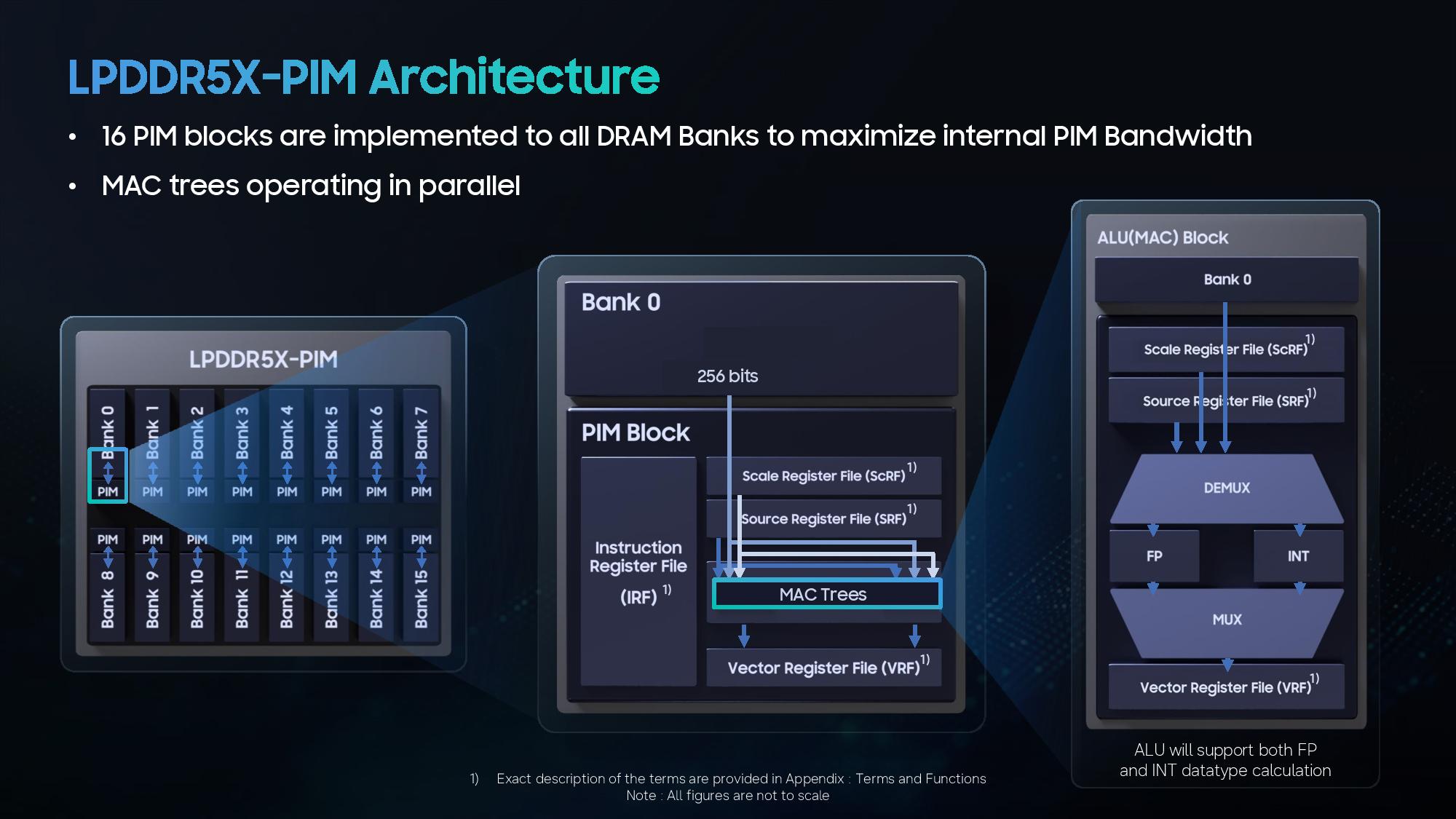
Samsung detailed the industry’s first LPDDR5X-PIM at Hot Chips 2026, adding logic directly to memory to speed up data-intensive workloads like AI inference.
One gigabyte of RAM could cost you a house back in 1995 — PCs were brutally expensive were back then, and we’re heading back in that direction
32GB of DDR5 6000 RAM now costs more than $400.
Marvell has introduced a three-tier “AI memory infrastructure” portfolio, announced at FMS 2026 in Santa Clara on August 4.
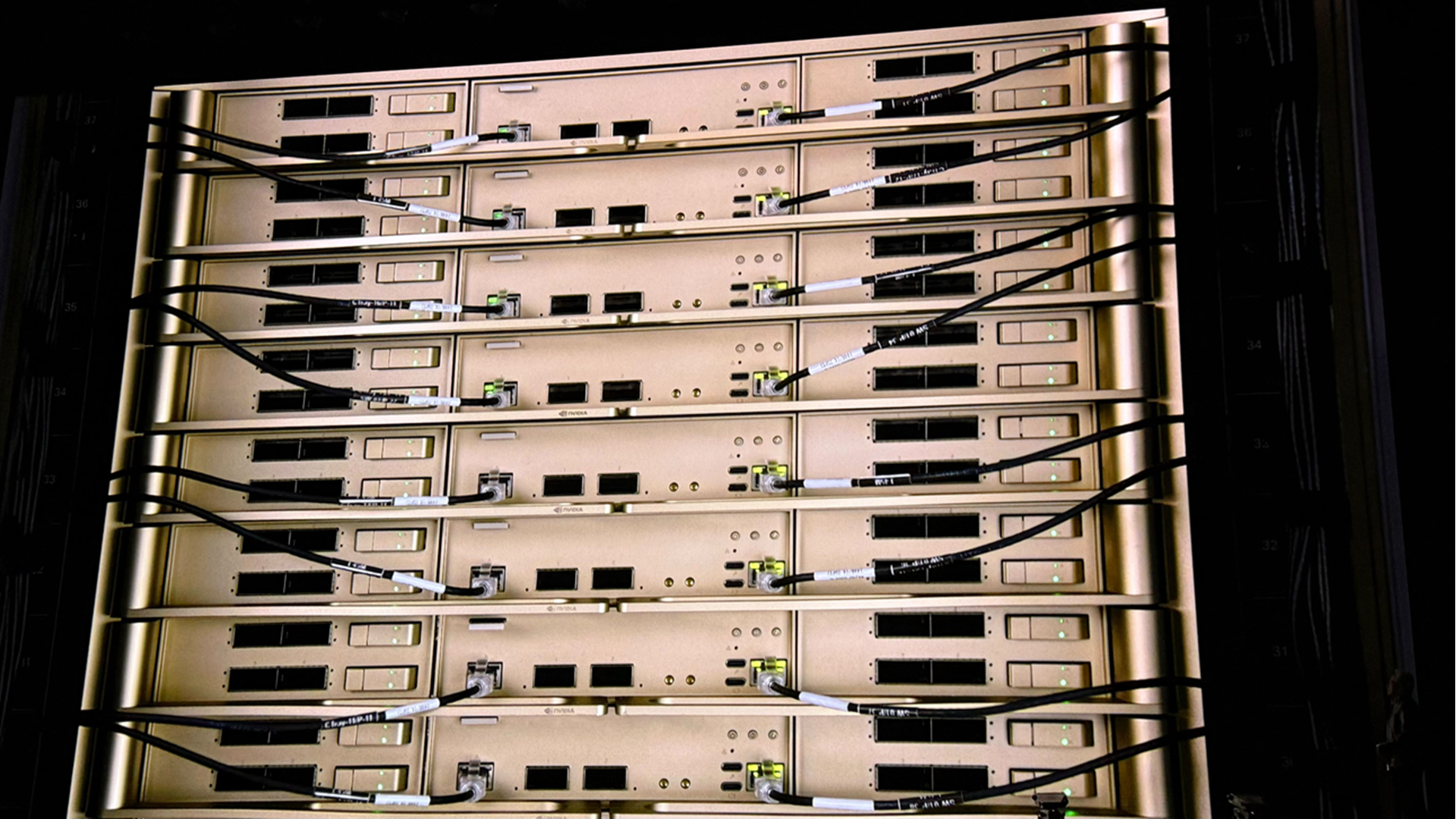
The increases will take effect on Grace Blackwell and Vera Rubin systems shipping early next year.
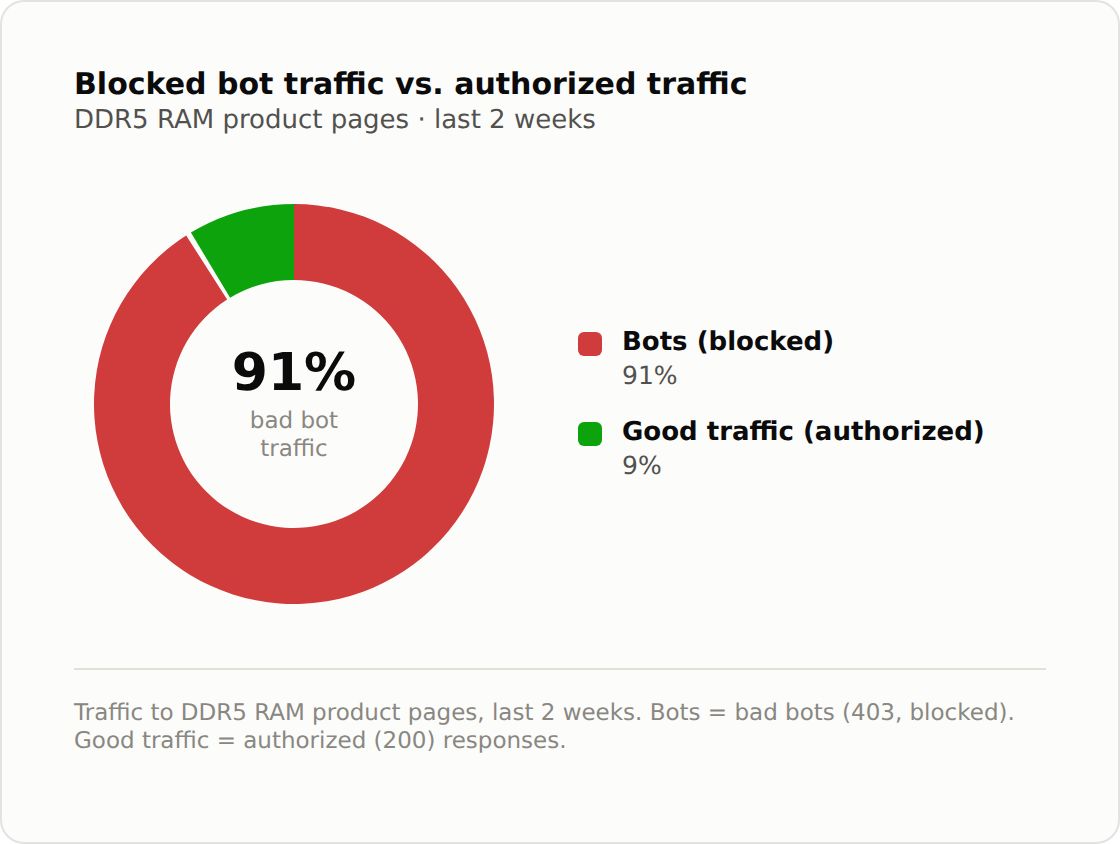
Bad bots account for 91% of the traffic reaching one retailer’s DDR5 memory product pages, roughly 10 automated requests for every legitimate visit.
Former Samsung engineers stole process recipe of the company’s 18nm-class DRAM node to sell it to CXMT, according to a new report from Korea.